Image
Dec 2, 1990
Spacelab
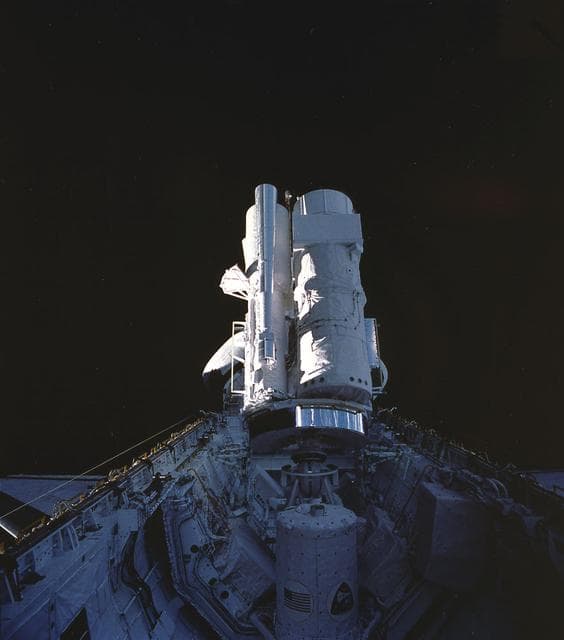
Onboard the Space Shuttle Orbiter Columbia (STS-35), the various components of the Astro-1 payload are seen...
MSFC
Image
Dec 2, 1990
Spacelab
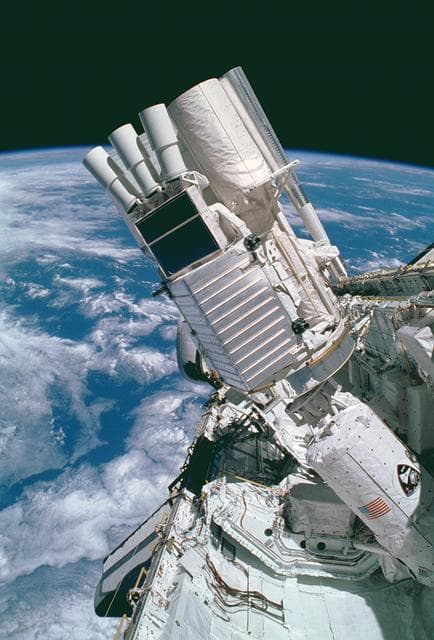
Onboard the Space Shuttle Orbiter Columbia (STS-35), the various components of the Astro-1 payload are seen...
MSFC
Image
Dec 12, 1990
Around Marshall
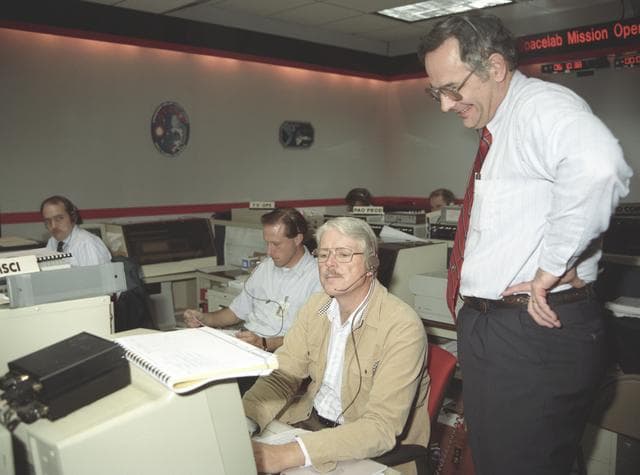
The primary objective of the STS-35 mission was round the clock observation of the celestial sphere in ultraviolet...
MSFC
Image
Mar 2, 1995
Spacelab
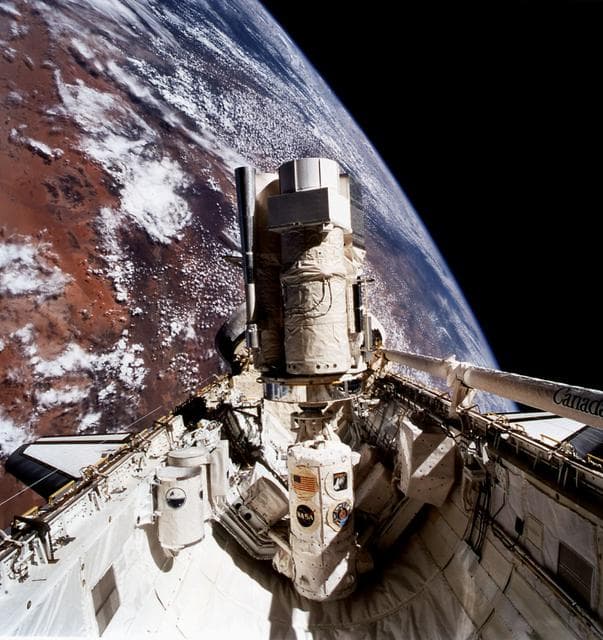
ASTRO-2 was the second dedicated Spacelab mission to conduct astronomical observations in the ultraviolet spectral...
MSFC
Image
Dec 1, 1990
Spacelab
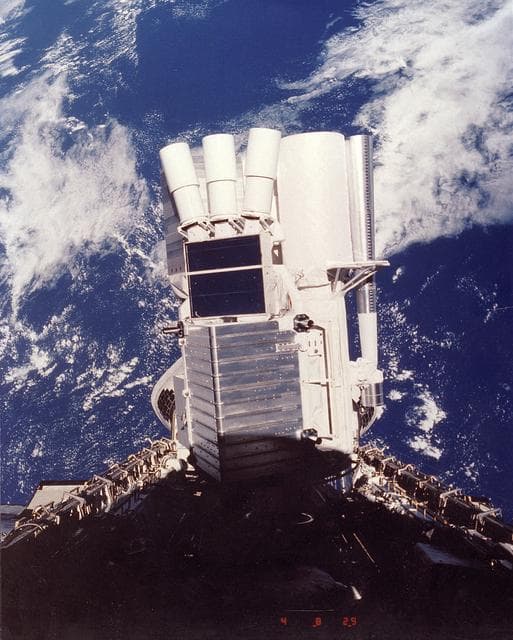
In this photograph, the instruments of the Astro-1 Observatory are erected in the cargo bay of the Columbia orbiter....
MSFC
Image
Jan 1, 1989
Spacelab
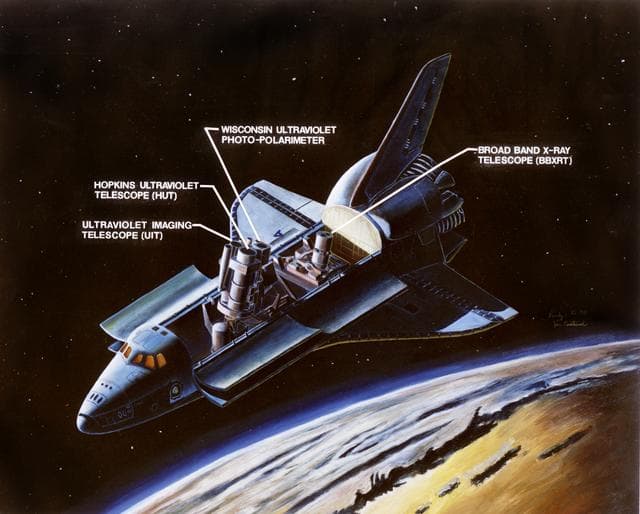
In 1986, NASA introduced a Shuttle-borne ultraviolet observatory called Astro. The Astro Observatory was designed to...
MSFC
Image
Mar 20, 1990
Spacelab
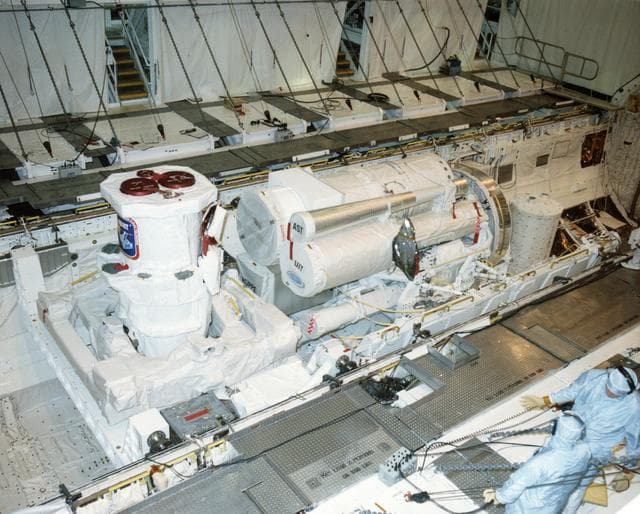
This photograph was taken during the integration of the Astro-1 mission payloads at the Kennedy Space Center on...
MSFC
Image
Dec 4, 1990
Around Marshall
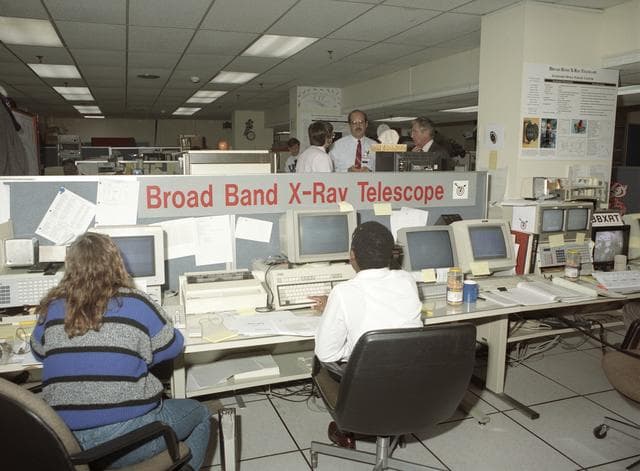
The primary objective of the STS-35 mission was round the clock observation of the celestial sphere in ultraviolet...
MSFC
Image
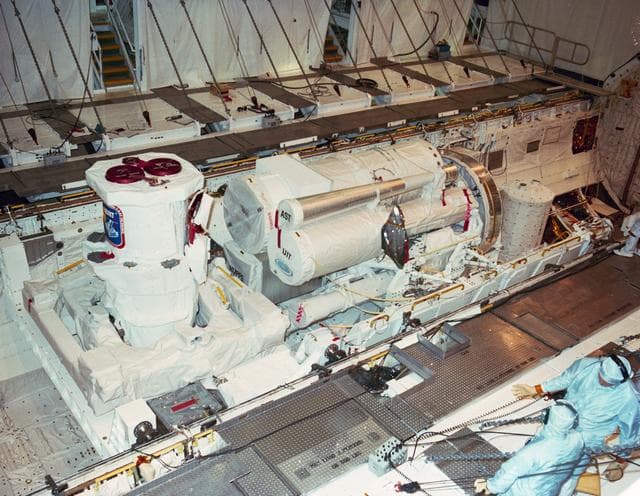
Mar 20, 1990
STS-35 Astronomy Laboratory 1 (ASTRO-1) in OV-102's payload bay at KSC
STS-35 Astronomy Laboratory 1 (ASTRO-1) is installed in Columbia's, Orbiter Vehicle (OV) 102's, payload bay (PLB) at...
JSC
Image
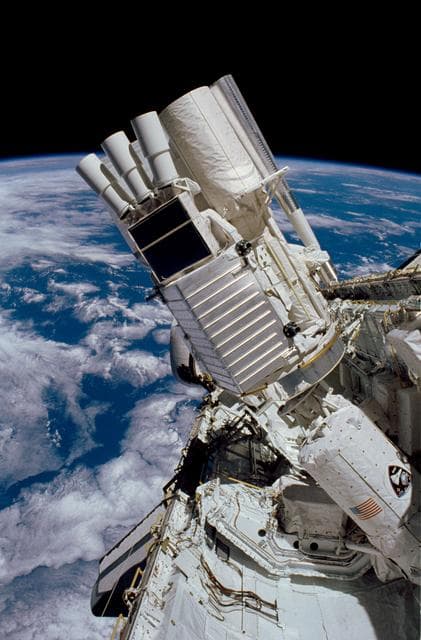
Dec 10, 1990
STS-35 ASTRO-1 telescopes documented in OV-102's payload bay (PLB)
STS035-13-008 (2-10 Dec. 1990) --- The various components of the Astro-1 payload are seen backdropped against the...
JSC
Image
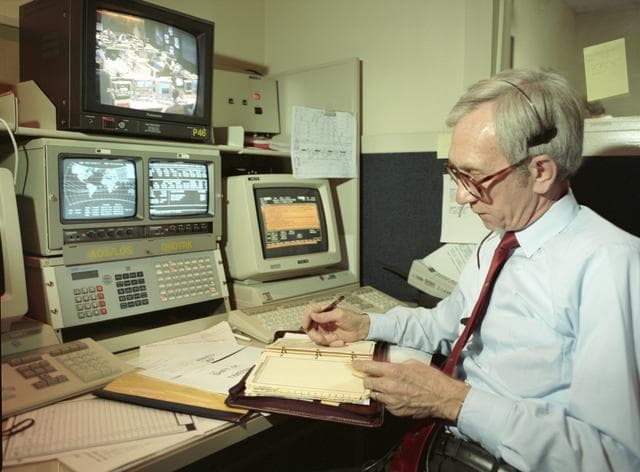
Dec 3, 1990
Around Marshall
The primary objective of the STS-35 mission was round the clock observation of the celestial sphere in ultraviolet...
MSFC
Image
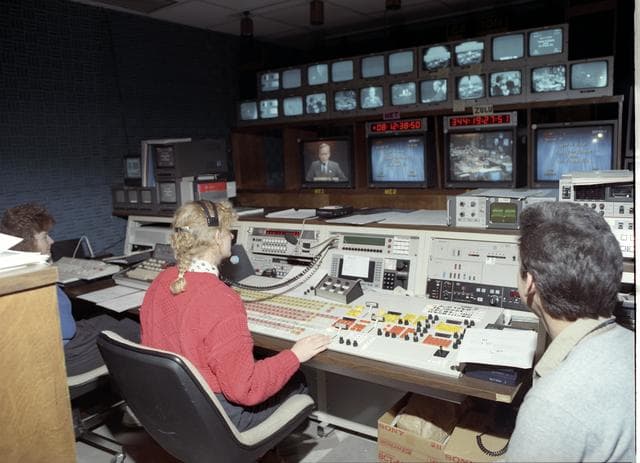
Dec 3, 1990
Around Marshall
The primary objective of the STS-35 mission was round the clock observation of the celestial sphere in ultraviolet...
MSFC
Image
Mar 17, 1995
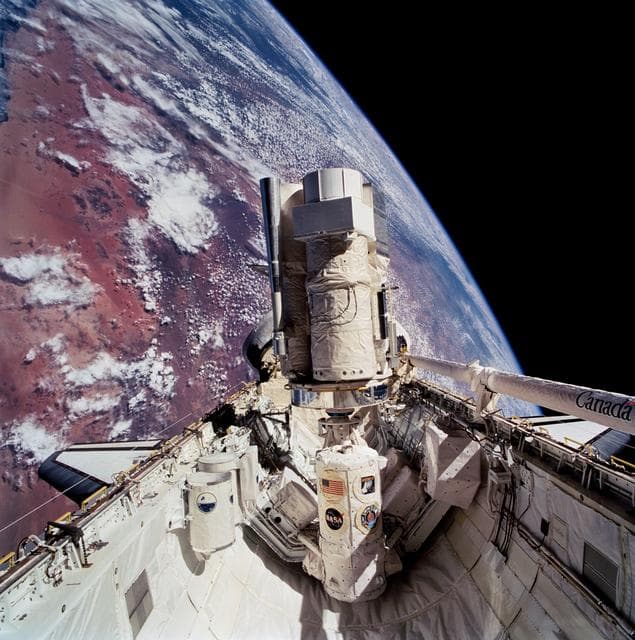
View of ASTRO-2 payload in cargo bay of STS-67 Endeavour
STS067-713-072 (2-18 March 1995) --- This 70mm cargo bay scene, backdropped against a desert area of Namibia,...
JSC
Image
Dec 10, 1990
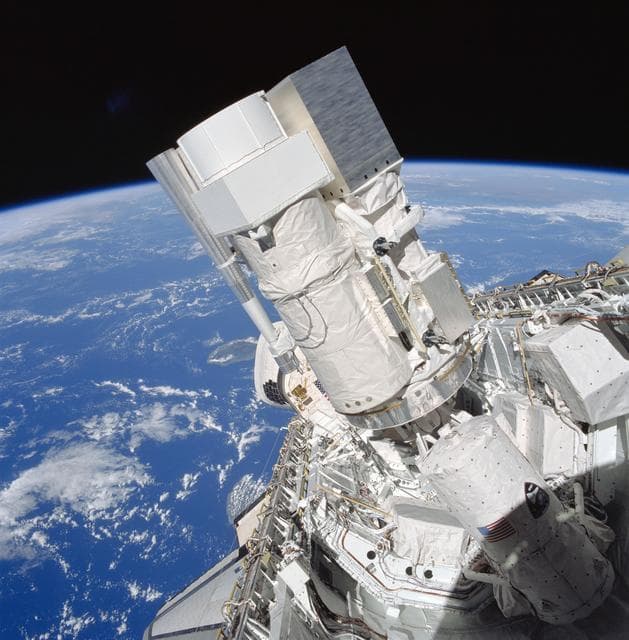
STS-35 ASTRO-1 telescopes documented in OV-102's payload bay (PLB)
STS035-604-058 (2-10 Dec 1990) --- The various components of the Astro-1 payload are seen backdropped against the...
JSC
Image
Dec 3, 1990
Around Marshall
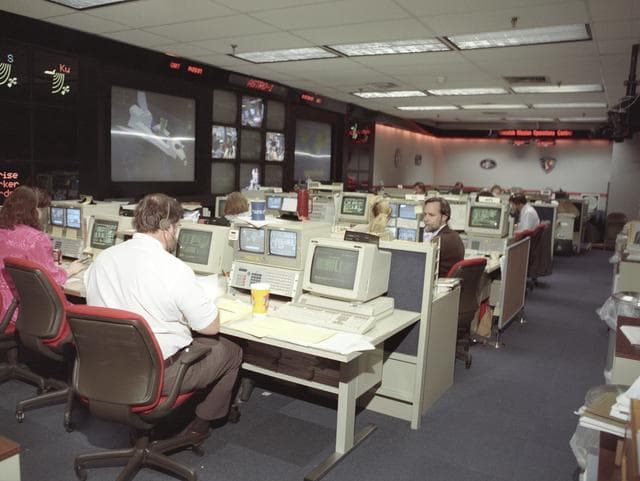
The primary objective of the STS-35 mission was round the clock observation of the celestial sphere in ultraviolet...
MSFC
Image
Dec 2, 1990
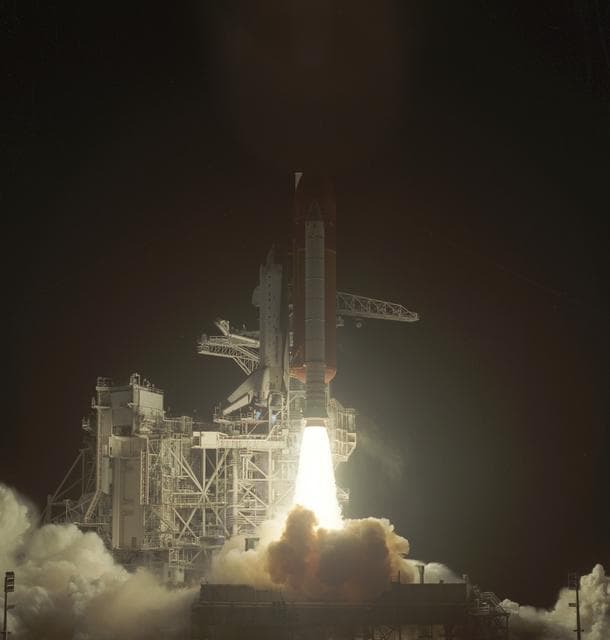
Space Science
STS-35 lifted off December 2, 1990, at 1:19 am EST, aboard the Space Shuttle Orbiter Columbia. Her crew of eight...
MSFC
Image
Dec 2, 1990
Around Marshall
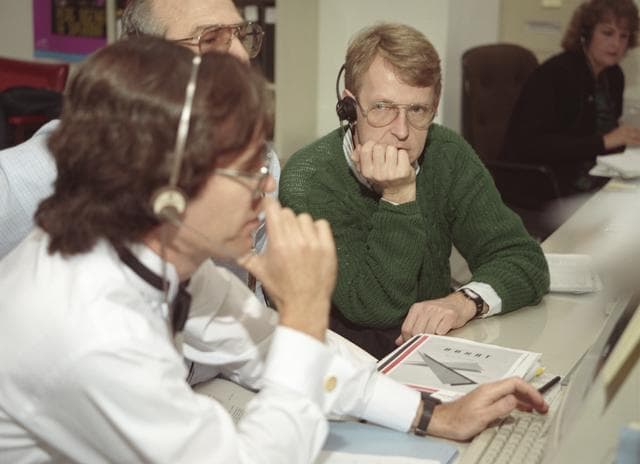
The primary objective of the STS-35 mission was round the clock observation of the celestial sphere in ultraviolet...
MSFC
Image
Nov 27, 1989
Space Shuttle Projects
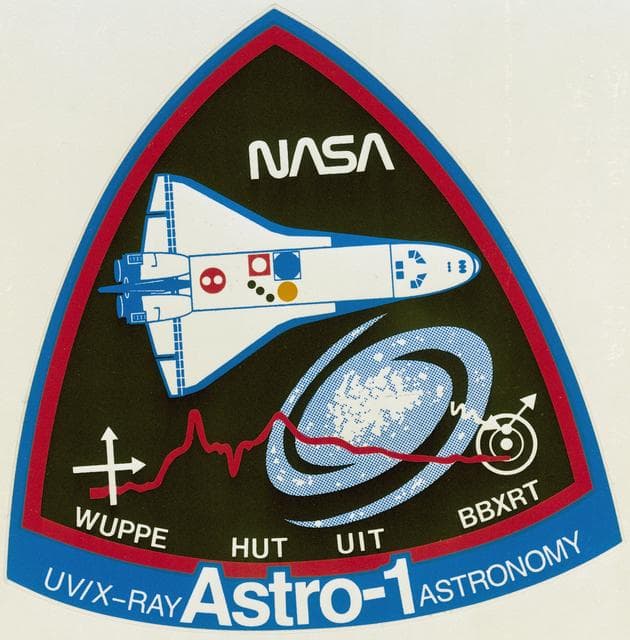
The primary payload for Space Shuttle Mission STS-35, launched December 2, 1990, was the ASTRO-1 Observatory....
MSFC
Image
Jan 16, 1990
Space Science
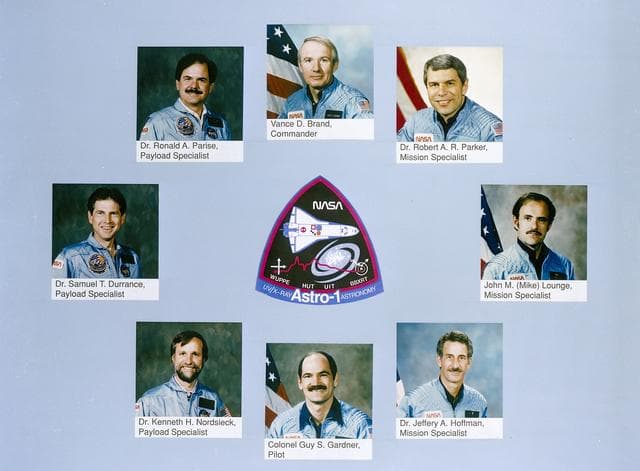
This montage consists of 8 individual STS-35 crew member portraits surrounding the mission’s insignia. Starting from...
MSFC
Image
Dec 2, 1990
Around Marshall
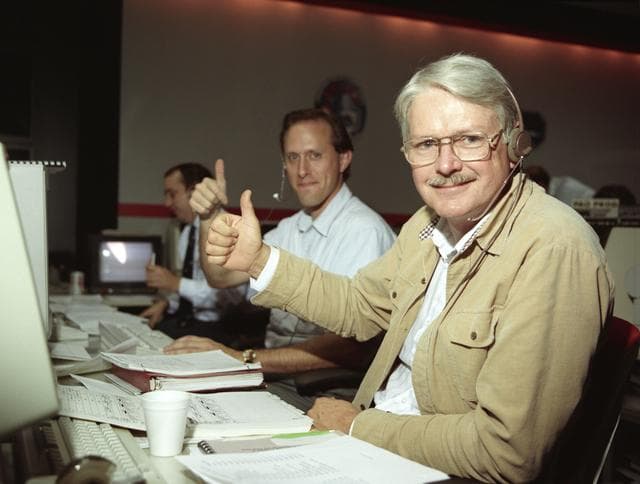
The primary objective of the STS-35 mission was round the clock observation of the celestial sphere in ultraviolet...
MSFC
Image
Dec 7, 1990
Around Marshall
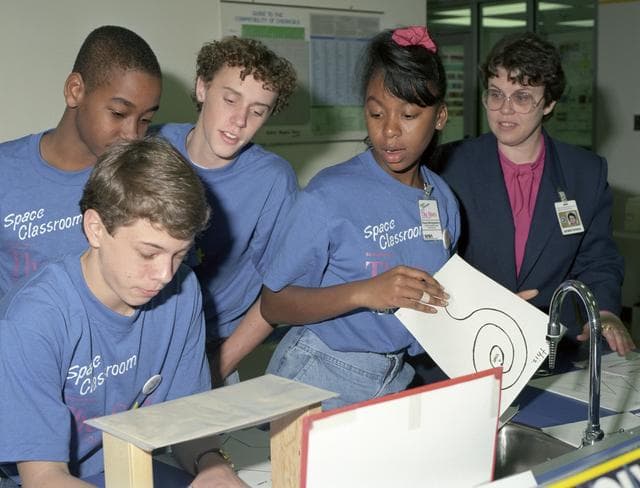
The primary objective of the STS-35 mission was round the clock observation of the celestial sphere in ultraviolet...
MSFC
Image
Dec 2, 1990
Spacelab
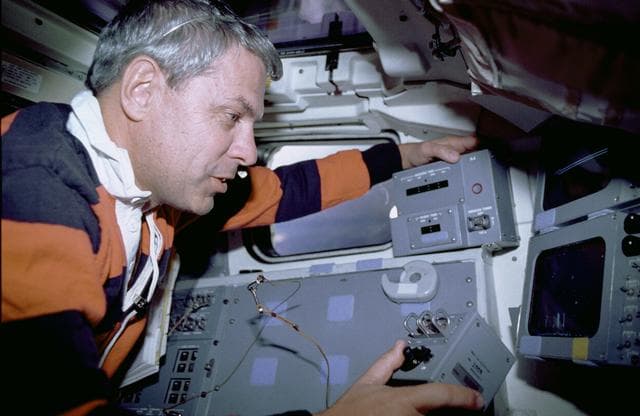
The primary objective of the STS-35 mission was round the clock observation of the celestial sphere in ultraviolet...
MSFC
Image
Dec 5, 1990
Spacelab
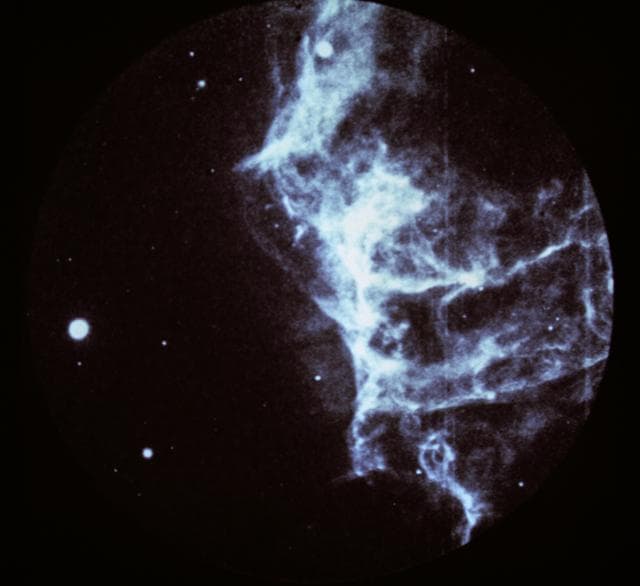
This image shows a part of the Cygnus loop supernova remnant, taken by the Ultraviolet Imaging Telescope (UIT) on...
MSFC
Image
Dec 2, 1990
Around Marshall
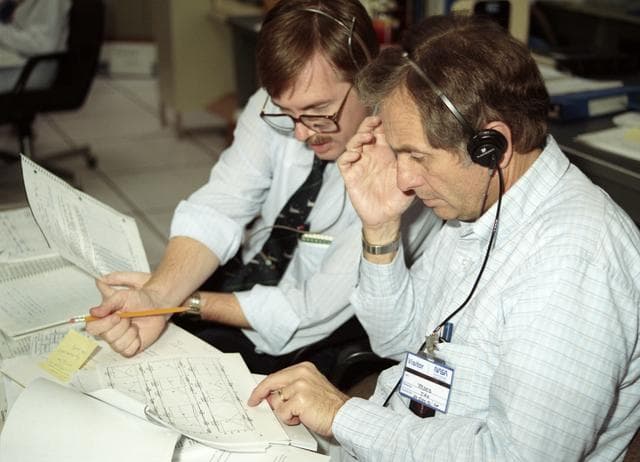
The primary objective of the STS-35 mission was round the clock observation of the celestial sphere in ultraviolet...
MSFC