Image
Mar 20, 1990
Spacelab
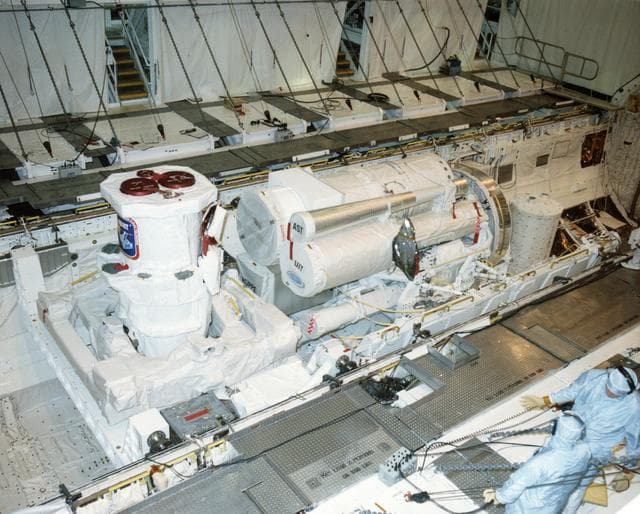
This photograph was taken during the integration of the Astro-1 mission payloads at the Kennedy Space Center on...
MSFC
Image
Mar 20, 1990
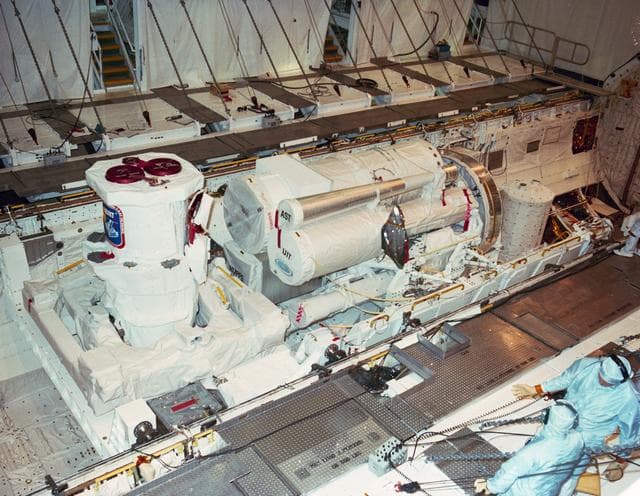
STS-35 Astronomy Laboratory 1 (ASTRO-1) in OV-102's payload bay at KSC
STS-35 Astronomy Laboratory 1 (ASTRO-1) is installed in Columbia's, Orbiter Vehicle (OV) 102's, payload bay (PLB) at...
JSC
Image
Jan 1, 1972
Skylab
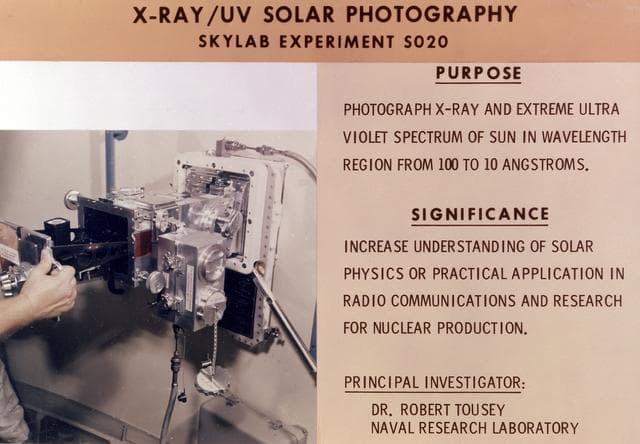
This chart details Skylab's Ultraviolet (UV) X-Ray Solar Photography experiment (S020) in an Apollo Telescope Mount...
MSFC
Image
Jan 1, 1970
Skylab
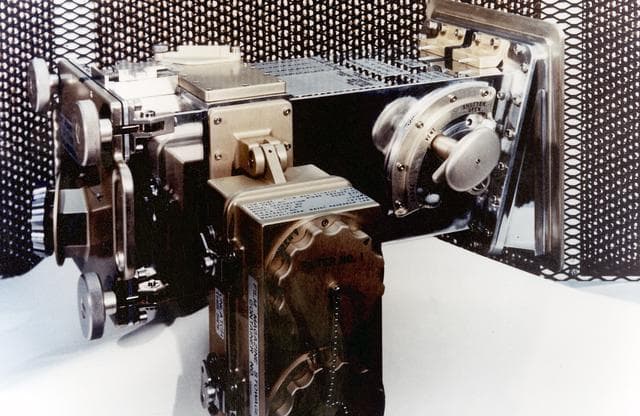
This 1970 photograph shows Skylab's Ultraviolet (UV)/X-Ray Solar Photography instrument, an Apollo Telescope Mount...
MSFC
Image
Jan 1, 1989
Spacelab
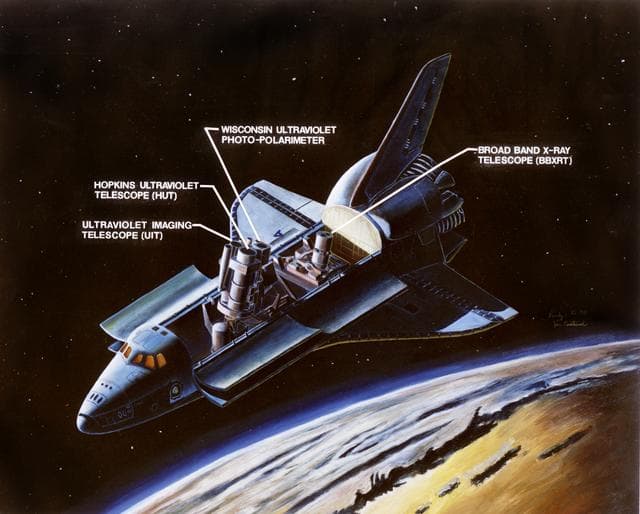
In 1986, NASA introduced a Shuttle-borne ultraviolet observatory called Astro. The Astro Observatory was designed to...
MSFC
Image
Dec 1, 1990
Spacelab
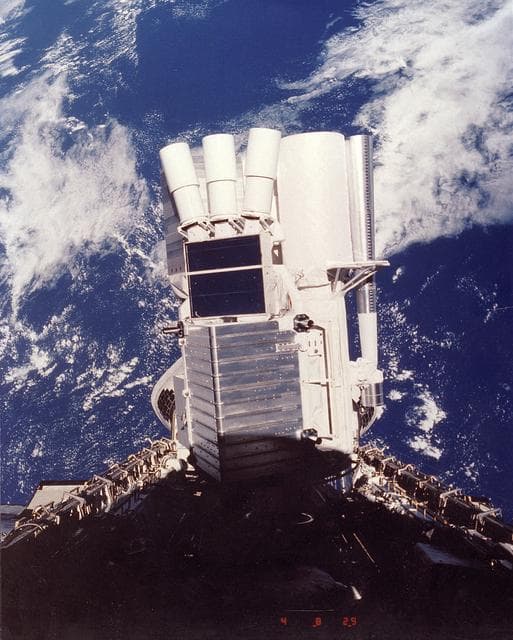
In this photograph, the instruments of the Astro-1 Observatory are erected in the cargo bay of the Columbia orbiter....
MSFC
Image
Aug 9, 2006
n/a
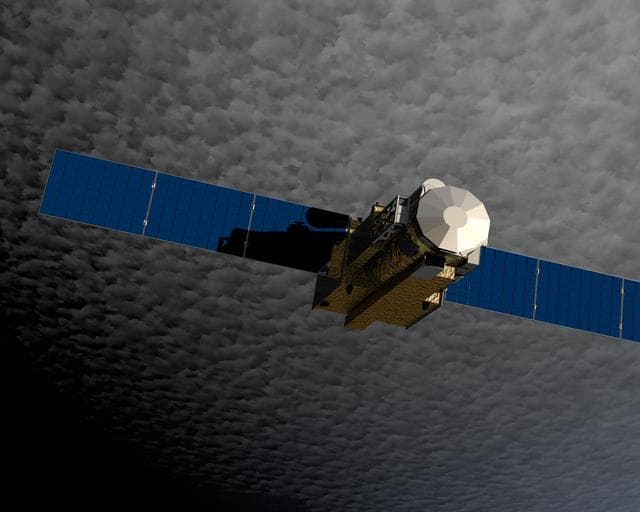
Hinode (Sunrise), formerly known as Solar-B before reaching orbit, was launched from the Uchinoura Space Center in...
MSFC
Image
Aug 9, 2006
n/a
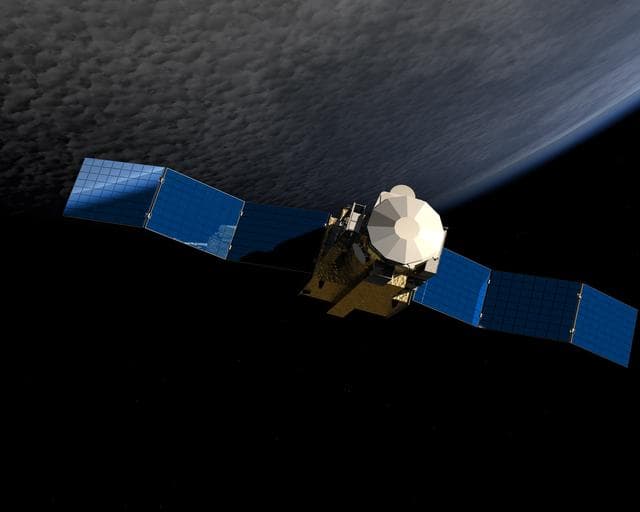
Hinode (Sunrise), formerly known as Solar-B before reaching orbit, was launched from the Uchinoura Space Center in...
MSFC
Image
Aug 9, 2005
Space Science
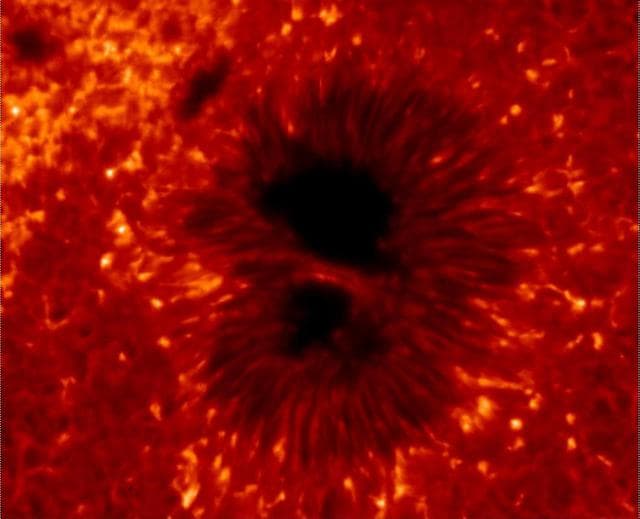
Hinode (Sunrise), formerly known as Solar-B before reaching orbit, was launched from the Uchinoura Space Center in...
MSFC

Video
Nov 16, 2004
KSC-04-S-00357
NASA's unique mission Swift, developed to study gamma-ray bursts, is a study in successful international...
KSC
Image
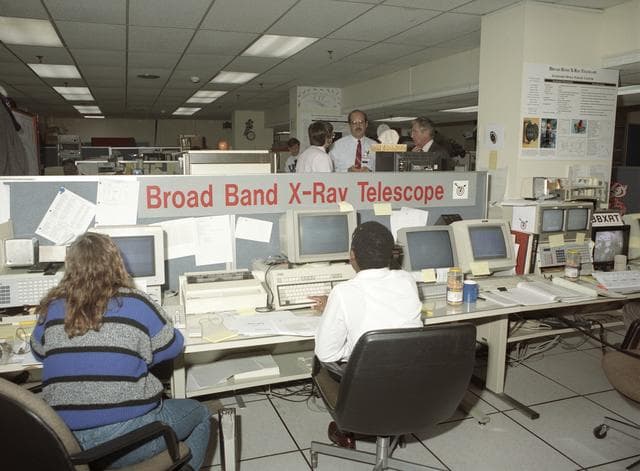
Dec 4, 1990
Around Marshall
The primary objective of the STS-35 mission was round the clock observation of the celestial sphere in ultraviolet...
MSFC
Image
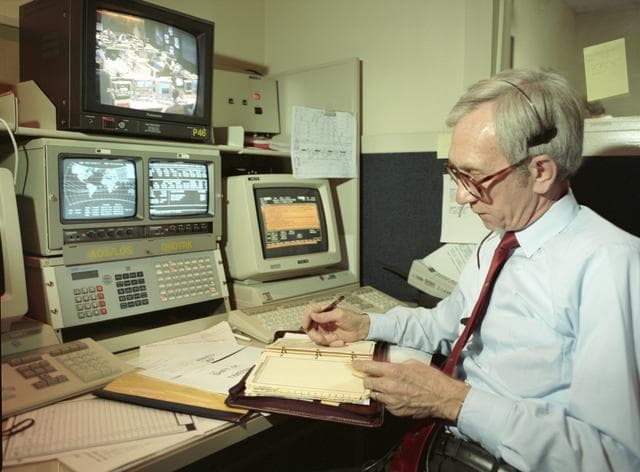
Dec 3, 1990
Around Marshall
The primary objective of the STS-35 mission was round the clock observation of the celestial sphere in ultraviolet...
MSFC
Image
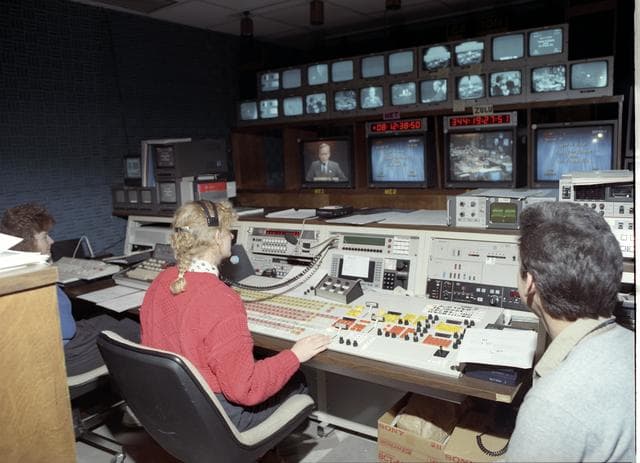
Dec 3, 1990
Around Marshall
The primary objective of the STS-35 mission was round the clock observation of the celestial sphere in ultraviolet...
MSFC

Video
Sep 23, 2004
KSC-04-S-00319
More than thirty years since their accidental discovery, gamma-ray bursts are still a mystery to scientists. These...
KSC
Image
Nov 27, 1989
Space Shuttle Projects
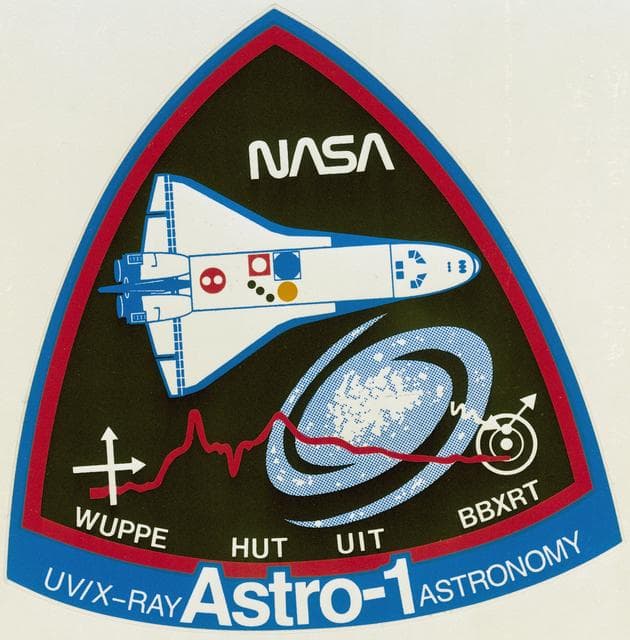
The primary payload for Space Shuttle Mission STS-35, launched December 2, 1990, was the ASTRO-1 Observatory....
MSFC
Image
Dec 10, 1990
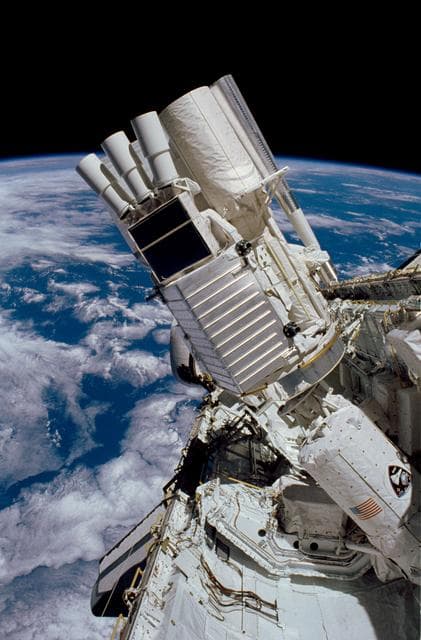
STS-35 ASTRO-1 telescopes documented in OV-102's payload bay (PLB)
STS035-13-008 (2-10 Dec. 1990) --- The various components of the Astro-1 payload are seen backdropped against the...
JSC
Image
Dec 3, 1990
Around Marshall
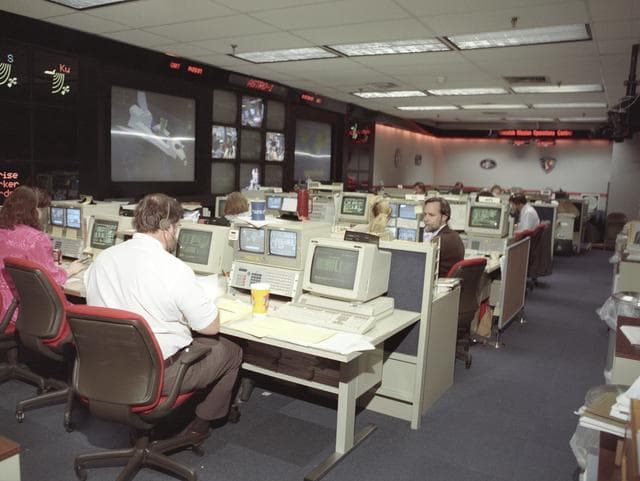
The primary objective of the STS-35 mission was round the clock observation of the celestial sphere in ultraviolet...
MSFC
Image
Dec 2, 1990
Space Science
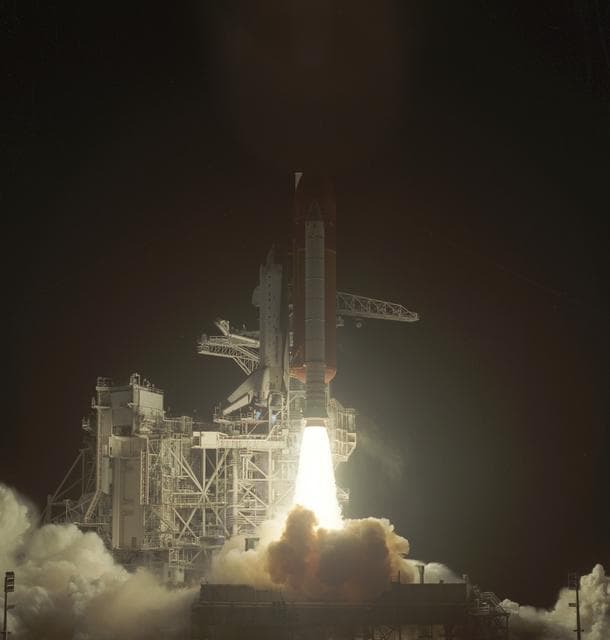
STS-35 lifted off December 2, 1990, at 1:19 am EST, aboard the Space Shuttle Orbiter Columbia. Her crew of eight...
MSFC
Image
Dec 2, 1990
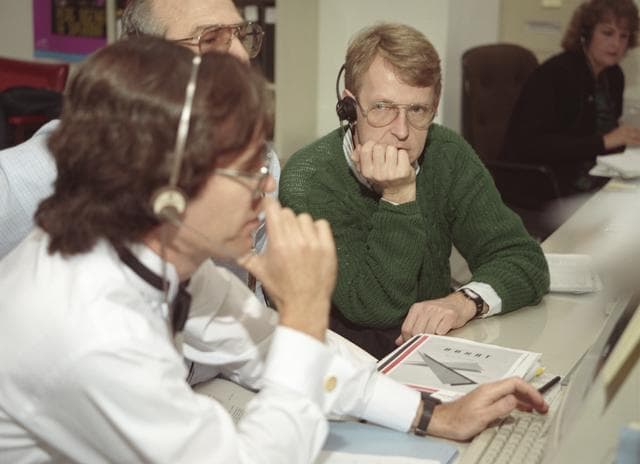
Around Marshall
The primary objective of the STS-35 mission was round the clock observation of the celestial sphere in ultraviolet...
MSFC
Image
Dec 2, 1990
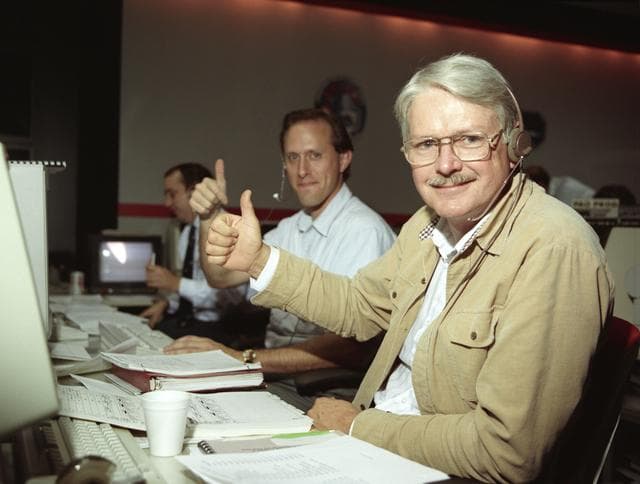
Around Marshall
The primary objective of the STS-35 mission was round the clock observation of the celestial sphere in ultraviolet...
MSFC
Image
Dec 2, 1990
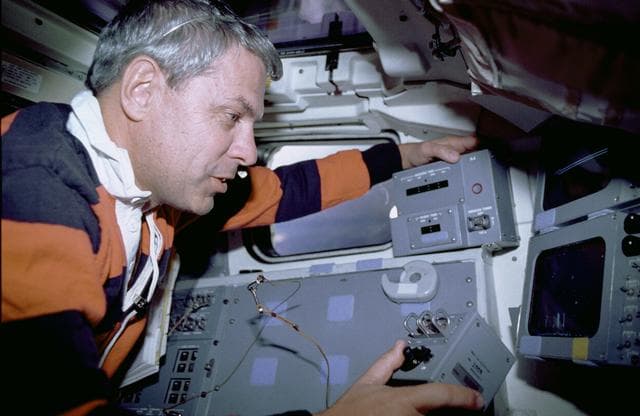
Spacelab
The primary objective of the STS-35 mission was round the clock observation of the celestial sphere in ultraviolet...
MSFC
Image
Dec 12, 1990
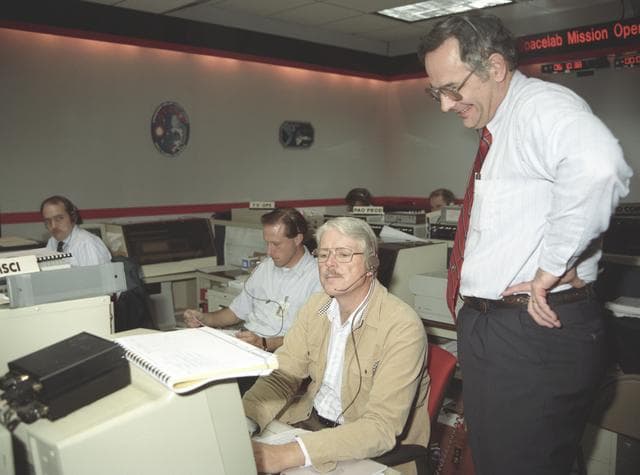
Around Marshall
The primary objective of the STS-35 mission was round the clock observation of the celestial sphere in ultraviolet...
MSFC
Image
Dec 2, 1990
Around Marshall
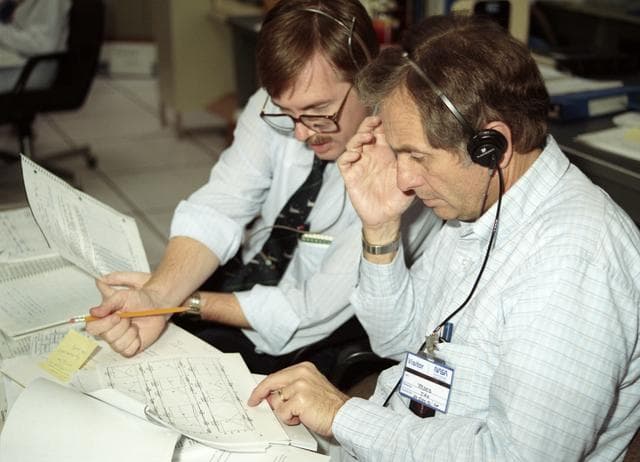
The primary objective of the STS-35 mission was round the clock observation of the celestial sphere in ultraviolet...
MSFC
Image
Dec 4, 1990
Around Marshall
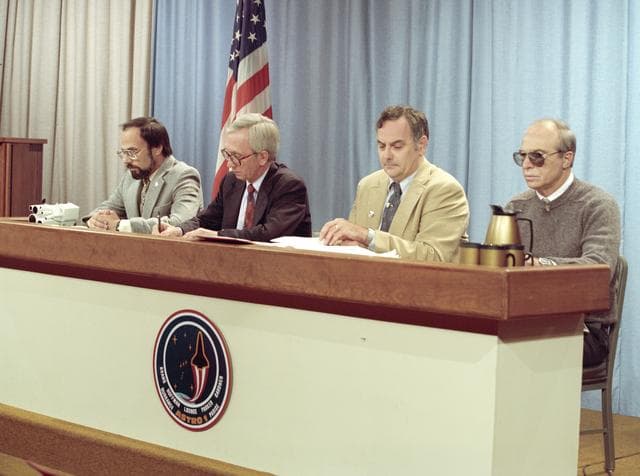
The primary objective of the STS-35 mission was round the clock observation of the celestial sphere in ultraviolet...
MSFC