Explore NASA's vast collection of space images, videos, and audio from missions past and present.
NASA's Image and Video Library is one of the most comprehensive public archives of space imagery in the world, containing over 140,000 images, videos, and audio recordings spanning more than six decades of space exploration. From the earliest Mercury and Gemini missions through the Apollo Moon landings, the Space Shuttle era, and today's cutting-edge observations from the James Webb Space Telescope, this collection documents humanity's journey into the cosmos.
The library includes imagery from diverse sources: telescopes like Hubble and Webb that capture deep-space nebulae, galaxies, and exoplanets; planetary missions like the Mars rovers ( browse Mars photos) and Cassini at Saturn; Earth observation satellites ( see EPIC imagery); astronaut photography from the ISS; and documentation of rocket launches, spacecraft assembly, and ground testing. Most NASA images are in the public domain and free to download at full resolution for educational, editorial, and personal use.
Use the search bar above to find specific subjects — try queries like "Apollo 11," "Hubble Deep Field," "Mars surface," or "astronaut EVA." You can also filter by media type (image, video, or audio). For a daily curated experience, visit the Astronomy Picture of the Day.
Showing results for "Ernutet crater"
6 results found
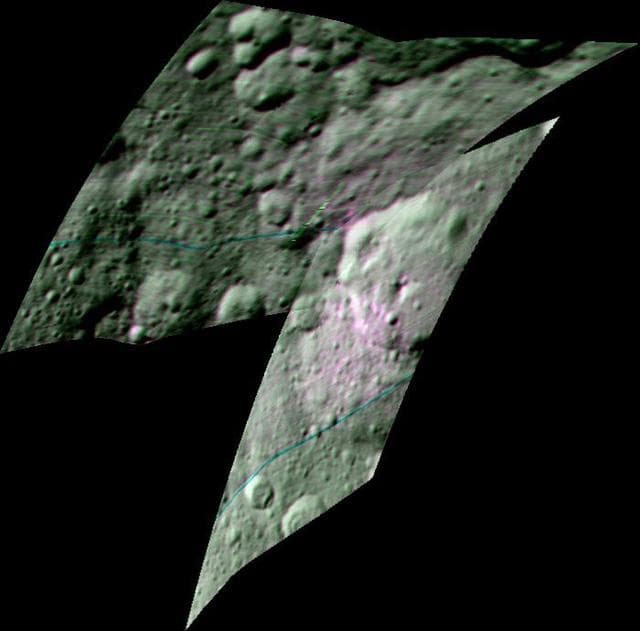
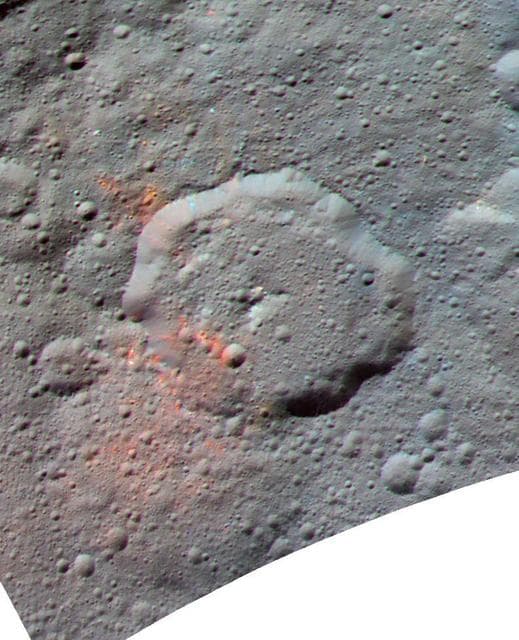
This enhanced color composite image, made with data from the framing camera aboard NASA's Dawn spacecraft, shows the...
This enhanced color composite image from Dawn's visible and infrared mapping spectrometer shows the area around...
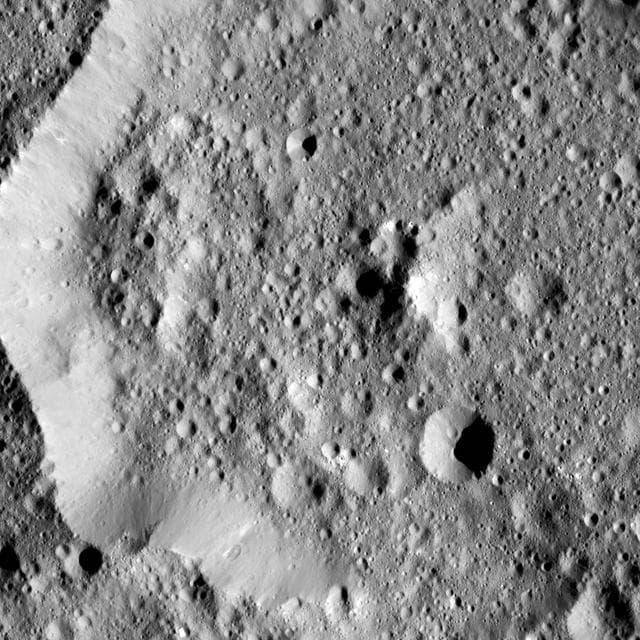
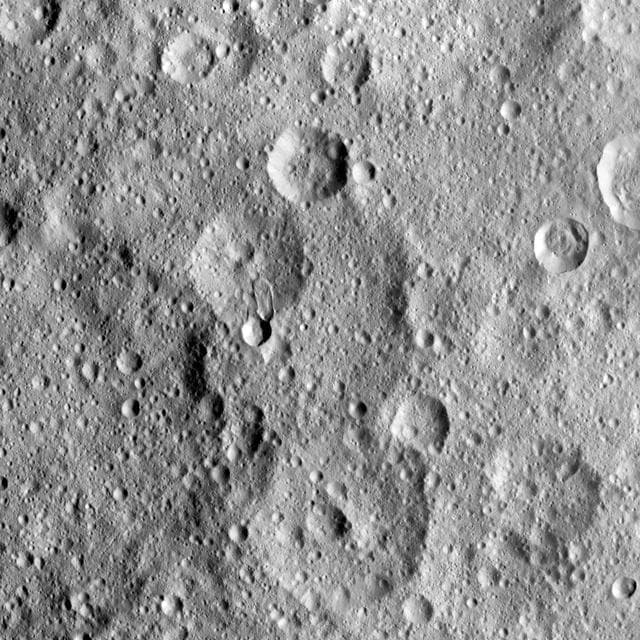
Ernutet Crater is featured in this image from Ceres, taken by NASA Dawn spacecraft. Ernutet was named for the...
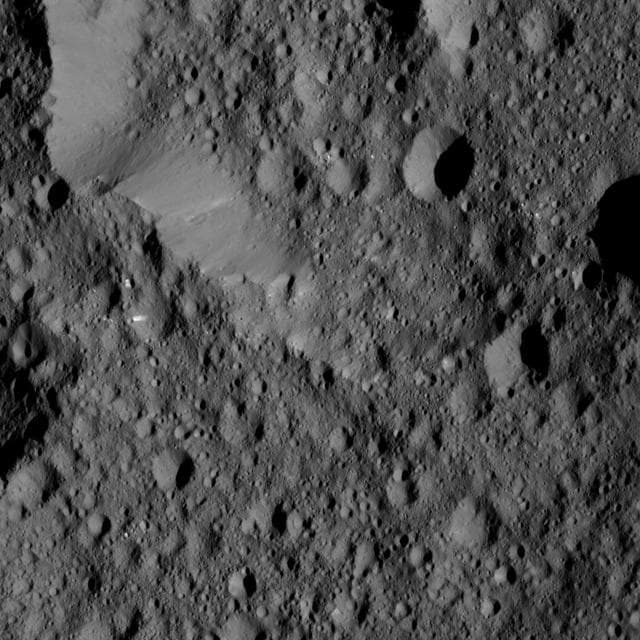
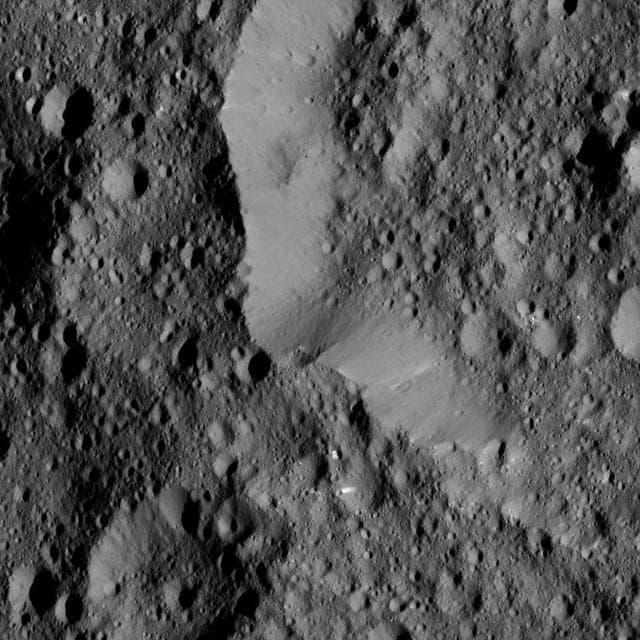
NASA Dawn spacecraft took this view from Ceres on June 16, 2016, showing Ernutet Crater 32 miles, 52 kilometers in...
This view from NASA's Dawn spacecraft shows the rim of Ernutet Crater (32 miles, 52 kilometers in diameter) on...
NASA's Dawn spacecraft took this image of Hakumyi Crater on Ceres, visible left of center. The crater is named after...