Image
Apr 28, 2001
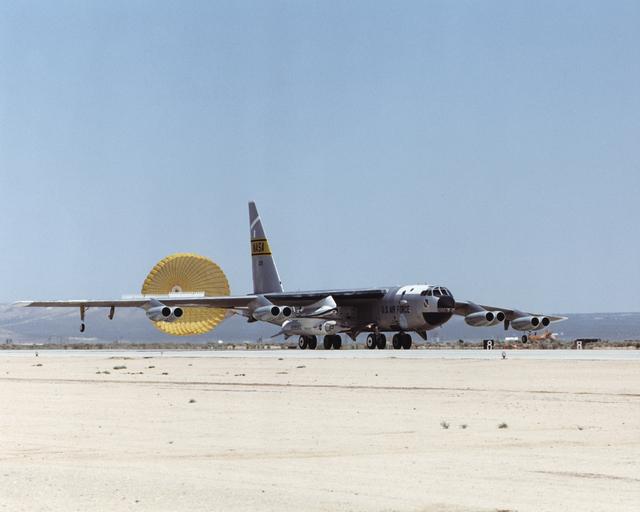
B-52/Pegasus with X-43A landing after first captive carry flight
The NASA X-43A hypersonic research vehicle and its Pegasus booster rocket, mounted beneath the wing of their B-52...
AFRC
Image
Apr 28, 2001
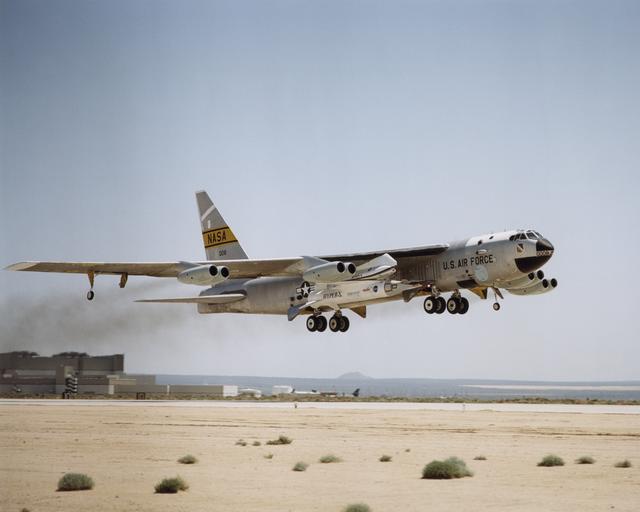
B-52/Pegasus with X-43A departing on first captive flight
The NASA X-43A hypersonic research vehicle and its Pegasus booster rocket, mounted beneath the wing of their B-52...
AFRC
Image
Sep 10, 1969
ECN-2304
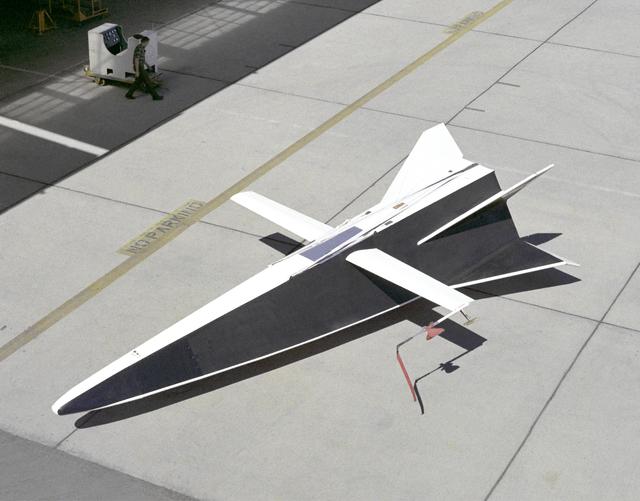
The Hyper III was a full-scale lifting-body remotely piloted research vehicle (RPRV) built at what was then the NASA...
AFRC
Image
Jun 2, 2001
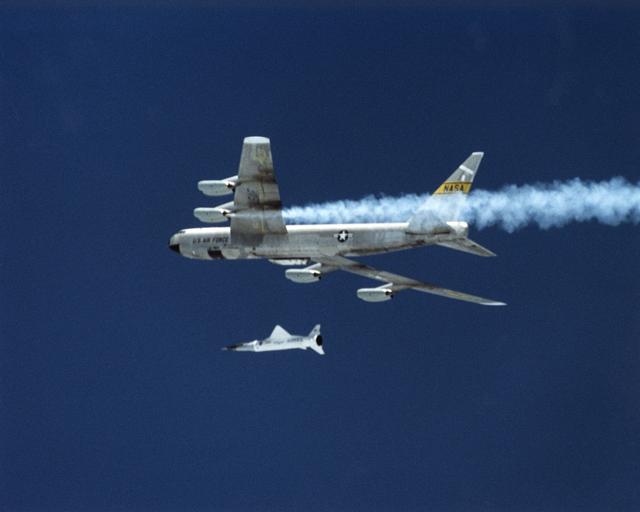
Moments after release from NASA's B-52 carrier aircraft, the X-43A/Pegasus "stack" is seen before ignition of the Pegasus rocket motor on
The first X-43A hypersonic research aircraft and its modified Pegasus booster rocket were carried aloft by NASA's...
AFRC
Image
Jun 2, 2001
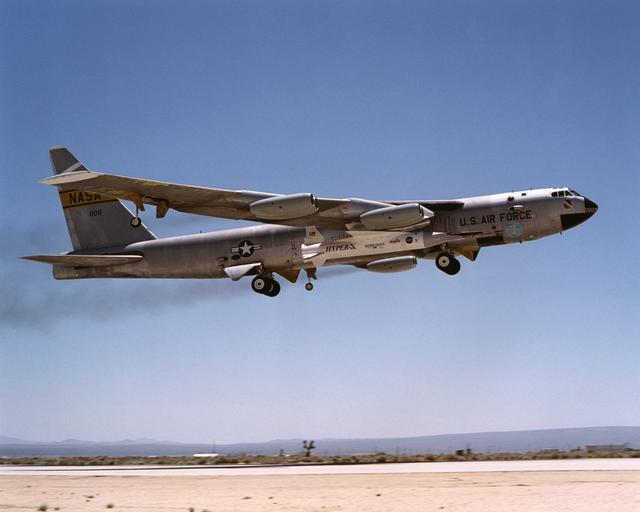
X-43A departs NASA Dryden Flight Research Center for first free-flight attempt
The first X-43A hypersonic research aircraft and its modified Pegasus booster rocket were carried aloft by NASA's...
AFRC
Image
Jun 2, 2001
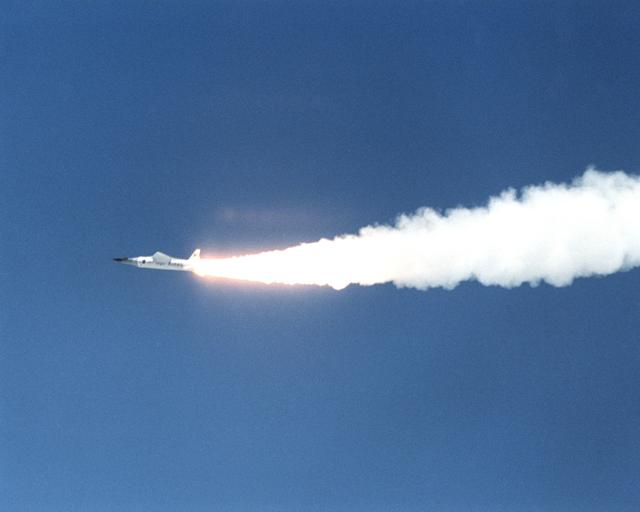
Ignition of the Pegasus rocket moments after release from the B-52 signaled acceleration of the X-43A/Pegasus combination over the Pacific Ocean
The first X-43A hypersonic research aircraft and its modified Pegasus booster rocket were carried aloft by NASA's...
AFRC
Image
Jun 2, 2001
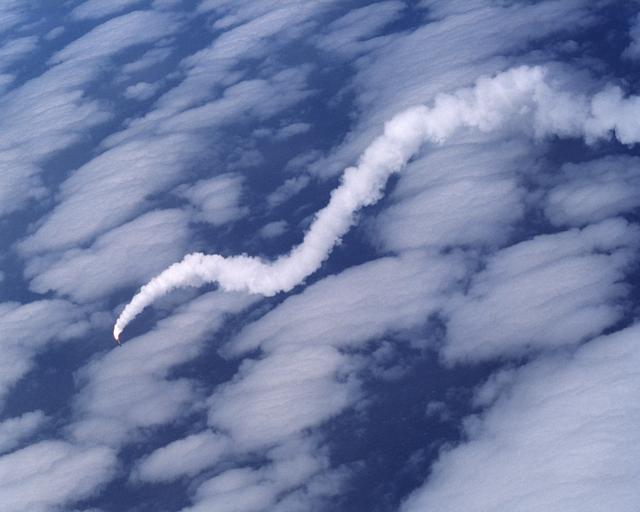
The X-43A/Pegasus combination dropped into the Pacific Ocean after losing control early in the first free-flight attempt
The first X-43A hypersonic research aircraft and its modified Pegasus booster rocket were carried aloft by NASA's...
AFRC
Image
Mar 13, 2001
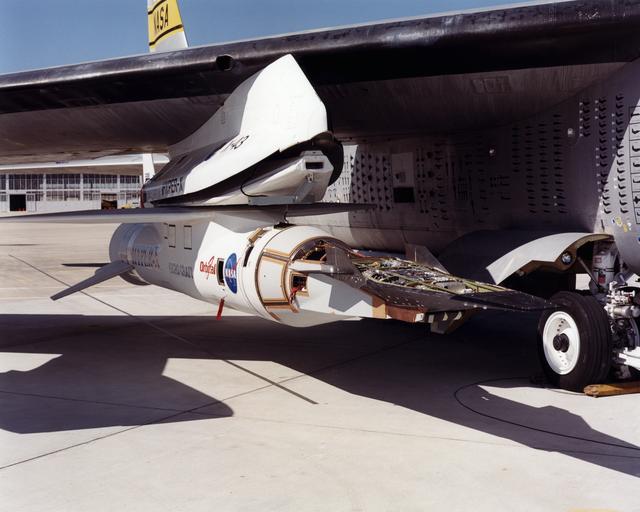
The X-43A hypersonic research aircraft and its modified Pegasus® booster rocket mounted to NASA's NB-52B carrier aircraft at the Dryden Flight Research Center, Edwards, California
The first of three X-43A hypersonic research aircraft and its modified Pegasus® booster rocket recently underwent...
AFRC
Image
Jul 17, 1991
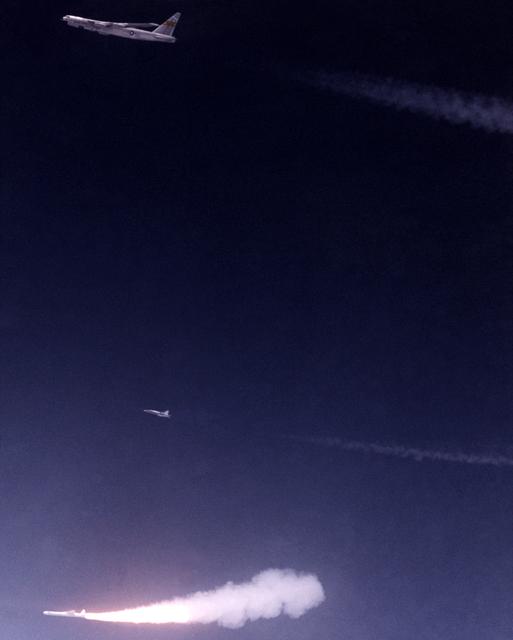
Pegasus Engine Ignites after Drop from B-52 Mothership
Against the midnight blue of a high-altitude sky, Orbital Sciences’ Pegasus winged rocket booster ignites after...
AFRC
Image
Sep 10, 1969
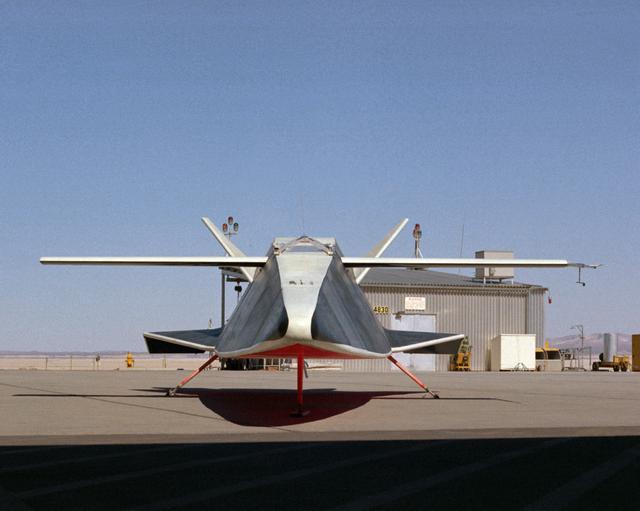
ECN-2301
The Hyper III was a low-cost test vehicle for an advanced lifting-body shape. Like the earlier M2-F1, it was a...
AFRC
Image
Mar 27, 2004
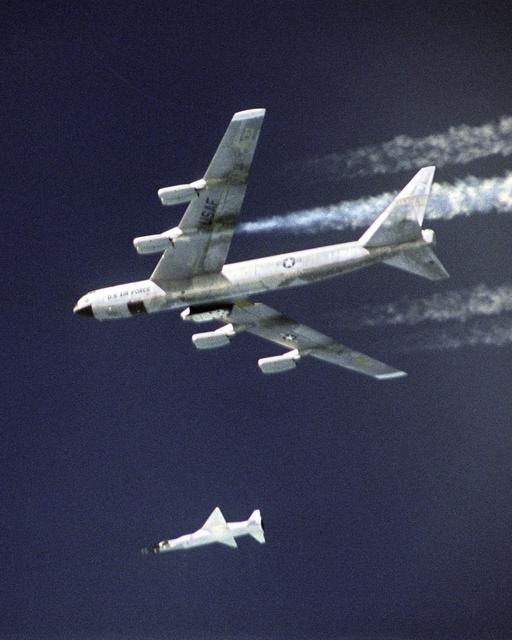
A modified Pegasus rocket drops steadily away after release from NASA's B-52B, before accelerating the X-43A over the Pacific Ocean on March 27, 2004
The second X-43A hypersonic research aircraft and its modified Pegasus booster rocket drop away from NASA's B-52B...
AFRC
Image
Mar 27, 2004
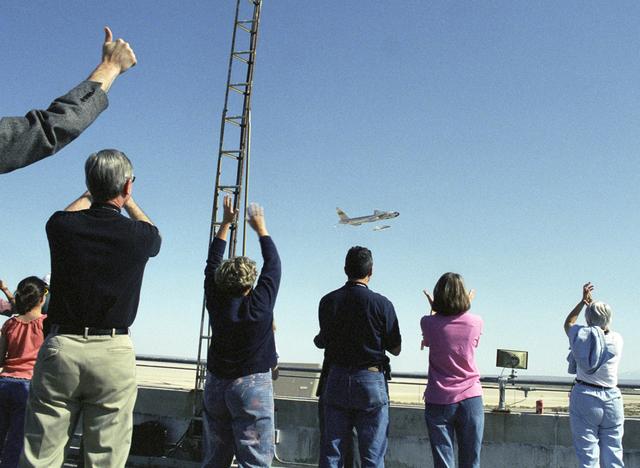
Employees atop DFRC's main building celebrate the return flyby of the B-52B aircraft after it launched the second X-43A aircraft on its successful flight
Employees atop NASA Dryden's main building celebrate the return flyby of the B-52B aircraft after it launched the...
AFRC
Image
Mar 27, 2004
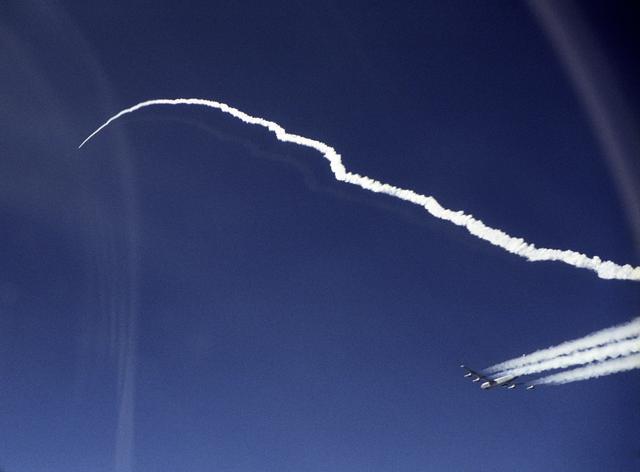
he second X-43A and its modified Pegasus booster rocket accelerate after launch from NASA's B-52B launch aircraft over the Pacific Ocean
The second X-43A hypersonic research aircraft and its modified Pegasus booster rocket accelerate after launch from...
AFRC
Image
Mar 27, 2004
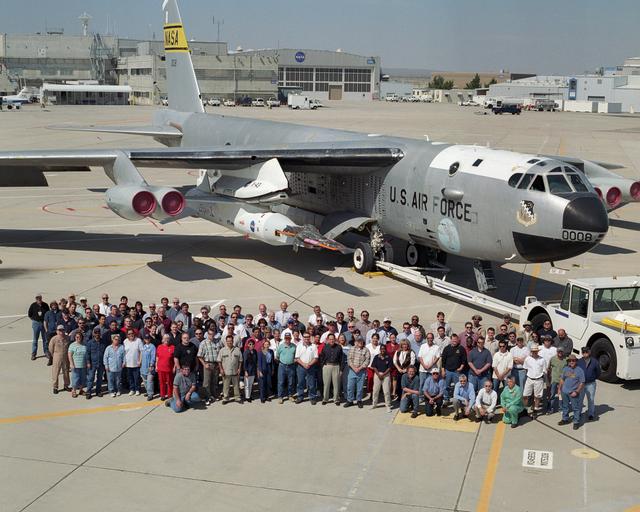
The Hyper-X X-43A project team
The Hyper-X X-43A project team in front of NASA's B-52B launch aircraft with the Pegasus booster and X-43A vehicle...
AFRC
Image
Mar 27, 2004
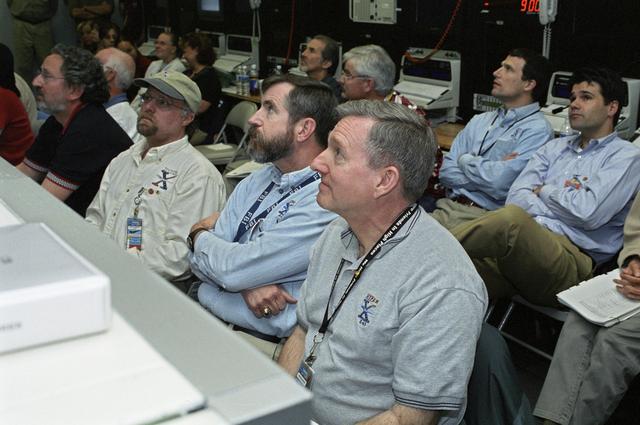
NASA personnel in a control room during the successful second flight of the X-43A aircraft
NASA personnel in a control room during the successful second flight of the X-43A aircraft. front row, left to...
AFRC
Image
Nov 16, 2004
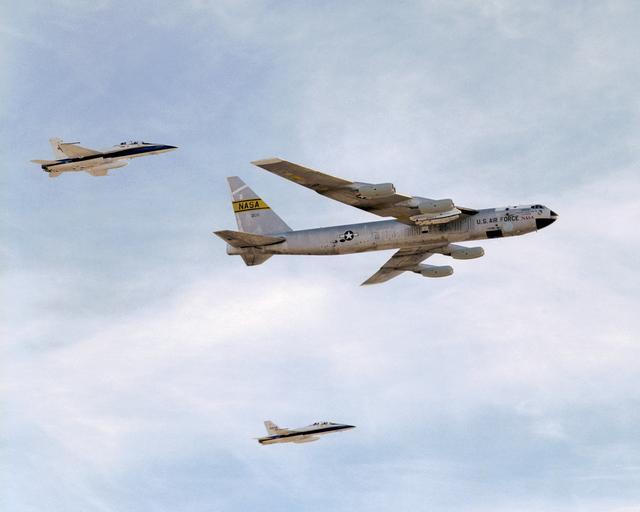
NASA's B-52B mothership, escorted by two F-18s, makes a final flyover after its last research mission that launched the X-43A on its record Mach 9.6 flight
NASA's B-52B mothership, escorted by two F-18s, makes a final flyover after its last research mission that launched...
AFRC
Image
Aug 5, 2005
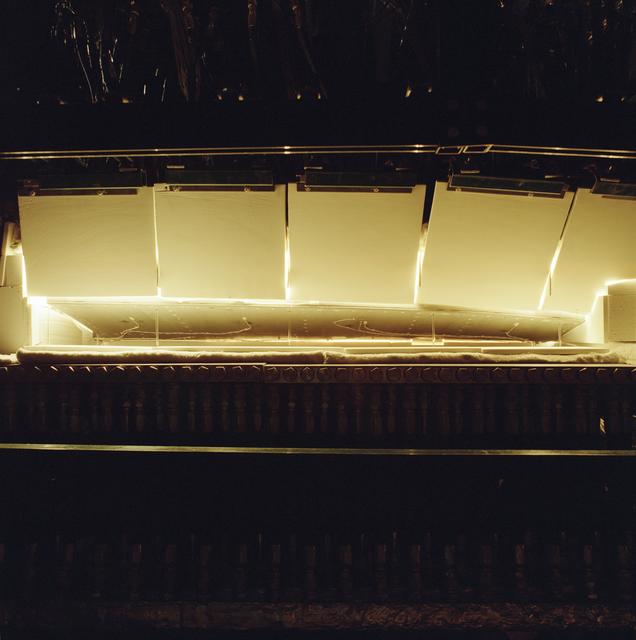
Piazza Knows How to Manage the Heat
The X-37 advanced technology demonstrator flaperon unit was one of the first ever thermal and mechanical...
AFRC
Image
Mar 17, 2023
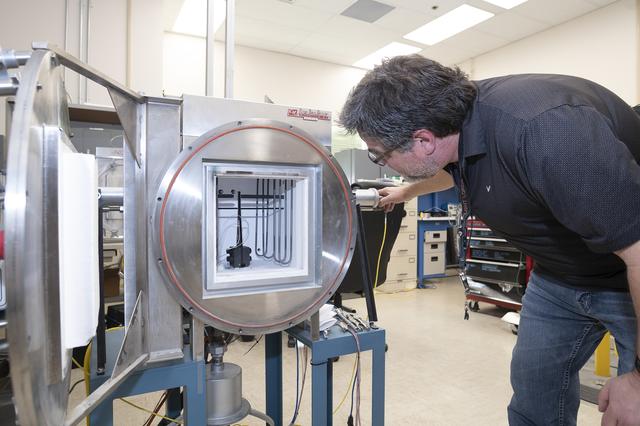
Piazza Knows How to Manage the Heat
Anthony piazza, a researcher at NASA’s Armstrong Flight Research center in Edwards, California, works with...
AFRC
Image
Mar 17, 2023
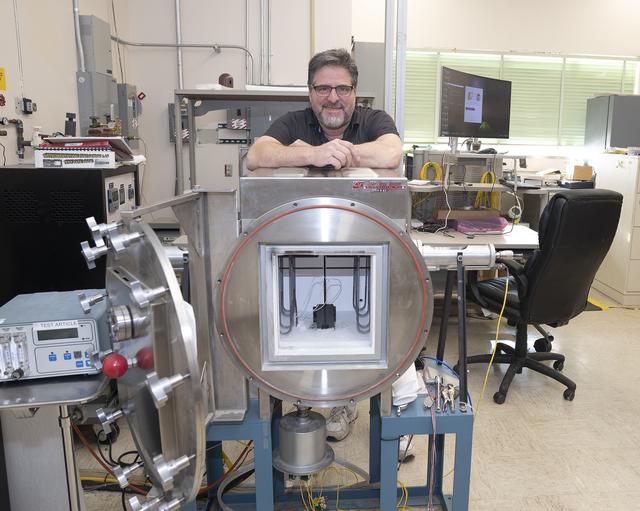
Piazza Knows How to Manage the Heat
Anthony piazza, a researcher at NASA’s Armstrong Flight Research center in Edwards, California, works with...
AFRC
Image
Nov 16, 2004
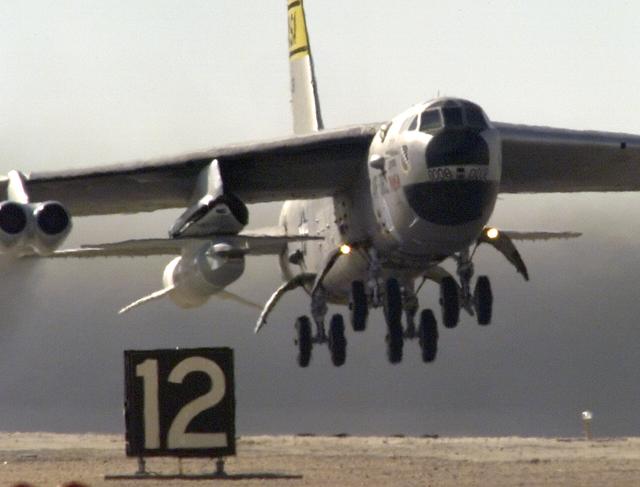
NASA's B-52B launch aircraft takes off carrying the third X-43A hypersonic research vehicle attached to a modified Pegasus rocket, on November 16, 2004
The third X-43A hypersonic research aircraft and its modified Pegasus booster rocket left the runway, carried aloft...
AFRC
Image
Sep 27, 2004
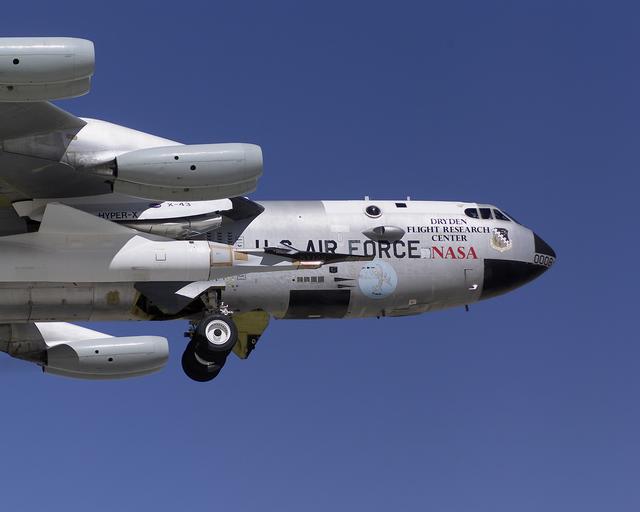
NASA's B-52B launch aircraft takes off carrying the third X-43A hypersonic research vehicle on a captive carry evaluation flight September 27, 2004
Attached to the same B-52B mothership that once launched X-15 research aircraft in the 1960s, NASA's third X-43A...
AFRC
Image
Sep 27, 2004
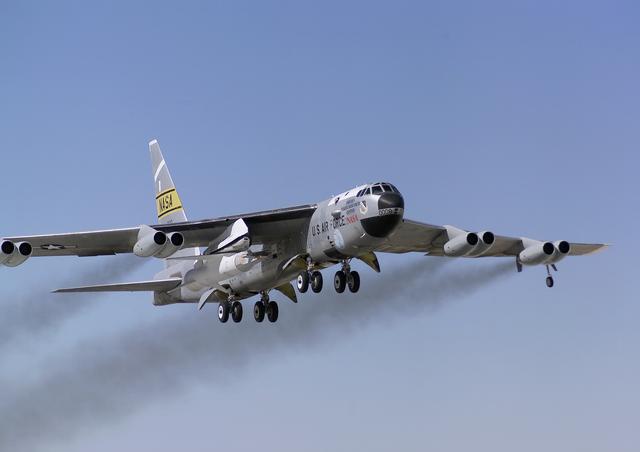
NASA's B-52B launch aircraft takes off carrying the third X-43A hypersonic research vehicle on a captive carry evaluation flight September 27, 2004
Attached to the same B-52B mothership that once launched X-15 research aircraft in the 1960s, NASA's third X-43A...
AFRC