Image
May 1, 2018
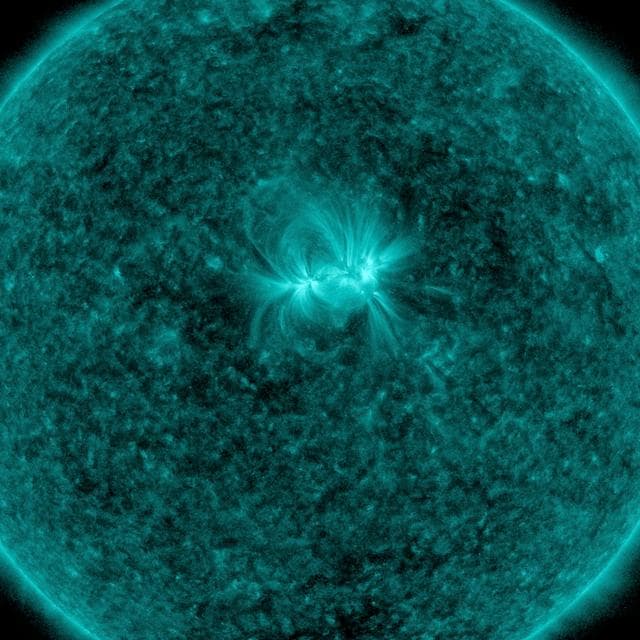
Tangled Up in Blue
The lone active region visible on the sun put on a fine display with its tangled magnetic field lines swaying and...
JPL

Image
Dec 8, 2017
Sweeping Arches and Loops
Two active regions with their intense magnetic fields produced towering arches and spiraling coils of solar loops...
GSFC
Image
Jun 11, 2018
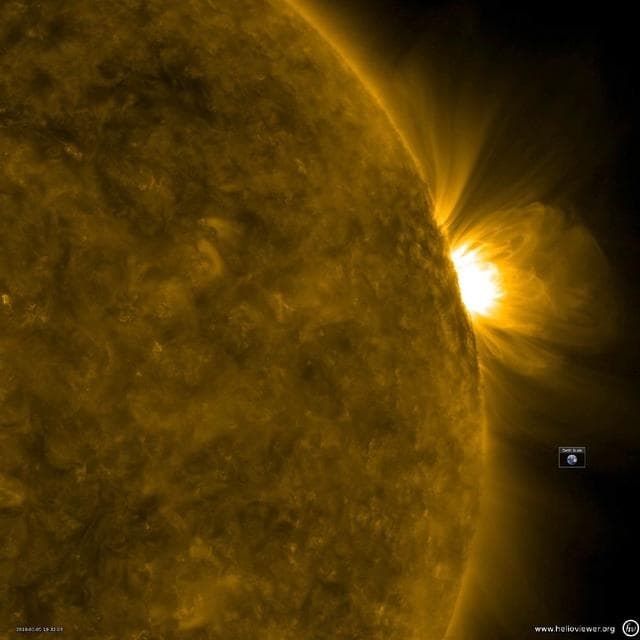
Ballet of Loops
Giant, bright coronal loops trace out the magnetic field lines above an active region from June 4-6, 2018. The...
JPL
Image
May 1, 2017
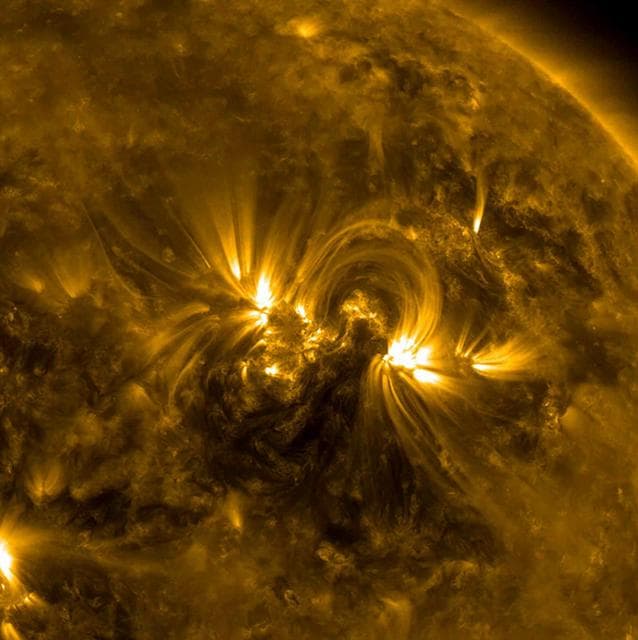
Solar Golden Arches
The magnetic field lines between a pair of active regions formed a beautiful set of swaying arches rising up above...
JPL

Image
Dec 8, 2017
SDO Pick of the Week
Magnetic arcs of solar material spewing from our favorite sphere of hot plasma, the sun. Magnetic arcs of solar...
GSFC
Image
May 9, 2017
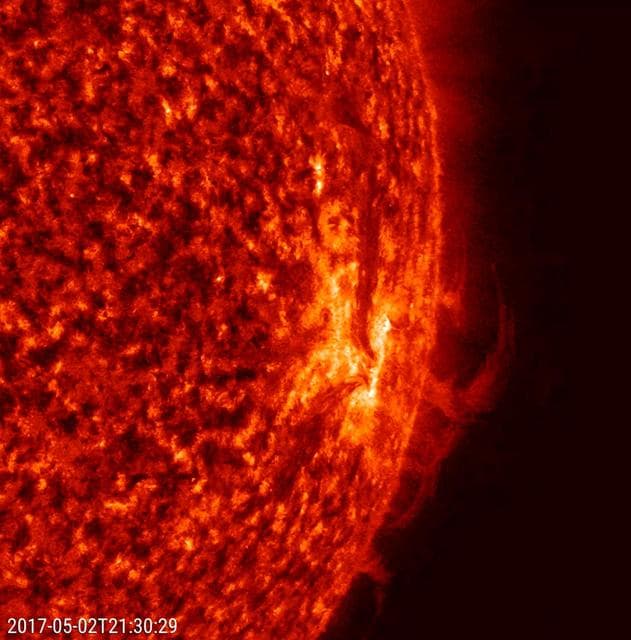
Shifting Plasma
Strands of plasma at the sun edge shifted and twisted back and forth over a 22-hour period, May 2-3, 2017. In this...
JPL

Image
Dec 8, 2017
Giant Sunspot Erupts with 4th Substantial Flare
The sun emitted a significant solar flare, peaking at 5:40 p.m. EDT on Oct. 24, 2014. The flare erupted from a...
GSFC
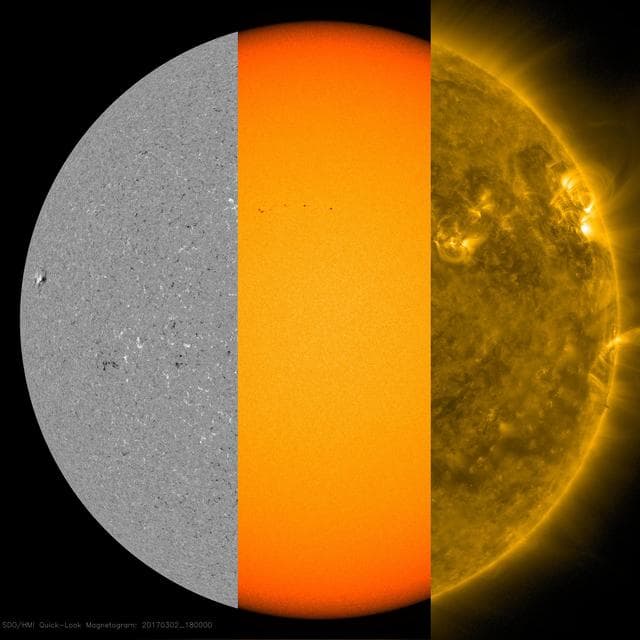
Image
Mar 8, 2017
Sorting through Layers
Several small sunspots appeared this week, giving NASA Solar Dynamics Observatory a chance to illustrate their...
JPL

Video
Dec 17, 2013
Jewel Box Sun
Telescopes help distant objects appear bigger, but this is only one of their advantages. Telescopes can also collect...
GSFC

Video
Jun 24, 2016
Solar Highlights of 2016/2017: Bursts of Solar Material
Solar material repeatedly bursts from the sun in this close-up captured on July 9-10, 2016, by NASA’s Solar Dynamics...
GSFC
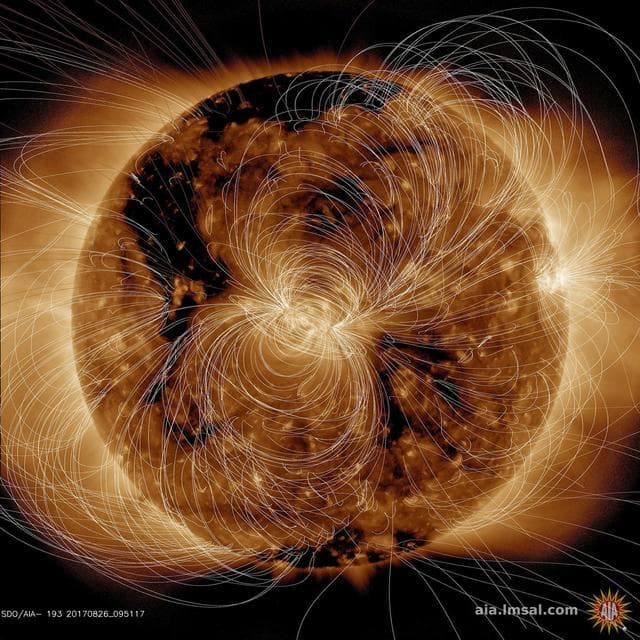
Image
Aug 14, 2018
Magnetic Field Portrayed
NASA's Solar Dynamics Observatory (SDO) scientists use their computer models to generate a view of the sun's...
JPL

Video
Jun 19, 2013
IRIS: Studying the Energy Flow that Powers the Solar Atmosphere
In late June 2013, the Interface Region Imaging Spectrograph, or IRIS, will launch from Vandenberg Air Force Base,...
GSFC

Video
Oct 24, 2014
Giant Sunspot Continues to Erupt with Substantial Flares
The sun emitted a significant solar flare, peaking at 5:40 p.m. EDT on Oct. 24, 2014. NASA's Solar Dynamics...
GSFC
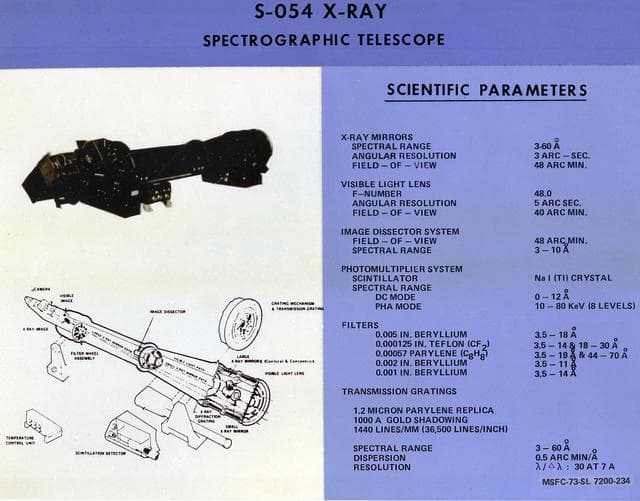
Image
Jan 1, 1973
Skylab
This chart details Skylab's X-Ray Spectrographic Telescope, an Apollo Telescope Mount facility. It was designed to...
MSFC
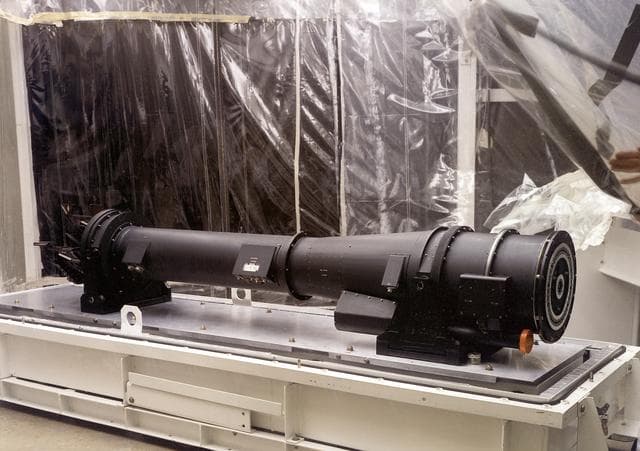
Image
Jan 1, 1970
Skylab
This photograph details Skylab's X-Ray Spectrographic Telescope, an Apollo Telescope Mount facility. It was designed...
MSFC

Video
Mar 7, 2012
HD Close up of March 6th X5.4 Flare
The sun erupted with one of the largest solar flares of this solar cycle on March 6, 2012 at 7PM ET. ?This flare was...
GSFC
Image
Jan 1, 2003
Space Science
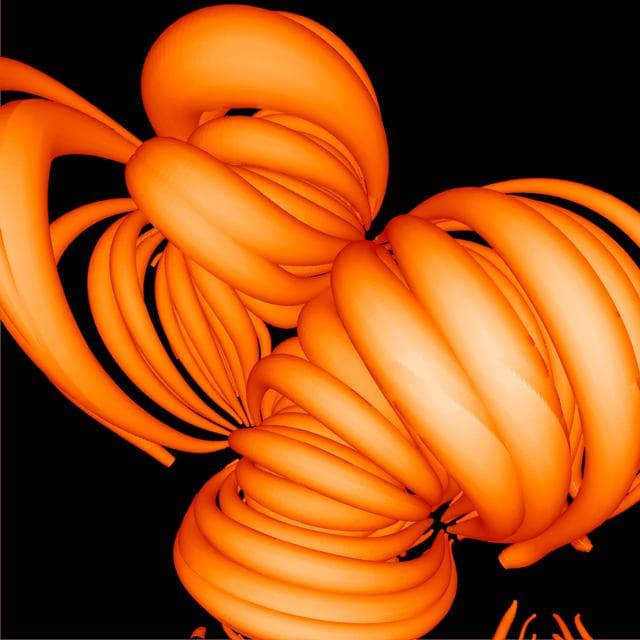
These banana-shaped loops are part of a computer-generated snapshot of our sun's magnetic field. The solar...
MSFC
Image
Sep 17, 2018
Emerging Coronal Hole
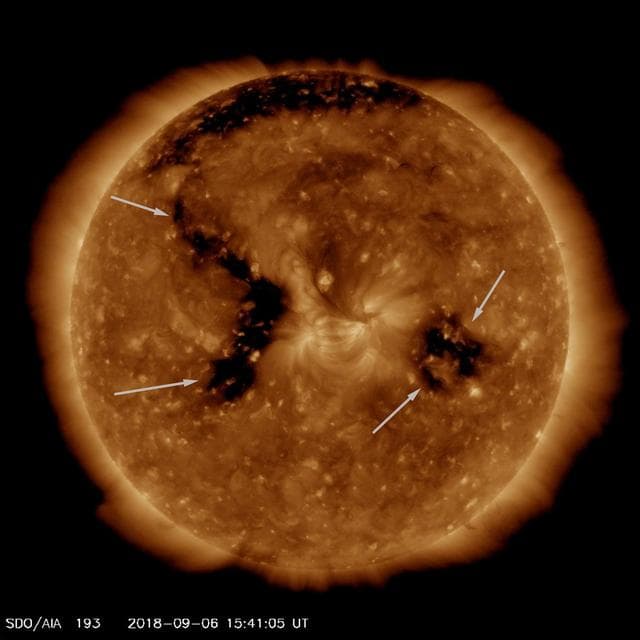
The Sun already featured one good-sized coronal hole, when another larger coronal hole began to emerge and intensify...
JPL
Image
Jan 1, 1973
Skylab
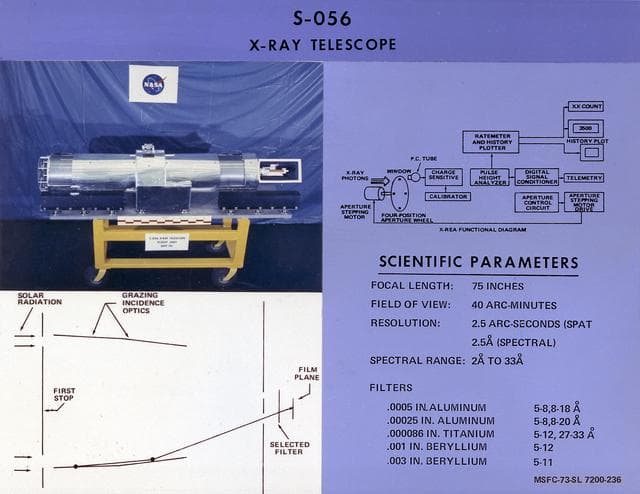
This chart details Skylab's Dual X-Ray Telescopes, one of eight Apollo Telescope Mount facilities. It was designed...
MSFC
Image
Sep 1, 1970
Skylab
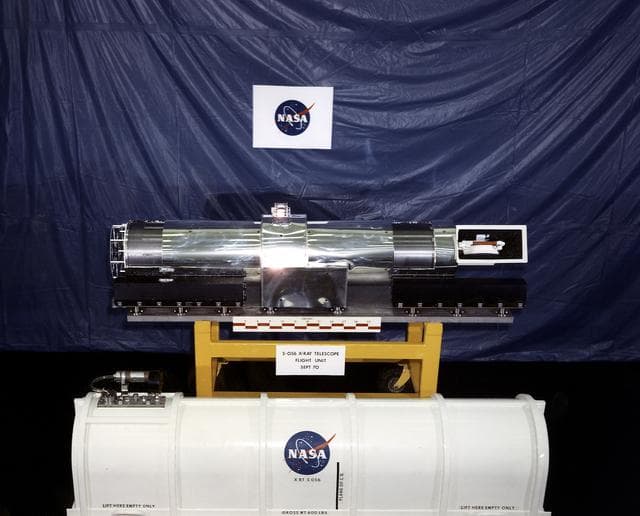
This 1970 photograph shows Skylab's Dual X-Ray Telescopes, an Apollo Telescope Mount facility. It was designed to...
MSFC

Image
Dec 8, 2017
NASA's SDO Observes Largest Sunspot of the Solar Cycle
On Oct. 18, 2014, a sunspot rotated over the left side of the sun, and soon grew to be the largest active region...
GSFC

Image
Dec 8, 2017
Two Coronal Holes on the Sun Viewed by SDO
NASA’s Solar Dynamics Observatory, or SDO, captured this solar image on March 16, 2015, which clearly shows two dark...
GSFC

Image
Dec 8, 2017
Giant Sunspot Erupts on October 24, 2014
Active region AR 12192 on the sun erupted with a strong flare on Oct. 24, 2014, as seen in the bright light of this...
GSFC

Image
Dec 8, 2017
Coronal Rain, Solar Storm
Explanation: In this picture, the Sun's surface is quite dark. A frame from a movie recorded on November 9th by the...
GSFC