Go for Launch
Soyuz 2.1a | Soyuz MS-29
Russian Federal Space Agency (ROSCOSMOS)
Countdown to launch
--
Days--
Hrs--
Min--
SecTuesday, July 14, 2026
21:47:00 UTC
About This Mission
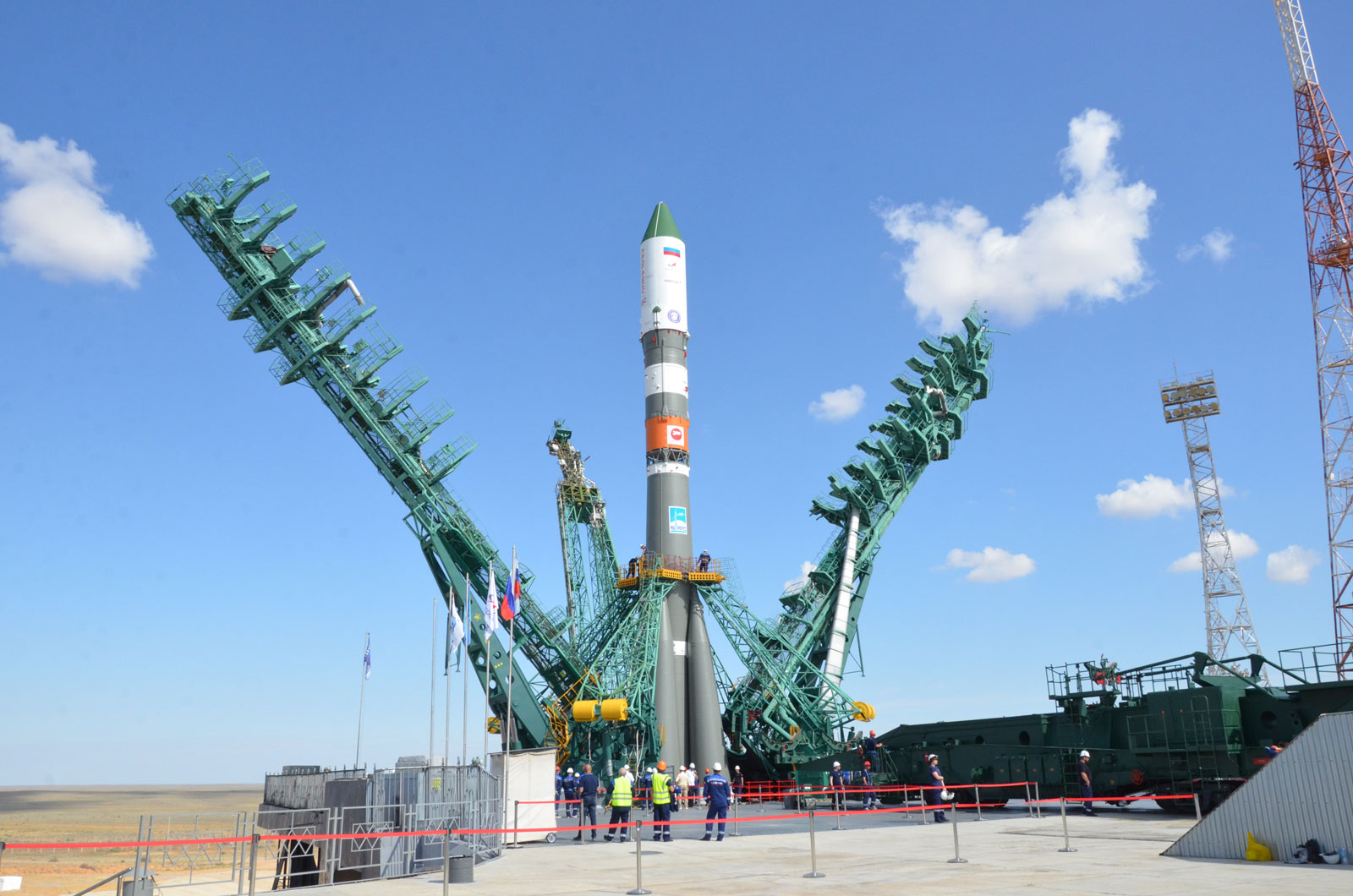
This Soyuz 2.1a mission by Russian Federal Space Agency (ROSCOSMOS) is scheduled to launch from Baikonur Cosmodrome, Republic of Kazakhstan. This human exploration mission targets Low Earth Orbit. The Soyuz rocket family has been instrumental in modern space access, representing decades of engineering refinement in propulsion, guidance systems, and structural design.
Every rocket launch involves precise coordination between the launch vehicle, payload, ground systems, and range safety. The launch window is carefully calculated based on orbital mechanics — for missions targeting the International Space Station, the window may be only seconds long, while interplanetary missions can have windows lasting weeks. Weather conditions, including upper-level winds, lightning risk, and cloud ceiling, are monitored up until the final moments before ignition. Space weather conditions from solar activity can also affect launch decisions, as high radiation levels may pose risks to satellite electronics.
For more launch information, visit the full launch schedule, track the International Space Station where many missions are headed, or browse launch photography in the NASA gallery.
Mission Details
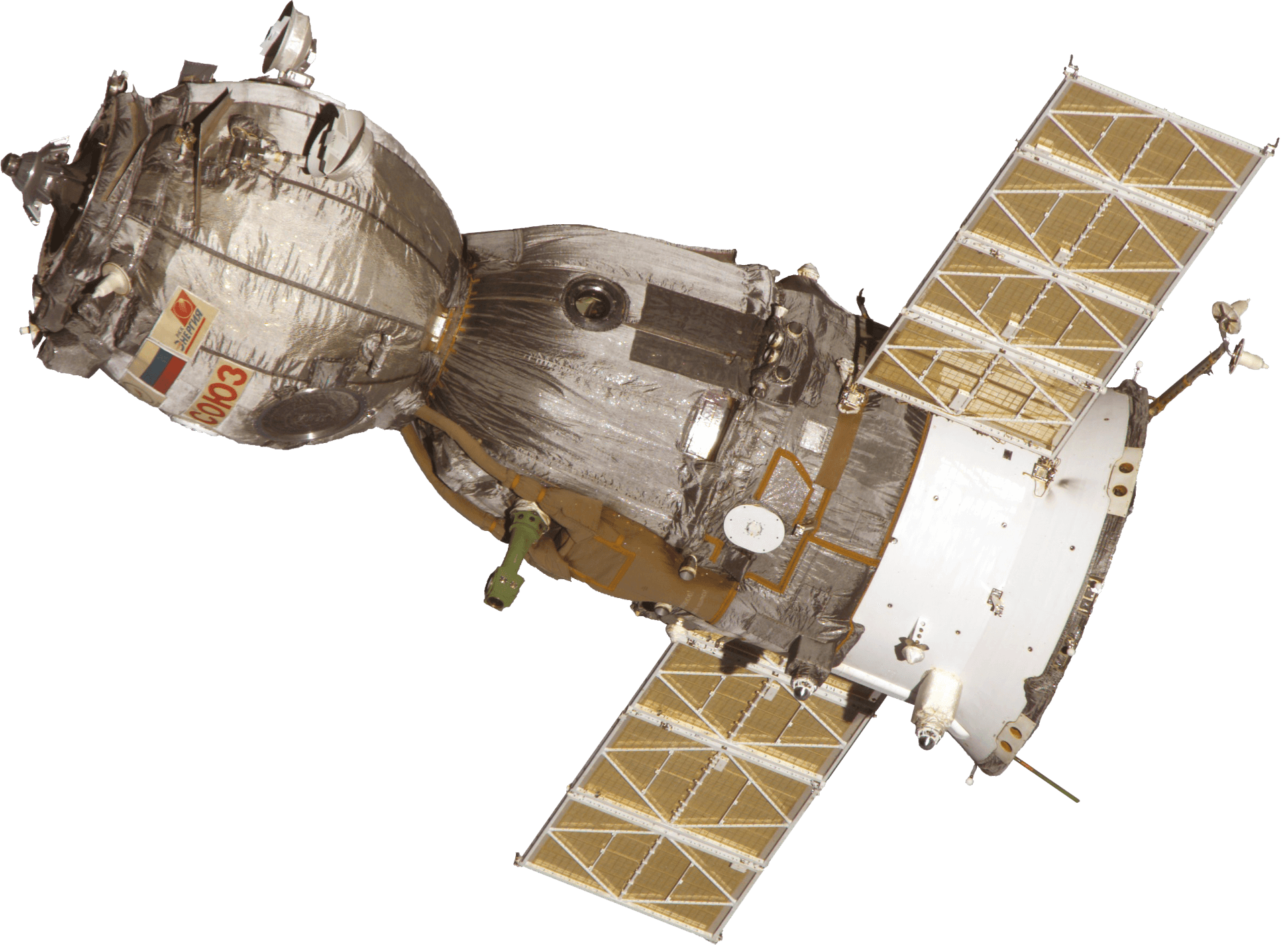
Soyuz MS-29 will carry three cosmonauts and one astronaut to the International Space Station aboard the Soyuz spacecraft from the Baikonur Cosmodrome in Kazakhstan. The crew consists of Roscosmos cosmonauts Pyotr Dubrov and Anna Kikina, as well as NASA astronaut Anil Menon.
Human ExplorationLow Earth Orbit
Rocket
Vehicle
Soyuz 2.1a
Family
Soyuz
Launch Window
Window Opens
Jul 14, 2026 21:47:00 UTC