NASA Gallery
Explore NASA's vast collection of space images, videos, and audio from missions past and present.
NASA's Image and Video Library: A Visual Archive of Space Exploration
NASA's Image and Video Library is one of the most comprehensive public archives of space imagery in the world, containing over 140,000 images, videos, and audio recordings spanning more than six decades of space exploration. From the earliest Mercury and Gemini missions through the Apollo Moon landings, the Space Shuttle era, and today's cutting-edge observations from the James Webb Space Telescope, this collection documents humanity's journey into the cosmos.
The library includes imagery from diverse sources: telescopes like Hubble and Webb that capture deep-space nebulae, galaxies, and exoplanets; planetary missions like the Mars rovers ( browse Mars photos) and Cassini at Saturn; Earth observation satellites ( see EPIC imagery); astronaut photography from the ISS; and documentation of rocket launches, spacecraft assembly, and ground testing. Most NASA images are in the public domain and free to download at full resolution for educational, editorial, and personal use.
Use the search bar above to find specific subjects — try queries like "Apollo 11," "Hubble Deep Field," "Mars surface," or "astronaut EVA." You can also filter by media type (image, video, or audio). For a daily curated experience, visit the Astronomy Picture of the Day.
Showing results for "Mars Exploration Rover MER"
2,321 results found - Page 1 of 97
Image
Jan 3, 2004
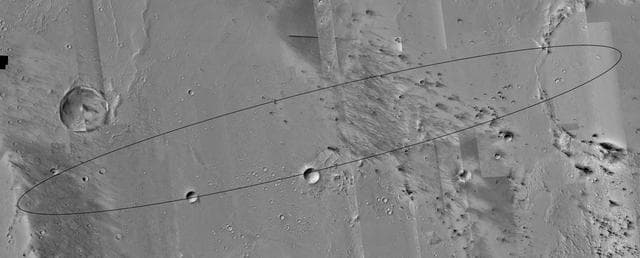
Mars Exploration Rover MER-A Spirit Landing Site
Mars Exploration Rover MER-A Spirit Landing Site
JPL
Image
Nov 7, 2003
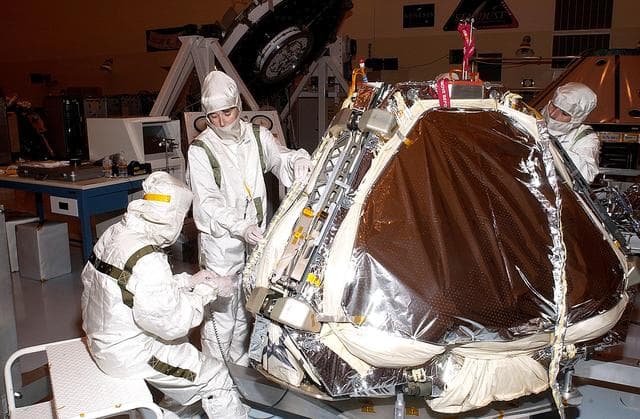
Air Bag Installation
Air bags are installed on the lander on Mars Exploration Rover 1 MER-1.
JPL
Image
Oct 30, 2003
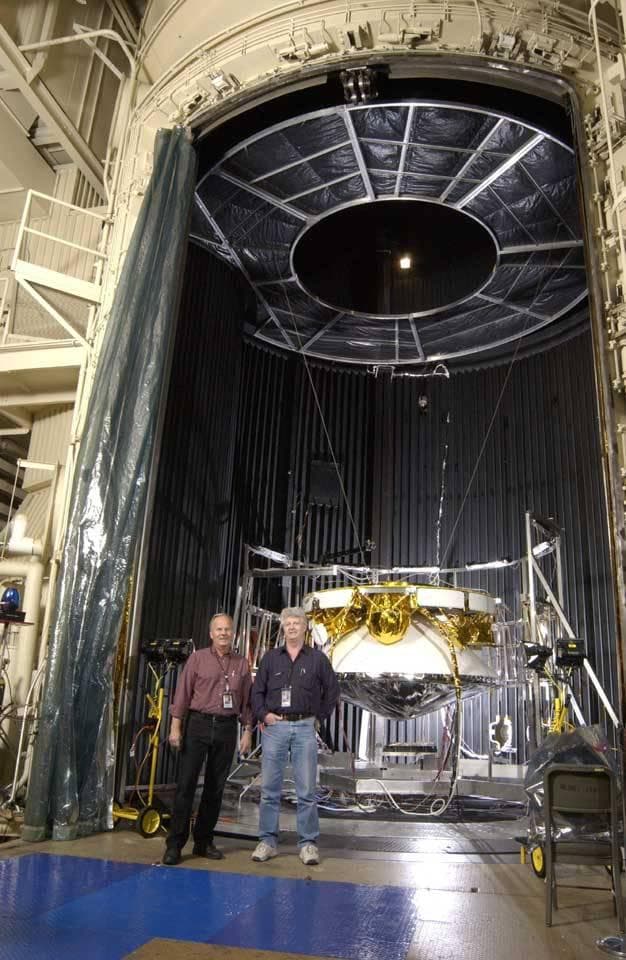
Mars Exploration Rover
Mars Exploration Rover MER spacecraft -- areoshell encapsulating the rover and lander plus cruise stage.
JPL
Image
Oct 30, 2003
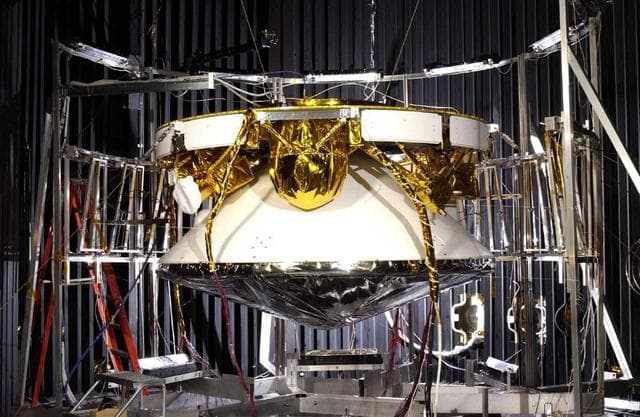
Mars Exploration Rover
Mars Exploration Rover MER spacecraft -- areoshell encapsulating the rover and lander plus cruise stage.
JPL
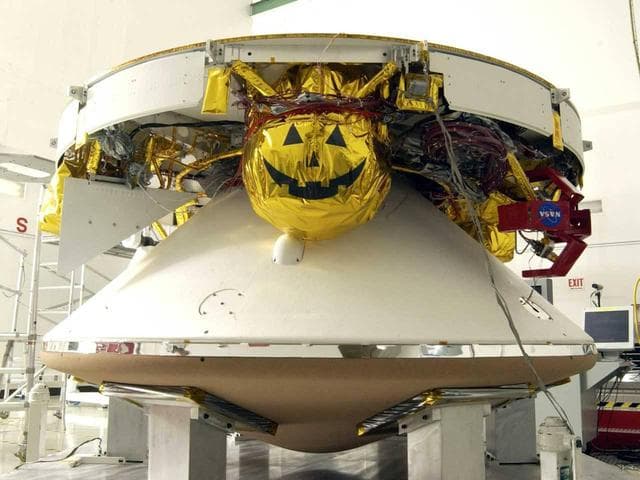
Image
Oct 30, 2003
Mars Exploration Rover
Mars Exploration Rover MER spacecraft -- areoshell encapsulating the rover and lander plus cruise stage.
JPL
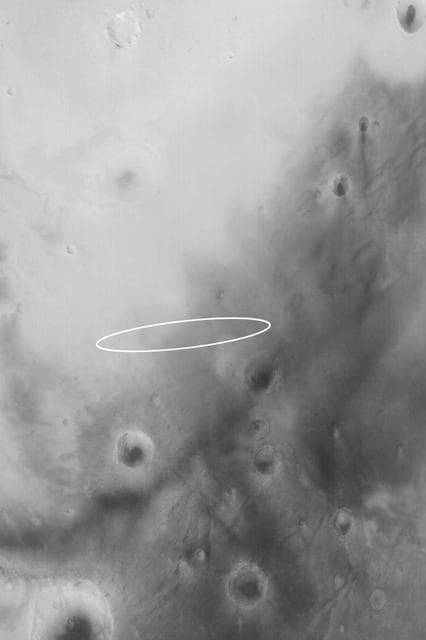
Image
Jan 24, 2004
Mars Exploration Rover MER-B Opportunity Landing Site
Mars Exploration Rover MER-B Opportunity Landing Site
JPL
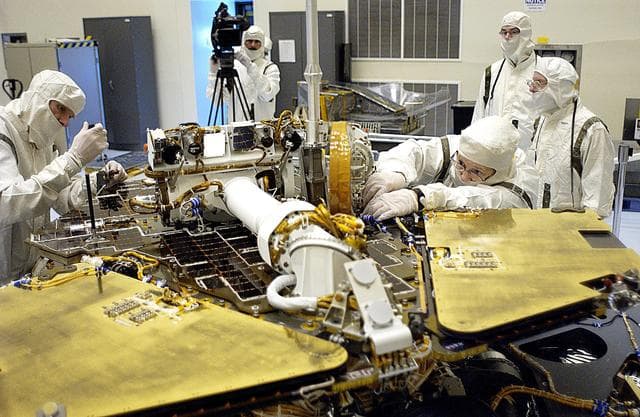
Image
Nov 7, 2003
Circuit Boards on Rover 2
In the Payload Hazardous Servicing Facility, technicians remove one of the circuit boards on the Mars Exploration...
JPL
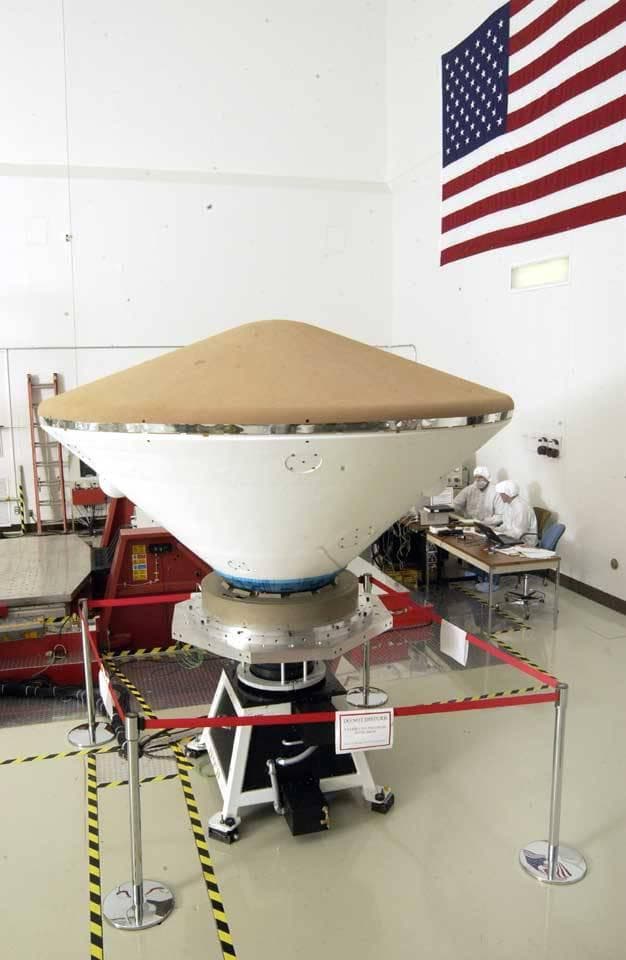
Image
Oct 30, 2003
Mars Exploration Rover
Mars Exploration Rover MER spacecraft. This image shows the aeroshell, which includes the backshell as well as the...
JPL
Image
Oct 30, 2003
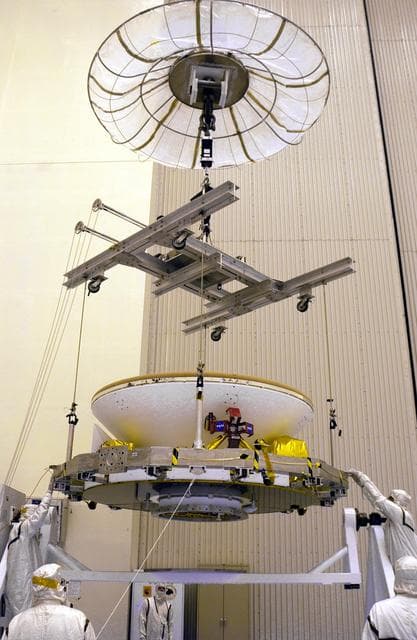
Crane Lowers Aeroshell
In the Payload Hazardous Servicing Facility, an overhead crane lowers the Mars Exploration Rover MER aeroshell...
JPL
Image
Nov 7, 2003
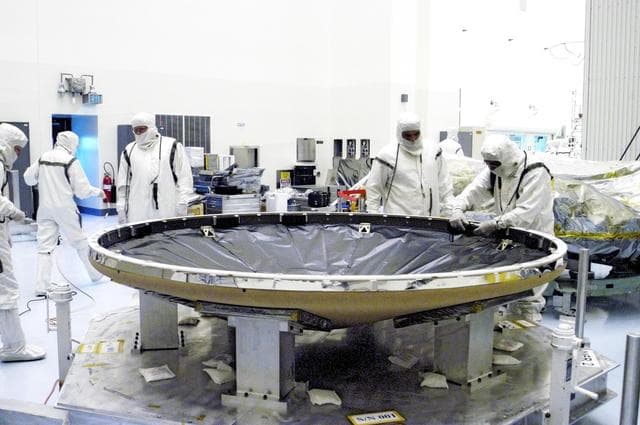
Heat Shield Preparation
Workers in the Payload Hazardous Servicing Facility prepare the heat shield that will be attached to the backshell,...
JPL
Image
Oct 30, 2003
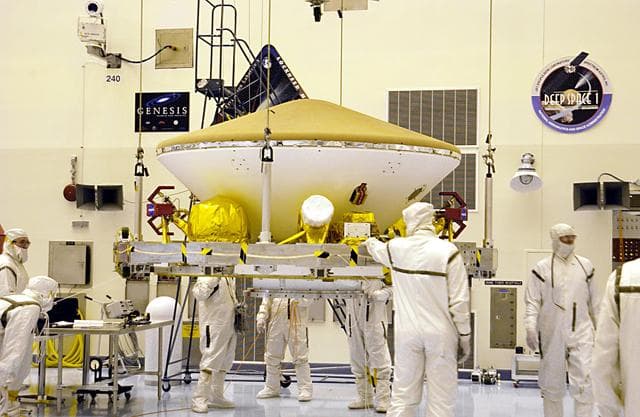
Closed Aeroshell
Suspended by an overhead crane in the Payload Hazardous Servicing Facility, the Mars Exploration Rover MER aeroshell...
JPL
Image
Nov 7, 2003
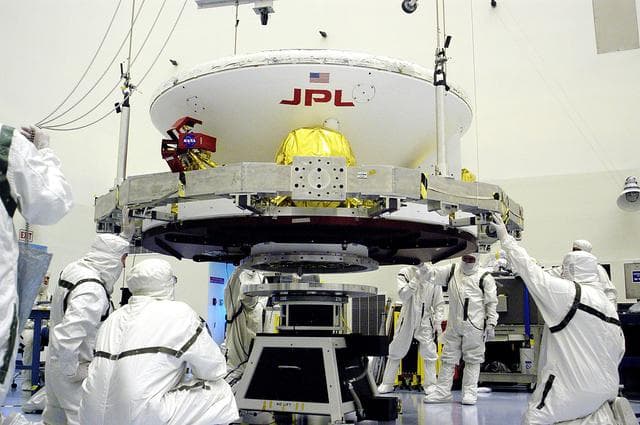
Preflight Processing
In the Payload Hazardous Servicing Facility, workers prepare to lift the Mars Exploration Rover-1 MER-B onto a spin...
JPL
Image
Nov 7, 2003
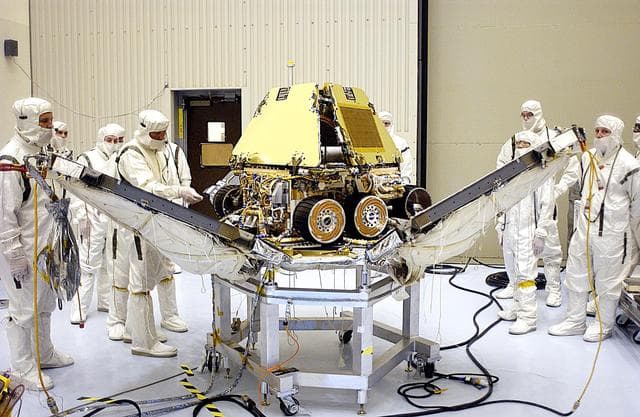
Lander Petals of Rover 2
In the Payload Hazardous Servicing Facility, technicians reopen the lander petals of the Mars Exploration Rover 2...
JPL
Image
Dec 21, 2002
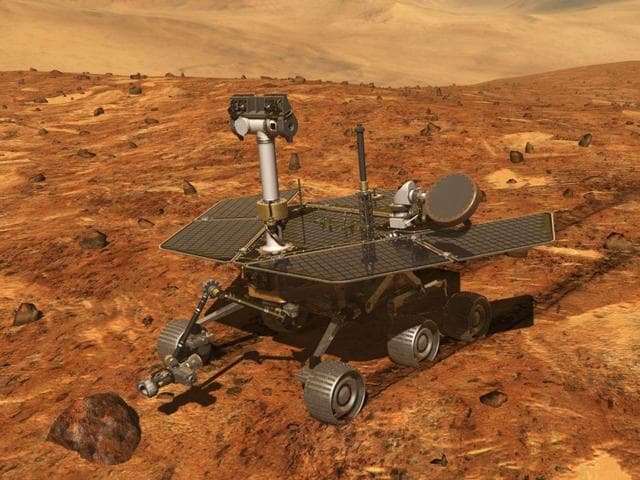
Artist Concept of Mars Exploration Rover
Artist concept of NASA Artist concept of Mars Exploration Rover MER from December, 2002....
JPL
Image
Dec 21, 2002
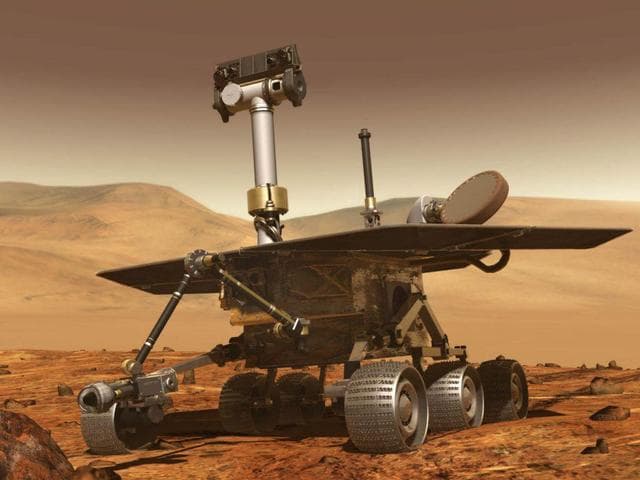
Artist Concept of Mars Exploration Rover
Artist concept of NASA Artist concept of Mars Exploration Rover MER from December, 2002....
JPL
Image
Nov 7, 2003
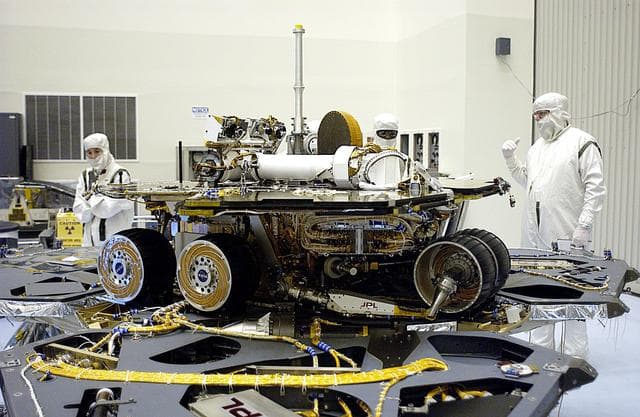
Rover 2
In the Payload Hazardous Servicing Facility, the lander petals of the Mars Exploration Rover 2 MER-2 have been...
JPL
Image
Jan 31, 2003
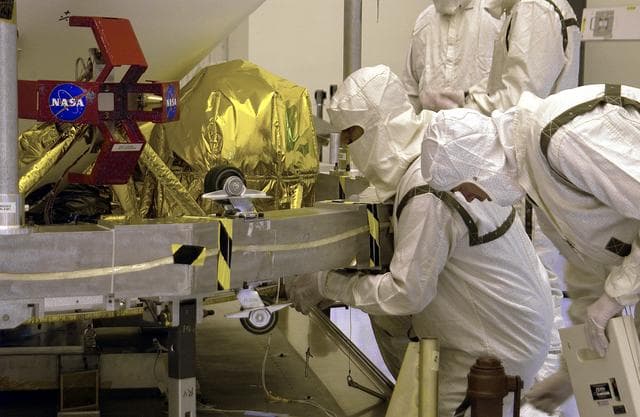
Mars Exploration Rover (MER) aeroshell
In the Payload Hazardous Servicing Facility, workers prepare the Mars Exploration Rover (MER) aeroshell for transfer...
KSC
Image
Mar 20, 2003
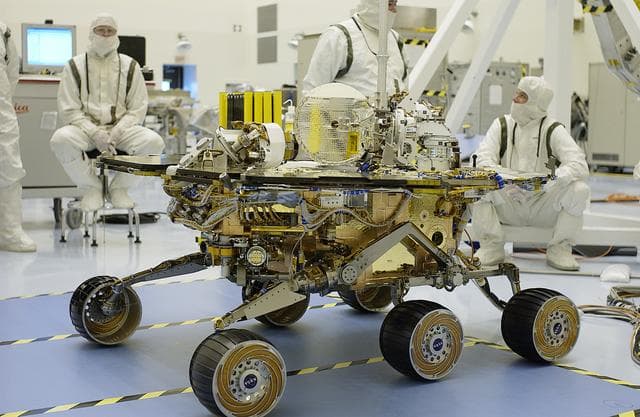
Mars Exploration Rover-2 (MER-2)
The solar arrays on the Mars Exploration Rover-2 (MER-2) are fully opened during a test in the Payload Hazardous...
KSC
Image
May 31, 2003
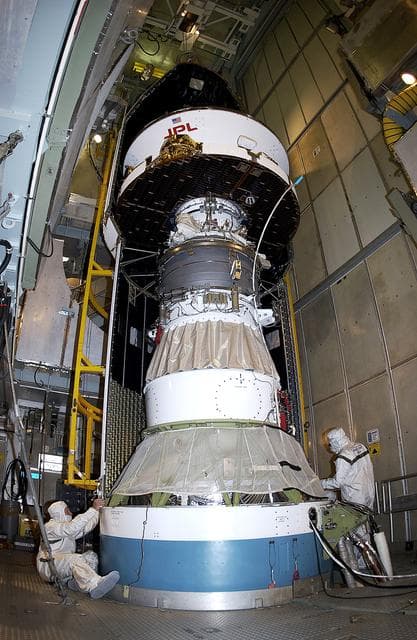
KENNEDY SPACE CENTER, FLA. - At Launch Complex 17-A, Cape Canaveral Air Force Station, the first half of the fairing for the Mars Exploration Rover 2 (MER-2) is installed around the Mars Exploration Rover 2 (MER-2). MER-2 is one of NASA's twin Mars Exploration Rovers designed to study the history of water on Mars. These robotic geologists are equipped with a robotic arm, a drilling tool, three spectrometers, and four pairs of cameras that allow them to have a human-like, 3D view of the terrain. Each rover could travel as far as 100 meters in one day to act as Mars scientists' eyes and hands, exploring an environment where humans can't yet go. MER-2 is scheduled to launch no earlier than June 8 as MER-A, with two launch opportunities each day during the launch period that closes on June 19.
KENNEDY SPACE CENTER, FLA. - At Launch Complex 17-A, Cape Canaveral Air Force Station, the first half of the fairing...
KSC
Image
May 31, 2003
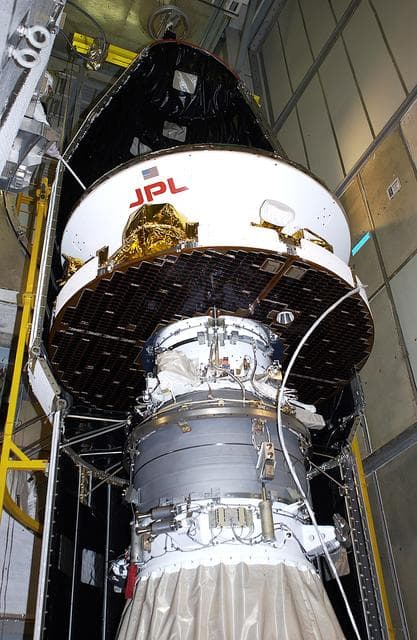
KENNEDY SPACE CENTER, FLA. - At Launch Complex 17-A, Cape Canaveral Air Force Station, the first half of the fairing for the Mars Exploration Rover 2 (MER-2) is installed around the Mars Exploration Rover 2 (MER-2). MER-2 is one of NASA's twin Mars Exploration Rovers designed to study the history of water on Mars. These robotic geologists are equipped with a robotic arm, a drilling tool, three spectrometers, and four pairs of cameras that allow them to have a human-like, 3D view of the terrain. Each rover could travel as far as 100 meters in one day to act as Mars scientists' eyes and hands, exploring an environment where humans can't yet go. MER-2 is scheduled to launch no earlier than June 8 as MER-A, with two launch opportunities each day during the launch period that closes on June 19.
KENNEDY SPACE CENTER, FLA. - At Launch Complex 17-A, Cape Canaveral Air Force Station, the first half of the fairing...
KSC
Image
May 23, 2003
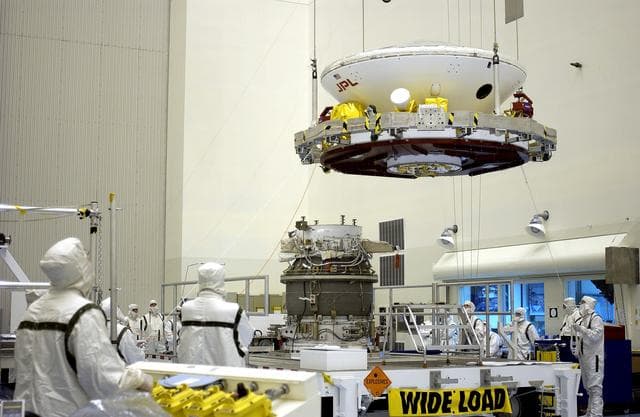
KENNEDY SPACE CENTER, FLA. - In the Payload Hazardous Servicing Facility, workers prepare to mate the Mars Exploration Rover-2 (MER-2) to the third stage of a Delta II rocket for launch on June 5. NASA’s twin Mars Exploration Rovers are designed to study the history of water on Mars. These robotic geologists are equipped with a robotic arm, a drilling tool, three spectrometers, and four pairs of cameras that allow them to have a human-like, 3D view of the terrain. Each rover could travel as far as 100 meters in one day to act as Mars scientists' eyes and hands, exploring an environment where humans can’t yet go. MER-1 (MER-B) will launch June 25.
KENNEDY SPACE CENTER, FLA. - In the Payload Hazardous Servicing Facility, workers prepare to mate the Mars...
KSC
Image
May 23, 2003
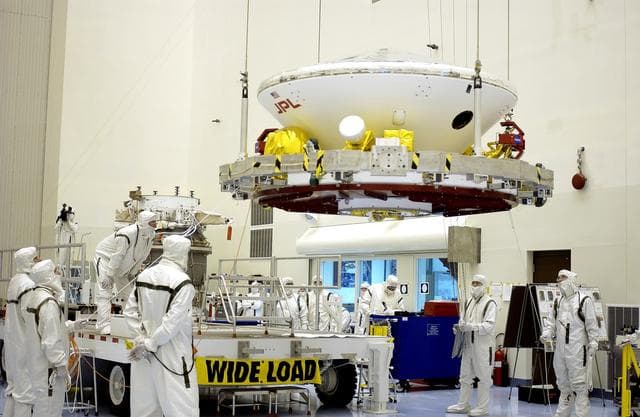
KENNEDY SPACE CENTER, FLA. - In the Payload Hazardous Servicing Facility, workers prepare to mate the Mars Exploration Rover-2 (MER-2) to the third stage of a Delta II rocket for launch on June 5. NASA’s twin Mars Exploration Rovers are designed to study the history of water on Mars. These robotic geologists are equipped with a robotic arm, a drilling tool, three spectrometers, and four pairs of cameras that allow them to have a human-like, 3D view of the terrain. Each rover could travel as far as 100 meters in one day to act as Mars scientists' eyes and hands, exploring an environment where humans can’t yet go. MER-1 (MER-B) will launch June 25.
KENNEDY SPACE CENTER, FLA. - In the Payload Hazardous Servicing Facility, workers prepare to mate the Mars...
KSC
Image
May 23, 2003
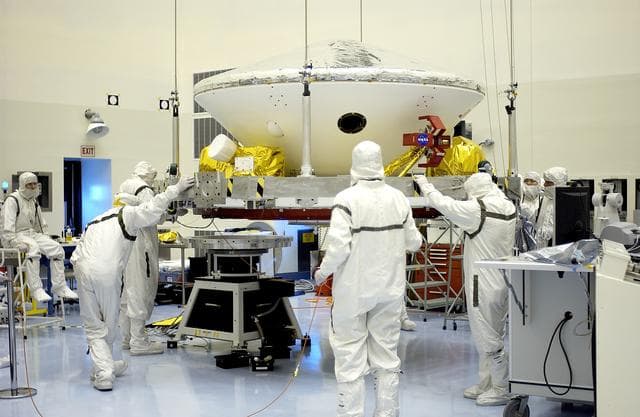
KENNEDY SPACE CENTER, FLA. - In the Payload Hazardous Servicing Facility, workers prepare to mate the Mars Exploration Rover-2 (MER-2) to the third stage of a Delta II rocket for launch on June 5. NASA’s twin Mars Exploration Rovers are designed to study the history of water on Mars. These robotic geologists are equipped with a robotic arm, a drilling tool, three spectrometers, and four pairs of cameras that allow them to have a human-like, 3D view of the terrain. Each rover could travel as far as 100 meters in one day to act as Mars scientists' eyes and hands, exploring an environment where humans can’t yet go. MER-1 (MER-B) will launch June 25.
KENNEDY SPACE CENTER, FLA. - In the Payload Hazardous Servicing Facility, workers prepare to mate the Mars...
KSC
Image
May 23, 2003
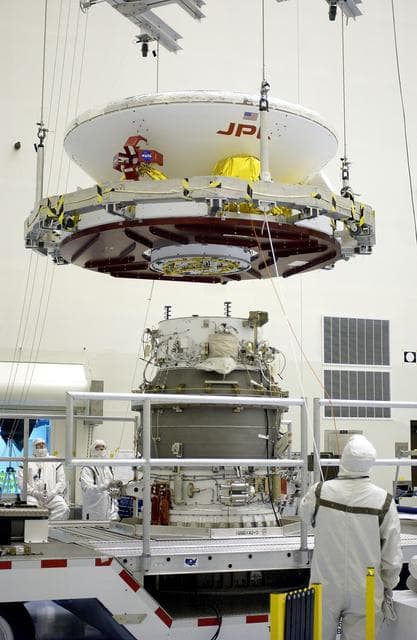
KENNEDY SPACE CENTER, FLA. - In the Payload Hazardous Servicing Facility, workers prepare to mate the Mars Exploration Rover-2 (MER-2) to the third stage of a Delta II rocket for launch on June 5. NASA’s twin Mars Exploration Rovers are designed to study the history of water on Mars. These robotic geologists are equipped with a robotic arm, a drilling tool, three spectrometers, and four pairs of cameras that allow them to have a human-like, 3D view of the terrain. Each rover could travel as far as 100 meters in one day to act as Mars scientists' eyes and hands, exploring an environment where humans can’t yet go. MER-1 (MER-B) will launch June 25.
KENNEDY SPACE CENTER, FLA. - In the Payload Hazardous Servicing Facility, workers prepare to mate the Mars...
KSC
Frequently Asked Questions About NASA Images
Are NASA images free to use?+
Yes, most NASA images are in the public domain and are free to use for educational, informational, and personal purposes. NASA's media usage guidelines state that NASA material is not copyrighted unless otherwise noted. However, the NASA logo and certain insignia are protected. Some images may include identifiable individuals or third-party content that requires additional permissions. Always check the specific image's usage rights and credit NASA as the source.
How many images does NASA have?+
NASA's Image and Video Library contains over 140,000 publicly accessible images, videos, and audio files spanning the agency's entire history, from the Mercury program of the 1960s to the latest James Webb Space Telescope discoveries. The collection grows daily as new missions capture imagery and archival materials are digitized. Individual mission archives, such as Mars rover photos, contain hundreds of thousands of additional images.
Can I download NASA images?+
Yes, you can download NASA images in multiple resolutions directly from this gallery. Each image detail page provides download links for original (full resolution), large (1920px), medium (960px), small (480px), and thumbnail sizes. NASA encourages the public to use these images for education, media, and personal projects. High-resolution originals are ideal for printing and professional use.