Image
Dec 11, 2017
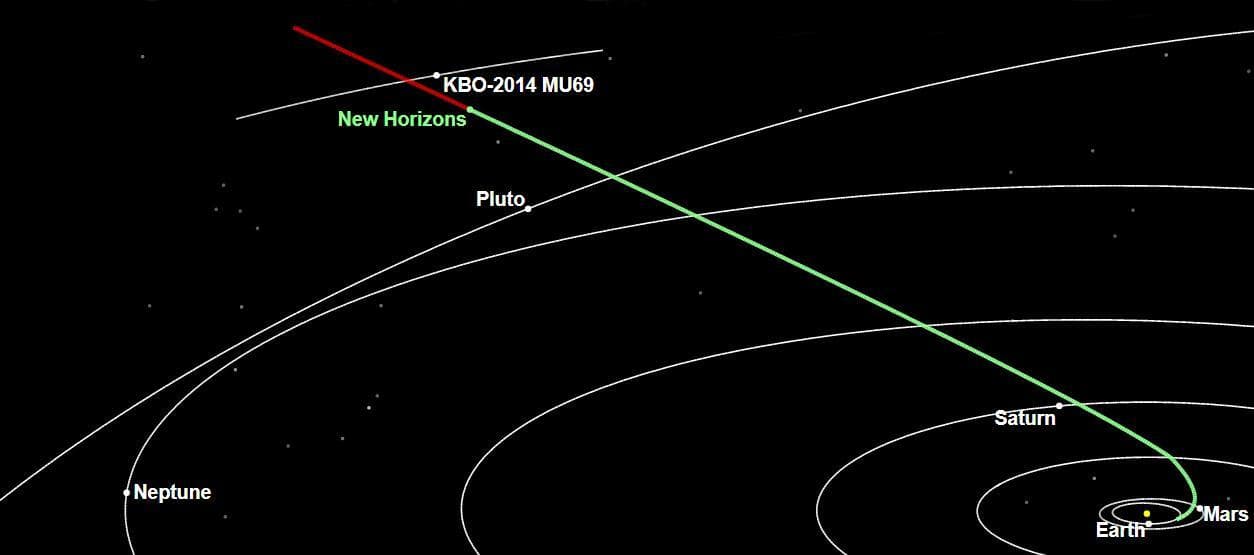
New Horizons Corrects Its Course in the Kuiper Belt
The New Horizons spacecraft is about 300 million miles (483 million kilometers) from 2014 MU69, the Kuiper Belt...
JPL
Image
Aug 3, 2017
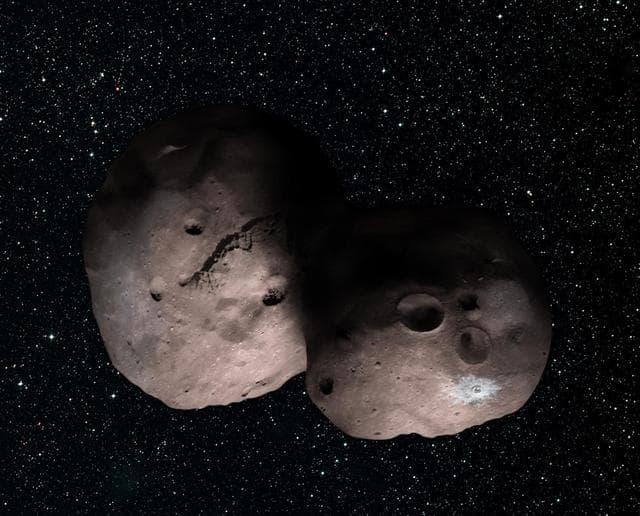
A Kuiper Belt Pair? Artist's Concept of 2014 MU69 as a Binary Object
This is one artist's concept of Kuiper Belt object 2014 MU69, the next flyby target for NASA's New Horizons mission....
JPL
Image
Aug 3, 2017
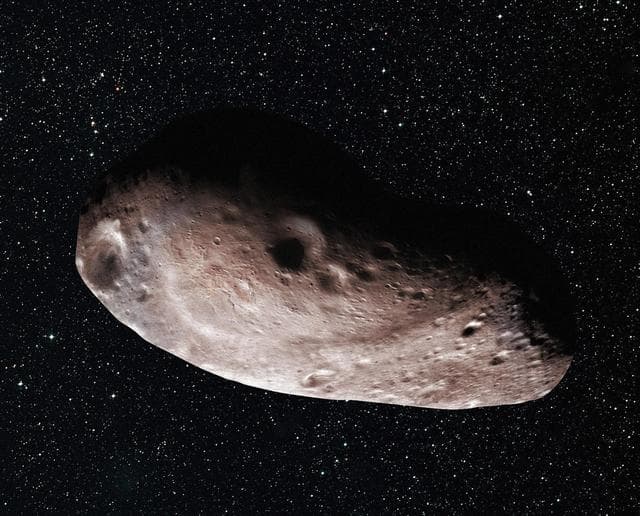
Artist's Concept of 2014 MU69 as a Single Object
Artist's concept of Kuiper Belt object 2014 MU69, which is the next flyby target for NASA's New Horizons mission....
JPL
Image
Jan 4, 2018
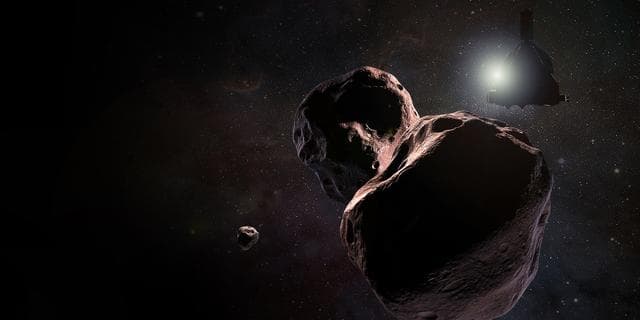
New Horizons Encountering 2014 MU69 (Artist's Impression)
Artist's impression of NASA's New Horizons spacecraft encountering 2014 MU69, a Kuiper Belt object that orbits one...
JPL
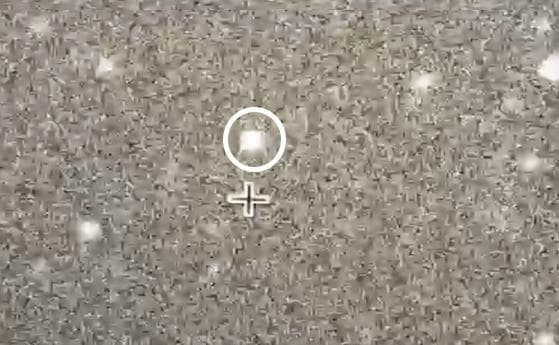
Image
Jul 19, 2017
Wink of a Star
NASA's New Horizons team trained mobile telescopes on an unnamed star (circled) from a remote area of Argentina on...
JPL

Image
Dec 8, 2017
NASA’s Hubble Telescope Finds Potential Kuiper Belt Targets for New Horizons Pluto Mission
This is an artist’s impression of a Kuiper Belt object (KBO), located on the outer rim of our solar system at a...
GSFC
Video
Jul 8, 2019
NASA ScienceCasts: Watch the History of our Solar System Fly By with MU69
Scientists are unlocking clues about the earliest formation of our solar system from a Kuiper Belt Object known as...
HQ

Video
Sep 17, 2017
Where is the Edge of the Solar System?
Where does the solar system end? It all depends on the criteria you are using. Based on where the planets end, you...
GSFC

Image
Aug 25, 2014
New Horizons Event: The First Mission to the Pluto System
Audience members view images of Neptune taken by Voyager while scientists discuss how the first images of Pluto and...
HQ
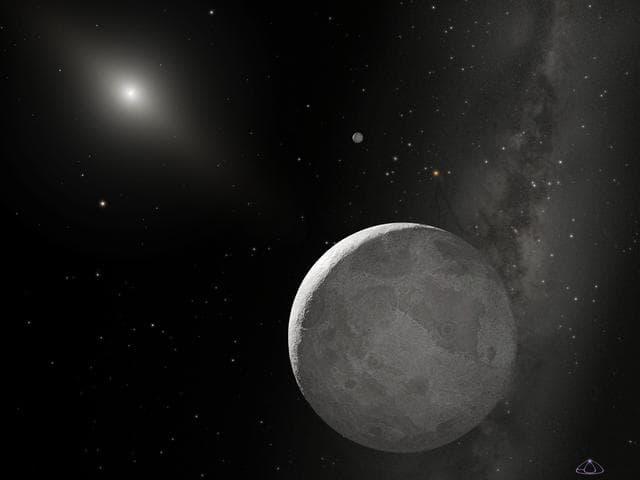
Image
Apr 11, 2006
Hubble Finds Tenth Planet is Slightly Larger than Pluto Artist Concept
This is an artist concept of Kuiper Belt object 2003 UB313 nicknamed Xena and its satellite Gabrielle. Xena is the...
JPL

Image
Aug 25, 2014
New Horizons Event: The First Mission to the Pluto System
Audience members view slides from a presentation by Dr. Jim Green, Dr. Ed Stone, and Dr. Alan Stern at the "New...
HQ

Image
Aug 25, 2014
New Horizons Event: The First Mission to the Pluto System
An audience member asks the panelists a question at the "New Horizons: The First Mission to the Pluto System and the...
HQ

Video
Jul 13, 2015
New Horizons Interview with Dennis Reuter
NASA's New Horizons spacecraft is speeding towards Pluto for the first-ever flyby on July 14, 2015. Scientists are...
GSFC
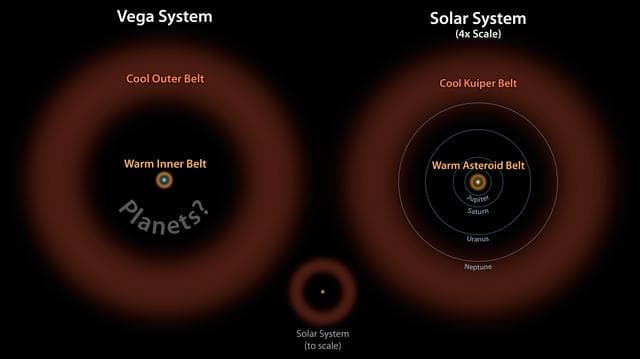
Image
Jan 8, 2013
Vega: Two Belts and the Possibility of Planets
In this diagram, the Vega system, which was already known to have a cooler outer belt of comets orange, is compared...
JPL
Image
Aug 25, 2014
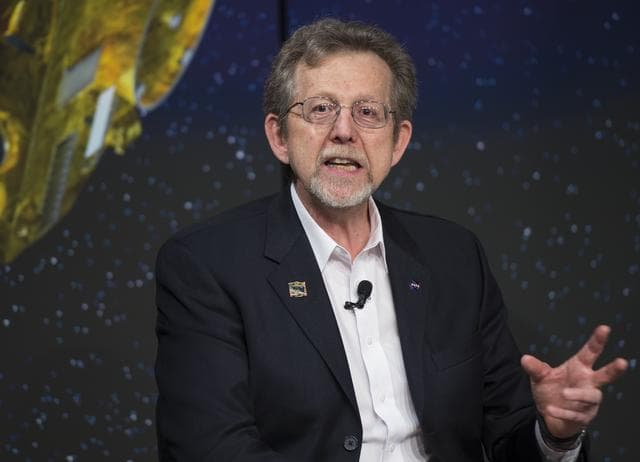
New Horizons Event: The First Mission to the Pluto System
Dr. Jim Green, Director of NASA’s Planetary Division, speaks on a panel at the "New Horizons: The First Mission to...
HQ
Image
Aug 25, 2014
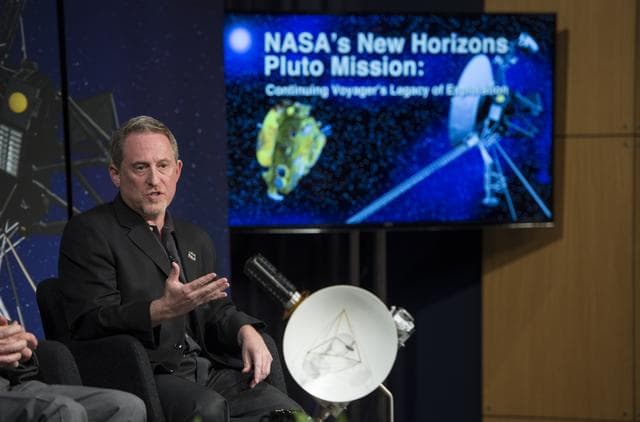
New Horizons Event: The First Mission to the Pluto System
Dr. Alan Stern, New Horizons principal investigator, speaks on a panel at the "New Horizons: The First Mission to...
HQ

Image
Aug 25, 2014
New Horizons Event: The First Mission to the Pluto System
Dr. Ed Stone, Voyager project scientist, speaks on a panel at the "New Horizons: The First Mission to the Pluto...
HQ
Image
Mar 29, 2011
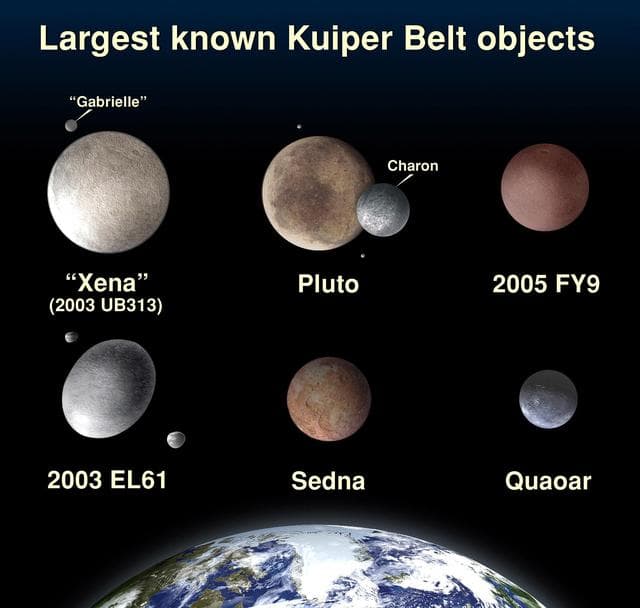
Transneptunian Object Sizes Artist Concept
These artist concepts show some of the best known objects found outside Neptune orbit. Included are Pluto and fellow...
JPL
Image
Aug 25, 2014
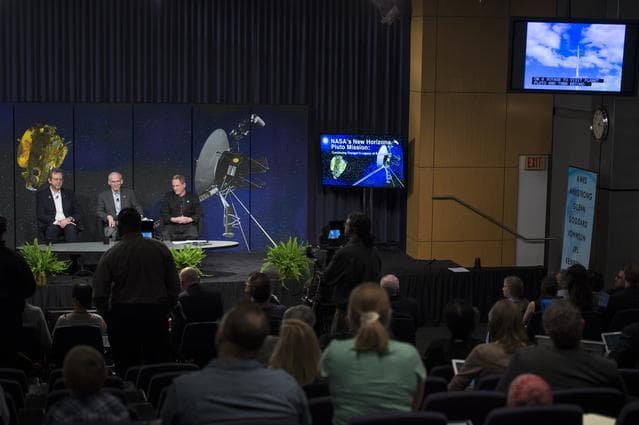
New Horizons Event: The First Mission to the Pluto System
Dr. Jim Green, Dr. Ed Stone, and Dr. Alan Stern speak on a panel at the "New Horizons: The First Mission to the...
HQ
Image
Aug 25, 2014
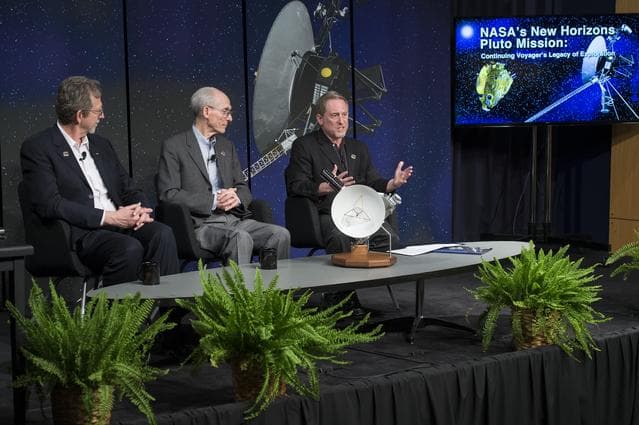
New Horizons Event: The First Mission to the Pluto System
Dr. Jim Green, Dr. Ed Stone, and Dr. Alan Stern speak on a panel at the "New Horizons: The First Mission to the...
HQ
Image
May 18, 2016
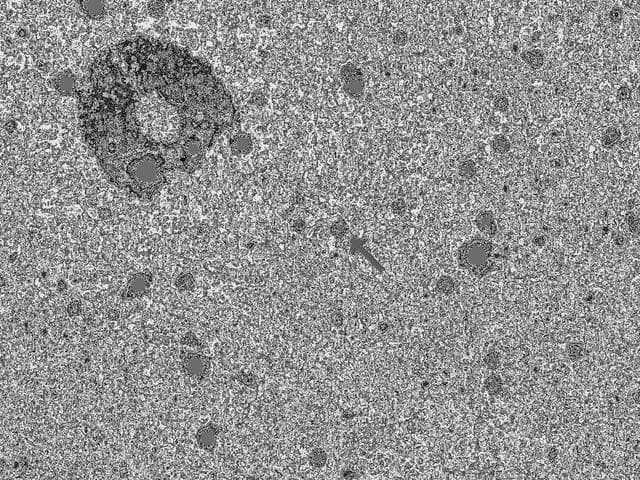
New Horizons Collects First Science on a Post-Pluto Object
In April 2016, NASA New Horizons spacecraft observed 1994 JR1, a 90-mile 145-kilometer wide Kuiper Belt object KBO...
JPL
Image
Sep 14, 2017
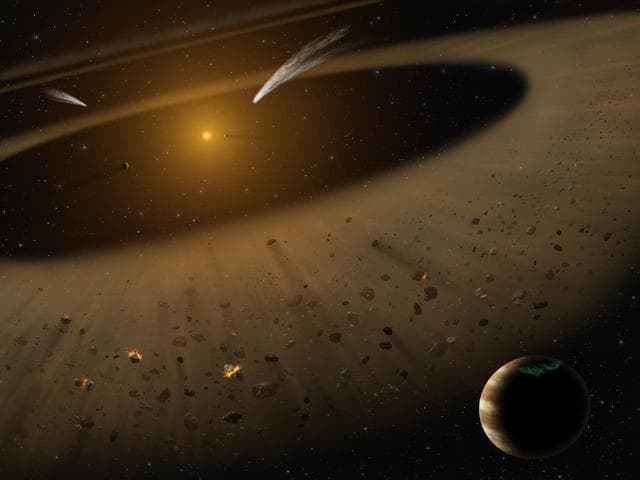
Epsilon Eridani Inner Asteroid Belt
SCI2017_0004: Artist's illustration of the Epsilon Eridani system showing Epsilon Eridani b, right foreground, a...
ARC
Image
Mar 3, 2016
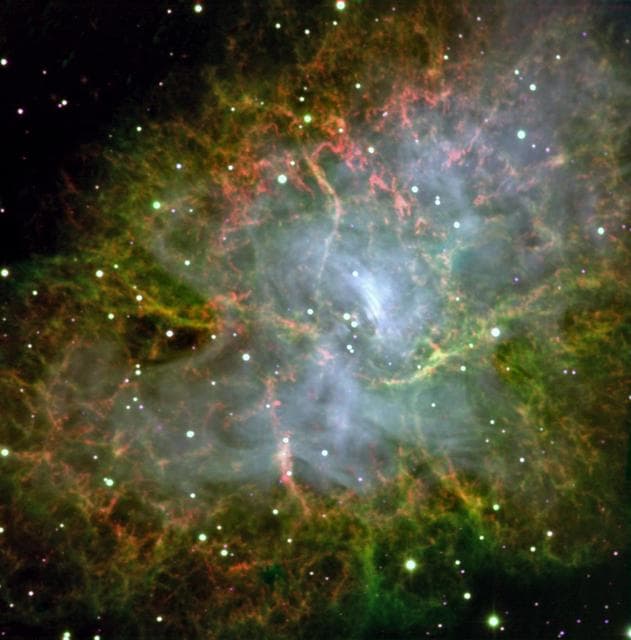
Versatile Instrument to Scout for Kuiper Belt Objects
This image of the Crab Pulsar was taken with CHIMERA, an instrument at the Palomar Observatory, which is operated by...
JPL

Video
Dec 6, 2005
KSC-05-S-00310
What is the surface of Pluto like? How cold does it get on that planet farthest from the sun? What objects are in...
KSC