Image
Nov 4, 1997
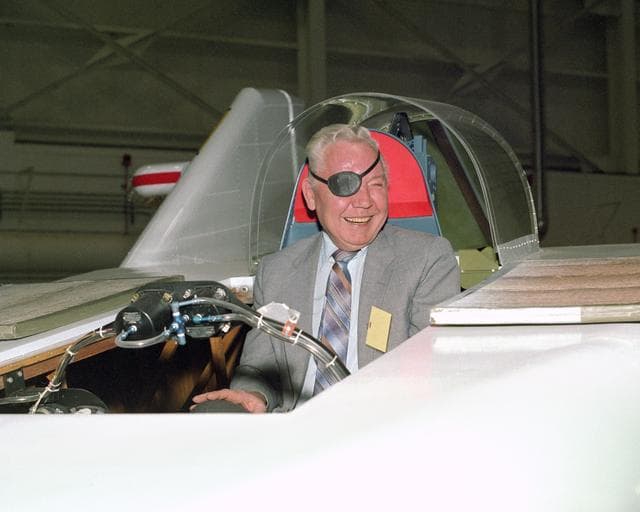
NASA Pilot Bruce Peterson in the cockpit of the restored M2-F1 Lifting Body.
NASA Pilot Bruce Peterson in the cockpit of the restored M2-F1 Lifting Body.
AFRC
Image
Sep 22, 1966
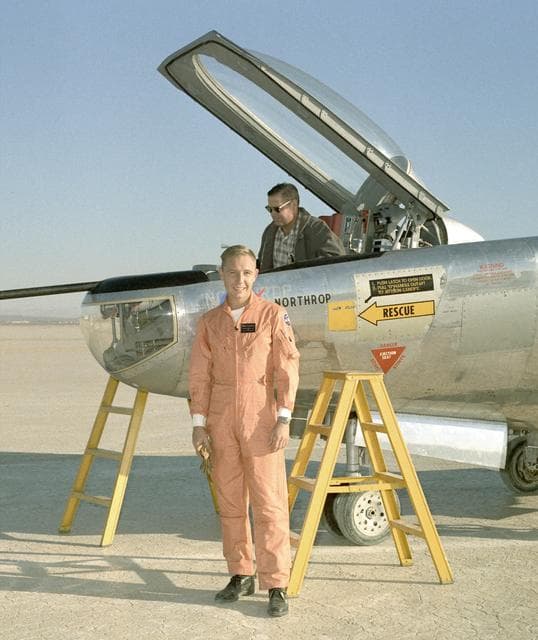
M2-F2 with test pilot Bruce A. Peterson
Bruce A. Peterson standing beside the M2-F2 lifting body on Rogers Dry Lake. Peterson became the NASA project pilot...
AFRC
Image
Oct 24, 1963
EC63-00221
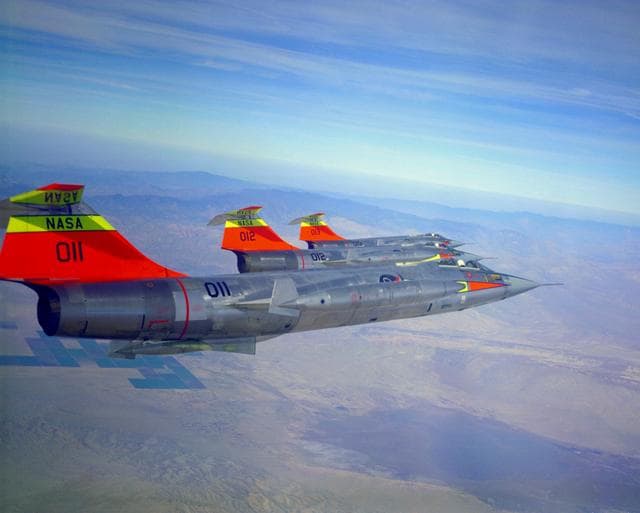
All three NASA F-104N's fly in formation. Aircraft numbers 011, 012 and 013. These would be changed to 811, 812 and...
AFRC
Image
Apr 13, 1967
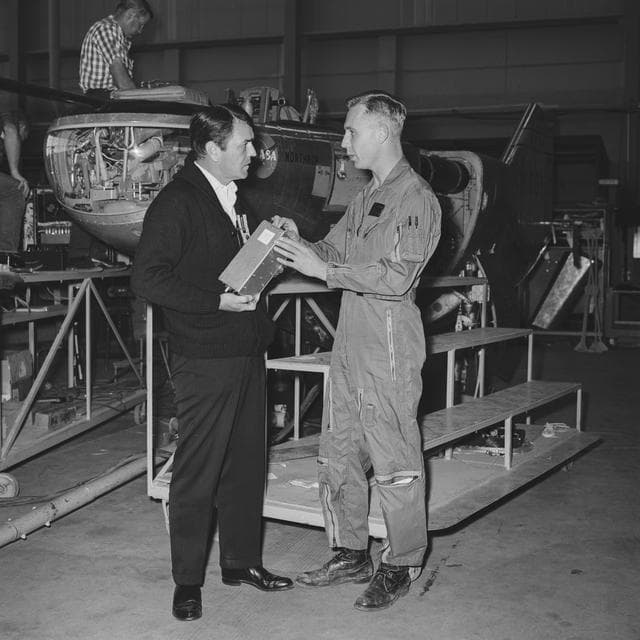
Star Trek Cast and Crew Visit NASA Dryden in 1967
The 1960s Star Trek television series’ cast members visit NASA Dryden Flight Research Center, now called...
AFRC
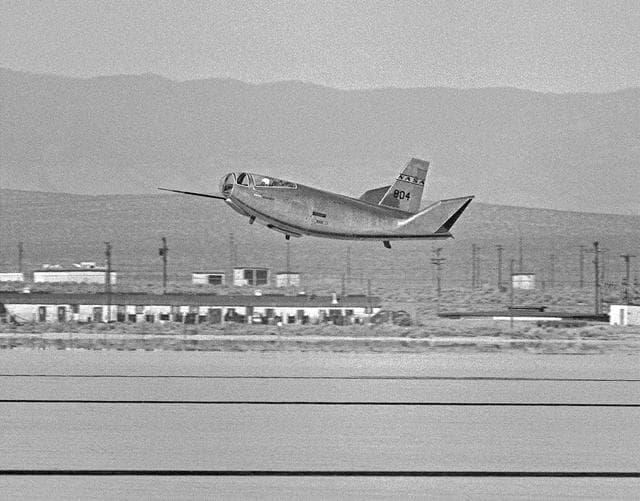
Image
Dec 22, 1966
E-16207
The HL-10 Lifting Body completes its first research flight with a landing on Rogers Dry Lake at Edwards AFB,...
AFRC
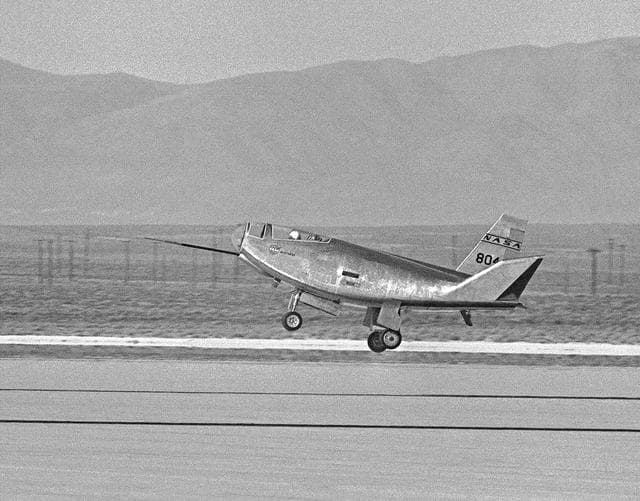
Image
Dec 22, 1966
E-16211
The HL-10 Lifting Body completes its first research flight with a landing on Rogers Dry Lake. Due to control...
AFRC
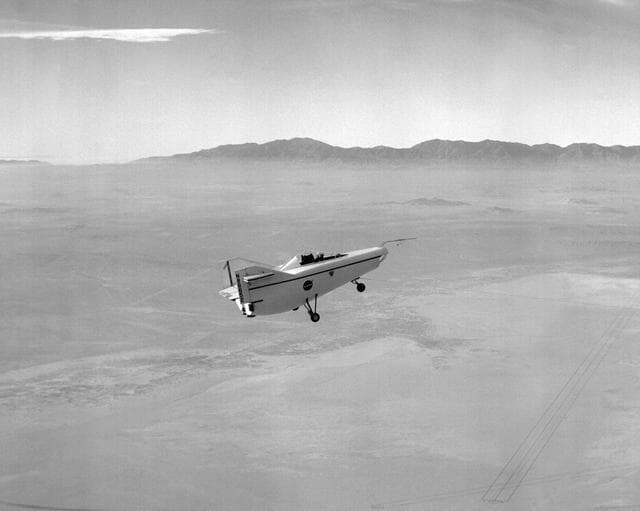
Image
Aug 30, 1963
M2-F1 in flight over lakebed on tow line
Following the first M2-F1 airtow flight on 16 August 1963, the Flight Research Center used the vehicle for both...
AFRC
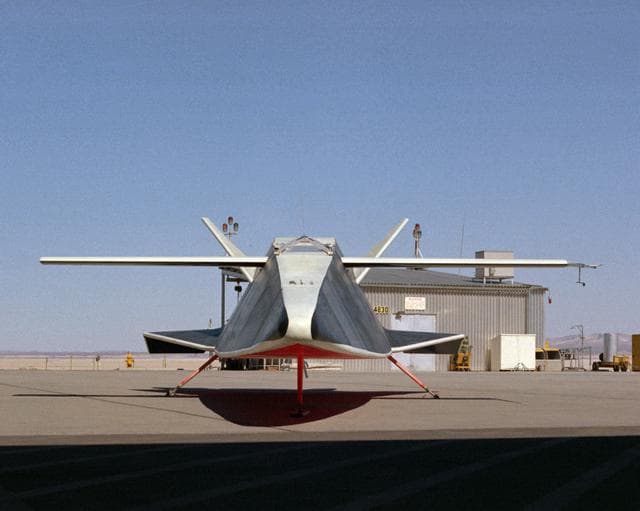
Image
Sep 10, 1969
ECN-2301
The Hyper III was a low-cost test vehicle for an advanced lifting-body shape. Like the earlier M2-F1, it was a...
AFRC
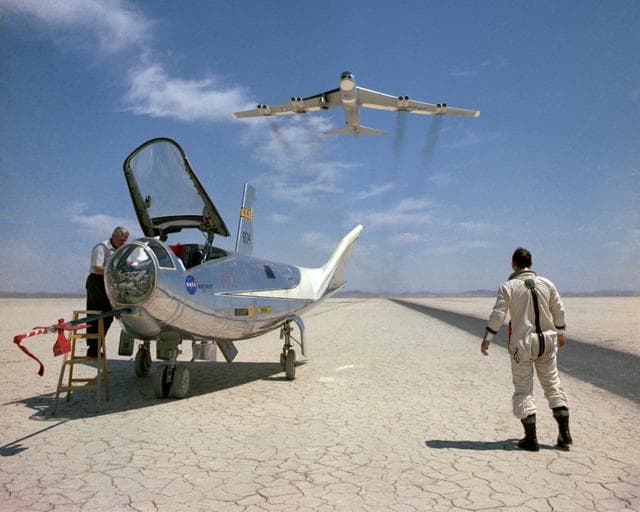
Image
May 20, 1969
NASA research pilot Bill Dana takes a moment to watch NASA's NB-52B cruise overhead after a research flight in the HL-10. On the left, John Reeves can be seen at the cockpit of the lifting body
The HL-10 was one of five heavyweight lifting-body designs flown at NASA's Flight Research Center (FRC--later Dryden...
AFRC
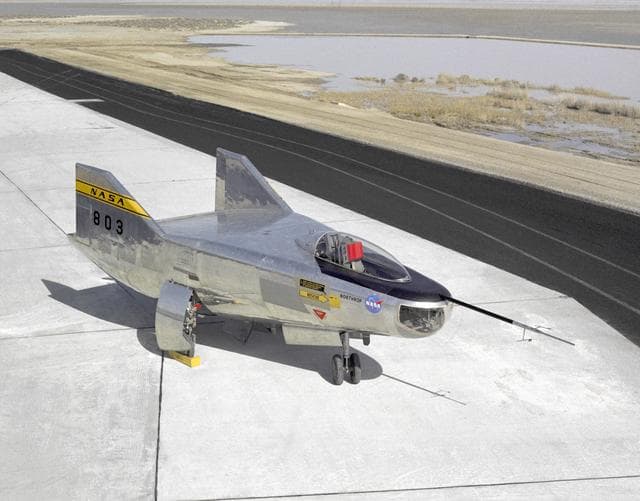
Image
Feb 24, 1966
M2-F2 on ramp
The M2-F2 Lifting Body is seen here on the ramp at the NASA Dryden Flight Research Center. The success of Dryden's...
AFRC
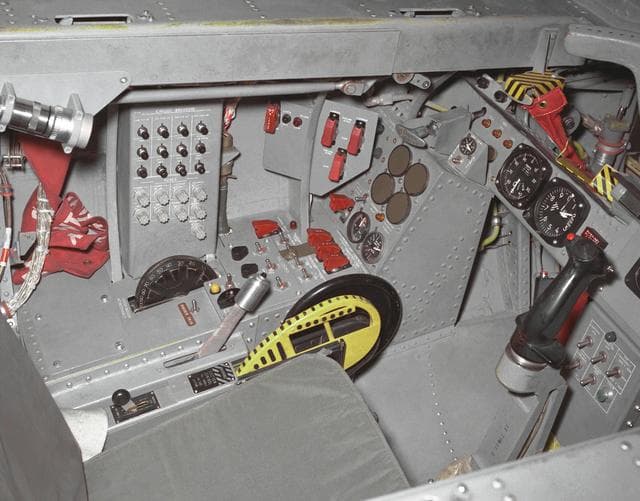
Image
Mar 27, 1966
M2-F2 cockpit instrument panels
This photo shows the left side cockpit instrumentation panel of the M2-F2 Lifting Body. The success of Dryden's...
AFRC
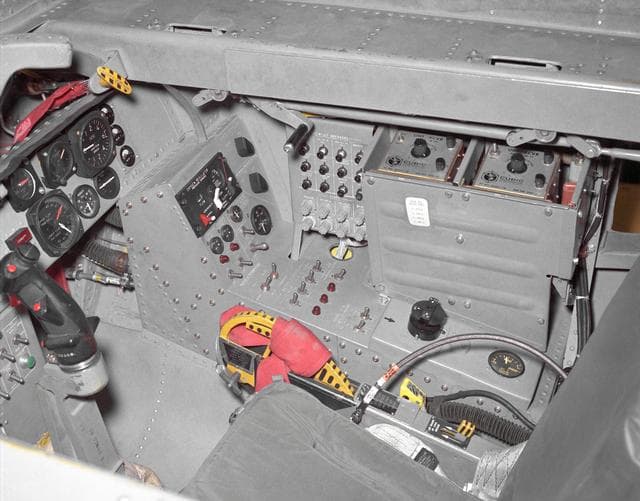
Image
Mar 27, 1966
M2-F2 cockpit instrument panels
This photo shows the right side cockpit instrumentation panel of the M2-F2 Lifting Body. The success of Dryden's...
AFRC
Image
Nov 17, 1969
EC69-2346
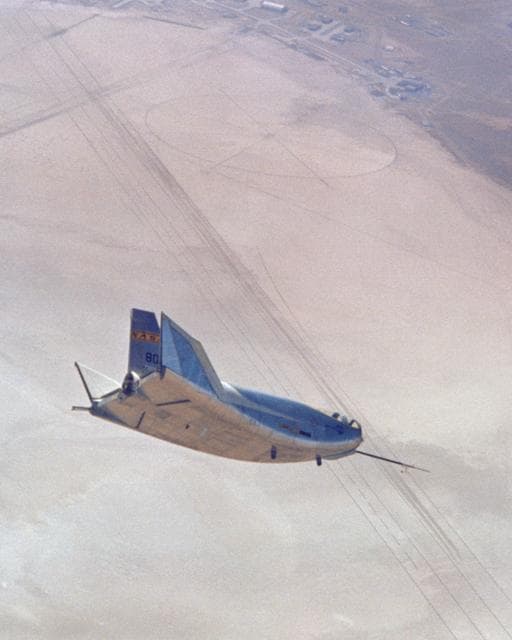
This photo shows the HL-10 in flight, turning to line up with lakebed runway 18. The pilot for this flight, the 29th...
AFRC
Image
Apr 25, 1969
E-20168
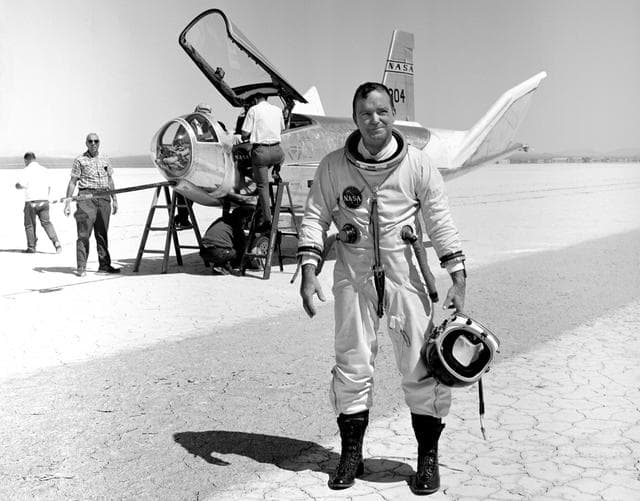
NASA research pilot Bill Dana stands in front of the HL-10 Lifting Body following his first glide flight on April...
AFRC
Image
Jun 12, 1968
ECN-2064
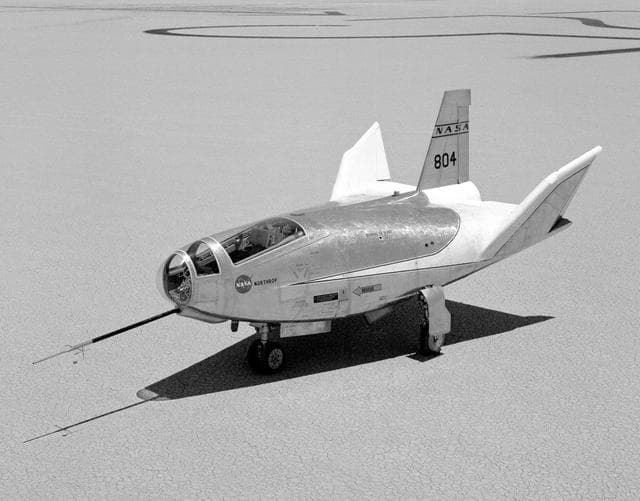
The HL-10 Lifting Body is seen here parked on Rogers Dry Lake, the unique location where it landed after research...
AFRC
Image
Jun 4, 1968
E-18900
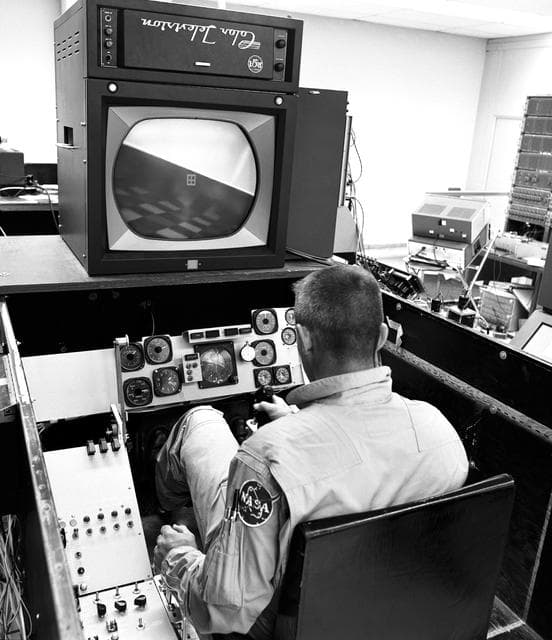
As shown in this photo of the HL-10 flight simulator, the lifting-body pilots and engineers made use of early...
AFRC
Image
Dec 20, 1972
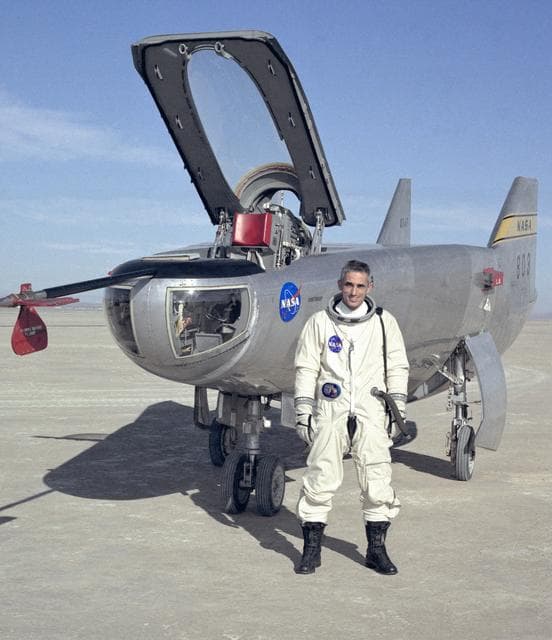
M2-F3 with test pilot John A. Manke
NASA research pilot John A. Manke is seen here in front of the M2-F3 Lifting Body. Manke was hired by NASA on May...
AFRC
Image
May 27, 1966
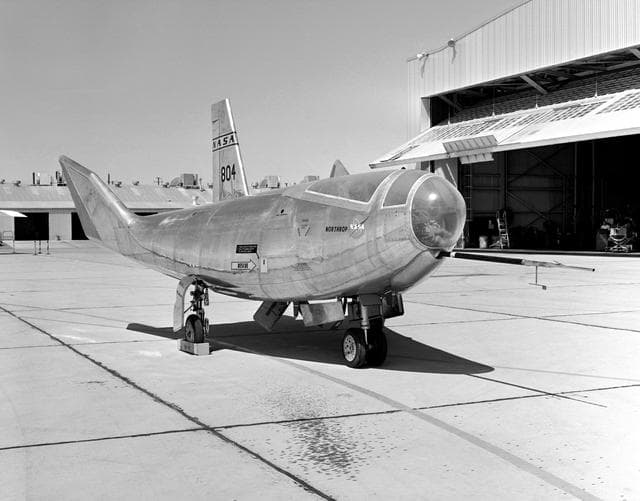
E-14969
The HL-10, seen here parked on the ramp, was one of five lifting body designs flown at NASA's Dryden Flight Research...
AFRC
Image
Aug 6, 1969
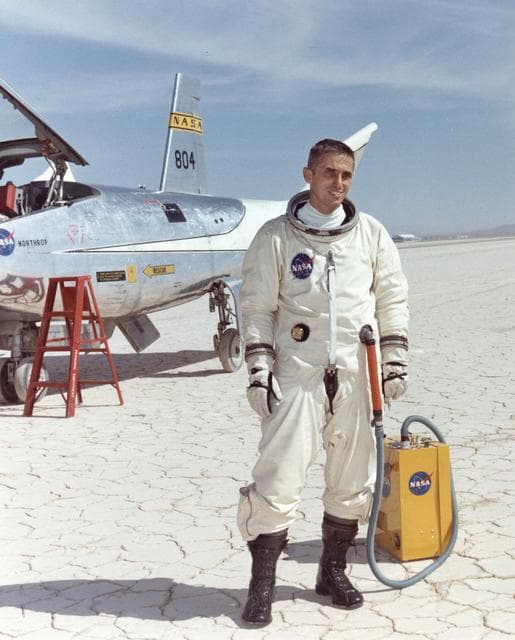
EC69-2247
John Manke is shown here on the lakebed next to the HL-10, one of four different lifting-body vehicles he flew,...
AFRC
Image
Mar 6, 1967
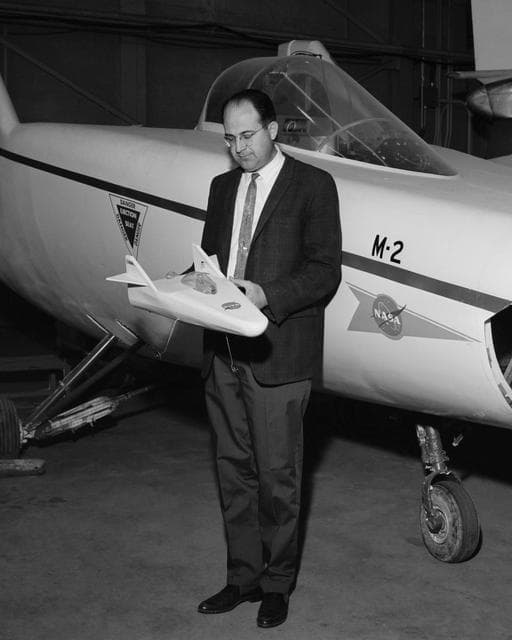
Dale Reed with model in front of M2-F1
Dale Reed with a model of the M2-F1 in front of the actual lifting body. Reed used the model to show the potential...
AFRC
Image
Nov 5, 1963
E-10598
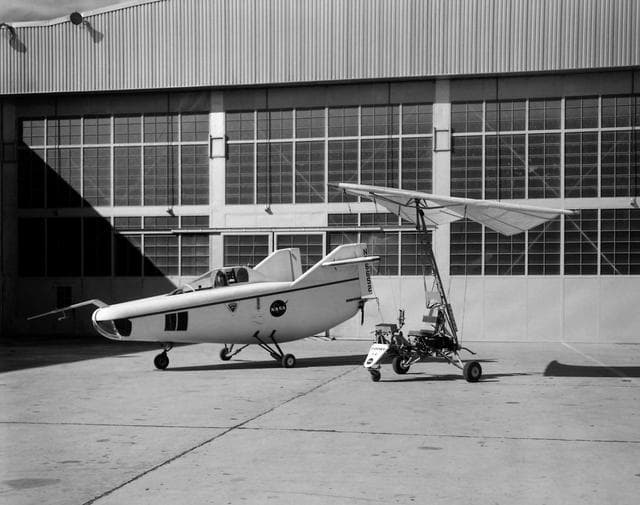
In this photo of the M2-F1 lifting body and the Paresev 1B on the ramp, the viewer sees two vehicles representing...
AFRC