CosmosObservatory
Explore
Solar System
Live
Learn
Tools
About
Cosmos Observatory
ToolsAbout
Cosmos Observatory

Explore the universe through NASA data, real-time ISS tracking, Mars rover imagery, asteroid monitoring, and comprehensive space encyclopedia. Your gateway to the cosmos.

Explore

  • APOD
  • Mars Rovers
  • Earth Imagery
  • NASA Gallery
  • ISS Tracker

Data

  • Asteroids
  • Solar System
  • Exoplanets
  • Space Weather
  • Launches

Tools

  • Glossary
  • News
  • Calculators

Legal

  • About
  • Privacy Policy
  • Terms of Use
  • Space Tools
  • Contact

Stay updated with the cosmos

Get weekly digests of APOD highlights, upcoming launches, and space events.

© 2026 Cosmos Observatory. All rights reserved. Built with for space enthusiasts.

This website is not affiliated with, maintained, authorized, endorsed by, or in any way officially connected with NASA or any of its subsidiaries or affiliates. All NASA imagery is in the public domain unless otherwise noted. Data sourced from NASA Open APIs, Launch Library 2, and other open data services.

NASA Gallery

Explore NASA's vast collection of space images, videos, and audio from missions past and present.

  1. Home
  2. /
  3. NASA Gallery

NASA's Image and Video Library: A Visual Archive of Space Exploration

NASA's Image and Video Library is one of the most comprehensive public archives of space imagery in the world, containing over 140,000 images, videos, and audio recordings spanning more than six decades of space exploration. From the earliest Mercury and Gemini missions through the Apollo Moon landings, the Space Shuttle era, and today's cutting-edge observations from the James Webb Space Telescope, this collection documents humanity's journey into the cosmos.

The library includes imagery from diverse sources: telescopes like Hubble and Webb that capture deep-space nebulae, galaxies, and exoplanets; planetary missions like the Mars rovers ( browse Mars photos) and Cassini at Saturn; Earth observation satellites ( see EPIC imagery); astronaut photography from the ISS; and documentation of rocket launches, spacecraft assembly, and ground testing. Most NASA images are in the public domain and free to download at full resolution for educational, editorial, and personal use.

Use the search bar above to find specific subjects — try queries like "Apollo 11," "Hubble Deep Field," "Mars surface," or "astronaut EVA." You can also filter by media type (image, video, or audio). For a daily curated experience, visit the Astronomy Picture of the Day.

Showing results for "STS Missions"

38,166 results found - Page 92 of 1,591

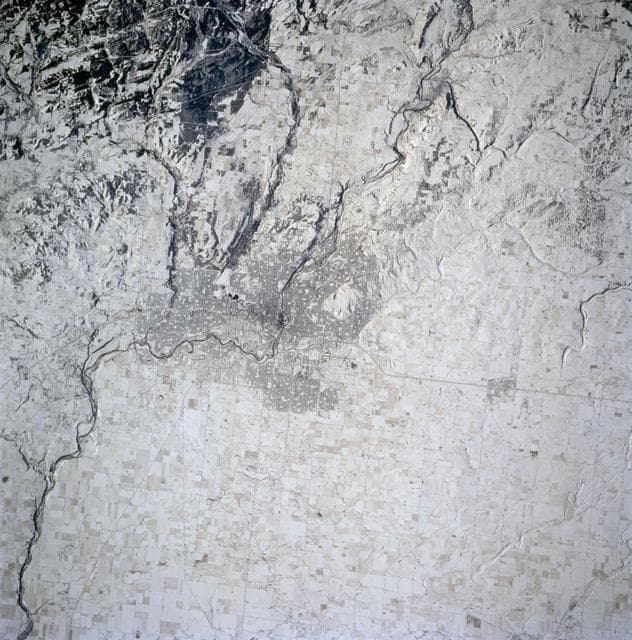
NASA image: Earth observations taken during STS-74 mission
Image
Nov 12, 1995

Earth observations taken during STS-74 mission

STS074-714-002 (12-20 Nov 1995) --- The late fall season is tell-tale in this nadir view of Calgary, Alberta, Canada...

JSC
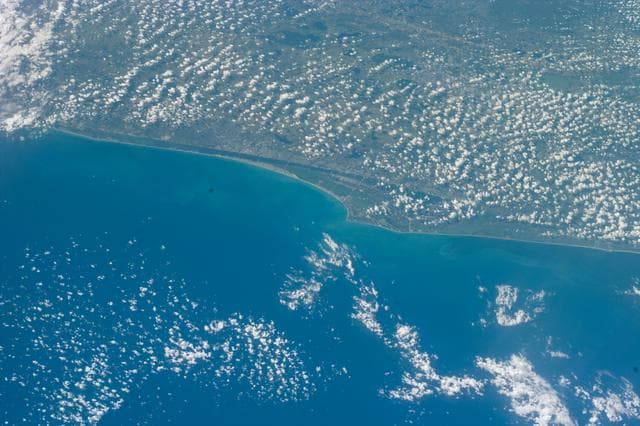
NASA image: Earth observations taken during STS-88 mission
Image
Dec 5, 1998

Earth observations taken during STS-88 mission

S88-E-5021 (12-05-98) --- Central and southern Florida show scattered clouds in this electronic still camera's view...

JSC
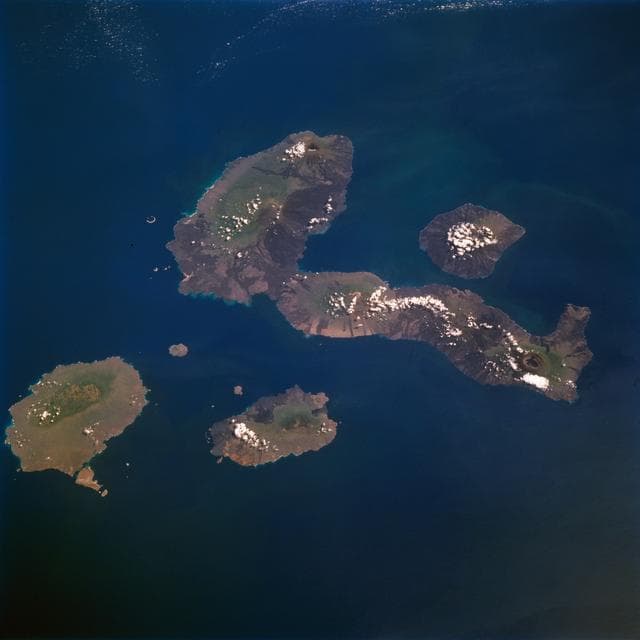
NASA image: Earth observations taken during STS-77 mission
Image
May 19, 1996

Earth observations taken during STS-77 mission

STS077-711-012 (19-29 May 1996) --- One of several volcanic-laden photo targets for the crew members was the...

JSC
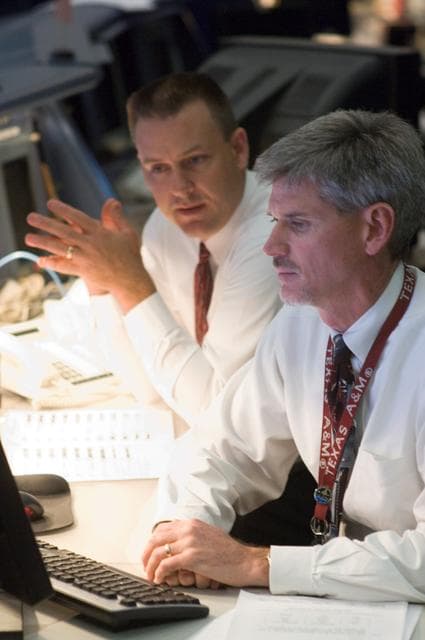
NASA image: STS-120 Flight Controllers on console during mission
Image
Oct 31, 2007

STS-120 Flight Controllers on console during mission

JSC2007-E-095788 (3 Nov. 2007) --- Flight directors Norm Knight (left) and Bryan Lunney, inside the shuttle flight...

JSC
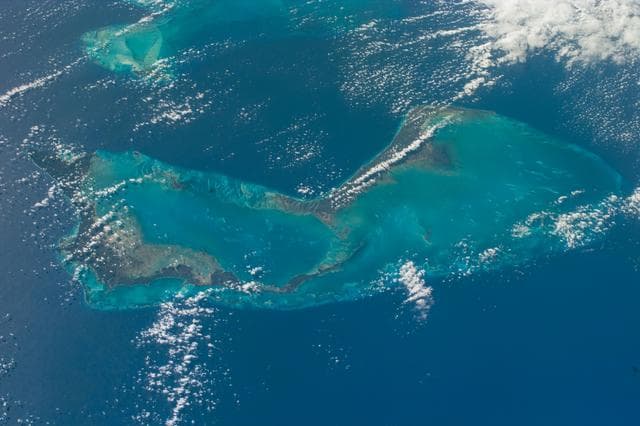
NASA image: Earth observations taken during STS-88 mission
Image
Dec 5, 1998

Earth observations taken during STS-88 mission

S88-E-5022 (12-05-98) --- Many islands in the Bahaman chain are easily recognized in this electronic still camera...

JSC
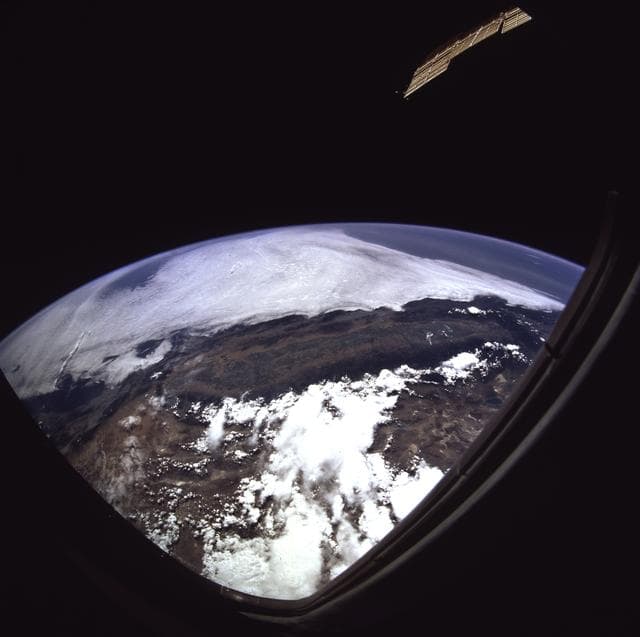
NASA image: Earth observations taken during the STS-71 mission
Image
Jun 29, 1995

Earth observations taken during the STS-71 mission

STS071-701-098 (27 June-7 July 1995) --- This wide-angle, west-looking view shows all of California, from the Los...

JSC
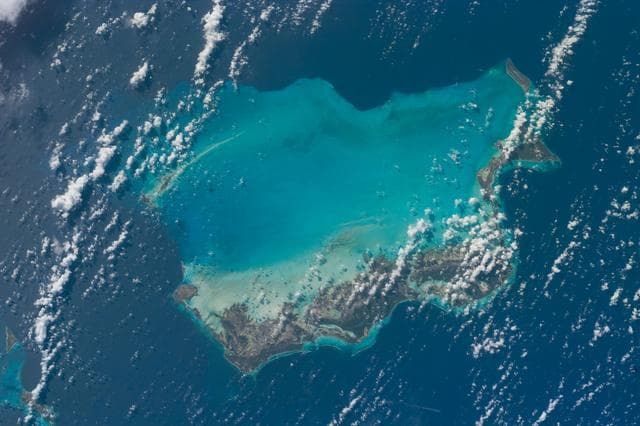
NASA image: Earth observations taken during STS-88 mission
Image
Dec 5, 1998

Earth observations taken during STS-88 mission

S88-E-5027 (12-05-98) --- Part of Turks and Caicos Islands and a number of other islands north of Hispaniola are...

JSC
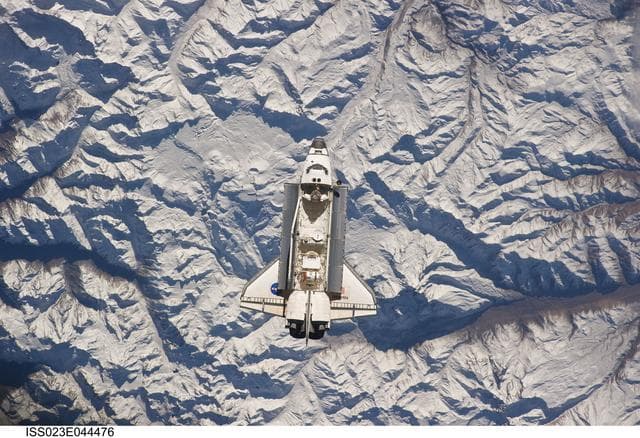
NASA image: Atlantis on Approach to ISS during the STS-132 Mission
Image
May 16, 2010

Atlantis on Approach to ISS during the STS-132 Mission

ISS023-E-044476 (16 May 2010) --- Backdropped against the Andes Mountains near the border of Argentina and Chile,...

JSC
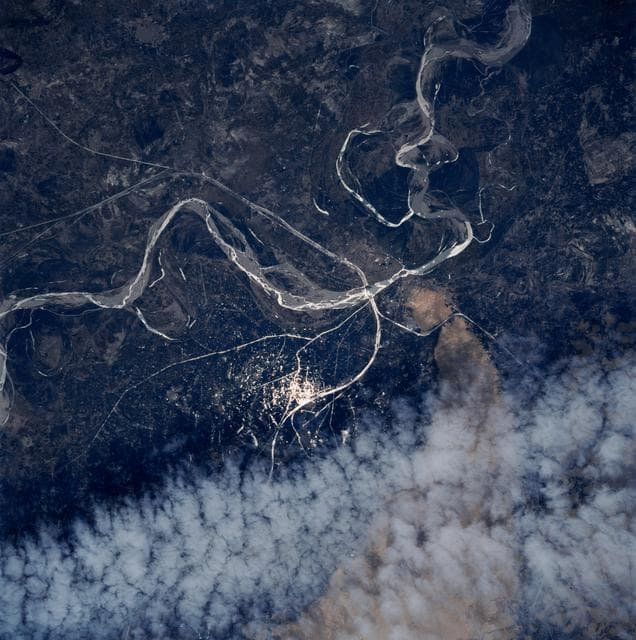
NASA image: Earth observations taken during STS-83 mission
Image
Aug 12, 2016

Earth observations taken during STS-83 mission

STS083-747-052 (4-8 April 1997) --- Sunglint on the Indus River, Sukkar, and Rohri, Pakistan. Sukkar city (27.42...

JSC
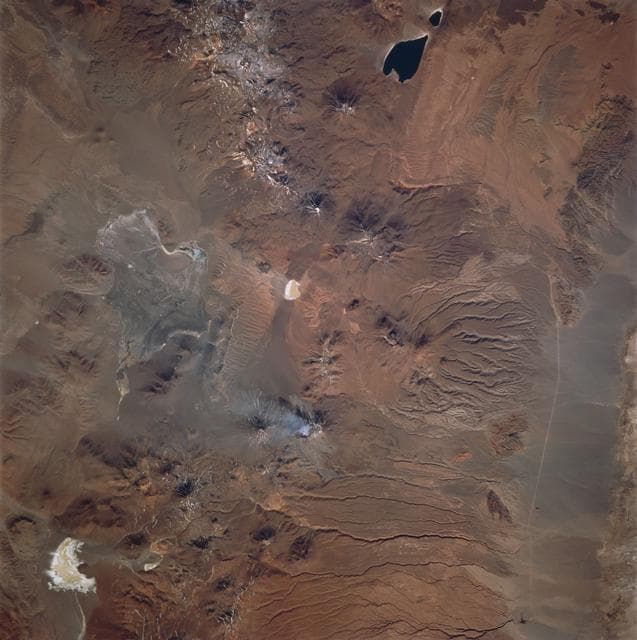
NASA image: Earth observations taken during the STS-77 mission
Image
May 26, 1996

Earth observations taken during the STS-77 mission

STS077-740-029 (19-29 May 1996) --- In recent years, the most active peak in the High Altiplano of the central Andes...

JSC
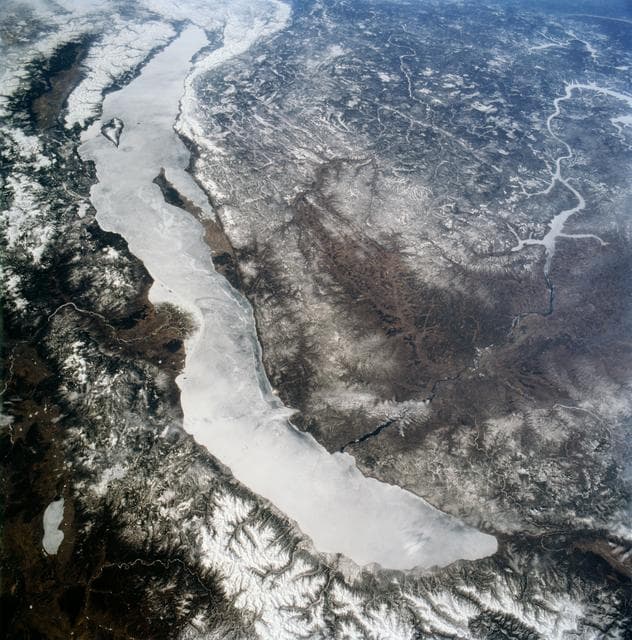
NASA image: Earth observations taken during the STS-59 mission
Image
Apr 16, 1994

Earth observations taken during the STS-59 mission

STS059-90-098 (9-20 April 1994) --- Ice-covered Lake Baikal, in Siberia, is about 400 miles long within a major rift...

JSC
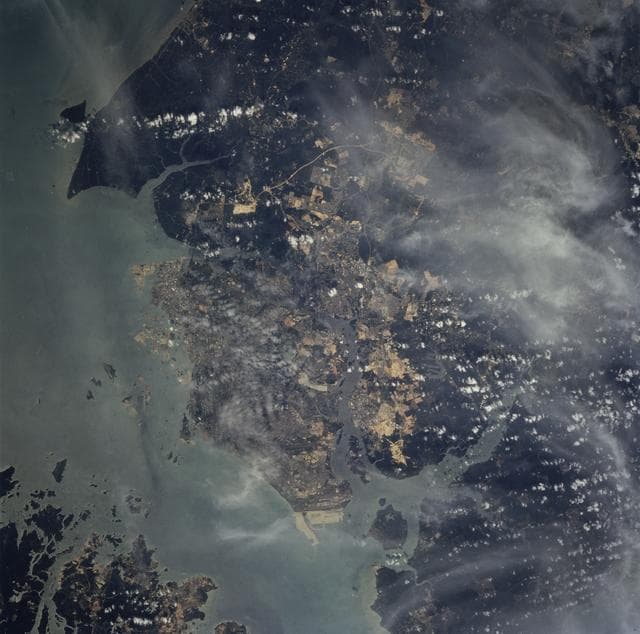
NASA image: Earth observations taken during STS-81 mission
Image
Jan 22, 1997

Earth observations taken during STS-81 mission

STS081-750-048 (12-22 Jan. 1997) --- This photograph, made with a handheld 70mm camera aimed through the Space...

JSC
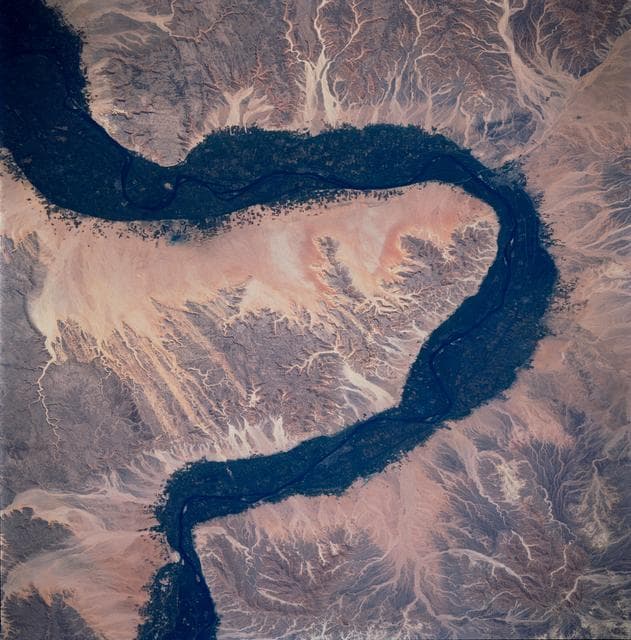
NASA image: Earth observations taken during STS-83 mission
Image
Aug 12, 2016

Earth observations taken during STS-83 mission

STS083-748-066 (4-8 April 1997) --- Luxor, Qus, and Qina, Egypt on the Nile. The Nile, which is about 4,132 miles...

JSC
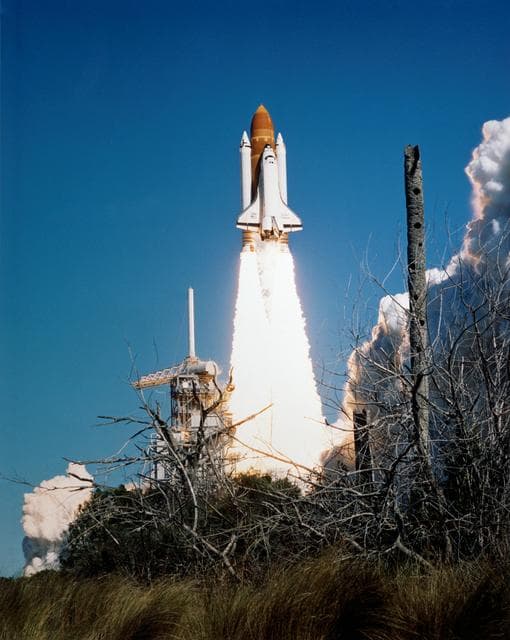
NASA image: Liftoff of the Shuttle Challenger for STS 51-L mission
Image
Jan 28, 1986

Liftoff of the Shuttle Challenger for STS 51-L mission

51L-S-154 (28 Jan. 1986) --- The space shuttle Challenger lifted off from Pad 39B Jan. 28, 1986 at 11:38 a.m. (EST)...

JSC
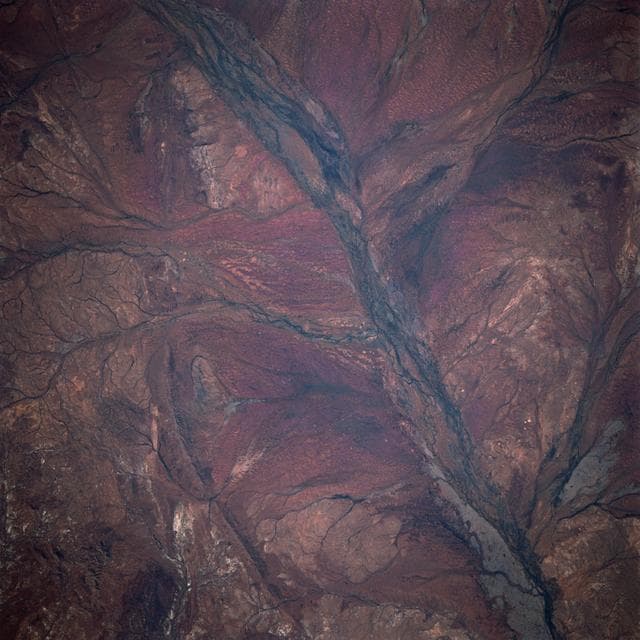
NASA image: Earth observations taken during STS-41D mission.
Image
Jun 25, 2009

Earth observations taken during STS-41D mission.

41D-42-023 (30 Aug-5 Sept 1984) --- The Gascoyne River, an intermittent large wash 500 miles north of Perth,...

JSC
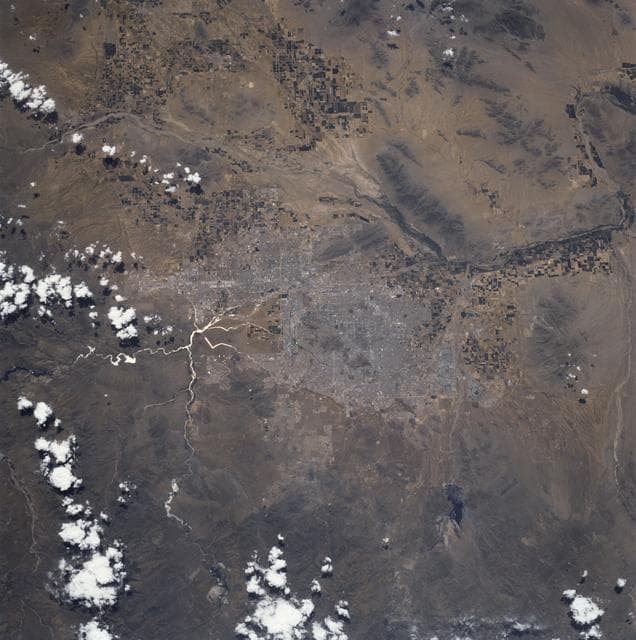
NASA image: Earth observations taken during STS-90 mission
Image
Apr 30, 1998

Earth observations taken during STS-90 mission

STS090-736-037 (17 April - 3 May 1998) --- Phoenix, Arizona as photographed with a 70mm handheld camera from the...

JSC
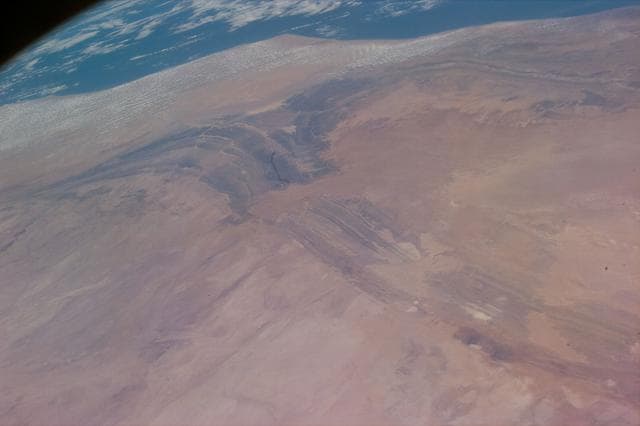
NASA image: Earth observations taken during the STS-79 mission
Image
Sep 24, 1996

Earth observations taken during the STS-79 mission

STS79-E-5385 (16 - 26 September 1996) --- The Atlas Mountains, as seen from the Space Shuttle Atlantis, apparently...

JSC
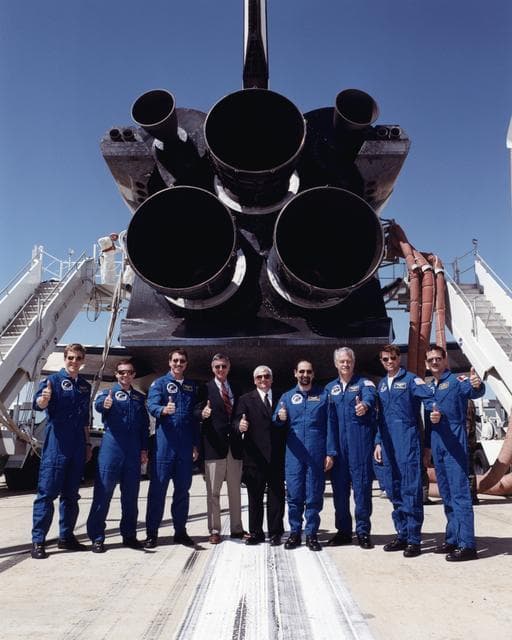
NASA image: A happy "thumbs up" from the crew of the Space Shuttle Endeavour and NASA Dryden Flight Research Center officials heralded the successful completion of mission STS-100
Image
May 1, 2001

A happy "thumbs up" from the crew of the Space Shuttle Endeavour and NASA Dryden Flight Research Center officials heralded the successful completion of mission STS-100

A happy "thumbs up" from the crew of the Space Shuttle Endeavour and NASA Dryden Flight Research Center officials...

AFRC
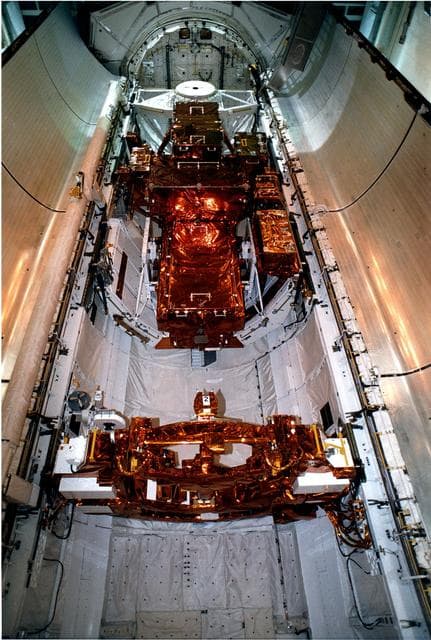
NASA image: KENNEDY SPACE CENTER, FLA. -   The Payload is seen inside of the Bay just before the doors are closed for flight at Pad 39A, Kennedy Space Center, Fla.  Discovery, the orbiter for STS-82 mission, is ready for the launch of the second Hubble Space Telescope service mission.  The payload consists of the Near Infrared Camera and Multi-Object Spectrometer (NICMOS) that will be installed, Fine Guidance Sensor #1 (FGS-1), and the Space Telescope Imaging Spectrograph (STIS) to be installed.  The STS-82 will launch with a crew of seven at 3:54 a.m. EST, Feb. 11, 1997.  The launch window is 65 minutes in duration.  The Mission Commander for STS-82 is Ken Bowersox.  The purpose of the mission is to upgrade the scientific capabilities, service or replace aging components on the Telescope, and provide a reboost to the optimum altitude.
Image
Feb 7, 1997

KENNEDY SPACE CENTER, FLA. - The Payload is seen inside of the Bay just before the doors are closed for flight at Pad 39A, Kennedy Space Center, Fla. Discovery, the orbiter for STS-82 mission, is ready for the launch of the second Hubble Space Telescope service mission. The payload consists of the Near Infrared Camera and Multi-Object Spectrometer (NICMOS) that will be installed, Fine Guidance Sensor #1 (FGS-1), and the Space Telescope Imaging Spectrograph (STIS) to be installed. The STS-82 will launch with a crew of seven at 3:54 a.m. EST, Feb. 11, 1997. The launch window is 65 minutes in duration. The Mission Commander for STS-82 is Ken Bowersox. The purpose of the mission is to upgrade the scientific capabilities, service or replace aging components on the Telescope, and provide a reboost to the optimum altitude.
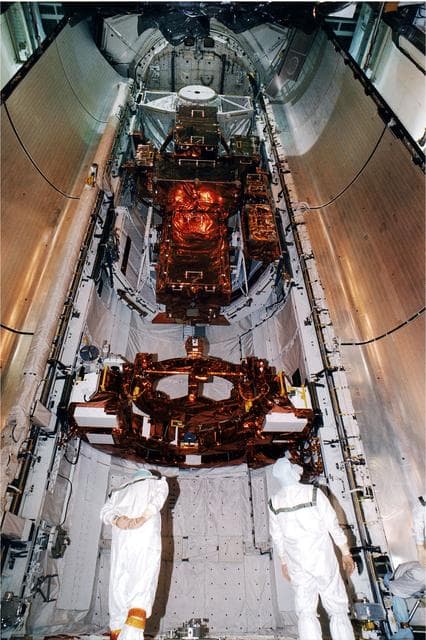
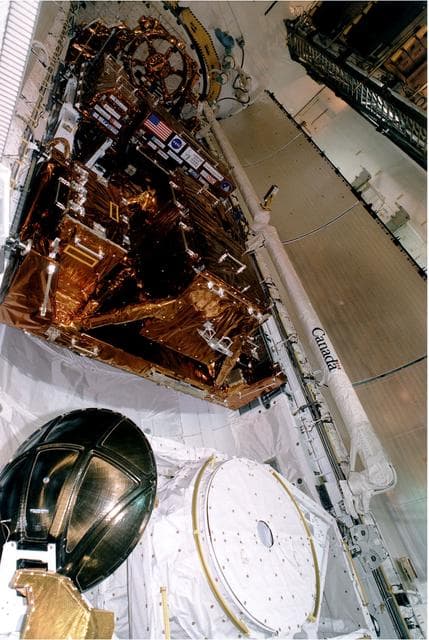
NASA image: KENNEDY SPACE CENTER, FLA. -  The Payload is seen inside of the Bay just before the doors are closed for flight at KSC's Launch Pad 39A.   Discovery, the orbiter for the STS-82 mission, is ready for the launch of the second Hubble Space Telescope service mission.  The payload consists of the Near Infrared Camera and Multi-Object Spectrometer (NICMOS) that will be installed, Fine Guidance Sensor #1 (FGS-1), and the Space Telescope Imaging Spectrograph (STIS) to be installed. The STS-82 will launch with a crew of seven at 3:54 a.m. EST, Feb. 11, 1997. The launch window is 65 minutes in duration. The Mission Commander for STS-82 is Ken Bowersox. The purpose of the mission is to upgrade the scientific capabilities, service or replace aging components on the Telescope, and provide a reboost to the optimum altitude.
Image
Feb 7, 1997

KENNEDY SPACE CENTER, FLA. - The Payload is seen inside of the Bay just before the doors are closed for flight at KSC's Launch Pad 39A. Discovery, the orbiter for the STS-82 mission, is ready for the launch of the second Hubble Space Telescope service mission. The payload consists of the Near Infrared Camera and Multi-Object Spectrometer (NICMOS) that will be installed, Fine Guidance Sensor #1 (FGS-1), and the Space Telescope Imaging Spectrograph (STIS) to be installed. The STS-82 will launch with a crew of seven at 3:54 a.m. EST, Feb. 11, 1997. The launch window is 65 minutes in duration. The Mission Commander for STS-82 is Ken Bowersox. The purpose of the mission is to upgrade the scientific capabilities, service or replace aging components on the Telescope, and provide a reboost to the optimum altitude.

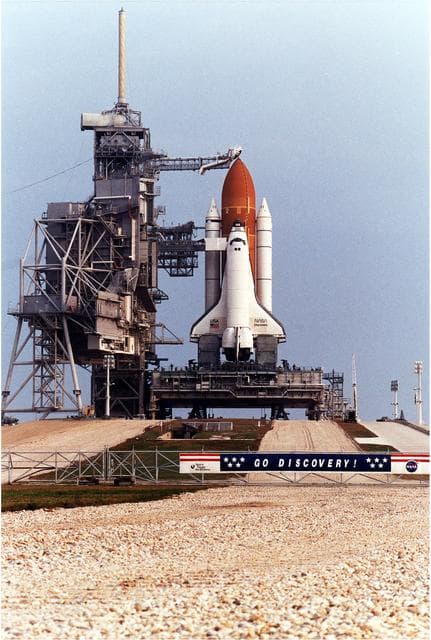
NASA image: KENNEDY SPACE CENTER, FLA. -   At the KSC Launch Pad 39A, two members of the payload closeout crew check equipment as the doors are just about ready to be closed.  The Payload inside the bay of Discovery, the orbiter for the STS-82 mission, is ready for the launch of the second Hubble Space Telescope service mission.  The payload consists of the Near Infrared Camera and Multi-Object Spectrometer (NICMOS) that will be installed, Fine Guidance Sensor #1 (FGS-1), and the Space Telescope Imaging Spectrograph (STIS) to be installed. The STS-82 will launch with a crew of seven at 3:54 a.m. EST, Feb. 11, 1997. The launch window is 65 minutes in duration. The Mission Commander for STS-82 is Ken Bowersox. The purpose of the mission is to upgrade the scientific capabilities, service or replace aging components on the Telescope and provide a reboost to the optimum altitude.
Image
Feb 7, 1997

KENNEDY SPACE CENTER, FLA. - At the KSC Launch Pad 39A, two members of the payload closeout crew check equipment as the doors are just about ready to be closed. The Payload inside the bay of Discovery, the orbiter for the STS-82 mission, is ready for the launch of the second Hubble Space Telescope service mission. The payload consists of the Near Infrared Camera and Multi-Object Spectrometer (NICMOS) that will be installed, Fine Guidance Sensor #1 (FGS-1), and the Space Telescope Imaging Spectrograph (STIS) to be installed. The STS-82 will launch with a crew of seven at 3:54 a.m. EST, Feb. 11, 1997. The launch window is 65 minutes in duration. The Mission Commander for STS-82 is Ken Bowersox. The purpose of the mission is to upgrade the scientific capabilities, service or replace aging components on the Telescope and provide a reboost to the optimum altitude.

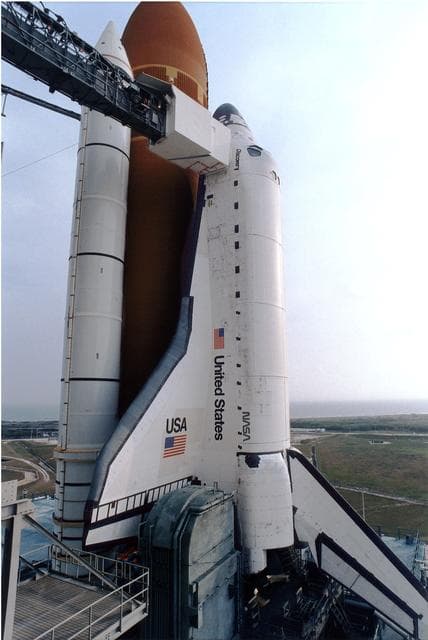
NASA image: KENNEDY SPACE CENTER, FLA. -  The Rotating Service Structure has been retracted at KSC's Launch Pad 39A.   Discovery, the orbiter for the STS-82 mission, is ready for the launch of the second Hubble Space Telescope service mission.  The payload consists of the Near Infrared Camera and Multi-Object Spectrometer (NICMOS) that will be installed, Fine Guidance Sensor #1 (FGS-1), and the Space Telescope Imaging Spectrograph (STIS) to be installed. The STS-82 will launch with a crew of seven at 3:54 a.m. EST, Feb. 11, 1997. The launch window is 65 minutes in duration. The Mission Commander for STS-82 is Ken Bowersox. The purpose of the mission is to upgrade the scientific capabilities, service or replace aging components on the Telescope, and provide a reboost to the optimum altitude.
Image
Feb 10, 1997

KENNEDY SPACE CENTER, FLA. - The Rotating Service Structure has been retracted at KSC's Launch Pad 39A. Discovery, the orbiter for the STS-82 mission, is ready for the launch of the second Hubble Space Telescope service mission. The payload consists of the Near Infrared Camera and Multi-Object Spectrometer (NICMOS) that will be installed, Fine Guidance Sensor #1 (FGS-1), and the Space Telescope Imaging Spectrograph (STIS) to be installed. The STS-82 will launch with a crew of seven at 3:54 a.m. EST, Feb. 11, 1997. The launch window is 65 minutes in duration. The Mission Commander for STS-82 is Ken Bowersox. The purpose of the mission is to upgrade the scientific capabilities, service or replace aging components on the Telescope, and provide a reboost to the optimum altitude.
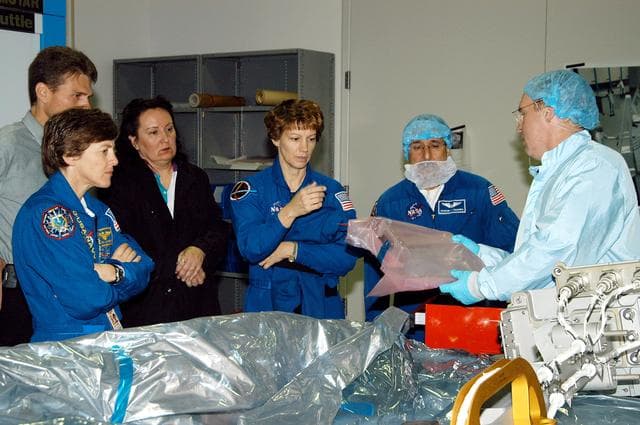
NASA image: KENNEDY SPACE CENTER, FLA. -  The White Room is seen at the upper left where the astronauts enter the Space Shuttle for flight.  The Rotating Service Structure has been retracted at KSC's Launch Pad 39A.   Discovery, the orbiter for the STS-82 mission, is ready for the launch of the second Hubble Space Telescope service mission.  The payload consists of the Near Infrared Camera and Multi-Object Spectrometer (NICMOS) that will be installed, Fine Guidance Sensor #1 (FGS-1), and the Space Telescope Imaging Spectrograph (STIS) to be installed. The STS-82 will launch with a crew of seven at 3:54 a.m. EST, Feb. 11, 1997. The launch window is 65 minutes in duration. The Mission Commander for STS-82 is Ken Bowersox. The purpose of the mission is to upgrade the scientific capabilities, service or replace aging components on the Telescope, and provide a reboost to the optimum altitude.
Image
Feb 10, 1997

KENNEDY SPACE CENTER, FLA. - The White Room is seen at the upper left where the astronauts enter the Space Shuttle for flight. The Rotating Service Structure has been retracted at KSC's Launch Pad 39A. Discovery, the orbiter for the STS-82 mission, is ready for the launch of the second Hubble Space Telescope service mission. The payload consists of the Near Infrared Camera and Multi-Object Spectrometer (NICMOS) that will be installed, Fine Guidance Sensor #1 (FGS-1), and the Space Telescope Imaging Spectrograph (STIS) to be installed. The STS-82 will launch with a crew of seven at 3:54 a.m. EST, Feb. 11, 1997. The launch window is 65 minutes in duration. The Mission Commander for STS-82 is Ken Bowersox. The purpose of the mission is to upgrade the scientific capabilities, service or replace aging components on the Telescope, and provide a reboost to the optimum altitude.

NASA image: KENNEDY SPACE CENTER, FLA. -  STS-114 Mission Specialist Andrew Thomas (right) shows some of the mission equipment to other crew members (from left) Wendy Lawrence, mission specialist; Eileen Collins, commander; and Charles Camarda, mission specialist.  Crew members are at KSC for equipment familiarization.  STS-114 is classified as Logistics Flight 1 to the International Space Station, delivering new supplies and replacing one of the orbital outpost’s Control Moment Gyroscopes (CMGs). STS-114 will also carry a Raffaello Multi-Purpose Logistics Module and the External Stowage Platform-2.  The crew is slated to conduct at least three spacewalks: They will demonstrate repair techniques of the Shuttle’s Thermal Protection System,  replace the failed CMG with one delivered by the Shuttle, and  install the External Stowage Platform.
Image
Jan 27, 2004

KENNEDY SPACE CENTER, FLA. - STS-114 Mission Specialist Andrew Thomas (right) shows some of the mission equipment to other crew members (from left) Wendy Lawrence, mission specialist; Eileen Collins, commander; and Charles Camarda, mission specialist. Crew members are at KSC for equipment familiarization. STS-114 is classified as Logistics Flight 1 to the International Space Station, delivering new supplies and replacing one of the orbital outpost’s Control Moment Gyroscopes (CMGs). STS-114 will also carry a Raffaello Multi-Purpose Logistics Module and the External Stowage Platform-2. The crew is slated to conduct at least three spacewalks: They will demonstrate repair techniques of the Shuttle’s Thermal Protection System, replace the failed CMG with one delivered by the Shuttle, and install the External Stowage Platform.

PreviousPage 92 of 100Next

Frequently Asked Questions About NASA Images

Are NASA images free to use?+
Yes, most NASA images are in the public domain and are free to use for educational, informational, and personal purposes. NASA's media usage guidelines state that NASA material is not copyrighted unless otherwise noted. However, the NASA logo and certain insignia are protected. Some images may include identifiable individuals or third-party content that requires additional permissions. Always check the specific image's usage rights and credit NASA as the source.
How many images does NASA have?+
NASA's Image and Video Library contains over 140,000 publicly accessible images, videos, and audio files spanning the agency's entire history, from the Mercury program of the 1960s to the latest James Webb Space Telescope discoveries. The collection grows daily as new missions capture imagery and archival materials are digitized. Individual mission archives, such as Mars rover photos, contain hundreds of thousands of additional images.
Can I download NASA images?+
Yes, you can download NASA images in multiple resolutions directly from this gallery. Each image detail page provides download links for original (full resolution), large (1920px), medium (960px), small (480px), and thumbnail sizes. NASA encourages the public to use these images for education, media, and personal projects. High-resolution originals are ideal for printing and professional use.

Explore More NASA Content

Astronomy Picture of the Day

Daily curated space image

Mars Rover Photos

Curiosity & Perseverance images

Earth from Space

DSCOVR EPIC daily images

Launch Schedule

Upcoming rocket launches

Space News

Mission updates & discoveries

KENNEDY SPACE CENTER, FLA. - The Payload is seen inside of the Bay just before the doors are closed for flight at...

KSC

KENNEDY SPACE CENTER, FLA. - The Payload is seen inside of the Bay just before the doors are closed for flight at...

KSC

KENNEDY SPACE CENTER, FLA. - At the KSC Launch Pad 39A, two members of the payload closeout crew check equipment as...

KSC

KENNEDY SPACE CENTER, FLA. - The Rotating Service Structure has been retracted at KSC's Launch Pad 39A. Discovery,...

KSC

KENNEDY SPACE CENTER, FLA. - The White Room is seen at the upper left where the astronauts enter the Space Shuttle...

KSC

KENNEDY SPACE CENTER, FLA. - STS-114 Mission Specialist Andrew Thomas (right) shows some of the mission equipment to...

KSC