CosmosObservatory
Explore
Solar System
Live
Learn
Tools
About
Cosmos Observatory
ToolsAbout
Cosmos Observatory

Explore the universe through NASA data, real-time ISS tracking, Mars rover imagery, asteroid monitoring, and comprehensive space encyclopedia. Your gateway to the cosmos.

Explore

  • APOD
  • Mars Rovers
  • Earth Imagery
  • NASA Gallery
  • ISS Tracker

Data

  • Asteroids
  • Solar System
  • Exoplanets
  • Space Weather
  • Launches

Tools

  • Glossary
  • News
  • Calculators

Legal

  • About
  • Privacy Policy
  • Terms of Use
  • Space Tools
  • Contact

Stay updated with the cosmos

Get weekly digests of APOD highlights, upcoming launches, and space events.

© 2026 Cosmos Observatory. All rights reserved. Built with for space enthusiasts.

This website is not affiliated with, maintained, authorized, endorsed by, or in any way officially connected with NASA or any of its subsidiaries or affiliates. All NASA imagery is in the public domain unless otherwise noted. Data sourced from NASA Open APIs, Launch Library 2, and other open data services.

NASA Gallery

Explore NASA's vast collection of space images, videos, and audio from missions past and present.

  1. Home
  2. /
  3. NASA Gallery

NASA's Image and Video Library: A Visual Archive of Space Exploration

NASA's Image and Video Library is one of the most comprehensive public archives of space imagery in the world, containing over 140,000 images, videos, and audio recordings spanning more than six decades of space exploration. From the earliest Mercury and Gemini missions through the Apollo Moon landings, the Space Shuttle era, and today's cutting-edge observations from the James Webb Space Telescope, this collection documents humanity's journey into the cosmos.

The library includes imagery from diverse sources: telescopes like Hubble and Webb that capture deep-space nebulae, galaxies, and exoplanets; planetary missions like the Mars rovers ( browse Mars photos) and Cassini at Saturn; Earth observation satellites ( see EPIC imagery); astronaut photography from the ISS; and documentation of rocket launches, spacecraft assembly, and ground testing. Most NASA images are in the public domain and free to download at full resolution for educational, editorial, and personal use.

Use the search bar above to find specific subjects — try queries like "Apollo 11," "Hubble Deep Field," "Mars surface," or "astronaut EVA." You can also filter by media type (image, video, or audio). For a daily curated experience, visit the Astronomy Picture of the Day.

Showing results for "February"

2,629 results found - Page 88 of 110

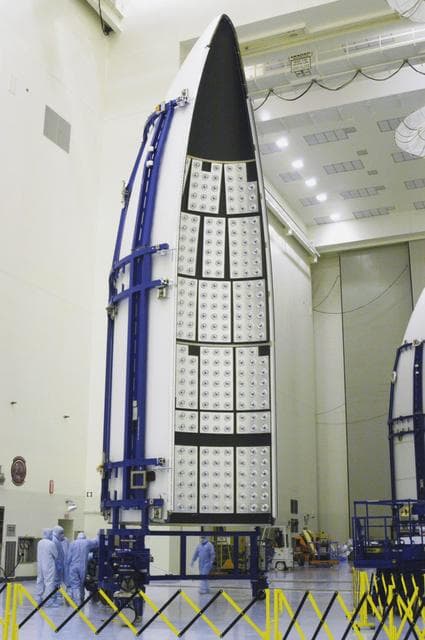
NASA image: KSC-05pd2307
Image
Oct 6, 2005

KSC-05pd2307

KENNEDY SPACE CENTER, FLA. - In the NASA Kennedy Space Center’s Payload Hazardous Servicing Facility, one part of...

KSC
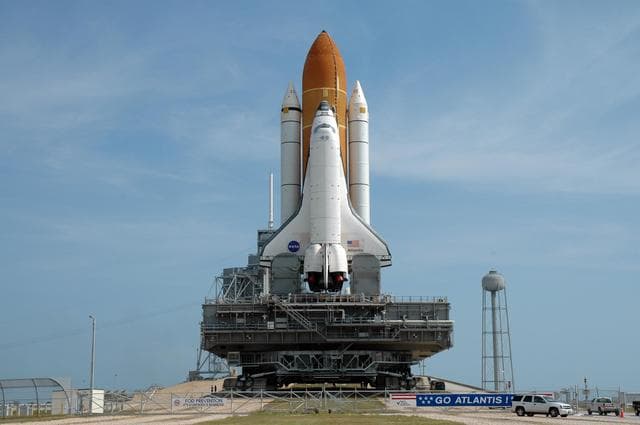
NASA image: KSC-07pd1192
Image
May 15, 2007

KSC-07pd1192

KENNEDY SPACE CENTER, FLA. -- Space Shuttle Atlantis, mounted on a mobile launch platform atop a crawler...

KSC
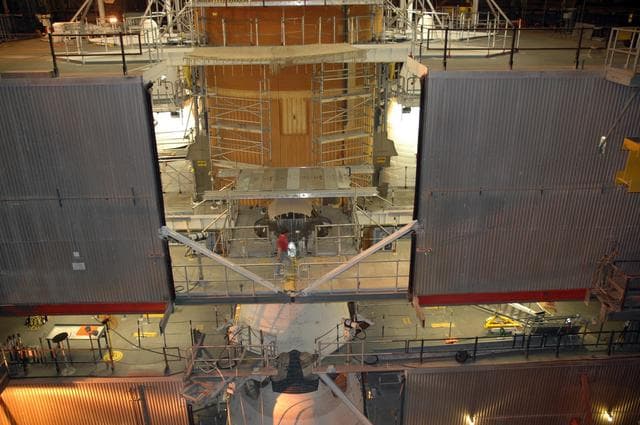
NASA image: KSC-07pd0646
Image
Mar 15, 2007

KSC-07pd0646

KENNEDY SPACE CENTER, FLA. -- In high bay 1 in the Vehicle Assembly Building, Space Shuttle Atlantis' orbiter...

KSC
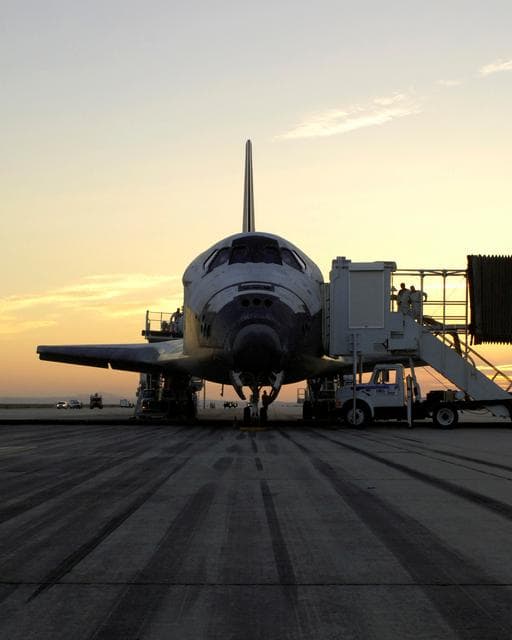
NASA image: Space Shuttle Projects
Image
Aug 8, 2005

Space Shuttle Projects

The sun rises on the Space Shuttle Discovery as it rests on the runway at Edward’s Air Force Base in California...

MSFC
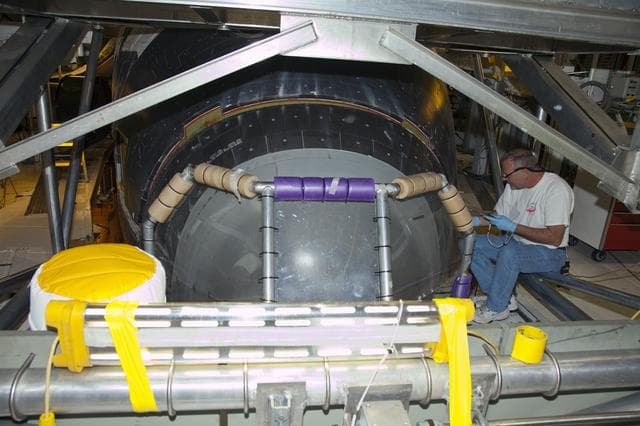
NASA image: KSC-2012-1936
Image
Mar 29, 2012

KSC-2012-1936

CAPE CANAVERAL, Fla. – In Orbiter Processing Facility-2 at NASA’s Kennedy Space Center in Florida, a United Space...

KSC
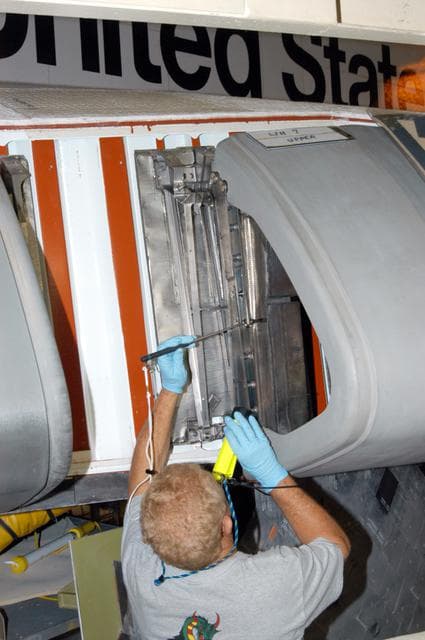
NASA image: KSC-05pd-0120
Image
Jan 10, 2005

KSC-05pd-0120

KENNEDY SPACE CENTER, FLA. - In the Orbiter Processing Facility, Mel Romans, with United Space Alliance, prepares...

KSC
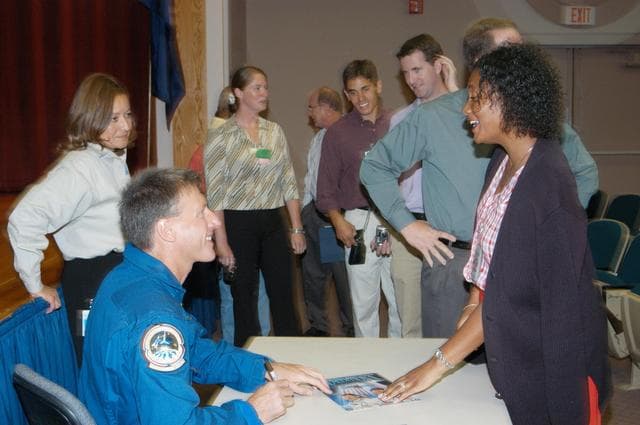
NASA image: KSC-04pd1867
Image
Sep 21, 2004

KSC-04pd1867

KENNEDY SPACE CENTER, FLA. - After his presentation in the Training Auditorium, astronaut Mike Foale greets...

KSC
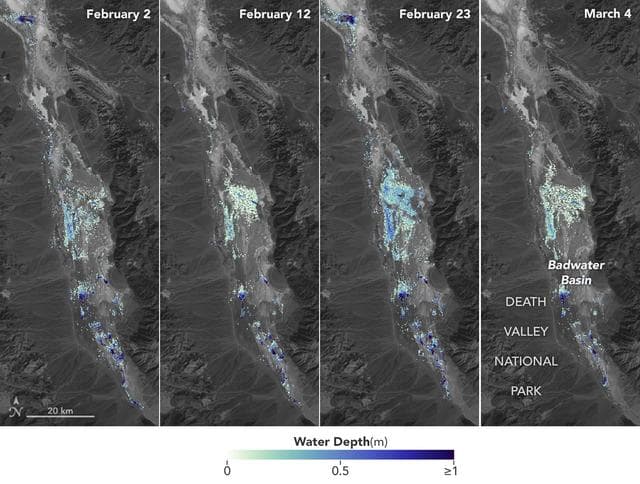
NASA image: SWOT Death Valley Lake Depth
Image
Apr 15, 2024

SWOT Death Valley Lake Depth

California's Death Valley, the driest place in North America, has hosted an ephemeral lake since late 2023. In March...

JPL
NASA image: Cloud streets in Davis Strait
Image
Dec 8, 2017

Cloud streets in Davis Strait

The late winter sun shone brightly on a stunning scene of clouds and ice in the Davis Strait in late February, 2013....

GSFC
NASA image: Apollo 14 ‘A Wild Place Up Here’
Video
Jan 30, 2021

Apollo 14 ‘A Wild Place Up Here’

Apollo 14 was the eighth crewed Apollo mission and the third to land on the Moon. On January 31, 1971, Apollo 14...

HQ

NASA image: KSC-06-S-00045
Video
Feb 27, 2006

KSC-06-S-00045

You're watching NASA Direct. Next on the NASA Space Shuttle Status Report: The crew of STS-121 takes a closer look...

KSC
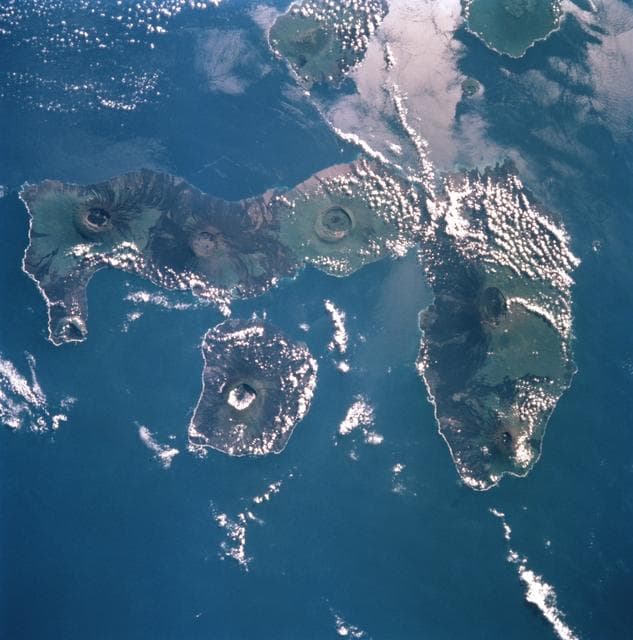
NASA image: Earth observations of the Galapagos Islands taken from OV-105 during STS-99.
Image
Mar 28, 2000

Earth observations of the Galapagos Islands taken from OV-105 during STS-99.

STS099-753-032 (11-22 February 2000) ---This 70mm photograph, photographed from the Space Shuttle Endeavour, centers...

JSC
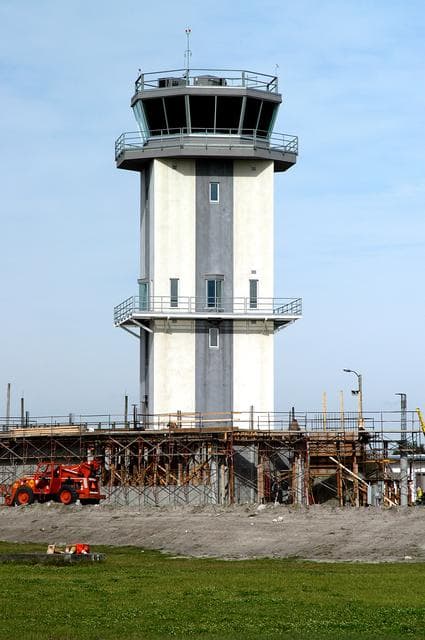
NASA image: KENNEDY SPACE CENTER, FLA. -- A new control tower is nearing completion at the KSC Shuttle Landing Facility.  It will replace the old tower in use since 1987.   The old tower stands only 20 feet above the runway surface, too low to see the launch pads to the east. During nighttime landing operations, those inside the tower have been hindered by the eight-billion candlepower xenon lights that illuminate the runway.  The new control tower is built atop an existing mound, rising nearly 100 feet over the midpoint of the runway.  The height gives controllers a spectacular 360-degree view of NASA-KSC and northern Brevard County. The new facility will also replace the SLF Operations Building. The operations building is home to the Military Radar Unit that monitors NASA-KSC airspace 24 hours a day, as well as runway light controls, navigational aids, weather and wind speed instrumentation, and gate controls. In the new tower, the computer displays will be fully modernized to Federal Aviation Administration standards with touch-screen technology. Construction on the new facility began in February 2003 and is nearly ready for occupancy. Only some final inspections and approvals remain. A support building and Public Affairs viewing deck, to be used for observing future landing operations, will be added and are already in work.
Image
Dec 17, 2003

KENNEDY SPACE CENTER, FLA. -- A new control tower is nearing completion at the KSC Shuttle Landing Facility. It will replace the old tower in use since 1987. The old tower stands only 20 feet above the runway surface, too low to see the launch pads to the east. During nighttime landing operations, those inside the tower have been hindered by the eight-billion candlepower xenon lights that illuminate the runway. The new control tower is built atop an existing mound, rising nearly 100 feet over the midpoint of the runway. The height gives controllers a spectacular 360-degree view of NASA-KSC and northern Brevard County. The new facility will also replace the SLF Operations Building. The operations building is home to the Military Radar Unit that monitors NASA-KSC airspace 24 hours a day, as well as runway light controls, navigational aids, weather and wind speed instrumentation, and gate controls. In the new tower, the computer displays will be fully modernized to Federal Aviation Administration standards with touch-screen technology. Construction on the new facility began in February 2003 and is nearly ready for occupancy. Only some final inspections and approvals remain. A support building and Public Affairs viewing deck, to be used for observing future landing operations, will be added and are already in work.
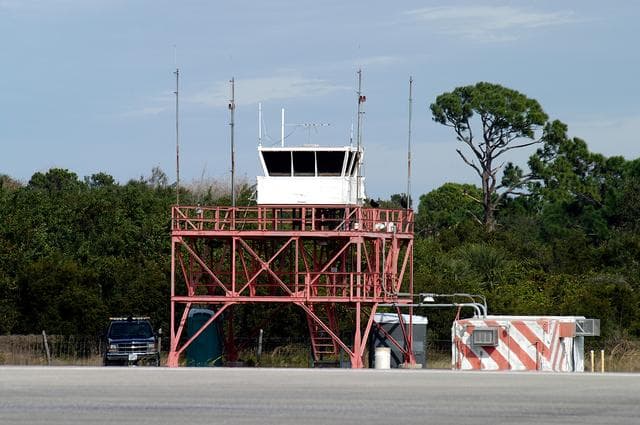
NASA image: KENNEDY SPACE CENTER, FLA. -- The existing control tower seen here at the edge of the KSC Shuttle Landing Facility is being replaced.  In use since 1987, the old tower stands only 20 feet above the runway surface, too low to see the launch pads to the east. During nighttime landing operations, those inside the tower have been hindered by the eight-billion candlepower xenon lights that illuminate the runway.  The new control tower is built atop an existing mound, rising nearly 100 feet over the midpoint of the runway.  The height gives controllers a spectacular 360-degree view of NASA-KSC and northern Brevard County. The new facility will also replace the SLF Operations Building. The operations building is home to the Military Radar Unit that monitors NASA-KSC airspace 24 hours a day, as well as runway light controls, navigational aids, weather and wind speed instrumentation, and gate controls. In the new tower, the computer displays will be fully modernized to Federal Aviation Administration standards with touch-screen technology. Construction on the new facility began in February 2003 and is nearly ready for occupancy. Only some final inspections and approvals remain. A support building and Public Affairs viewing deck, to be used for observing future landing operations, will be added and are already in work.
Image
Dec 17, 2003

KENNEDY SPACE CENTER, FLA. -- The existing control tower seen here at the edge of the KSC Shuttle Landing Facility is being replaced. In use since 1987, the old tower stands only 20 feet above the runway surface, too low to see the launch pads to the east. During nighttime landing operations, those inside the tower have been hindered by the eight-billion candlepower xenon lights that illuminate the runway. The new control tower is built atop an existing mound, rising nearly 100 feet over the midpoint of the runway. The height gives controllers a spectacular 360-degree view of NASA-KSC and northern Brevard County. The new facility will also replace the SLF Operations Building. The operations building is home to the Military Radar Unit that monitors NASA-KSC airspace 24 hours a day, as well as runway light controls, navigational aids, weather and wind speed instrumentation, and gate controls. In the new tower, the computer displays will be fully modernized to Federal Aviation Administration standards with touch-screen technology. Construction on the new facility began in February 2003 and is nearly ready for occupancy. Only some final inspections and approvals remain. A support building and Public Affairs viewing deck, to be used for observing future landing operations, will be added and are already in work.
NASA image: KENNEDY SPACE CENTER, FLA. -- A new control tower is nearing completion at the KSC Shuttle Landing Facility.  It will replace the old tower in use since 1987.   The old tower stands only 20 feet above the runway surface, too low to see the launch pads to the east. During nighttime landing operations, those inside the tower have been hindered by the eight-billion candlepower xenon lights that illuminate the runway.  The new control tower is built atop an existing mound, rising nearly 100 feet over the midpoint of the runway.  The height gives controllers a spectacular 360-degree view of NASA-KSC and northern Brevard County. The new facility will also replace the SLF Operations Building. The operations building is home to the Military Radar Unit that monitors NASA-KSC airspace 24 hours a day, as well as runway light controls, navigational aids, weather and wind speed instrumentation, and gate controls. In the new tower, the computer displays will be fully modernized to Federal Aviation Administration standards with touch-screen technology. Construction on the new facility began in February 2003 and is nearly ready for occupancy. Only some final inspections and approvals remain. A support building and Public Affairs viewing deck, to be used for observing future landing operations, will be added and are already in work.
Image
Dec 17, 2003

KENNEDY SPACE CENTER, FLA. -- A new control tower is nearing completion at the KSC Shuttle Landing Facility. It will replace the old tower in use since 1987. The old tower stands only 20 feet above the runway surface, too low to see the launch pads to the east. During nighttime landing operations, those inside the tower have been hindered by the eight-billion candlepower xenon lights that illuminate the runway. The new control tower is built atop an existing mound, rising nearly 100 feet over the midpoint of the runway. The height gives controllers a spectacular 360-degree view of NASA-KSC and northern Brevard County. The new facility will also replace the SLF Operations Building. The operations building is home to the Military Radar Unit that monitors NASA-KSC airspace 24 hours a day, as well as runway light controls, navigational aids, weather and wind speed instrumentation, and gate controls. In the new tower, the computer displays will be fully modernized to Federal Aviation Administration standards with touch-screen technology. Construction on the new facility began in February 2003 and is nearly ready for occupancy. Only some final inspections and approvals remain. A support building and Public Affairs viewing deck, to be used for observing future landing operations, will be added and are already in work.

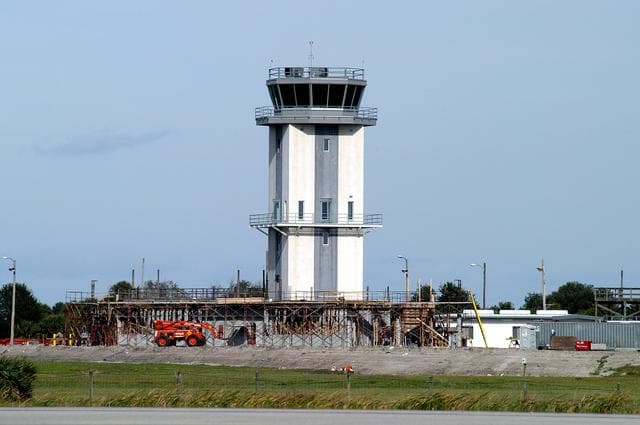
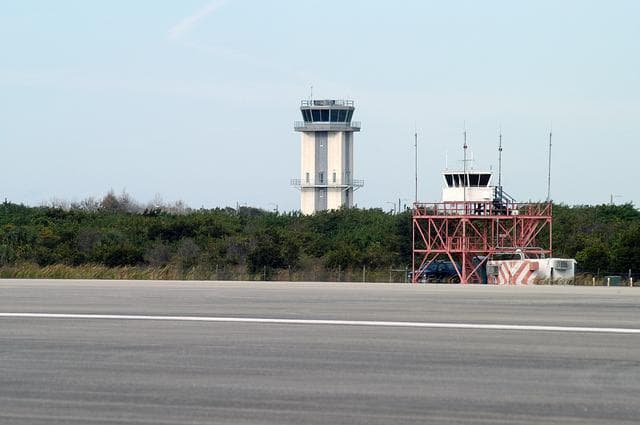
NASA image: KENNEDY SPACE CENTER, FLA. -- Two control towers are seen at the edge of the KSC Shuttle Landing Facility, the old one in front and the nearly completed new tower in back.  The old tower stands only 20 feet above the runway surface, too low to see the launch pads to the east. During nighttime landing operations, those inside the tower have been hindered by the eight-billion candlepower xenon lights that illuminate the runway.  The new control tower is built atop an existing mound, rising nearly 100 feet over the midpoint of the runway.  The height gives controllers a spectacular 360-degree view of NASA-KSC and northern Brevard County. The new facility will also replace the SLF Operations Building. The operations building is home to the Military Radar Unit that monitors NASA-KSC airspace 24 hours a day, as well as runway light controls, navigational aids, weather and wind speed instrumentation, and gate controls. In the new tower, the computer displays will be fully modernized to Federal Aviation Administration standards with touch-screen technology. Construction on the new facility began in February 2003 and is nearly ready for occupancy. Only some final inspections and approvals remain. A support building and Public Affairs viewing deck, to be used for observing future landing operations, will be added and are already in work.
Image
Dec 17, 2003

KENNEDY SPACE CENTER, FLA. -- Two control towers are seen at the edge of the KSC Shuttle Landing Facility, the old one in front and the nearly completed new tower in back. The old tower stands only 20 feet above the runway surface, too low to see the launch pads to the east. During nighttime landing operations, those inside the tower have been hindered by the eight-billion candlepower xenon lights that illuminate the runway. The new control tower is built atop an existing mound, rising nearly 100 feet over the midpoint of the runway. The height gives controllers a spectacular 360-degree view of NASA-KSC and northern Brevard County. The new facility will also replace the SLF Operations Building. The operations building is home to the Military Radar Unit that monitors NASA-KSC airspace 24 hours a day, as well as runway light controls, navigational aids, weather and wind speed instrumentation, and gate controls. In the new tower, the computer displays will be fully modernized to Federal Aviation Administration standards with touch-screen technology. Construction on the new facility began in February 2003 and is nearly ready for occupancy. Only some final inspections and approvals remain. A support building and Public Affairs viewing deck, to be used for observing future landing operations, will be added and are already in work.

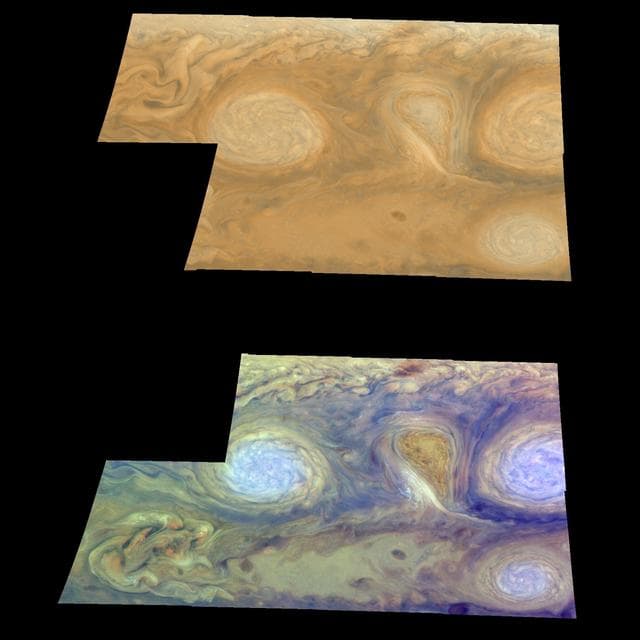
NASA image: Jupiter White Ovals/True and False Color
Image
Mar 26, 1998

Jupiter White Ovals/True and False Color

Oval cloud systems of this type are often associated with chaotic cyclonic systems such as the balloon-shaped vortex...

JPL

NASA image: NASA ARIA Project Provides New Look at Earth Surface Deformation from Nepal Quake
Image
May 4, 2015

NASA ARIA Project Provides New Look at Earth Surface Deformation from Nepal Quake

NASA and its partners are contributing important observations and expertise to the ongoing response to the April 25,...

JPL
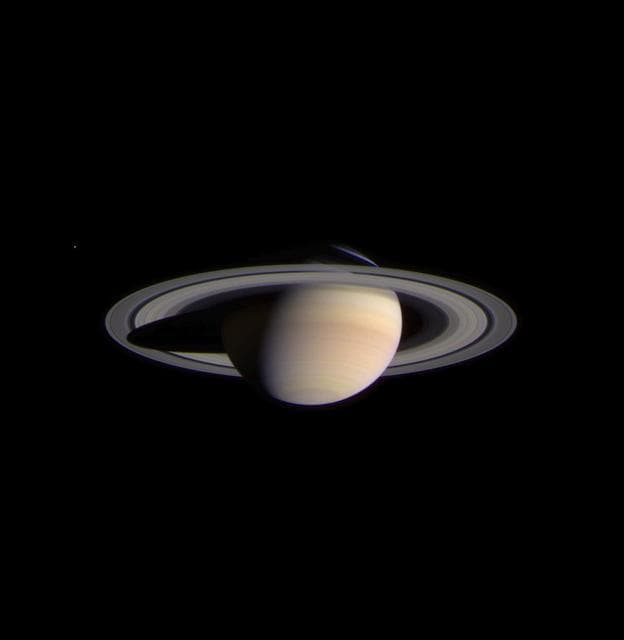
NASA image: Approach to Saturn
Image
Feb 26, 2004

Approach to Saturn

The narrow angle camera onboard NASA's Cassini spacecraft took a series of exposures of Saturn and its rings and...

JPL
NASA image: Liquid Oxygen Tank Barrel for Core Stage Moves for Next Phase of Production
Image
Feb 10, 2022

Liquid Oxygen Tank Barrel for Core Stage Moves for Next Phase of Production

On Thursday, February 10, 2022, move crews at NASA’s Michoud Assembly Facility lift the core stage 3 liquid oxygen...

MAF
NASA image: Liquid Oxygen Tank Barrel for Core Stage Moves for Next Phase of Production
Image
Feb 10, 2022

Liquid Oxygen Tank Barrel for Core Stage Moves for Next Phase of Production

On Thursday, February 10, 2022, move crews at NASA’s Michoud Assembly Facility lift the core stage 3 liquid oxygen...

MAF
NASA image: Liquid Oxygen Tank Barrel for Core Stage Moves for Next Phase of Production
Image
Feb 10, 2022

Liquid Oxygen Tank Barrel for Core Stage Moves for Next Phase of Production

On Thursday, February 10, 2022, move crews at NASA’s Michoud Assembly Facility lift the core stage 3 liquid oxygen...

MAF
NASA image: Liquid Oxygen Tank Barrel for Core Stage Moves for Next Phase of Production
Image
Feb 10, 2022

Liquid Oxygen Tank Barrel for Core Stage Moves for Next Phase of Production

On Thursday, February 10, 2022, move crews at NASA’s Michoud Assembly Facility lift the core stage 3 liquid oxygen...

MAF
NASA image: Liquid Oxygen Tank Barrel for Core Stage Moves for Next Phase of Production
Image
Feb 10, 2022

Liquid Oxygen Tank Barrel for Core Stage Moves for Next Phase of Production

On Thursday, February 10, 2022, move crews at NASA’s Michoud Assembly Facility lift the core stage 3 liquid oxygen...

MAF
PreviousPage 88 of 100Next

Frequently Asked Questions About NASA Images

Are NASA images free to use?+
Yes, most NASA images are in the public domain and are free to use for educational, informational, and personal purposes. NASA's media usage guidelines state that NASA material is not copyrighted unless otherwise noted. However, the NASA logo and certain insignia are protected. Some images may include identifiable individuals or third-party content that requires additional permissions. Always check the specific image's usage rights and credit NASA as the source.
How many images does NASA have?+
NASA's Image and Video Library contains over 140,000 publicly accessible images, videos, and audio files spanning the agency's entire history, from the Mercury program of the 1960s to the latest James Webb Space Telescope discoveries. The collection grows daily as new missions capture imagery and archival materials are digitized. Individual mission archives, such as Mars rover photos, contain hundreds of thousands of additional images.
Can I download NASA images?+
Yes, you can download NASA images in multiple resolutions directly from this gallery. Each image detail page provides download links for original (full resolution), large (1920px), medium (960px), small (480px), and thumbnail sizes. NASA encourages the public to use these images for education, media, and personal projects. High-resolution originals are ideal for printing and professional use.

Explore More NASA Content

Astronomy Picture of the Day

Daily curated space image

Mars Rover Photos

Curiosity & Perseverance images

Earth from Space

DSCOVR EPIC daily images

Launch Schedule

Upcoming rocket launches

Space News

Mission updates & discoveries

KENNEDY SPACE CENTER, FLA. -- A new control tower is nearing completion at the KSC Shuttle Landing Facility. It will...

KSC

KENNEDY SPACE CENTER, FLA. -- The existing control tower seen here at the edge of the KSC Shuttle Landing Facility...

KSC

KENNEDY SPACE CENTER, FLA. -- A new control tower is nearing completion at the KSC Shuttle Landing Facility. It will...

KSC

KENNEDY SPACE CENTER, FLA. -- Two control towers are seen at the edge of the KSC Shuttle Landing Facility, the old...

KSC