Image
Oct 18, 1967
Early Rockets
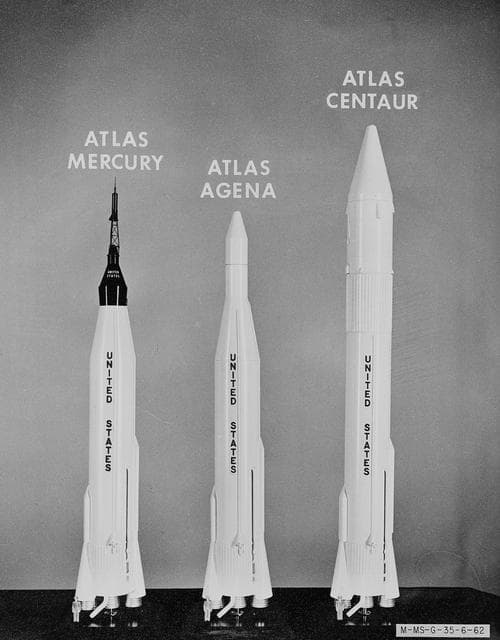
Photographed are models of early rocketry: The Atlas Mercury, Atlas Centaur, and Atlas Agena.
MSFC
Image
Mar 3, 1959
Early Rockets
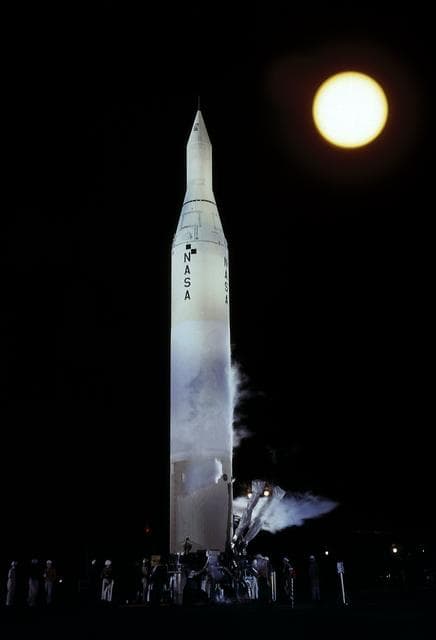
Juno II (AM-14) on the launch pad just prior to launch, March 3, 1959. The payload of AM-14 was Pioneer IV,...
MSFC
Image
May 28, 1959
Early Rockets
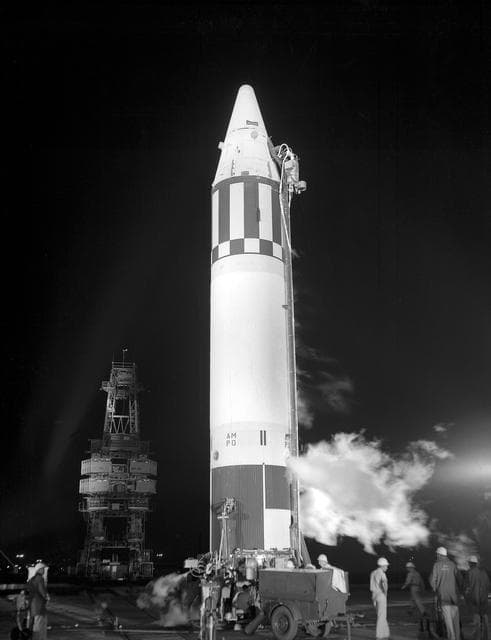
Jupiter (AM-18), suborbital primate flight with Able and Baker as its payload, being ready for launch, May 28, 1959
MSFC
Image
Mar 16, 1966
Early Rockets
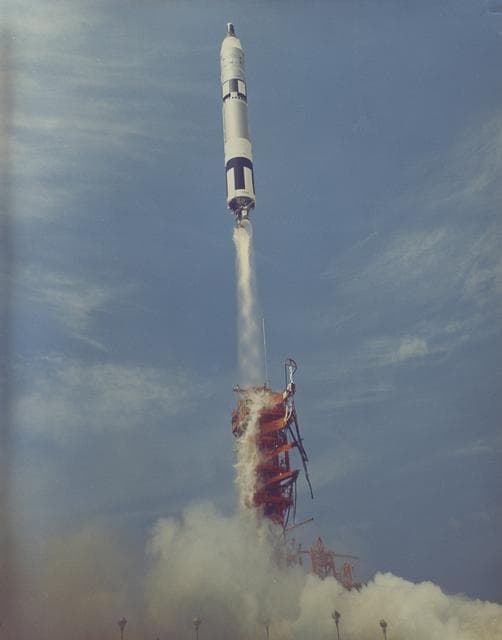
A Titan booster launched the Gemini 8 spacecraft on March 16, 1966 from launch complex 19 Cape Kennedy, Florida. The...
MSFC
Image
Apr 15, 2004
Early Rockets
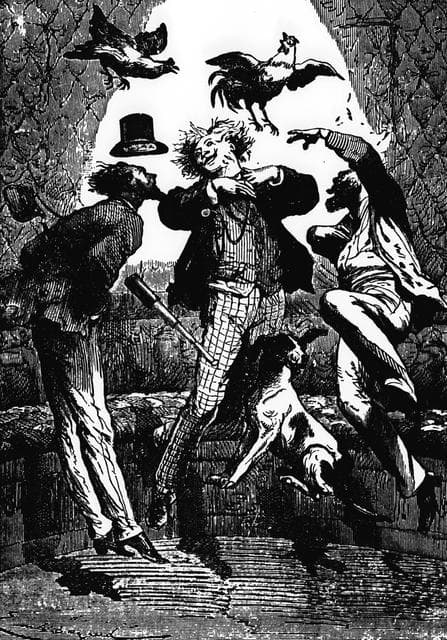
Jules Verne published his first science fiction novel in 1865 called "From the Earth to the Moon." As shown here in...
MSFC
Image
Jan 1, 1958
Early Rockets
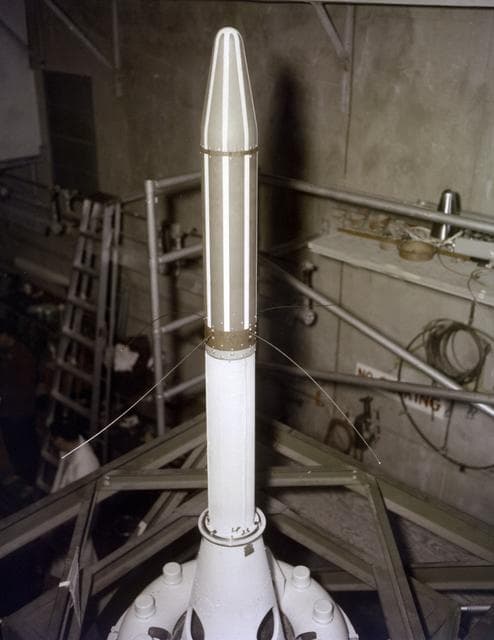
Explorer 1 satellite. This photo was taken during the installation of Explorer-1, the first United States'...
MSFC
Image
Apr 15, 2004
Early Rockets
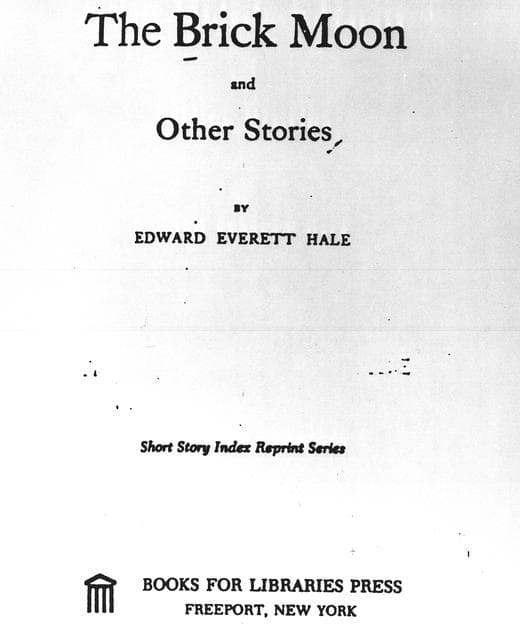
The first known proposal for a marned-satellite appeared in a story by Edward Everett Hale entitled "The Brick...
MSFC
Image
Dec 8, 1962
Early Rockets
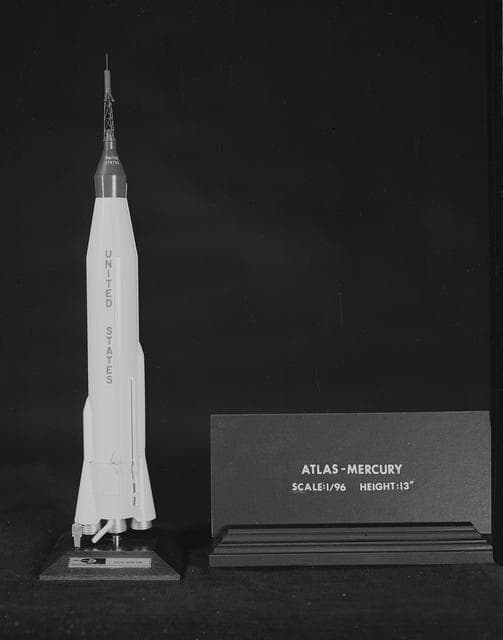
Photographed is a model of early rocketry, the Atlas Mercury.
MSFC
Image
Feb 16, 1959
Early Rockets
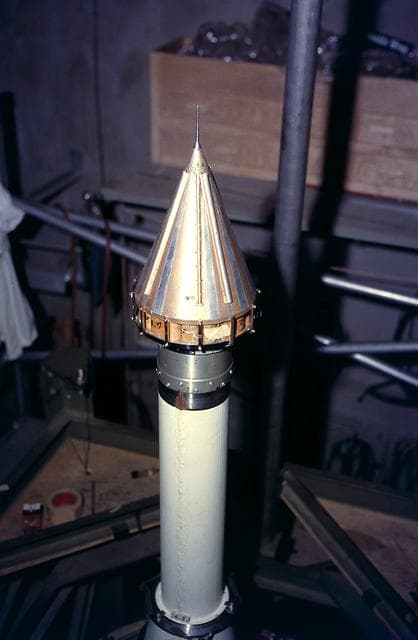
Installing Pioneer IV, payload for AM-14 (Juno II) onto the fourth stage on the cluster before a spin test, February...
MSFC
Image
Oct 13, 1959
Early Rockets
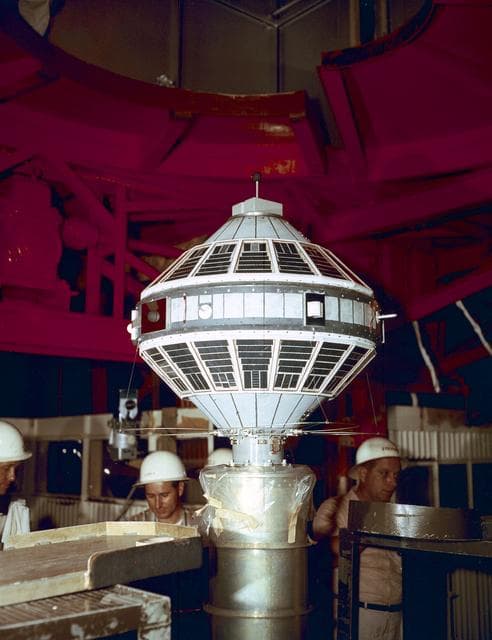
Juno II was a part of America's effort to increase its capability to lift heavier satellites into orbit. One payload...
MSFC
Image
Apr 15, 2004
Early Rockets
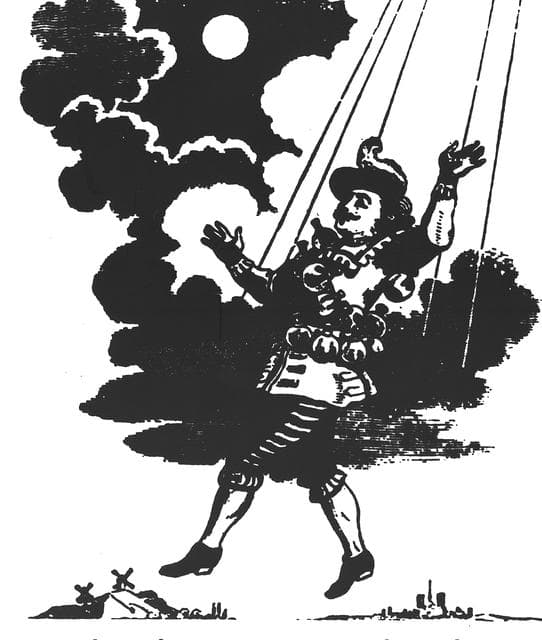
Less interested in the scientific fundamentals of rocketry, many writers of popular literature and science fiction...
MSFC
Image
Mar 3, 1959
Early Rockets
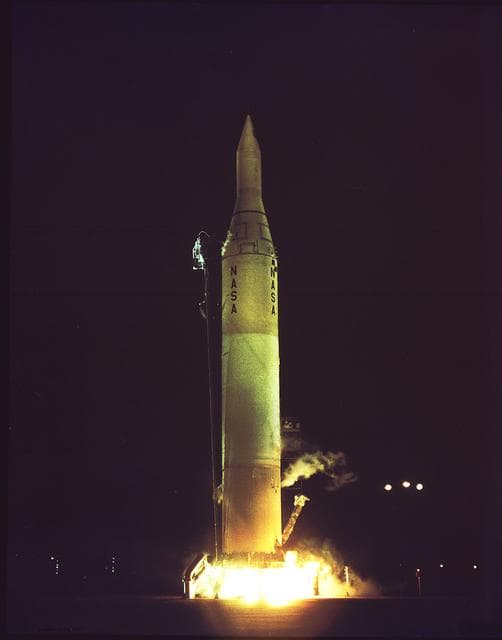
Wernher von Braun and his team were responsible for the Jupiter-C hardware. The family of launch vehicles developed...
MSFC
Image
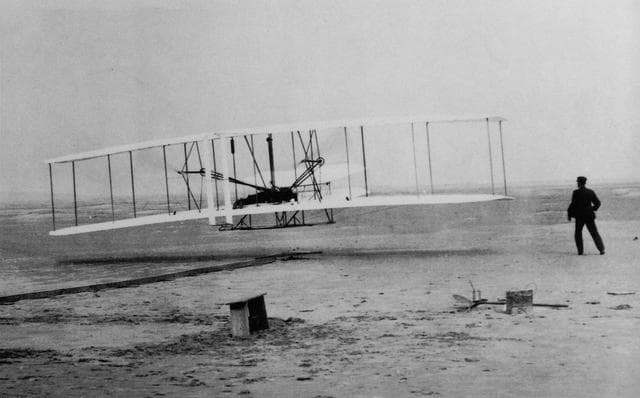
Dec 17, 1903
Early Rockets
On December 17, 1903, two brothers from Dayton, Ohio, named Wilbur and Orville Wright, were successful in flying an...
MSFC
Image
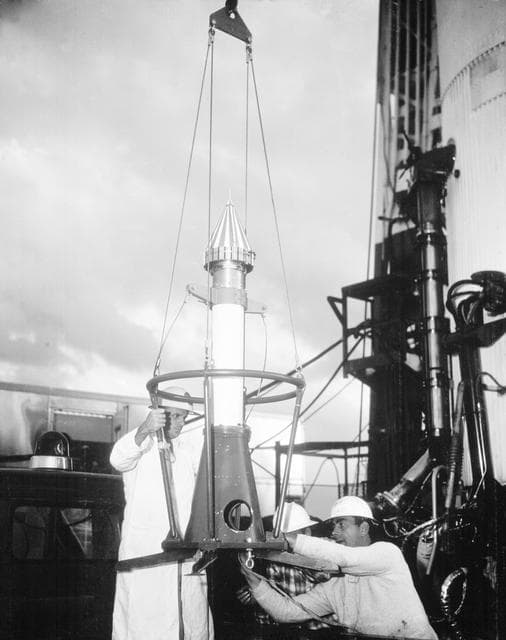
Jan 1, 1959
Early Rockets
In this photograph, the lunar and planetary exploration satellite, Pioneer III, is being prepared for installation...
MSFC
Image
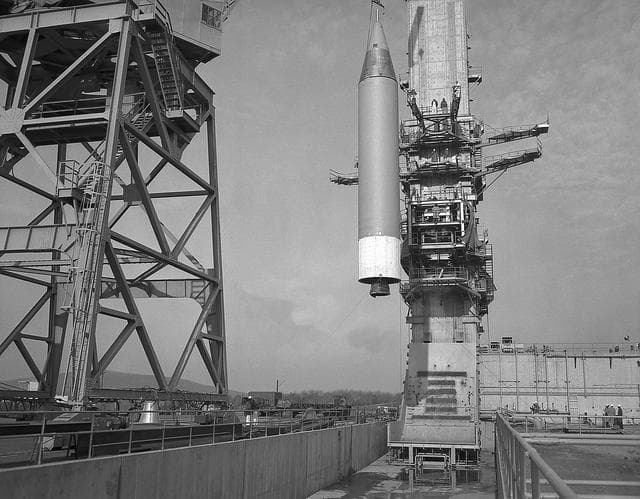
Jan 16, 1957
Early Rockets
Installation of a Jupiter Missile in ABMA (Army Ballistic Missile Agency) West Test Stand, Jan. 16, 1957. Jupiter...
MSFC
Image
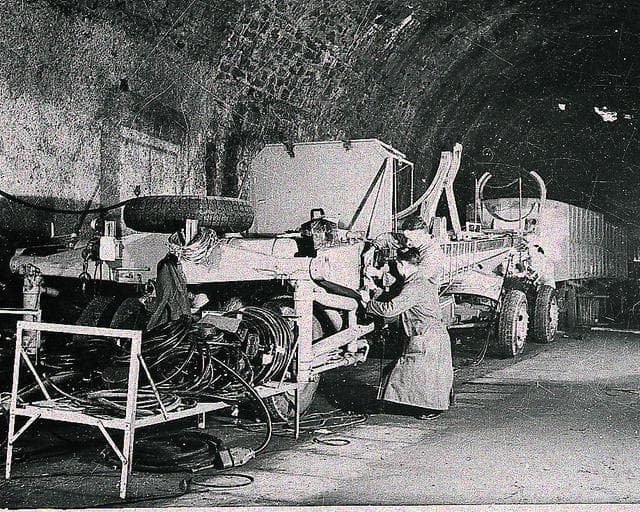
Jan 1, 1943
Early Rockets
In this photograph from the fall of 1943, German technicians wire vehicles for mobile V-2 batteries in an abandoned...
MSFC
Image
Oct 21, 1959
Early Rockets
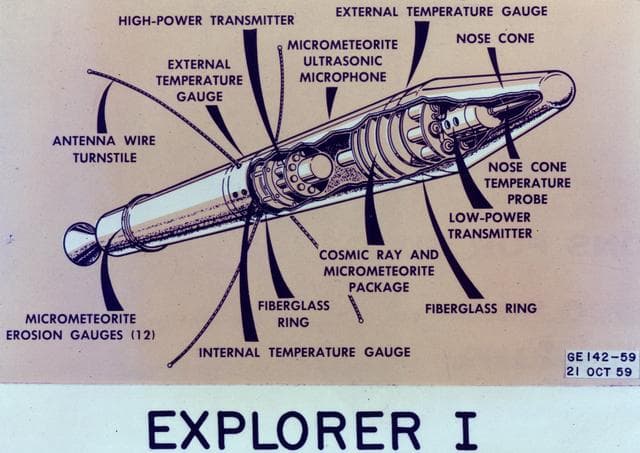
This image is a cutaway illustration of the Explorer I satellite with callouts. The Explorer I satellite was...
MSFC
Image
Apr 15, 2004
Early Rockets
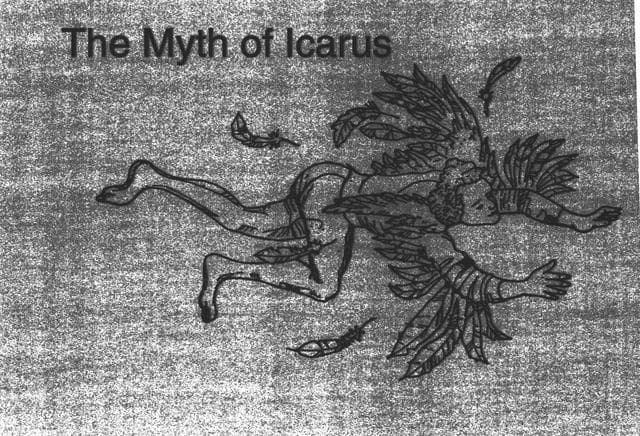
Ever since humans first saw birds soar through the sky, they have wanted to fly. The ancient Greeks and Romans...
MSFC
Image
May 18, 1959
Early Rockets
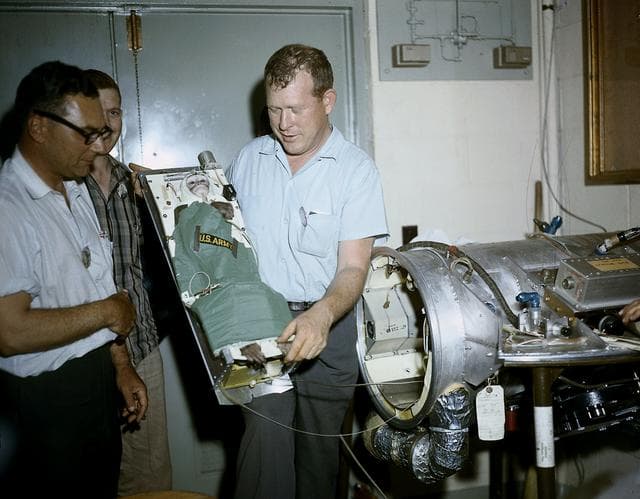
A squirrel monkey, Able, is being ready for placement into a capsule for a preflight test of Jupiter, AM-18 mission....
MSFC
Image
Oct 13, 1959
Early Rockets
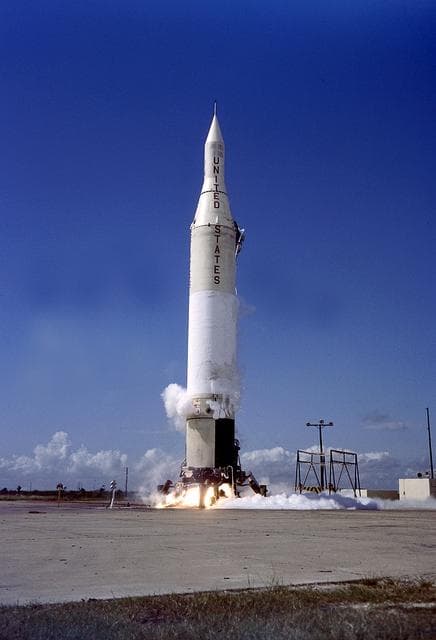
The ignition of Juno II (AM-19A). Juno II (AM-19) successfully placed a physics and astronomy satellite, Explorer...
MSFC
Image
Mar 16, 1966
Early Rockets
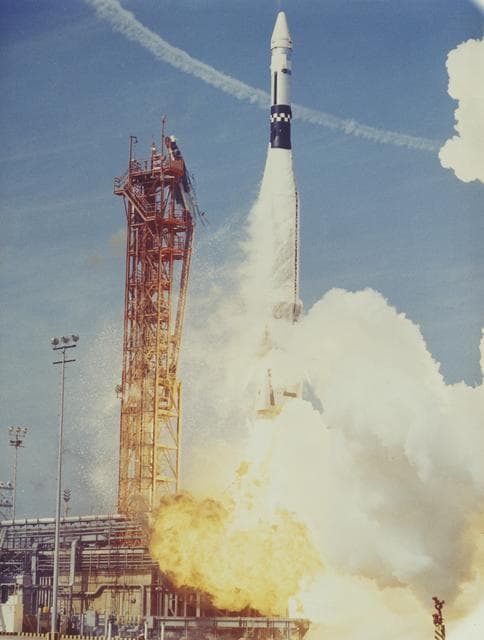
On March 16, 1966, an Atlas booster launched an Agena Target Vehicle for the Gemini 8 mission. The flight crew for...
MSFC
Image
Jan 1, 1958
Early Rockets
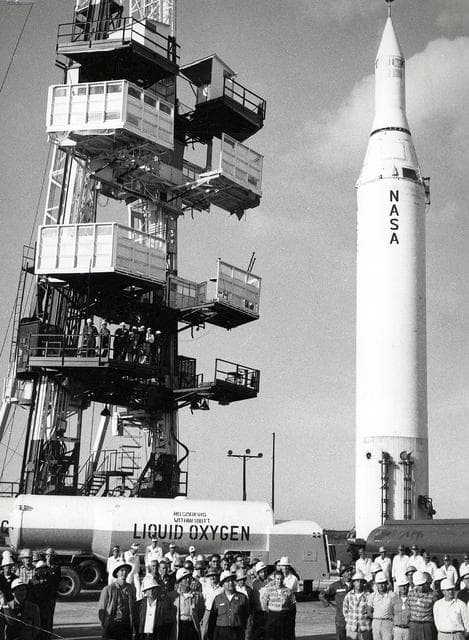
The modified Jupiter C (sometimes called Juno I), used to launch Explorer I, had minimum payload lifting...
MSFC
Image
May 29, 1959
Early Rockets
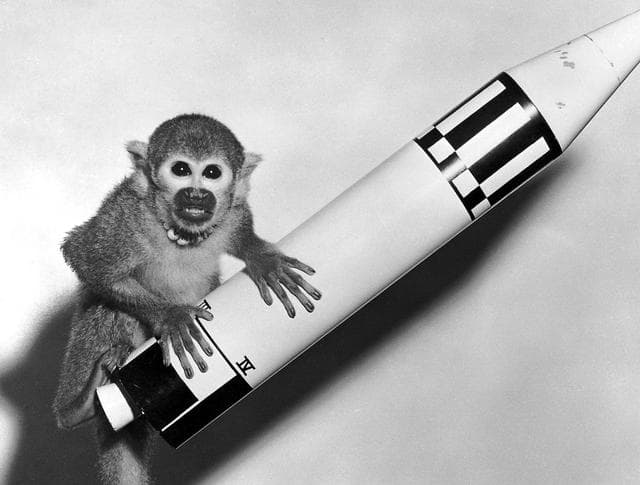
Monkey Baker, payload of Jupiter (AM-18), poses on a model of the Jupiter vehicle, May 29, 1959
MSFC
Image
May 18, 1959
Early Rockets
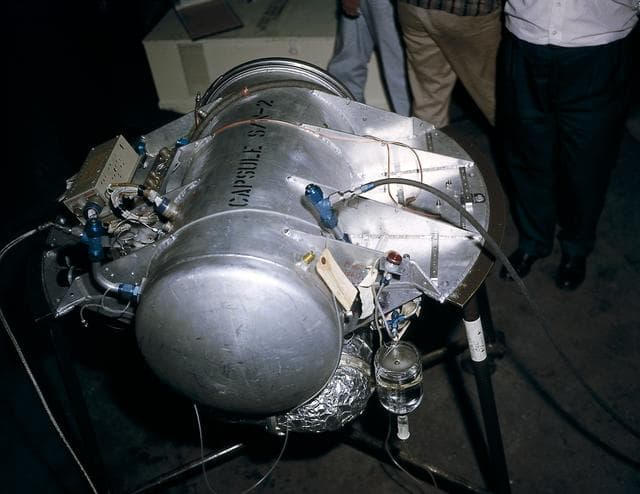
The capsule ready to be installed in the nose cone of Jupiter, AM-18, for pre-flight test, May 18, 1959. The capsule...
MSFC