Image
Oct 15, 2014
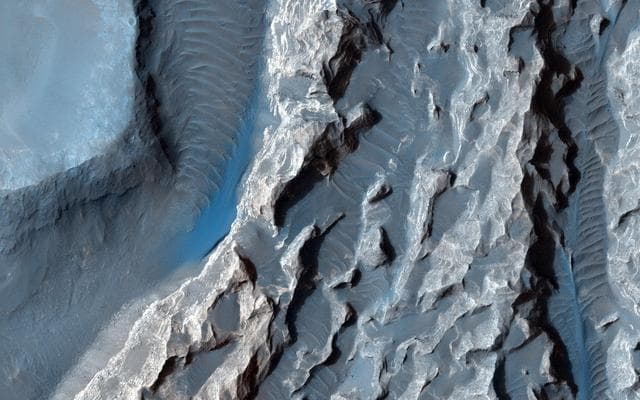
A Light Toned Deposit in Arsinoes Chaos
The objective of this observation from NASA Mars Reconnaissance Orbiter is to examine a light-toned deposit in a...
JPL
Image
May 18, 2016
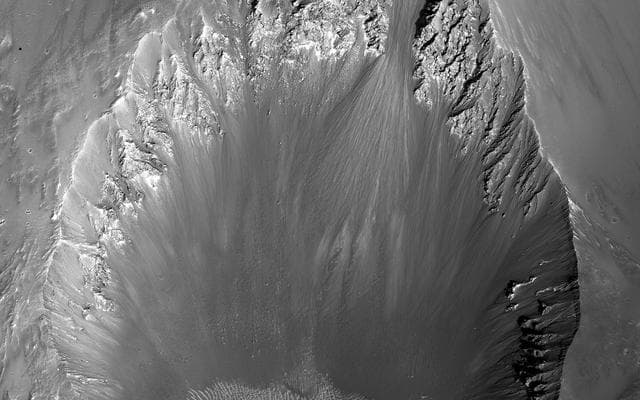
On the Shape of Impact Craters
This image from NASA Mars Reconnaissance Orbiter spacecraft shows a roughly 3-kilometer impact crater, formed on the...
JPL
Image
Mar 21, 2011
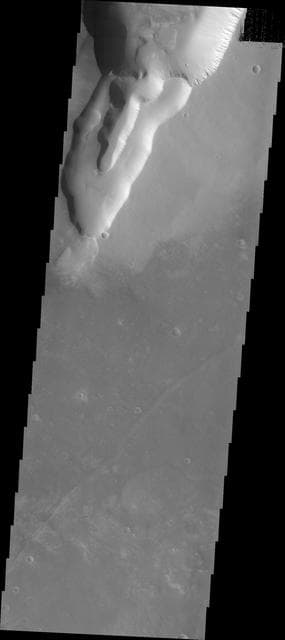
Mega Gully
This huge or mega gully is part of Noctis Labyrinthus as seen by NASA Mars Odyssey. Located on the western end of...
JPL

Image
Apr 9, 2010
Eastern Coprates Chasma
This image taken by NASA 2001 Mars Odyssey of the eastern end of Coprates Chasma contains a landslide deposit and...
JPL
Image
Jun 25, 1999
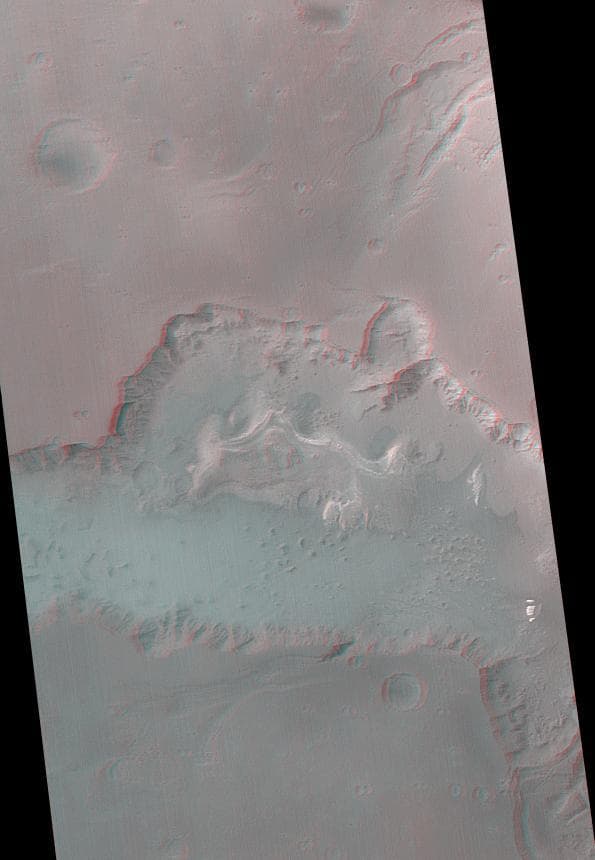
Ganges Chasma in 3-D
Ganges Chasma is part of the Valles Marineris trough system that stretches nearly 5,000 kilometers 3,000 miles...
JPL
Image
Sep 27, 2006
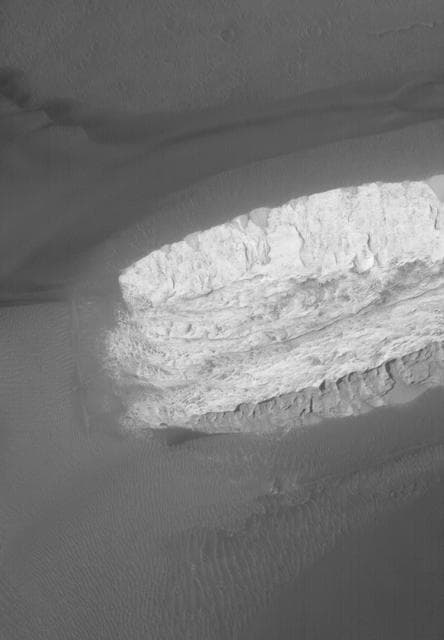
Ganges Quagmire
This MOC image shows dark-toned, windblown sands and ripples, surrounding a light-toned hill, interpreted to be...
JPL

Image
Mar 30, 2011
Ius Chasma Mega Gullies
This image captured by NASA Mars Odyssey shows parts of two giant gully that are located on the southern side of Ius...
JPL

Image
Jun 8, 2010
Eos Chasma
At eastern end of Valles Marineris is Eos Chasma. In Eos, the canyon system transitions into a region of chaos and...
JPL
Image
Dec 20, 2002
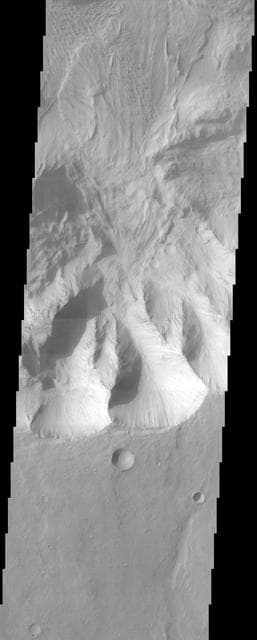
Coprates Chasma Landslide
Coprates Chasma comprises the central portion of the Valles Marineris canyon system complex. This image from NASA...
JPL
Image
Oct 1, 2002
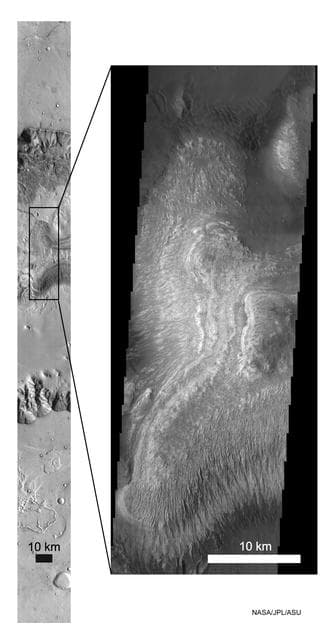
Odyssey/Ganges
These NASA Mars Odyssey images show layered deposits located on the floor of Ganges Chasma, part of the Valles...
JPL

Image
May 1, 2006
Melas Materials
This MOC image shows dark sand dunes superposed on layered, light-toned outcrops -- interpreted to be sedimentary...
JPL
Image
May 4, 2016
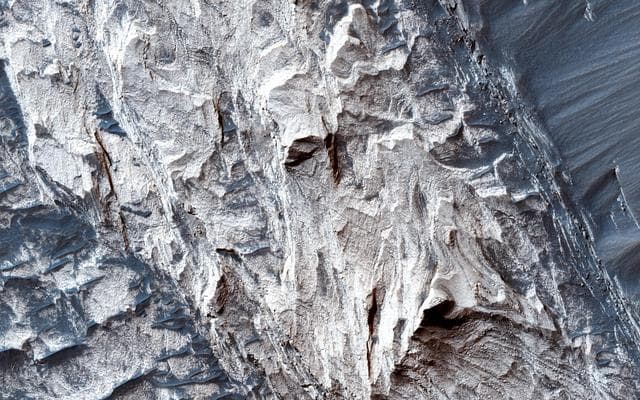
Possible Sulfate Deposits in West Melas Chasma
Melas Chasma is the widest segment of Valles Marineris, the largest canyon in the Solar System as seen by Mars...
JPL
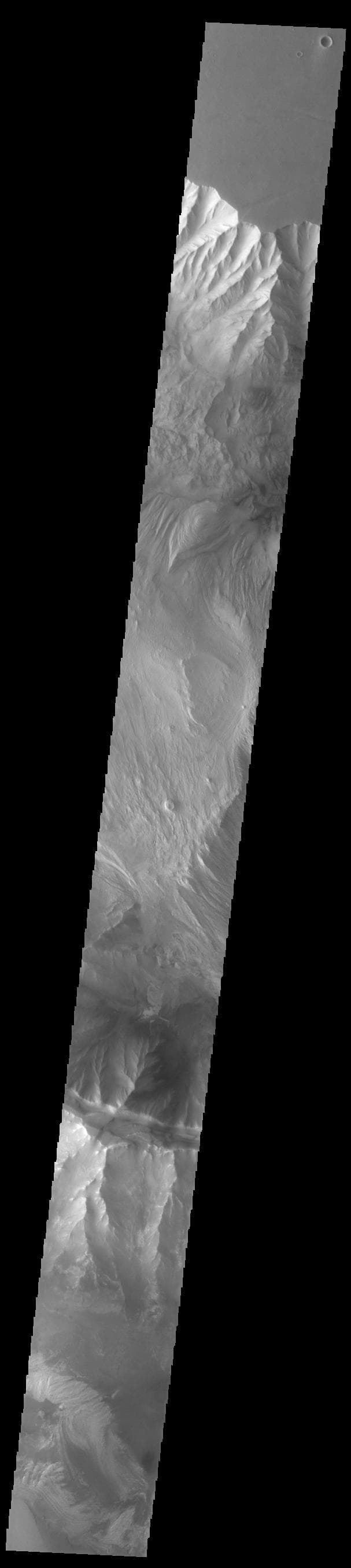
Image
Feb 11, 2021
Ophir and Candor Chasmata
Today's VIS image crosses both Ophir Chasma (top) and Candor Chasma (bottom). Layered and eroded material covers the...
JPL
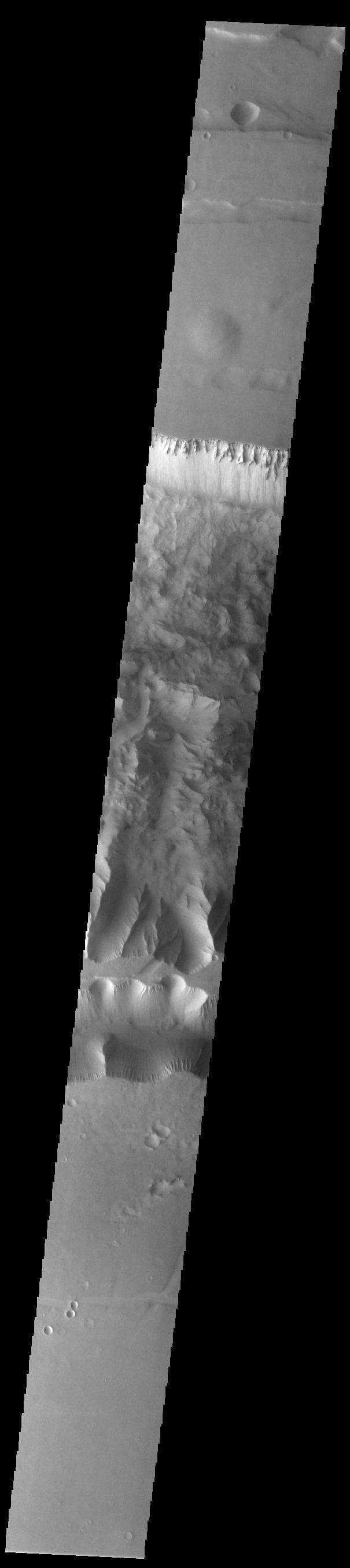
Image
Jan 27, 2023
Ius Chasma
Today's VIS image shows a complete cross section of Ius Chasma. Ius Chasma is at the western end of Valles...
JPL
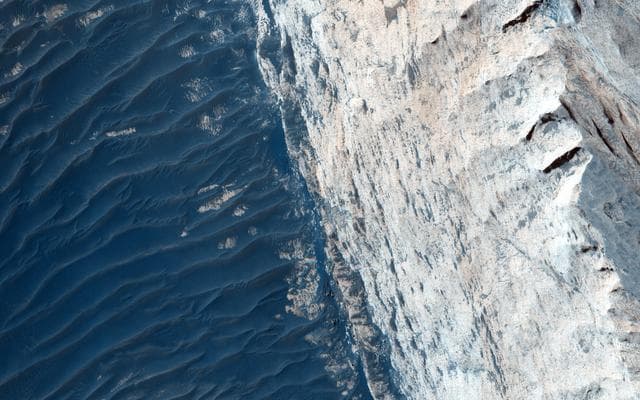
Image
Nov 5, 2015
Layers and Fractures in Ophir Chasma
Ophir Chasma forms the northern portion of Valles Marineris, and this image from NASA Mars Reconnaissance Orbiter...
JPL
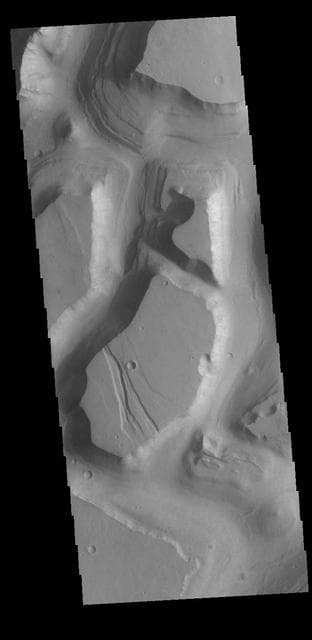
Image
May 11, 2020
Hydraotes Chaos
This VIS image shows part of Hydraotes Chaos. Hydraotes Chaos measures about 300 kilometers (190 miles) wide by...
JPL
Image
Jun 4, 1998
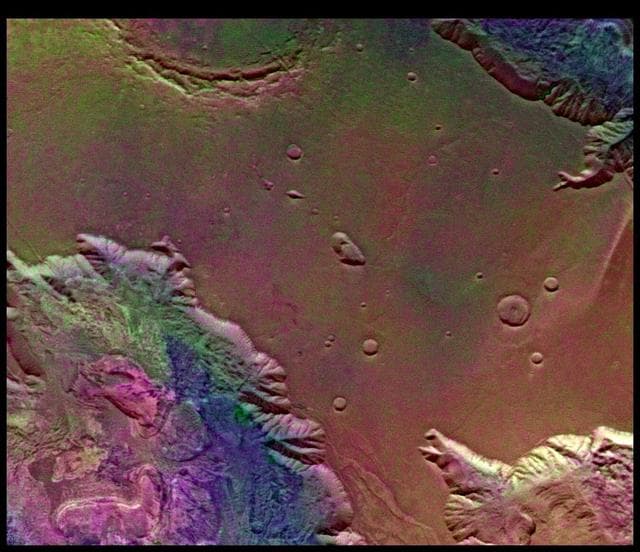
West Candor Chasm Enhanced Color
This picture from NASA's Viking Orbiter 2 shows areas of central Valles Marineris, Mars, including Candor Chasm...
JPL
Image
Dec 7, 2016
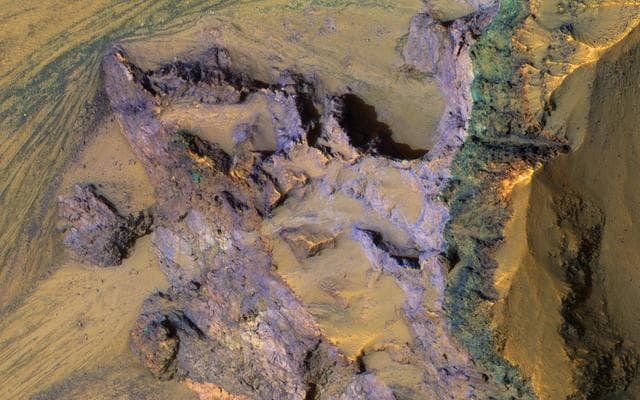
Colorful Bedrock Exposed in a Landslide Scarp
The steep walls of Valles Marineris sometimes fail, creating giant landslides. This provides a clean exposure of the...
JPL
Image
Sep 1, 2022
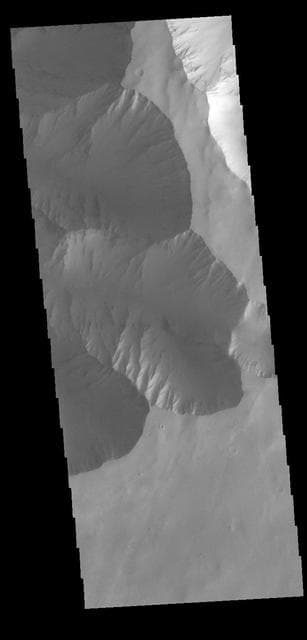
Ophir Chasma
Today's VIS image shows the very eastern margin of Ophir Chasma. Ophir Chasma is approximately 317km long (197...
JPL
Image
Jun 4, 1998
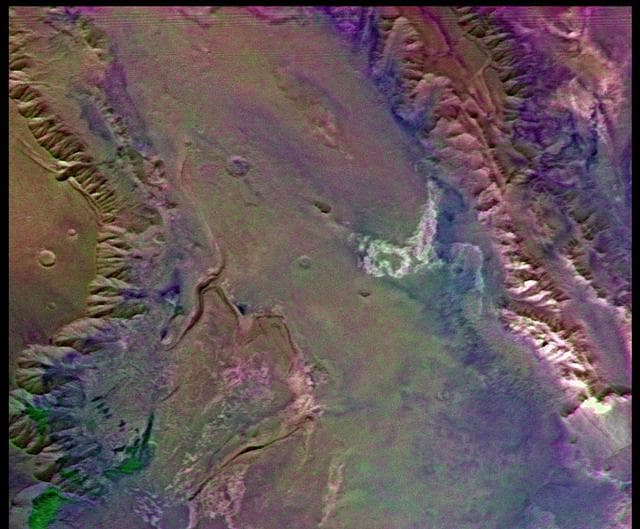
Melas Chasm Enhanced Color
This picture centered at latitude 10 degrees S., longitude 74 degrees W. shows much of Mars Melas Chasm and a...
JPL
Image
Mar 13, 2006
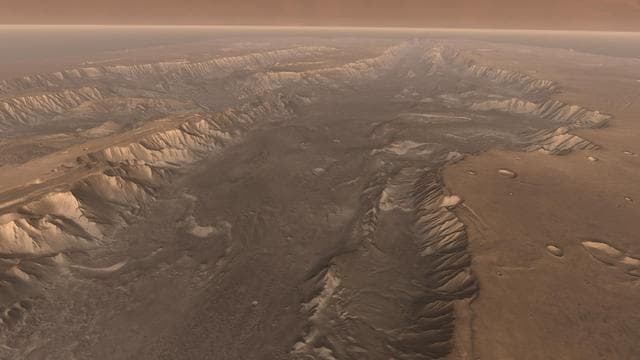
High View of Melas
Soaring high above Valles Marineris, the Grand Canyon of Mars, viewers look down and catch a sight resembling parts...
JPL
Image
Jun 5, 2018
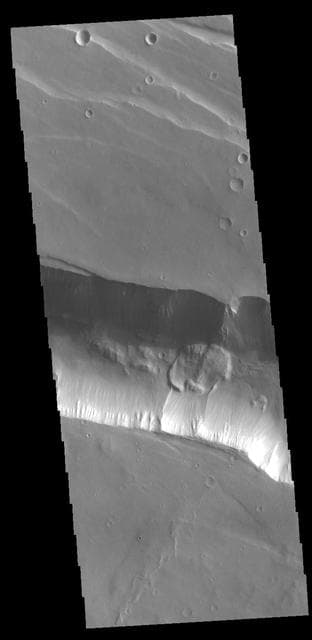
Coprates Catena Landslide
A landslide deposit is visible in this VIS image of Coprates Catena. Coprates Catena parallels the much larger...
JPL
Image
Nov 15, 2002
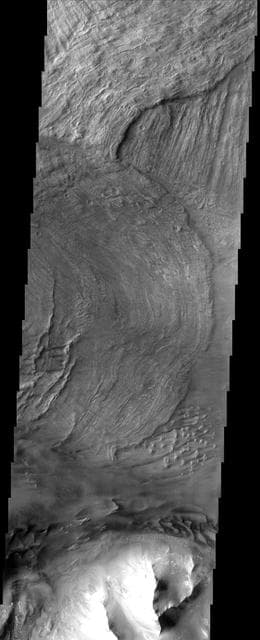
Mariner 9 Anniversary/Landslides on Mars Released 13 November 2002
This canyon system imaged here by NASA Mars Odyssey was named Valles Marineris in honor of its discoverer, NASA...
JPL
Image
Jun 8, 1998
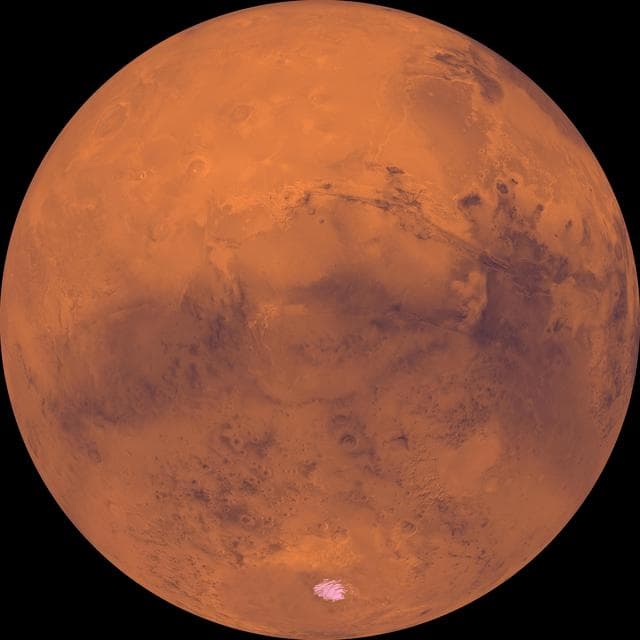
Center is at Latitude 30 Degrees South, Longitude 90 Degrees
The top half of Mars is dominated by the Tharsis Montes volcanoes, the large Alba Patera shield volcano, the dark...
JPL