
Image
Aug 25, 1989
ARC-1989-A89-7027
P-34690 Field of View : 1,000 km. or 600 miles This photograph of Neptune's moon Triton was acquired by Voyager 2....
ARC

Image
Aug 26, 1989
ARC-1989-A89-7034
P-34681 Range: 870,000 kilometers (540,000 miles) This image of Neptune's irregularly-shaped satellite 1989N1 taken...
ARC
Image
Aug 25, 2014
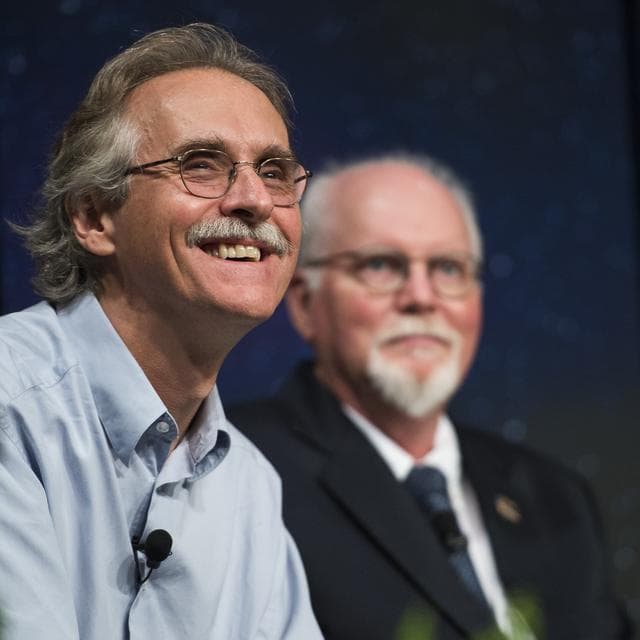
NASA's New Horizons Pluto Mission: Continuing Voyager's Legacy o
Dr. John Spencer, senior scientist at the Southwest Research Institute, answers a question from the audience during...
HQ

Image
Aug 25, 2014
NASA's New Horizons Pluto Mission: Continuing Voyager's Legacy o
Dr. David H. Grinspoon, senior scientist at the Planetary Science Institute, speaks about working on NASA's Voyager...
HQ
Image
Aug 25, 2014
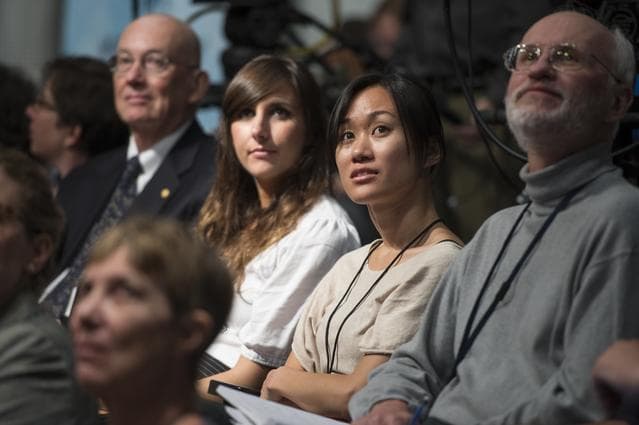
New Horizons Event: The First Mission to the Pluto System
Audience members view images of Neptune taken by Voyager while scientists discuss how the first images of Pluto and...
HQ
Image
Aug 25, 2014
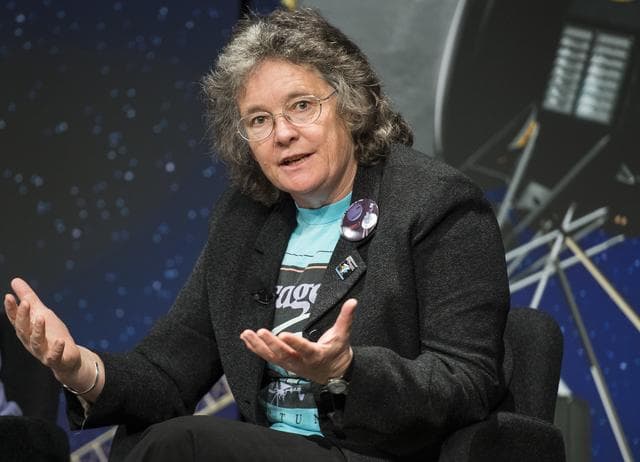
NASA's New Horizons Pluto Mission: Continuing Voyager's Legacy o
Dr. Fran Bagenal, senior scientist at the University of Colorado, speaks during a panel discussion at the "NASA's...
HQ

Image
Aug 25, 2014
NASA's New Horizons Pluto Mission: Continuing Voyager's Legacy o
Dr. Bonnie Buratti, senior scientist at NASA's Jet Propultion Laboratory, speaks during a panel discussion at the...
HQ
Image
Aug 25, 2014
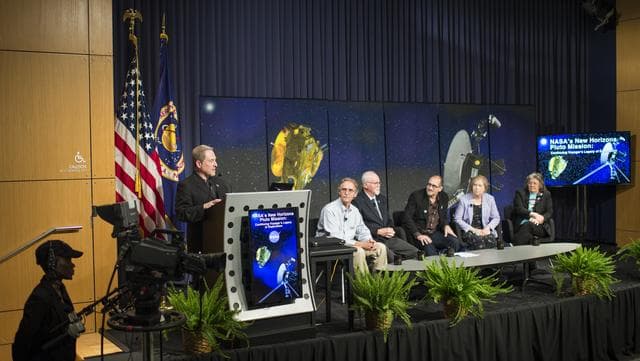
NASA's New Horizons Pluto Mission: Continuing Voyager's Legacy o
Dr. Alan Stern, Principal Investigator on NASA's New Horizons Mission, left, delivers closing remarks following a...
HQ
Image
Aug 24, 1989
ARC-1989-A89-7033
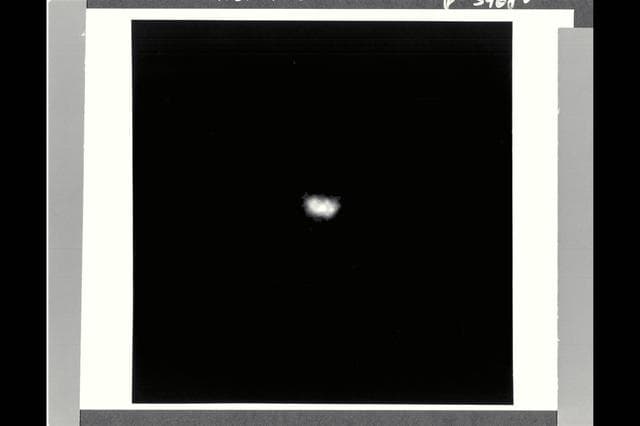
Range : 4.7 million km (2.9 million mi.) Nereid, the last satellite of Neptune to be discovered before Voyager's...
ARC
Image
Jun 20, 2016
Young Star and Its Infant Planet (Artist animation)
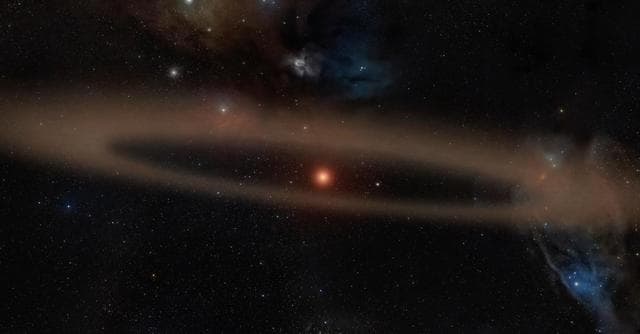
When a planet such as K2-33b passes in front of its host star, it blocks some of the star's light. Observing this...
JPL
Image
Aug 25, 2014
NASA's New Horizons Pluto Mission: Continuing Voyager's Legacy o
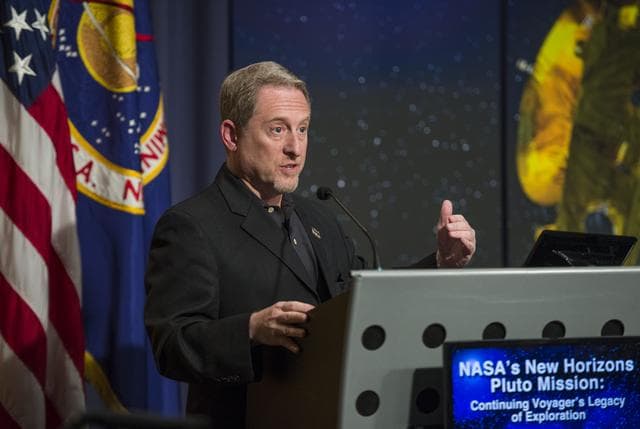
Dr. Alan Stern, Principal Investigator on NASA's New Horizons Mission, delivers closing remarks following a panel...
HQ
Image
Aug 25, 2014
NASA's New Horizons Pluto Mission: Continuing Voyager's Legacy o
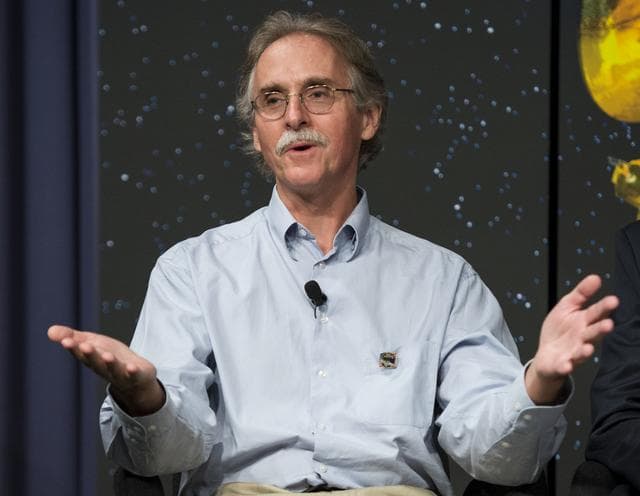
Dr. John Spencer, senior scientist at the Southwest Research Institute in Boulder, Colorado, speaks during a panel...
HQ
Image
Sep 13, 1996
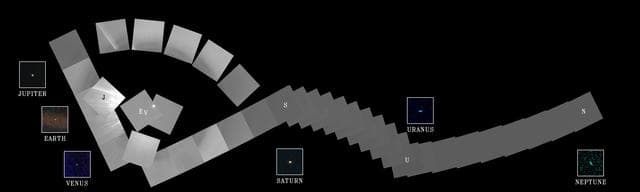
Solar System Portrait - 60 Frame Mosaic
The cameras of Voyager 1 on Feb. 14, 1990, pointed back toward the sun and took a series of pictures of the sun and...
JPL
Image
Aug 21, 1989
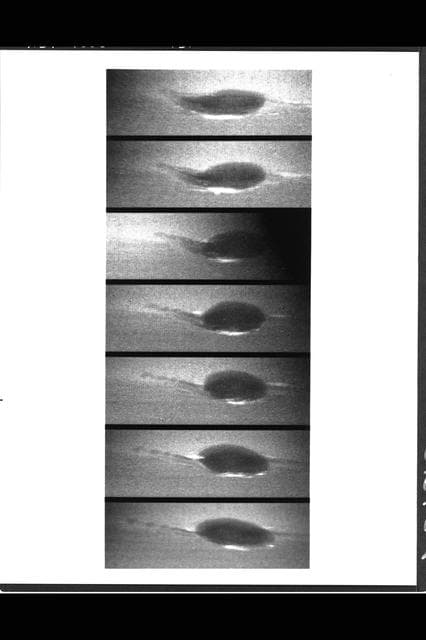
ARC-1989-A89-7000
Photo by Voyager 2 (jpl) These images show changes in the clouds around Neptune's Great Dark Spot (GDS) over a four...
ARC
Image
Aug 19, 1989
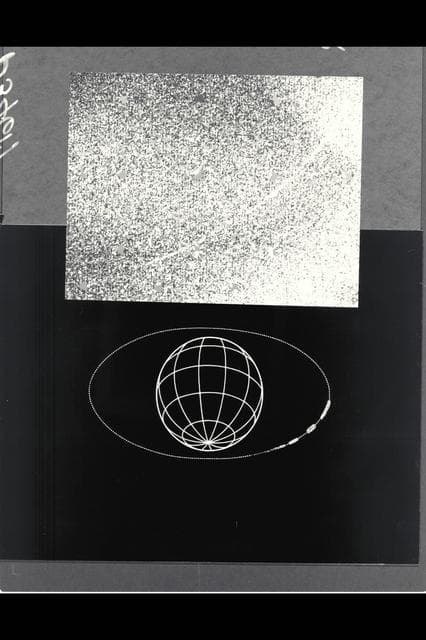
ARC-1989-A89-7004
Range : 8.6 million kilometers (5.3 million miles) The Voyager took this 61 second exposure through the clear filter...
ARC

Image
Aug 26, 1989
ARC-1989-A89-7045
Range : 280,000 km. ( 170,000 miles ) P-34726 BW Two 10 minute exposures of Neptune's rings clearly show the two...
ARC

Image
Jan 24, 1986
ARC-1986-AC86-7042
Range : 1 illion km. ( 600,000 mi. ) Resolution : 140 km. ( 90 mi. ) P-29539C This Voyager 2 image of Uranus was...
ARC

Image
Aug 17, 1989
ARC-1989-A89-7005
August 17 to 19, 1989 Range : 11.5 million km (7.1 million mi.) to 7.9 million km (4.9 million mi.) Four black and...
ARC
Image
Aug 25, 1989
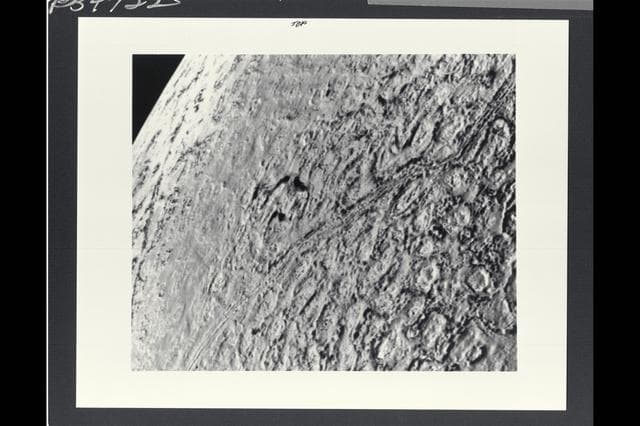
ARC-1989-AC89-7055
Voyager II Imagery, Neptune: This is one of the most detailed views of the surface of Triton taken by Voyager 2 on...
ARC

Image
Aug 25, 1989
ARC-1989-A89-7047
Range : 660,000 km. ( 412,000 miles ) P-34711 This Voyager 2 wide angle photograph shows the shadow of Neptune on...
ARC

Image
Aug 26, 1989
ARC-1989-AC89-7036
P-34705 This false-color photograph of Neptune was made from Voyager 2 images taken through three filters: blue,...
ARC
Image
Aug 25, 1989
ARC-1989-AC89-7046
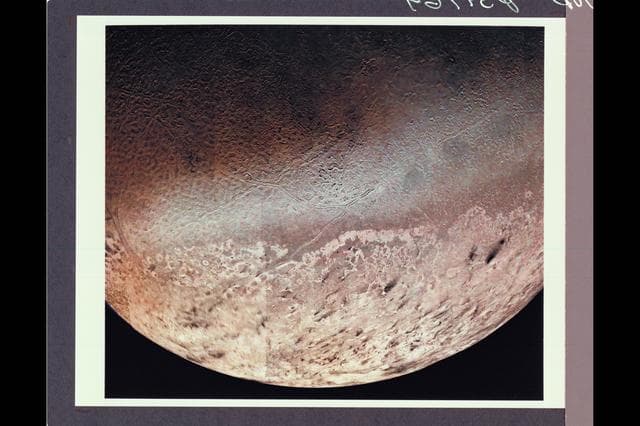
P-34764 Voyager 2 obtained this high resolution color image of Neptune's large satellite Triton during its close...
ARC
Image
Jul 30, 1989
ARC-1989-A89-7041
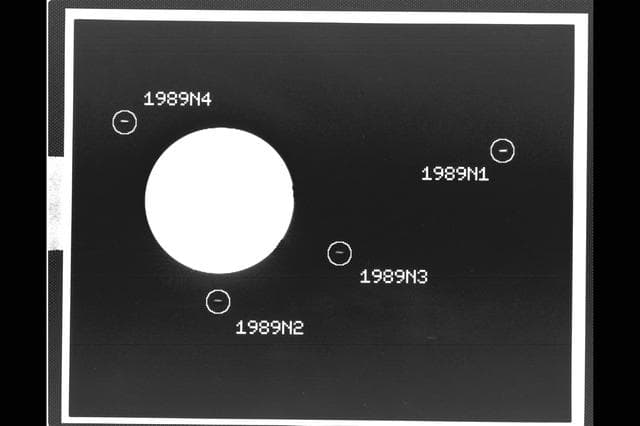
P-34540 Range: 37.3 million kilometers (23.6 million miles) This image captured by the Voyager 2 spacecraft was used...
ARC

Image
Aug 26, 1989
ARC-1989-A89-7037
P-34707 Range: 720,000 kilometers (446,400 miles) The Voyager spacecraft took this picture after closest approach to...
ARC