CosmosObservatory
Explore
Solar System
Live
Learn
Tools
About
Cosmos Observatory
ToolsAbout
Cosmos Observatory

Explore the universe through NASA data, real-time ISS tracking, Mars rover imagery, asteroid monitoring, and comprehensive space encyclopedia. Your gateway to the cosmos.

Explore

  • APOD
  • Mars Rovers
  • Earth Imagery
  • NASA Gallery
  • ISS Tracker

Data

  • Asteroids
  • Solar System
  • Exoplanets
  • Space Weather
  • Launches

Tools

  • Glossary
  • News
  • Calculators

Legal

  • About
  • Privacy Policy
  • Terms of Use
  • Space Tools
  • Contact

Stay updated with the cosmos

Get weekly digests of APOD highlights, upcoming launches, and space events.

© 2026 Cosmos Observatory. All rights reserved. Built with for space enthusiasts.

This website is not affiliated with, maintained, authorized, endorsed by, or in any way officially connected with NASA or any of its subsidiaries or affiliates. All NASA imagery is in the public domain unless otherwise noted. Data sourced from NASA Open APIs, Launch Library 2, and other open data services.

NASA Gallery

Explore NASA's vast collection of space images, videos, and audio from missions past and present.

  1. Home
  2. /
  3. NASA Gallery

NASA's Image and Video Library: A Visual Archive of Space Exploration

NASA's Image and Video Library is one of the most comprehensive public archives of space imagery in the world, containing over 140,000 images, videos, and audio recordings spanning more than six decades of space exploration. From the earliest Mercury and Gemini missions through the Apollo Moon landings, the Space Shuttle era, and today's cutting-edge observations from the James Webb Space Telescope, this collection documents humanity's journey into the cosmos.

The library includes imagery from diverse sources: telescopes like Hubble and Webb that capture deep-space nebulae, galaxies, and exoplanets; planetary missions like the Mars rovers ( browse Mars photos) and Cassini at Saturn; Earth observation satellites ( see EPIC imagery); astronaut photography from the ISS; and documentation of rocket launches, spacecraft assembly, and ground testing. Most NASA images are in the public domain and free to download at full resolution for educational, editorial, and personal use.

Use the search bar above to find specific subjects — try queries like "Apollo 11," "Hubble Deep Field," "Mars surface," or "astronaut EVA." You can also filter by media type (image, video, or audio). For a daily curated experience, visit the Astronomy Picture of the Day.

Showing results for "radiator"

3,130 results found - Page 59 of 131

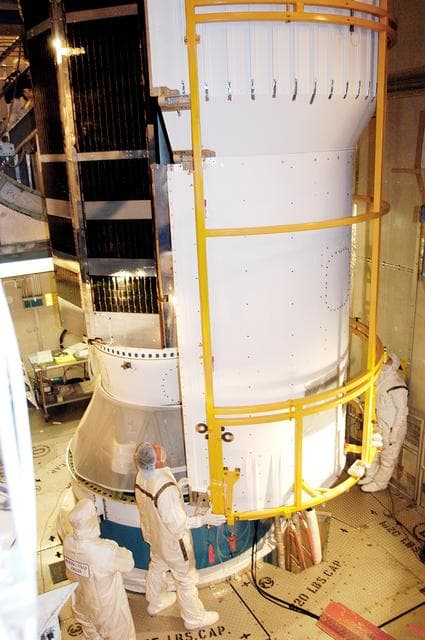
NASA image: KENNEDY SPACE CENTER, FLA.  - In the mobile service tower on Launch Pad 17-B, Cape Canaveral Air Force Station, workers move the first half of the fairing around the Space Infrared Telescope Facility (SIRTF) behind it for encapsulation. SIRTF will obtain images and spectra by detecting the infrared energy, or heat, radiated by objects in space. Consisting of a 0.85-meter telescope and three cryogenically cooled science instruments, SIRTF will be the largest infrared telescope ever launched into space. It is the fourth and final element in NASA’s family of orbiting “Great Observatories.” Its highly sensitive instruments will give a unique view of the Universe and peer into regions of space that are hidden from optical telescopes.
Image
Aug 14, 2003

KENNEDY SPACE CENTER, FLA. - In the mobile service tower on Launch Pad 17-B, Cape Canaveral Air Force Station, workers move the first half of the fairing around the Space Infrared Telescope Facility (SIRTF) behind it for encapsulation. SIRTF will obtain images and spectra by detecting the infrared energy, or heat, radiated by objects in space. Consisting of a 0.85-meter telescope and three cryogenically cooled science instruments, SIRTF will be the largest infrared telescope ever launched into space. It is the fourth and final element in NASA’s family of orbiting “Great Observatories.” Its highly sensitive instruments will give a unique view of the Universe and peer into regions of space that are hidden from optical telescopes.

KENNEDY SPACE CENTER, FLA. - In the mobile service tower on Launch Pad 17-B, Cape Canaveral Air Force Station,...

KSC
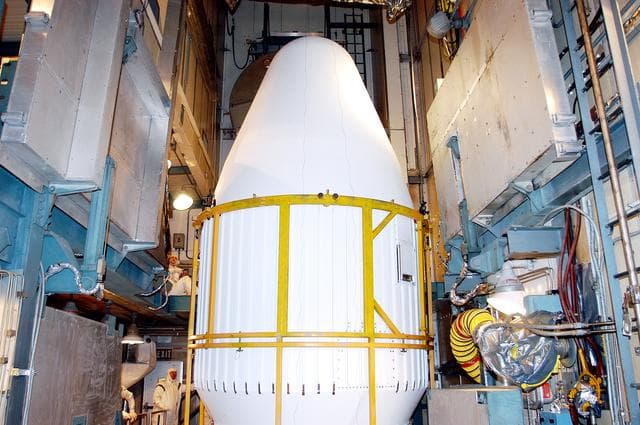
NASA image: KENNEDY SPACE CENTER, FLA.  - In the mobile service tower on Launch Pad 17-B, Cape Canaveral Air Force Station, the top of the fairing is seen as it moves into place around the Space Infrared Telescope Facility (SIRTF). SIRTF will obtain images and spectra by detecting the infrared energy, or heat, radiated by objects in space. Consisting of a 0.85-meter telescope and three cryogenically cooled science instruments, SIRTF will be the largest infrared telescope ever launched into space. It is the fourth and final element in NASA’s family of orbiting “Great Observatories.” Its highly sensitive instruments will give a unique view of the Universe and peer into regions of space that are hidden from optical telescopes.
Image
Aug 14, 2003

KENNEDY SPACE CENTER, FLA. - In the mobile service tower on Launch Pad 17-B, Cape Canaveral Air Force Station, the top of the fairing is seen as it moves into place around the Space Infrared Telescope Facility (SIRTF). SIRTF will obtain images and spectra by detecting the infrared energy, or heat, radiated by objects in space. Consisting of a 0.85-meter telescope and three cryogenically cooled science instruments, SIRTF will be the largest infrared telescope ever launched into space. It is the fourth and final element in NASA’s family of orbiting “Great Observatories.” Its highly sensitive instruments will give a unique view of the Universe and peer into regions of space that are hidden from optical telescopes.

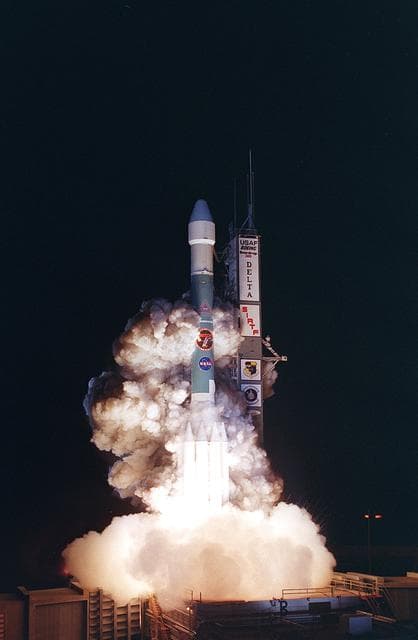
NASA image: KENNEDY SPACE CENTER, FLA.  -  NASA's Space Infrared Telescope Facility (SIRTF) lifts off from Launch Pad 17-B, Cape Canaveral Air Force Station, on Aug. 25 at 1:35:39 a.m. EDT. SIRTF will obtain images and spectra by detecting the infrared energy, or heat, radiated by objects in space. Consisting of a 0.85-meter telescope and three cryogenically cooled science instruments, SIRTF will be the largest infrared telescope ever launched into space. It is the fourth and final element in NASA’s family of orbiting “Great Observatories.” Its highly sensitive instruments will give a unique view of the Universe and peer into regions of space that are hidden from optical telescopes.
Image
Aug 25, 2003

KENNEDY SPACE CENTER, FLA. - NASA's Space Infrared Telescope Facility (SIRTF) lifts off from Launch Pad 17-B, Cape Canaveral Air Force Station, on Aug. 25 at 1:35:39 a.m. EDT. SIRTF will obtain images and spectra by detecting the infrared energy, or heat, radiated by objects in space. Consisting of a 0.85-meter telescope and three cryogenically cooled science instruments, SIRTF will be the largest infrared telescope ever launched into space. It is the fourth and final element in NASA’s family of orbiting “Great Observatories.” Its highly sensitive instruments will give a unique view of the Universe and peer into regions of space that are hidden from optical telescopes.

KENNEDY SPACE CENTER, FLA. - NASA's Space Infrared Telescope Facility (SIRTF) lifts off from Launch Pad 17-B, Cape...
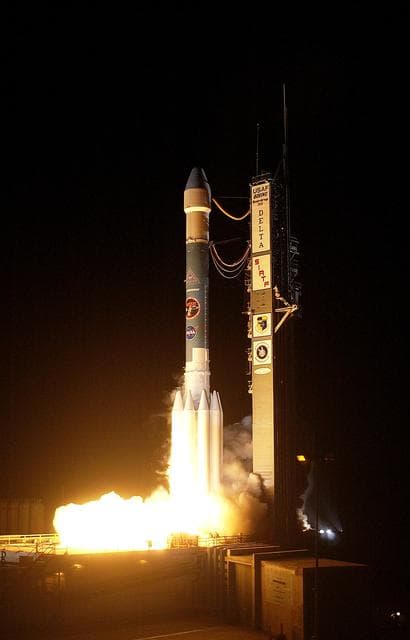
NASA image: KENNEDY SPACE CENTER, FLA.  -  NASA's Space Infrared Telescope Facility (SIRTF) lifts off from Launch Pad 17-B, Cape Canaveral Air Force Station, on Aug. 25 at 1:35:39 a.m. EDT. SIRTF will obtain images and spectra by detecting the infrared energy, or heat, radiated by objects in space. Consisting of a 0.85-meter telescope and three cryogenically cooled science instruments, SIRTF will be the largest infrared telescope ever launched into space. It is the fourth and final element in NASA’s family of orbiting “Great Observatories.” Its highly sensitive instruments will give a unique view of the Universe and peer into regions of space that are hidden from optical telescopes.
Image
Aug 25, 2003

KENNEDY SPACE CENTER, FLA. - NASA's Space Infrared Telescope Facility (SIRTF) lifts off from Launch Pad 17-B, Cape Canaveral Air Force Station, on Aug. 25 at 1:35:39 a.m. EDT. SIRTF will obtain images and spectra by detecting the infrared energy, or heat, radiated by objects in space. Consisting of a 0.85-meter telescope and three cryogenically cooled science instruments, SIRTF will be the largest infrared telescope ever launched into space. It is the fourth and final element in NASA’s family of orbiting “Great Observatories.” Its highly sensitive instruments will give a unique view of the Universe and peer into regions of space that are hidden from optical telescopes.

KENNEDY SPACE CENTER, FLA. - NASA's Space Infrared Telescope Facility (SIRTF) lifts off from Launch Pad 17-B, Cape...
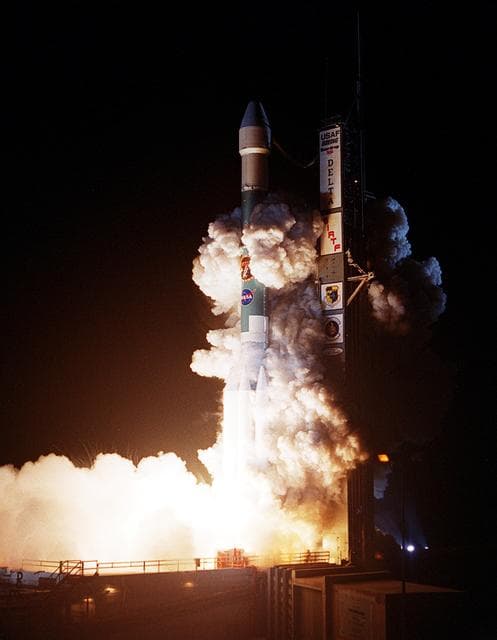
NASA image: KENNEDY SPACE CENTER, FLA.  -  NASA's Space Infrared Telescope Facility (SIRTF) lifts off from Launch Pad 17-B, Cape Canaveral Air Force Station, on Aug. 25 at 1:35:39 a.m. EDT. SIRTF will obtain images and spectra by detecting the infrared energy, or heat, radiated by objects in space. Consisting of a 0.85-meter telescope and three cryogenically cooled science instruments, SIRTF will be the largest infrared telescope ever launched into space. It is the fourth and final element in NASA’s family of orbiting “Great Observatories.” Its highly sensitive instruments will give a unique view of the Universe and peer into regions of space that are hidden from optical telescopes.
Image
Aug 25, 2003

KENNEDY SPACE CENTER, FLA. - NASA's Space Infrared Telescope Facility (SIRTF) lifts off from Launch Pad 17-B, Cape Canaveral Air Force Station, on Aug. 25 at 1:35:39 a.m. EDT. SIRTF will obtain images and spectra by detecting the infrared energy, or heat, radiated by objects in space. Consisting of a 0.85-meter telescope and three cryogenically cooled science instruments, SIRTF will be the largest infrared telescope ever launched into space. It is the fourth and final element in NASA’s family of orbiting “Great Observatories.” Its highly sensitive instruments will give a unique view of the Universe and peer into regions of space that are hidden from optical telescopes.

KENNEDY SPACE CENTER, FLA. - NASA's Space Infrared Telescope Facility (SIRTF) lifts off from Launch Pad 17-B, Cape...
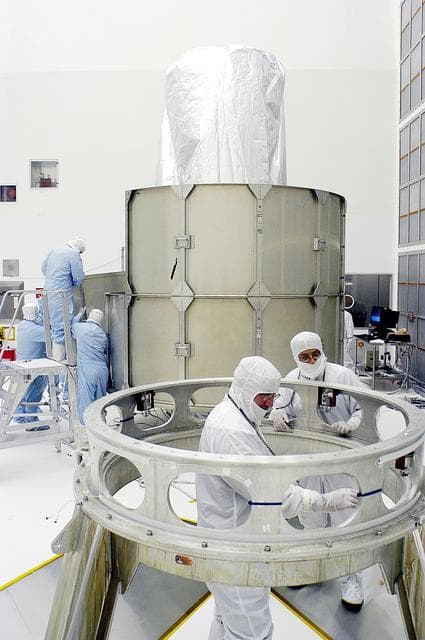
NASA image: KENNEDY SPACE CENTER, FLA. -  Workers in NASA Spacecraft Hangar AE (background) remove sections of the transportation canister from around the Space Infrared Telescope Facility (SIRTF), which has been returned to the hangar from the launch pad.   Additional workers (foreground) prepare the Delta payload attach fitting, from which SIRTF was demated, for further use.  SIRTF will remain in the clean room until it returns to the pad in early August. One of NASA's largest infrared telescopes to be launched, SIRTF will obtain images and spectra by detecting the infrared energy, or heat, radiated by objects in space.
Image
May 2, 2003

KENNEDY SPACE CENTER, FLA. - Workers in NASA Spacecraft Hangar AE (background) remove sections of the transportation canister from around the Space Infrared Telescope Facility (SIRTF), which has been returned to the hangar from the launch pad. Additional workers (foreground) prepare the Delta payload attach fitting, from which SIRTF was demated, for further use. SIRTF will remain in the clean room until it returns to the pad in early August. One of NASA's largest infrared telescopes to be launched, SIRTF will obtain images and spectra by detecting the infrared energy, or heat, radiated by objects in space.

KENNEDY SPACE CENTER, FLA. - Workers in NASA Spacecraft Hangar AE (background) remove sections of the transportation...

NASA image: PREFIRE: A Mission to Better Understand Earth’s Polar Regions (Mission Overview)
Video
May 16, 2024

PREFIRE: A Mission to Better Understand Earth’s Polar Regions (Mission Overview)

NASA’s PREFIRE mission aims to improve global climate change predictions by expanding our understanding of heat loss...

JPL
NASA image: Dust and Drama in the Orion Nebula from NASA and ESA Images
Video
Nov 22, 2022

Dust and Drama in the Orion Nebula from NASA and ESA Images

Enjoy a moment of Zen with this fly-through of the Orion Nebula, based on images captured by NASA and ESA (European...

JPL
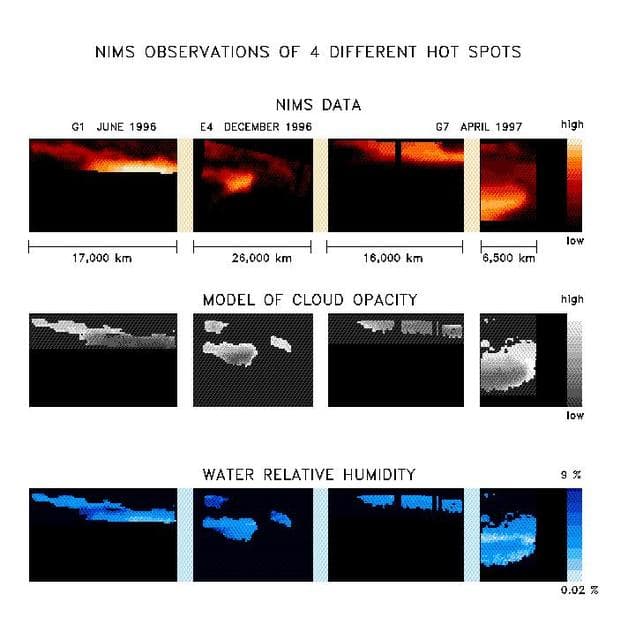
NASA image: NIMS Observes the Structure and Composition of Jupiter Clouds
Image
Mar 26, 1998

NIMS Observes the Structure and Composition of Jupiter Clouds

With the NIMS instrument high quality observations are being obtained from all parts of Jupiter. The images in the...

JPL
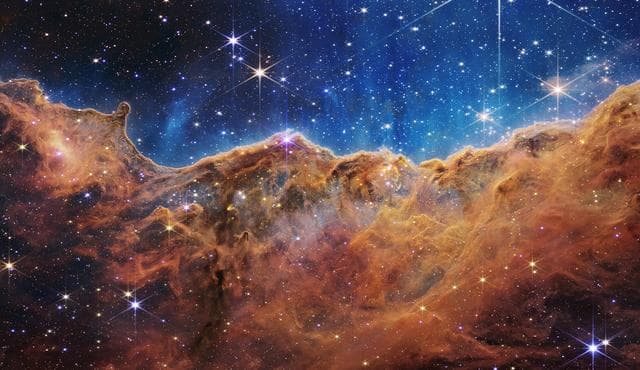
NASA image: James Webb Space Telescope NIRCam Image of the “Cosmic Cliffs” in Carina Nebula
Image
Jul 12, 2022

James Webb Space Telescope NIRCam Image of the “Cosmic Cliffs” in Carina Nebula

What looks much like craggy mountains on a moonlit evening is actually the edge of a nearby, young, star-forming...

STScI (Webb)
NASA image: 2022-H1_V_EuropaClipper-4
Video
Mar 17, 2022

2022-H1_V_EuropaClipper-4

NASA's Europa Clipper will conduct detailed reconnaissance of Jupiter's moon Europa and investigate whether the icy...

LRC
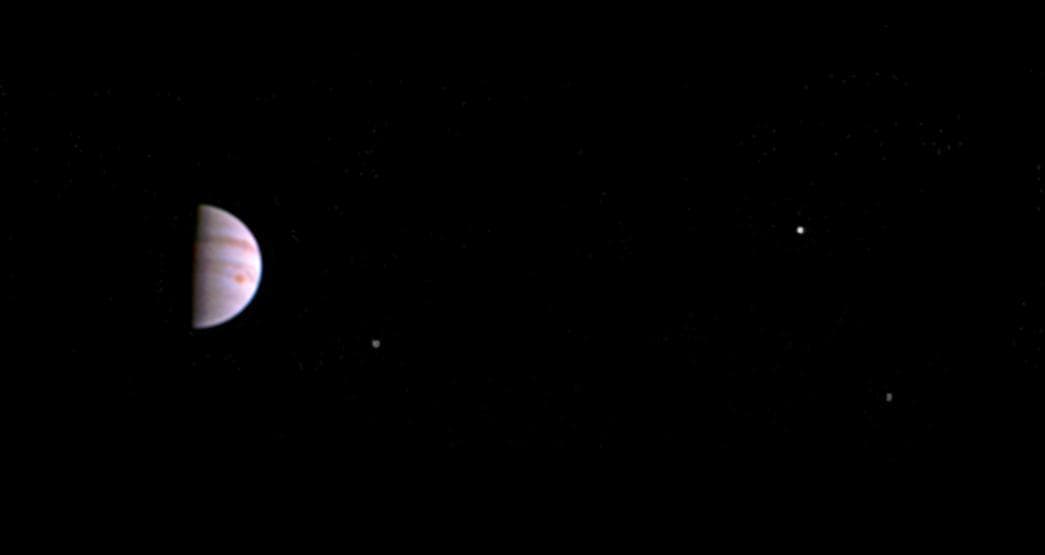
NASA image: Juno Post-arrival View
Image
Jul 12, 2016

Juno Post-arrival View

This color view from NASA's Juno spacecraft is made from some of the first images taken by JunoCam after the...

JPL
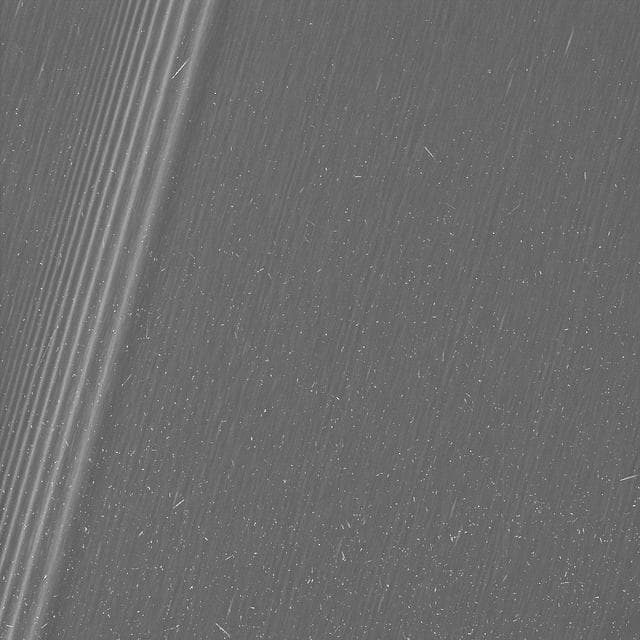
NASA image: The Propeller Belts in Saturn A Ring
Image
Jan 30, 2017

The Propeller Belts in Saturn A Ring

This image from NASA's Cassini mission shows a region in Saturn's A ring. The level of detail is twice as high as...

JPL
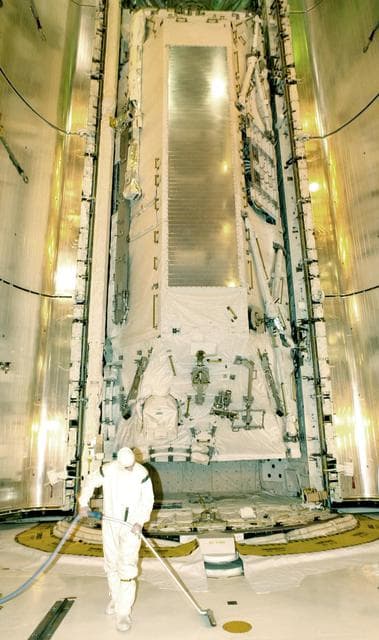
NASA image: KSC-02PD-0381
Image
Apr 1, 2002

KSC-02PD-0381

KENNEDY SPACE CENTER, FLA. - A worker at Launch Pad 39B prepares for the closing of Space Shuttle Atlantis' payload...

KSC
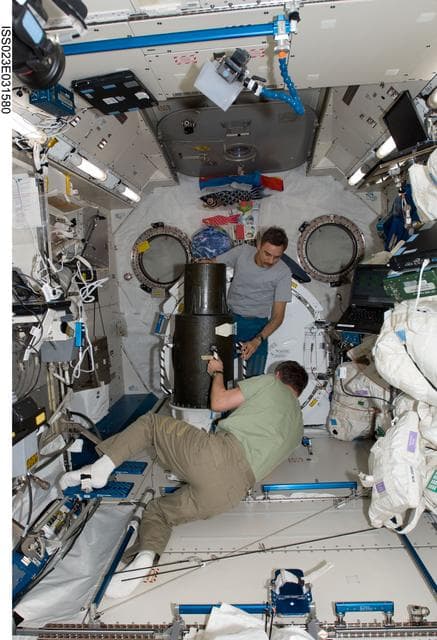
NASA image: Skvortsov and Kornienko with Matroshka-2 Kibo Hardware
Image
May 4, 2010

Skvortsov and Kornienko with Matroshka-2 Kibo Hardware

ISS023-E-031580 (4 May 2010) --- Russian cosmonauts Alexander Skvortsov (foreground) and Mikhail Kornienko, both...

JSC
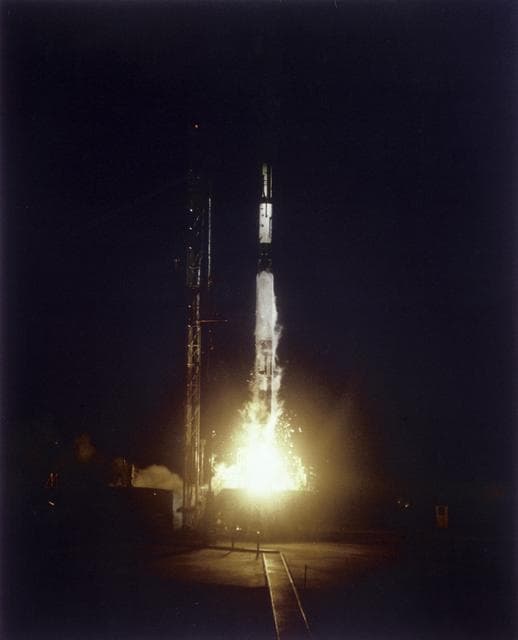
NASA image: Early Rockets
Image
Sep 1, 1955

Early Rockets

Launch of a three-stage Vanguard (SLV-7) from Cape Canaveral, Florida, September 18, 1959. Designated Vanguard III,...

MSFC
NASA image: Explorer 1 60th Anniversary
Image
Jan 31, 2018

Explorer 1 60th Anniversary

Kennedy Space Center Director Bob Cabana speaks to guests at an event celebrating the 60th anniversary of America's...

KSC
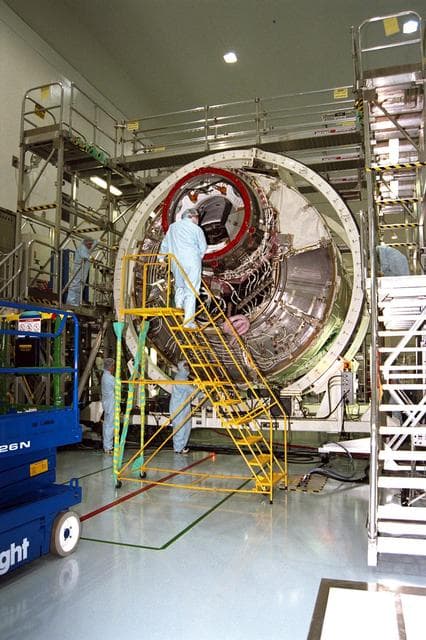
NASA image: KSC-97PC1758
Image
Dec 9, 1997

KSC-97PC1758

KENNEDY SPACE CENTER, FLA. -- The International Space Station's Node 1 and Pressurized Mating Adapter-1 (PMA-1) are...

KSC
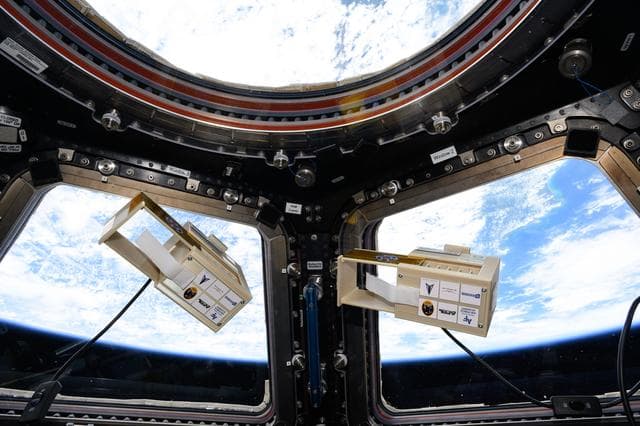
NASA image: iss073e0076872
Image
May 21, 2025

iss073e0076872

iss073e0076872 (5/21/2025) --- The LEO Integrated Flori-culture Experiment (LIFE) 01 (Rhodium Plant LIFE) hardware...

JSC
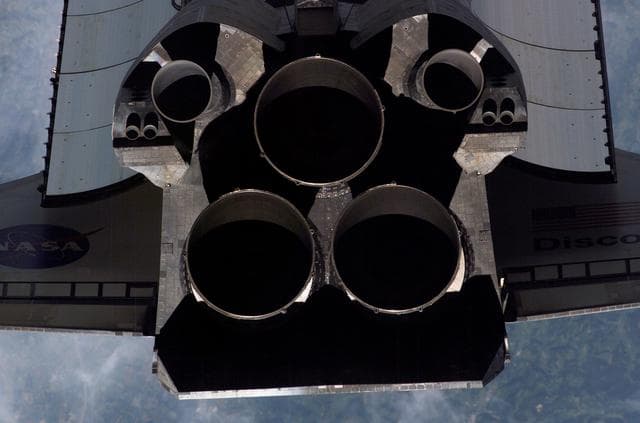
NASA image: Mapping sequence performed during the STS-121 R-Bar Pitch Maneuver
Image
Jul 6, 2006

Mapping sequence performed during the STS-121 R-Bar Pitch Maneuver

ISS013-E-47629 (6 July 2006) --- A close-up view of Space Shuttle Discovery's tail section is featured in this image...

JSC
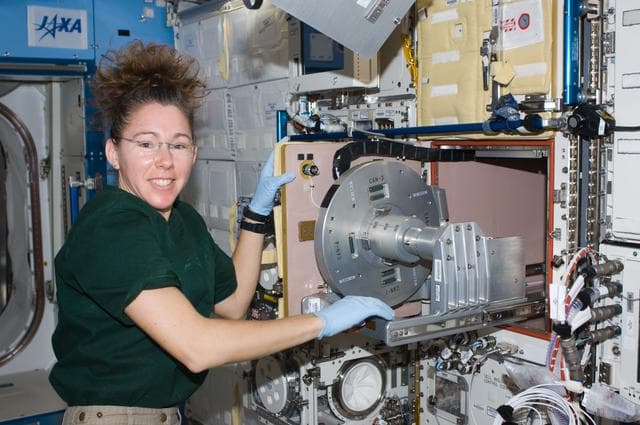
NASA image: LOH- RadGene experiment at Cell Biology Experiment Facility (CBEF)
Image
Feb 20, 2009

LOH- RadGene experiment at Cell Biology Experiment Facility (CBEF)

ISS018-E-034555 (20 Feb. 2009) --- Astronaut Sandra Magnus, Expedition 18 flight engineer, takes a moment for a...

JSC
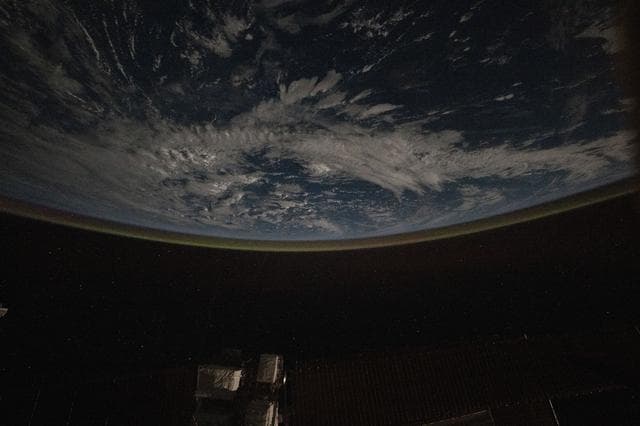
NASA image: A faint airglow blankets Earth's horizon above the Pacific Ocean
Image
Sep 2, 2025

A faint airglow blankets Earth's horizon above the Pacific Ocean

iss073e0780028 (Sept. 2, 2025) --- A faint airglow blankets Earth's horizon in this photograph taken from the...

JSC
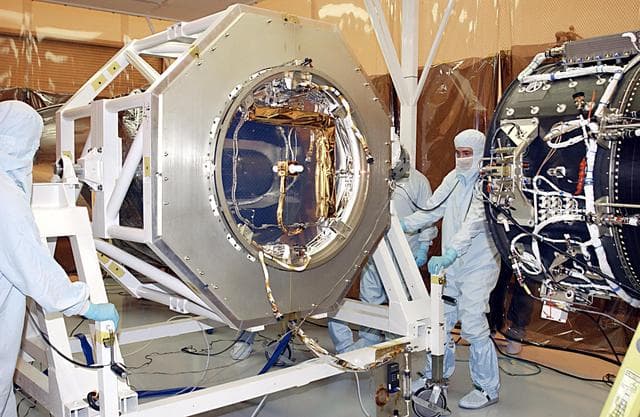
NASA image: KSC-03pd0024
Image
Jan 5, 2003

KSC-03pd0024

KENNEDY SPACE CENTER, FLA. - Technicians in the Multi-Purpose Processing Facility move NASA's Solar Radiation and...

KSC
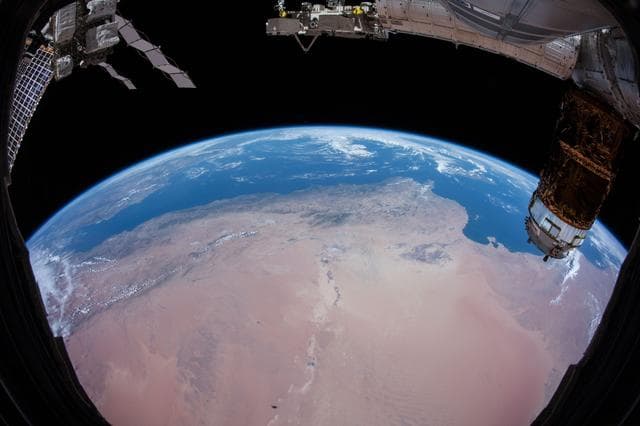
NASA image: Two-Orbit Time Lapse Earth Observation taken with a Fisheye Lens
Image
Oct 6, 2018

Two-Orbit Time Lapse Earth Observation taken with a Fisheye Lens

iss057e000244 (Oct. 6, 2018) --- A image captured from a time-lapse imagery sequence shows north Africa and the...

JSC
PreviousPage 59 of 100Next

Frequently Asked Questions About NASA Images

Are NASA images free to use?+
Yes, most NASA images are in the public domain and are free to use for educational, informational, and personal purposes. NASA's media usage guidelines state that NASA material is not copyrighted unless otherwise noted. However, the NASA logo and certain insignia are protected. Some images may include identifiable individuals or third-party content that requires additional permissions. Always check the specific image's usage rights and credit NASA as the source.
How many images does NASA have?+
NASA's Image and Video Library contains over 140,000 publicly accessible images, videos, and audio files spanning the agency's entire history, from the Mercury program of the 1960s to the latest James Webb Space Telescope discoveries. The collection grows daily as new missions capture imagery and archival materials are digitized. Individual mission archives, such as Mars rover photos, contain hundreds of thousands of additional images.
Can I download NASA images?+
Yes, you can download NASA images in multiple resolutions directly from this gallery. Each image detail page provides download links for original (full resolution), large (1920px), medium (960px), small (480px), and thumbnail sizes. NASA encourages the public to use these images for education, media, and personal projects. High-resolution originals are ideal for printing and professional use.

Explore More NASA Content

Astronomy Picture of the Day

Daily curated space image

Mars Rover Photos

Curiosity & Perseverance images

Earth from Space

DSCOVR EPIC daily images

Launch Schedule

Upcoming rocket launches

Space News

Mission updates & discoveries

KENNEDY SPACE CENTER, FLA. - In the mobile service tower on Launch Pad 17-B, Cape Canaveral Air Force Station, the...

KSC
KSC
KSC
KSC
KSC