Image
Apr 6, 2026
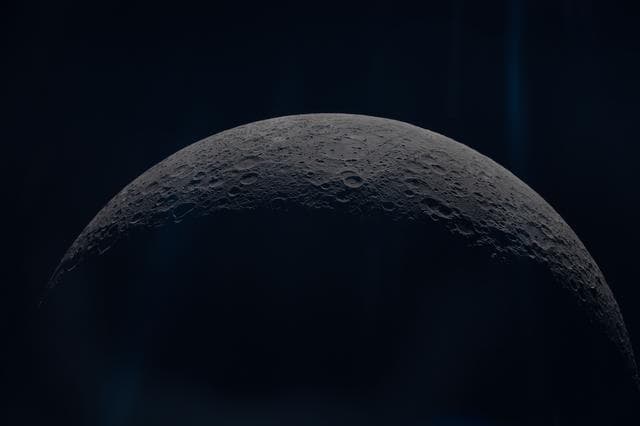
Over the Moon, Bea
art002e012632 (April 6, 2026) - The Artemis II crew captures the Moon's curved limb during their journey around the...
JSC
Image
Apr 6, 2026
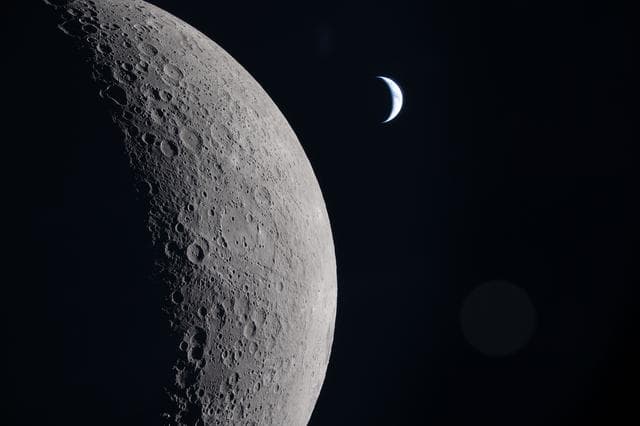
Home in the Distance
art002e020922 (April 6, 2026) – As the Artemis II crew came close to passing behind the Moon and experiencing a...
JSC
Image
Apr 6, 2026
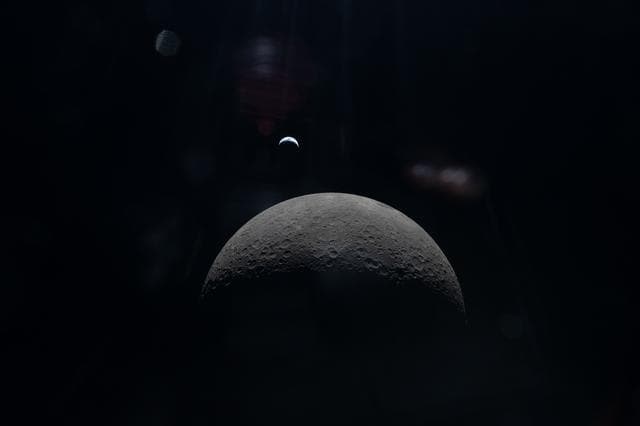
Crescent Earth Over Lunar Horizon
art002e015231 (April 6, 2026) – The Artemis II crew captures a faint view of a crescent Earth above the horizon on...
JSC
Image
Apr 6, 2026
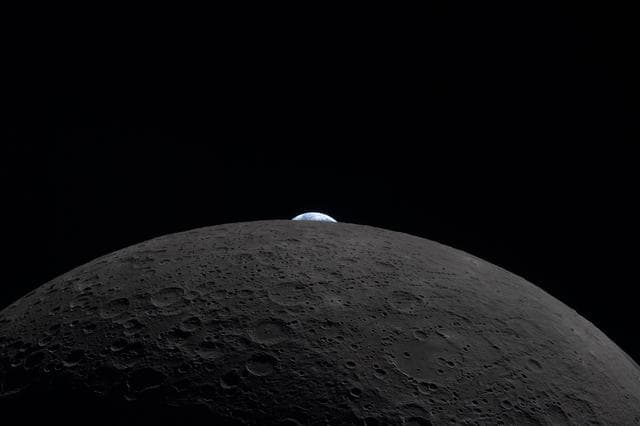
Taking a Peek at Earth from the Far Side of the Moon
art002e021283 (April 6, 2026) – The Earth appears to be peeking out over the horizon of the Moon,but pictured here...
JSC
Image
Apr 6, 2026
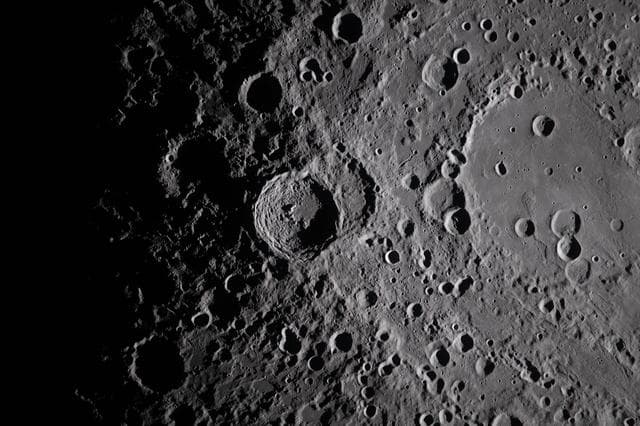
Shadows Across Vavilov Crater
art002e009282 (April 6, 2026) - A close-up view taken by the Artemis II crew of Vavilov Crater on the rim of the...
JSC

Video
Jun 25, 2024
Gateway Lunar Space Station Flyby
NASA and its international partners will explore the scientific mysteries of deep space with Gateway, humanity’s...
JSC
Image
Apr 6, 2026
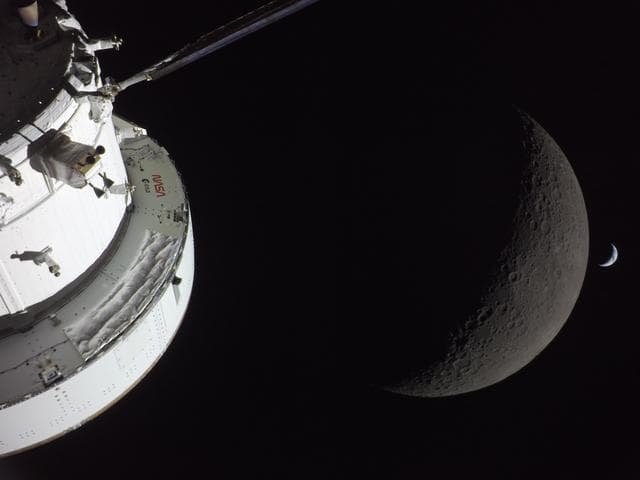
Orion, the Moon, Earth
art002e016277 (April 6, 2026) - NASA’s Orion spacecraft captures the Moon and the Earth in one frame during the...
JSC
Image
Apr 6, 2026
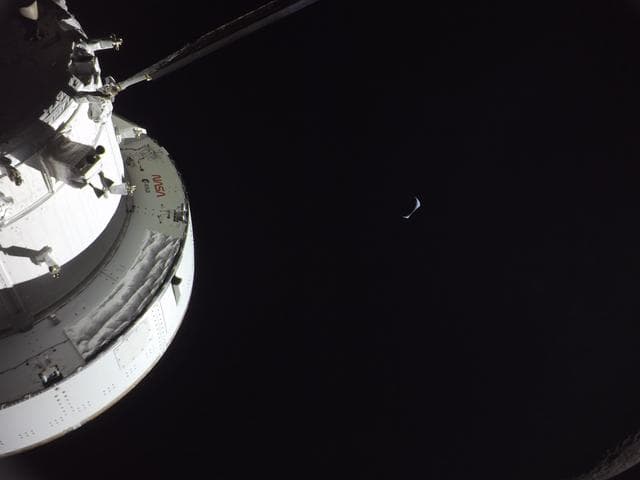
Earthrise Captured by Orion
art002e016299 (April 6, 2026) - Earthrise captured from a camera mounted on one of the Orion spacecraft’s solar...
JSC

Image
Apr 6, 2026
Artemis lunar science team -- jsc2026e021358
Science evaluation room communicator, Kiarre Dumes, left, and deputy lunar science lead Marie Henderson work in the...
JSC
Image
Apr 6, 2026
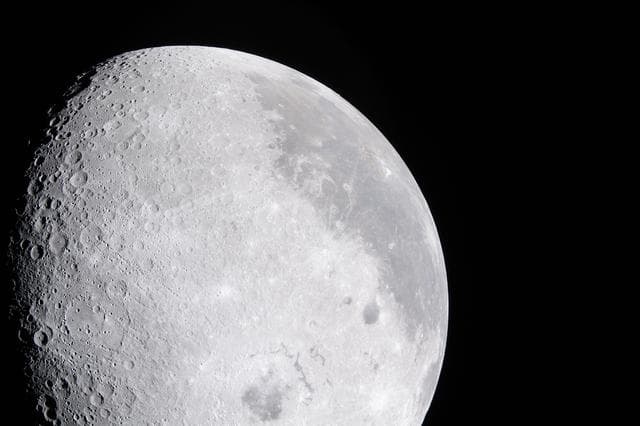
Crossing into the Lunar Farside
art002e010014 (April 6, 2026) – A bright portion of the Moon is visible in this image. If you look closely, you can...
JSC
Image
Apr 3, 2026
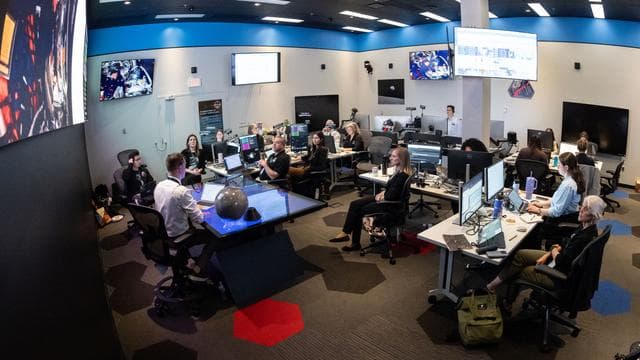
A view inside the Science Evaluation Room (SER) in Mission Control -- jsc2026e019925
A view inside the Science Evaluation Room (SER) in Mission Control at NASA’s Johnson Space Center in Houston. The...
JSC

Image
Apr 2, 2026
Artemis II lunar science team -- jsc2026e019981
Artemis science officer, Angela Garcia, left and lunar science team member, Kiarre Dumes discuss science operations...
JSC
Image
Apr 2, 2026
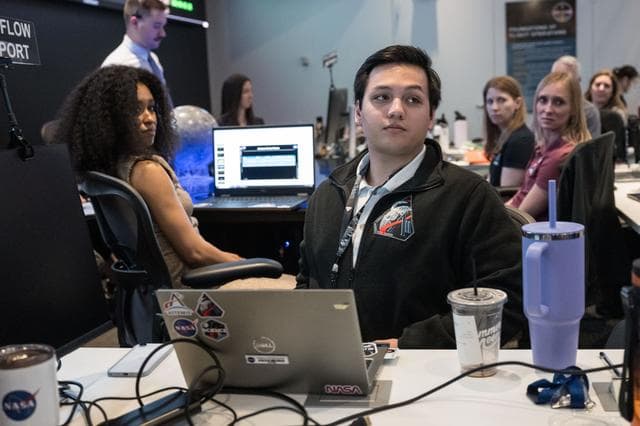
Artemis II lunar science team -- jsc2026e019992
Artemis II lunar science team members, in the foreground from left: Amber Turner and Jared Ralleta in the center....
JSC
Image
Apr 2, 2026
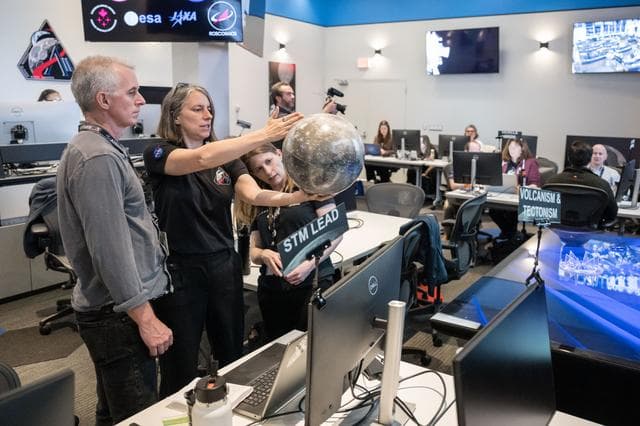
Artemis II lunar science team members discuss lunar geography -- jsc2026e019958
Artemis II lunar science team members, from left, Ryan Ewing, Juliane Gross, and Debra Needham, discuss lunar...
JSC
Image
Apr 2, 2026
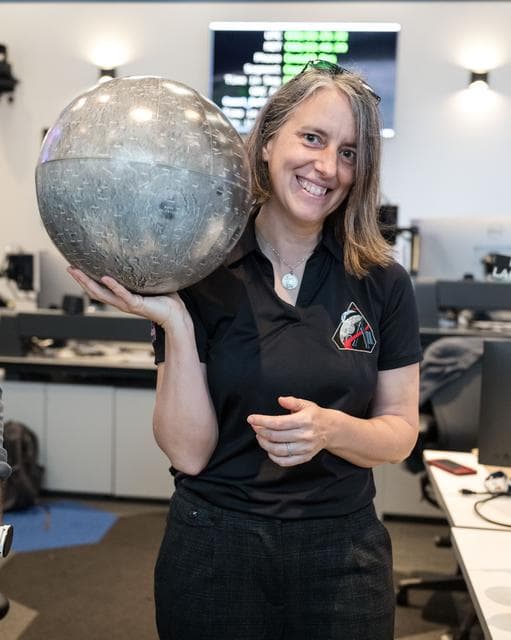
Artemis curation lead, Juliane Gross -- jsc2026e019959
Artemis curation lead, Juliane Gross, holds a lunar globe in the Science Evaluation Room (SER) in Mission Control at...
JSC
Image
Apr 6, 2026
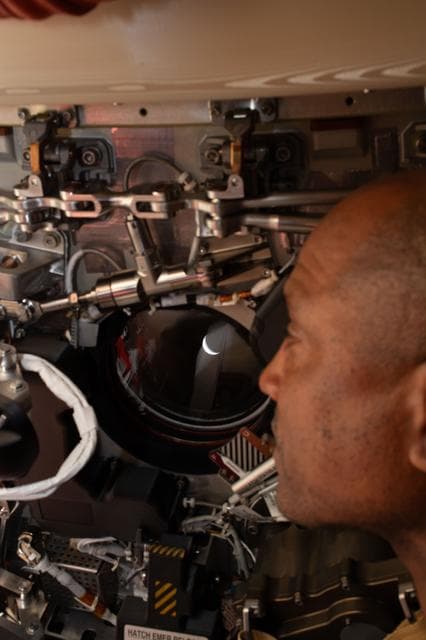
Reflections of Earth with Victor Glover
art002e009273 (April 6, 2026) - Artemis II pilot and NASA astronaut Victor Glover peers out one of the Orion...
JSC
Image
Apr 6, 2026
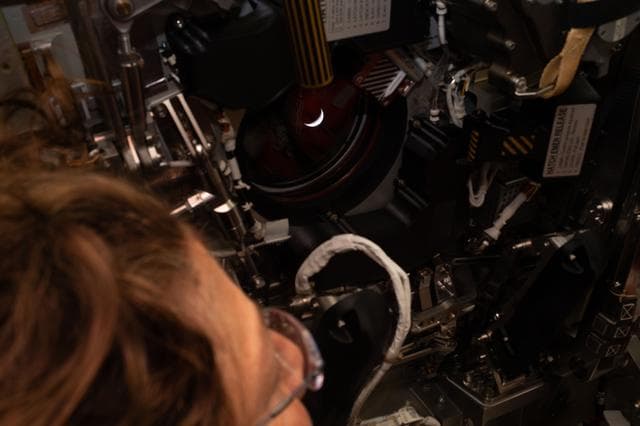
Home, Sweet Home
art002e009274 (April 6, 2026) - Artemis II mission specialist and NASA astronaut Christina Koch looks out one of the...
JSC
Image
Apr 6, 2026
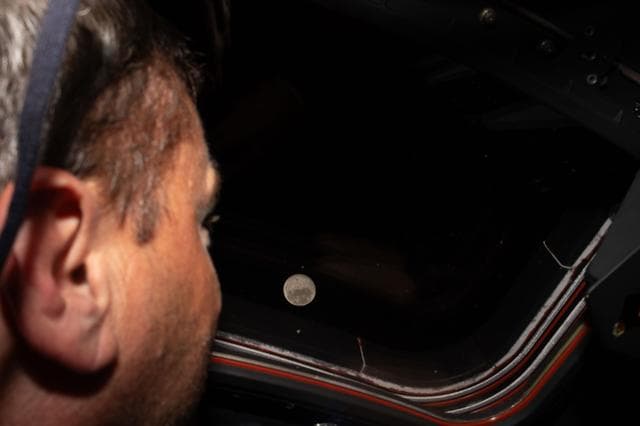
Lunar Looking
art002e009275 (April 6, 2026) - Artemis II commander and NASA astronaut Reid Wiseman looks out one of the Orion...
JSC
Image
Feb 10, 2022
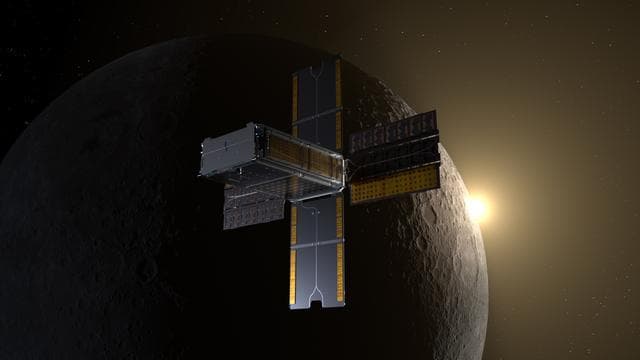
BioSentinel Encounters Lunar Sunrise
BioSentinel spacecraft enters a lunar flyby trajectory into a heliocentric orbit. BioSentinel will detect and...
ARC
Image
Dec 3, 2022
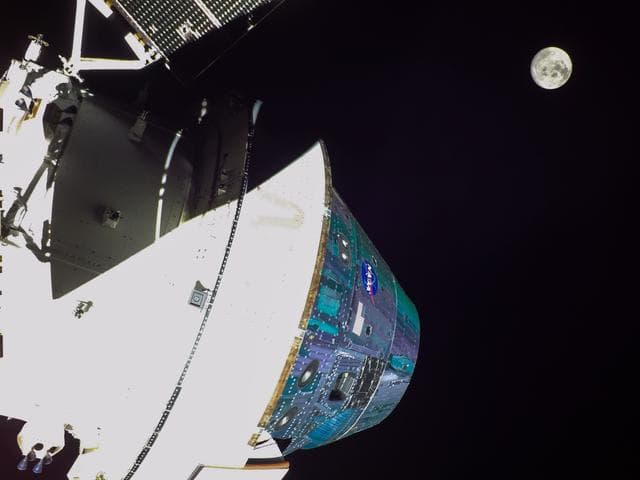
Flight Day 19: Orion Approaches the Moon
art001e002000 (Dec. 4, 2022) On the 19th day of the Artemis I mission, the Moon grows larger in frame as Orion...
JSC
Image
Dec 3, 2022
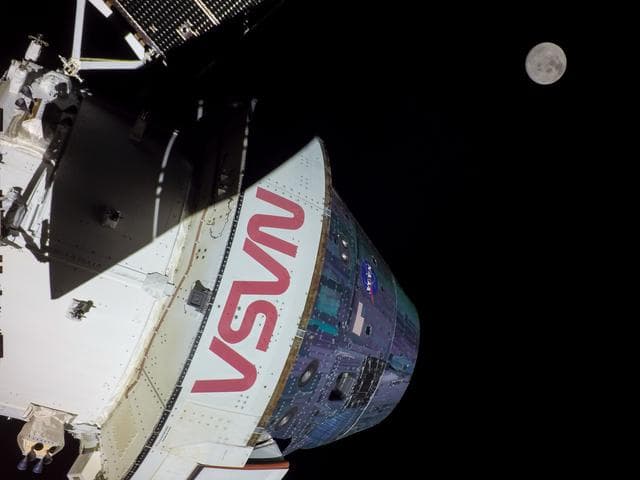
Flight Day 19: Orion Approaches the Moon
art001e001999 (Dec. 4, 2022) On the 19th day of the Artemis I mission, the Moon grows larger in frame as Orion...
JSC

Video
Nov 21, 2022
Flight Day 6: Orion Approaches Moon
art001m1013251138 (Nov. 21, 2022) On flight day 6, Orion approached the Moon for the outbound powered flyby, when it...
JSC
Image
Feb 10, 2022
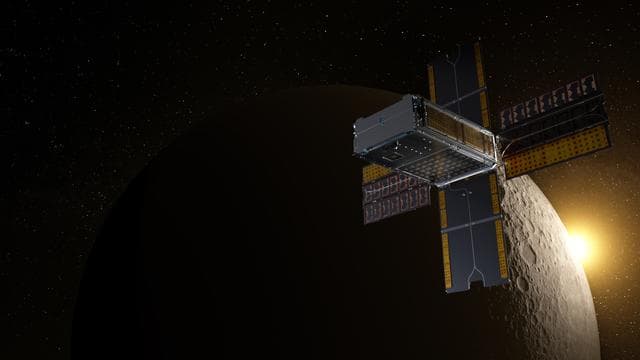
BioSentinel Encounters Lunar Sunrise
BioSentinel spacecraft enters a lunar flyby trajectory into a heliocentric orbit. BioSentinel will detect and...
ARC
Image
Dec 3, 2022
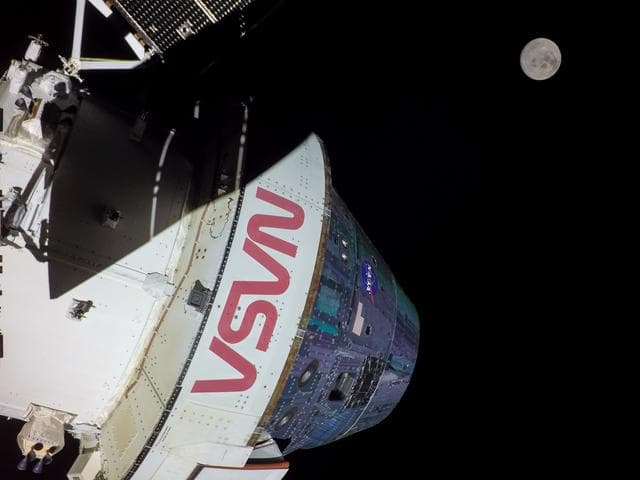
Flight Day 19: Orion Approaches the Moon
art001e001998 (Dec. 4, 2022) On the 19th day of the Artemis I mission, the Moon grows larger in frame as Orion...
JSC