Image
Mar 7, 2008
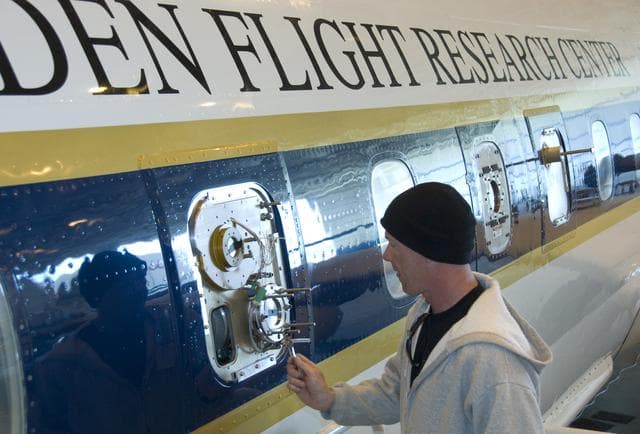
Lee Mauldin inspects the National Center for Atmospheric Research CIMS instrument probe on the exterior of NASA's DC-8 flying lab prior to the ARCTAS mission
Climate researchers from the National Center for Atmospheric Research (NCAR) and several universities install and...
AFRC
Image
Apr 9, 2019
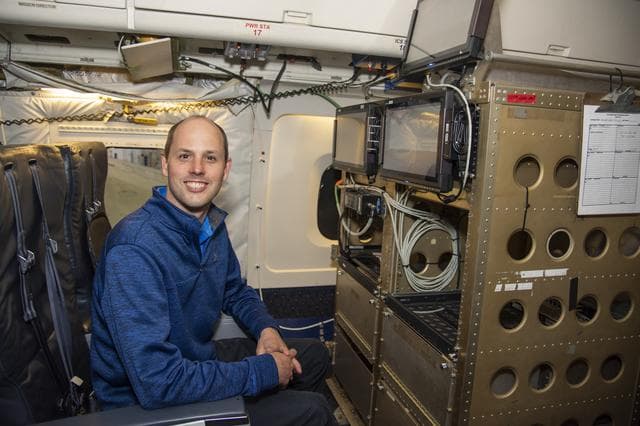
NASA Testing Airborne Lasers to Touch the Wind
NASA Langley Research Center's Kris Bedka, pictured here on the DC-8 flying laboratory, is the lead for an airborne...
AFRC
Image
Mar 7, 2008
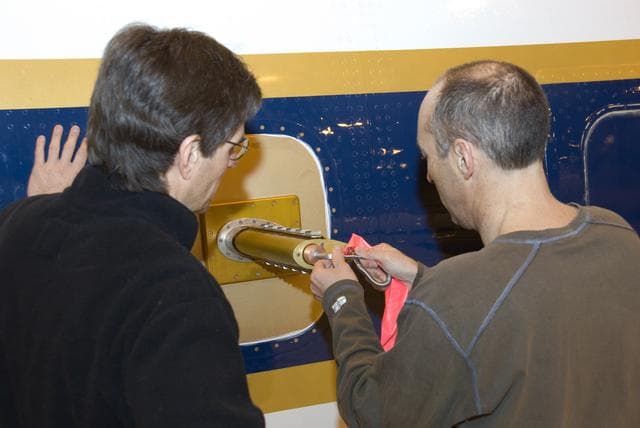
Eric Apel and Alan Hills of the National Center for Atmospheric Research install the Trace Organic Gas Analyzer's sensor probe on the exterior of NASA's DC-8
Climate researchers from the National Center for Atmospheric Research (NCAR) and several universities install and...
AFRC
Image
Mar 7, 2008
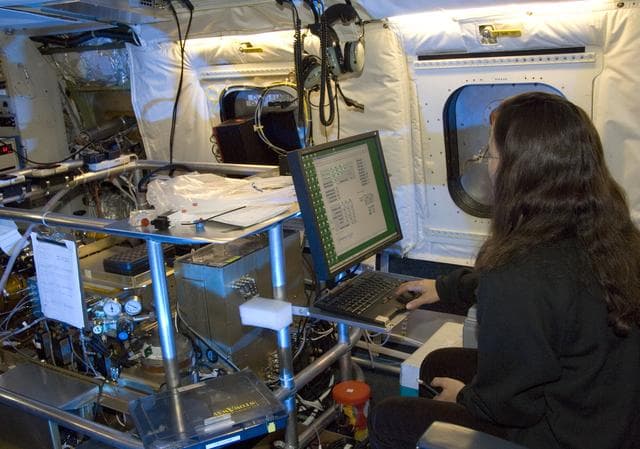
Deedee Montzka of the National Center for Atmospheric Research checks out the NOxyO3 instrument on NASA's DC-8 flying laboratory before the ARCTAS mission
Climate researchers from the National Center for Atmospheric Research (NCAR) and several universities install and...
AFRC
Image
Aug 6, 2021
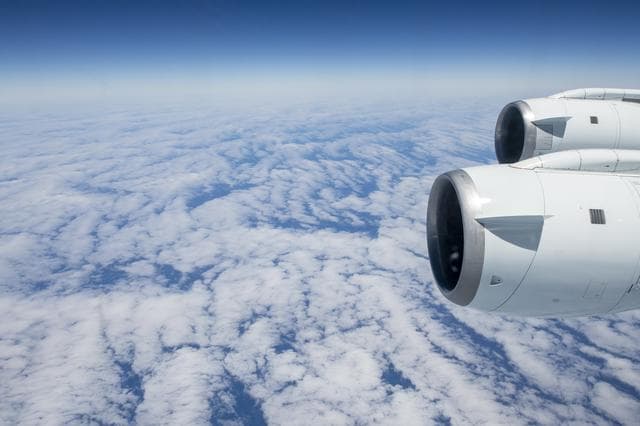
DC-8 CPEX-AW Science Flight
NASA's Armstrong Flight Research Center flies the DC-8 airborne science laboratory in support of the Convective...
AFRC
Image
Mar 7, 2008
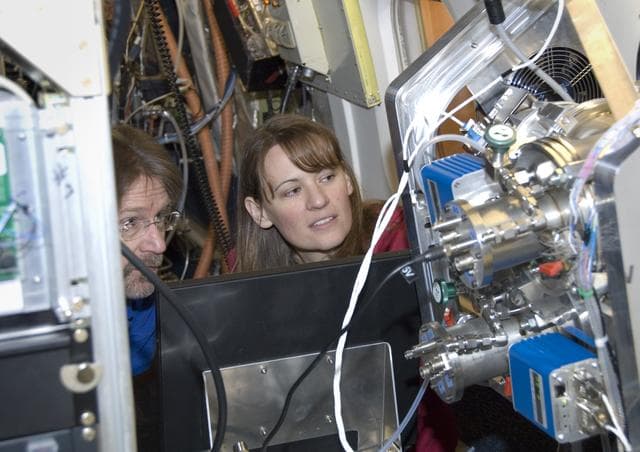
Chris Cantrell and Becky Anderson of the National Center for Atmospheric Research assess the CIMS instrument's operation during ARCTAS mission preparations
Climate researchers from the National Center for Atmospheric Research (NCAR) and several universities install and...
AFRC
Image
Dec 29, 1997
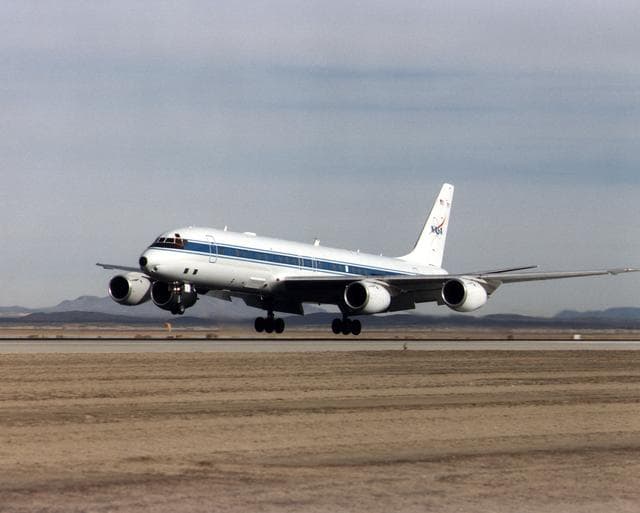
DC-8 Airborne Laboratory arrival at NASA Dryden
NASA's DC-8 Airborne Science platform landed at Edwards Air Force Base, California, to join the fleet of aircraft at...
AFRC
Image
Mar 10, 2004
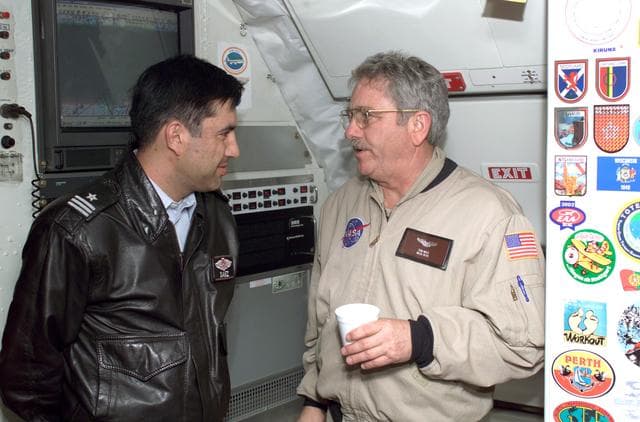
Chilean Air Force Captain Saez and Dr. Tom Mace discuss airborne science during a DC-8 ferry flight from Santiago to Punta Arenas, Chile
Chilean Air Force Captain Saez and Dr. Tom Mace, DFRC Director of Airborne Sciences, discuss airborne science during...
AFRC
Video
May 17, 2024
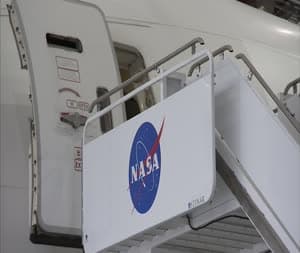
NASA B777 Prepares to Leave for Modification
The addition of a Boeing 777 to NASA's science fleet brings a large platform for the newest laboratory in the sky. A...
LRC
Image
Mar 8, 2004
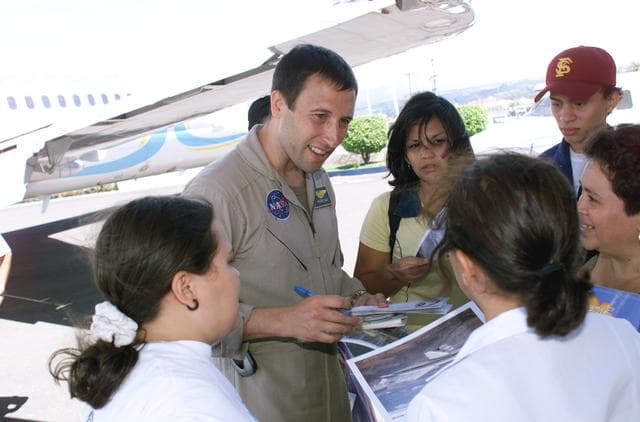
DFRC Mission Manager Walter Klein passes out stickers and lithographs to underprivileged Costa Rican school children that visited the airport on Monday March 8, 2004
NASA Dryden Mission Manager Walter Klein passes out Airborne Science stickers and lithographs to underprivileged...
AFRC
Image
Mar 8, 2004
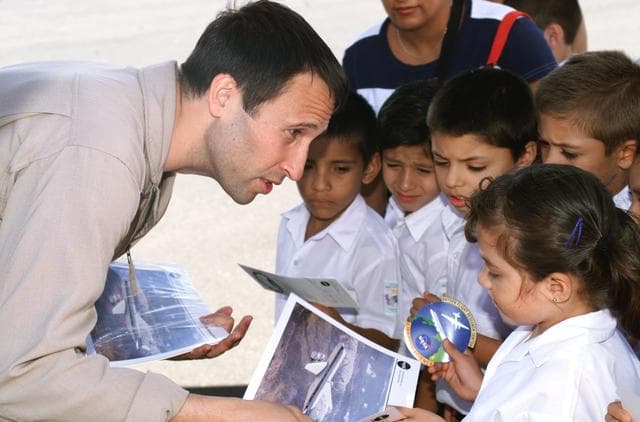
DFRC Mission Manager Walter Klein passes out stickers and lithographs to underprivileged Costa Rican school children that visited the airport on Monday March 8, 2004
NASA Dryden Mission Manager Walter Klein passes out Airborne Science stickers and lithographs to underprivileged...
AFRC
Image
Mar 8, 2004
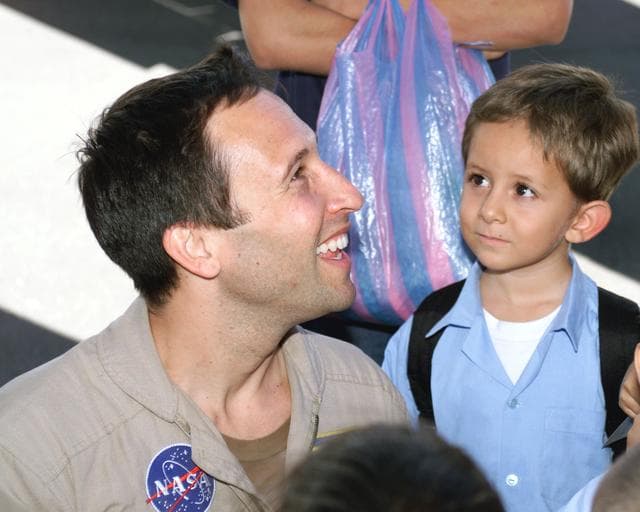
DFRC Mission Manager Walter Klein passes out stickers and lithographs to underprivileged Costa Rican school children that visited the airport on Monday March 8, 2004
NASA Dryden Mission Manager Walter Klein passes out Airborne Science stickers and lithographs to underprivileged...
AFRC
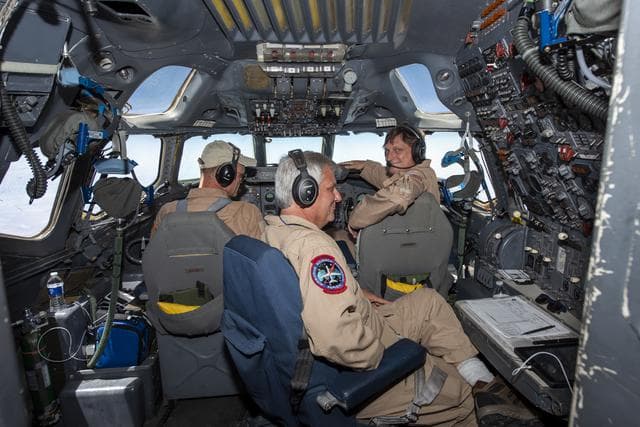
Image
Aug 6, 2021
DC-8 CPEX-AW Science Flight
NASA's Armstrong Flight Research Center flies the DC-8 airborne science laboratory in support of the Convective...
AFRC
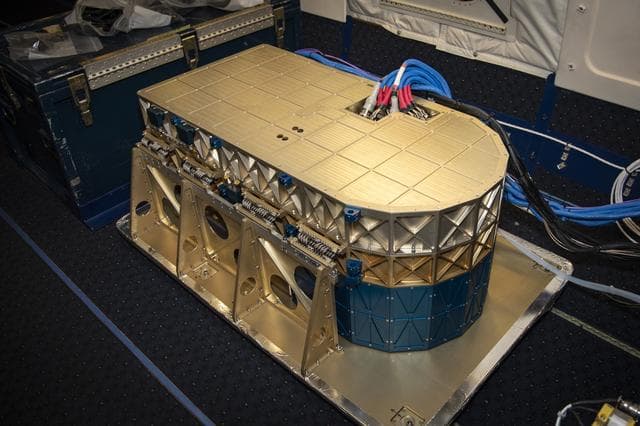
Image
Apr 10, 2019
High Altitude Lidar Observatory (HALO) Instrument
The High Altitude Lidar Observatory (HALO) instrument head, which houses the lidar instrument, is installed onto the...
AFRC
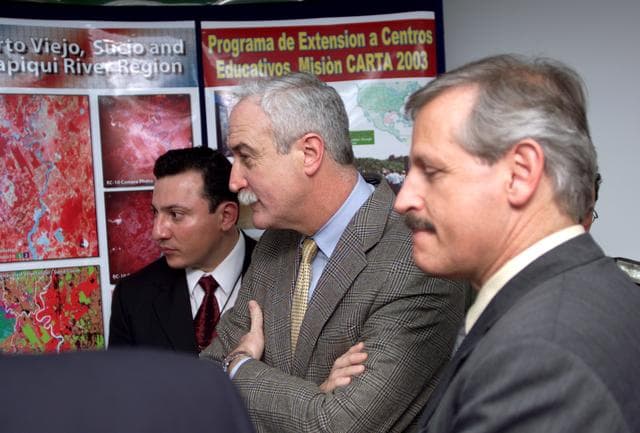
Image
Mar 3, 2004
Personnel viewing posters showing how NASA activities have made an impact on Costa Rican people
L-R; Jorge Andres Diaz, Director of the Costa Rican National Hangar for Airborne Research division of the National...
AFRC
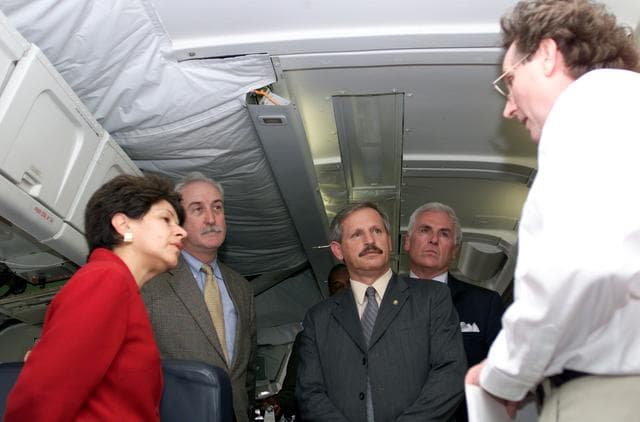
Image
Mar 3, 2004
VIP tour of NASA DFRC's DC-8 during the AirSAR 2004 Mesoamerica campaign
VIP tour of NASA DFRC's DC-8 airborne laboratory during the AirSAR 2004 Mesoamerica campaign given by Craig Dobson,...
AFRC
Image
Feb 24, 2004
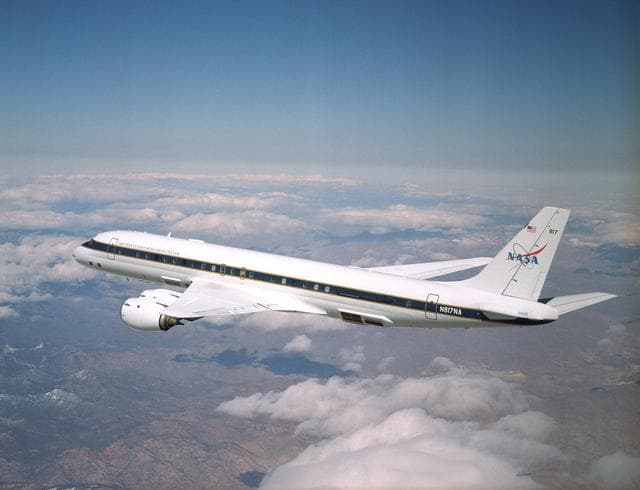
NASA's DC-8 Airborne Science research aircraft, in new colors and markings, in flight Feb. 24, 2004
NASA's DC-8 Airborne Science research aircraft, in new colors and markings, in flight Feb. 24, 2004. Dark panels on...
AFRC
Image
Feb 24, 2004
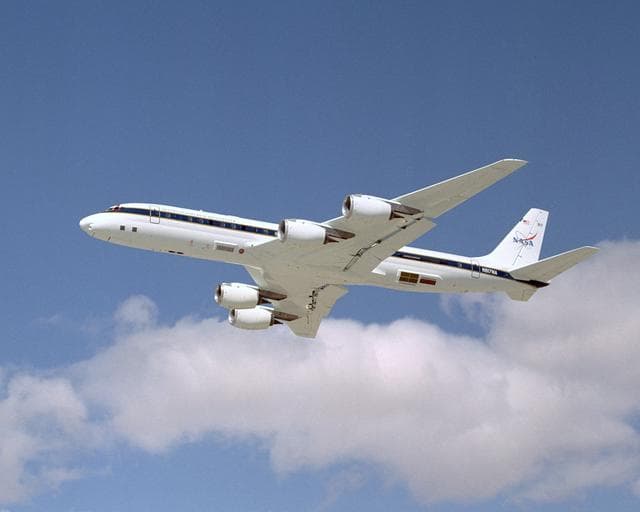
NASA's DC-8 Airborne Science research aircraft, in new colors and markings, takes off Feb. 24, 2004
NASA's DC-8 Airborne Science research aircraft, in new colors and markings, takes off Feb. 24, 2004. Dark panels on...
AFRC
Image
Feb 24, 2004
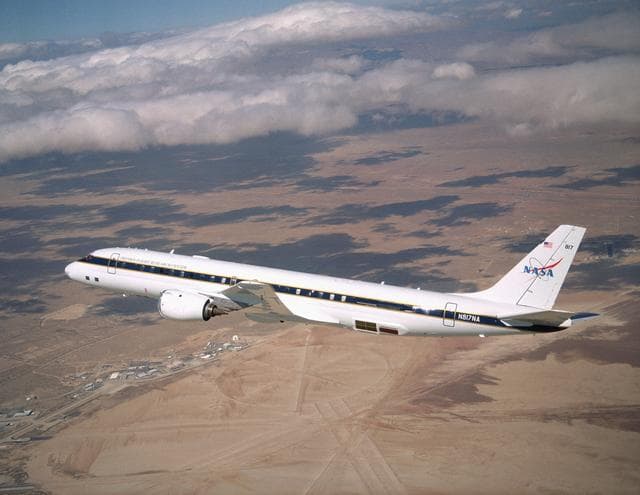
NASA's Airborne Science DC-8, displaying new colors in a check flight Feb. 24, 2004, over the Dryden Flight Research Center
NASA's large Airborne Science research aircraft, a modified DC-8 airliner, displayed new colors in a check flight...
AFRC
Image
Feb 24, 2004
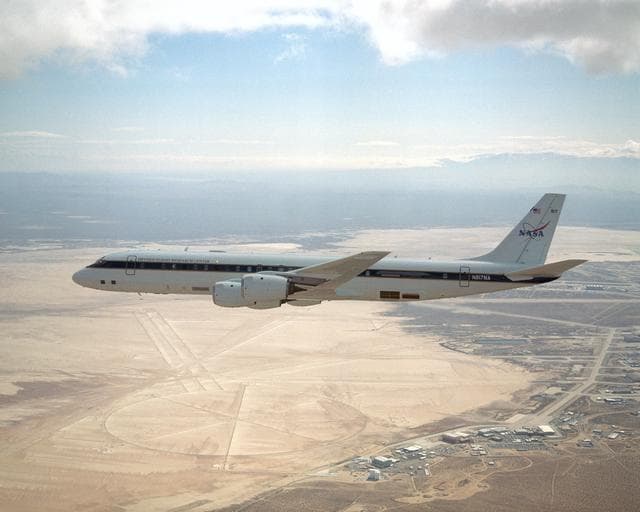
NASA's Airborne Science DC-8 displays new colors in a check flight over the Dryden Flight Research Center
NASA's large Airborne Science research aircraft, a modified DC-8 airliner, displayed new colors in a check flight...
AFRC

Video
Oct 27, 2023
NASA Armstrong’s DC-8 Aircraft Upload for EcoDemonstrator 2023
NASA joined partners in October 2023 to generate critical new data on sustainable aviation fuel through Boeing’s...
AFRC
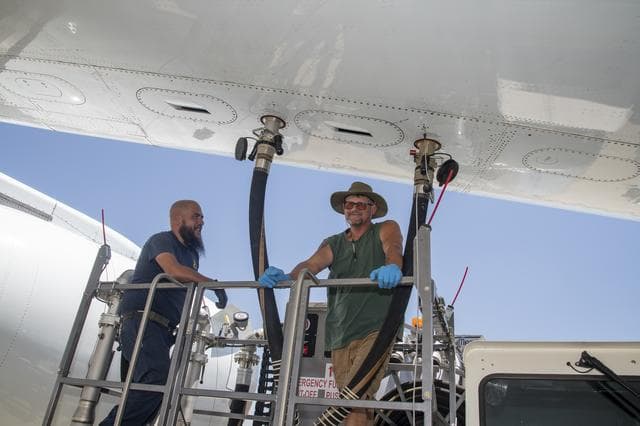
Image
Jun 27, 2023
SARP 2023
NASA Armstrong’s Student Airborne Research Program celebrates 15 years of success in 2023. An eight-week summer...
AFRC
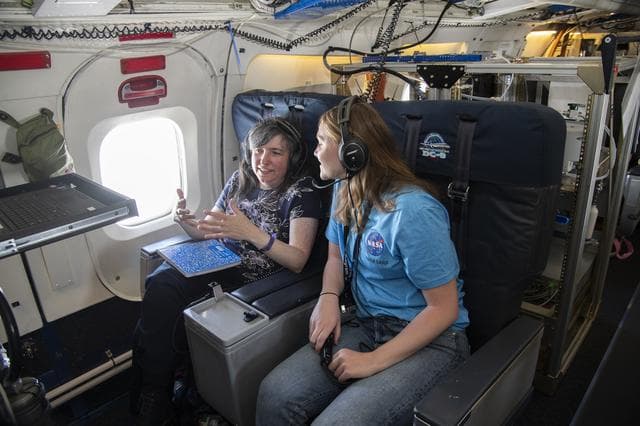
Image
Jun 27, 2023
SARP 2023
NASA Armstrong’s Student Airborne Research Program celebrates 15 years of success in 2023. An eight-week summer...
AFRC
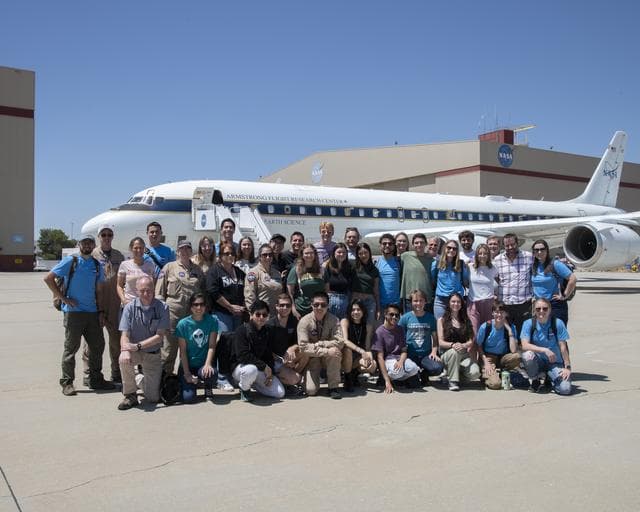
Image
Jun 27, 2023
SARP 2023
NASA Armstrong’s Student Airborne Research Program celebrates 15 years of success in 2023. An eight-week summer...
AFRC