Image
Jun 4, 1998
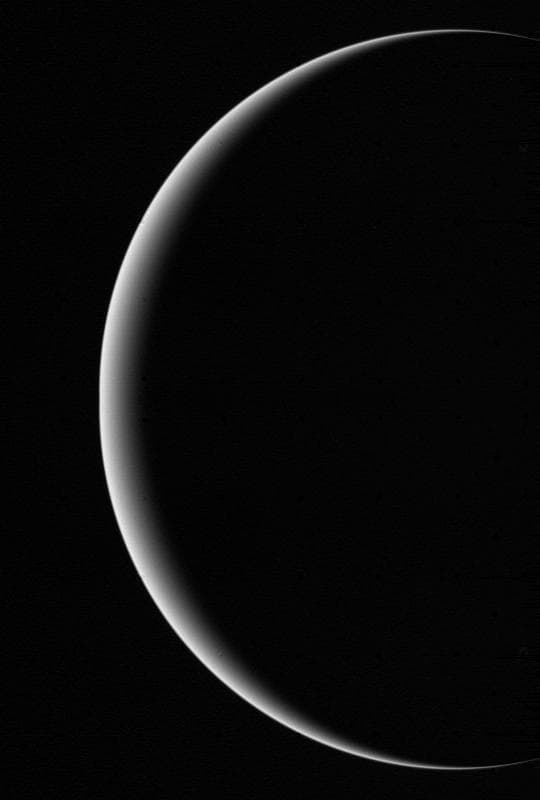
Color Voyager 2 Image Showing Crescent Uranus
This image shows a crescent Uranus, a view that Earthlings never witnessed until Voyager 2 flew near and then beyond...
JPL
Image
Apr 3, 2026
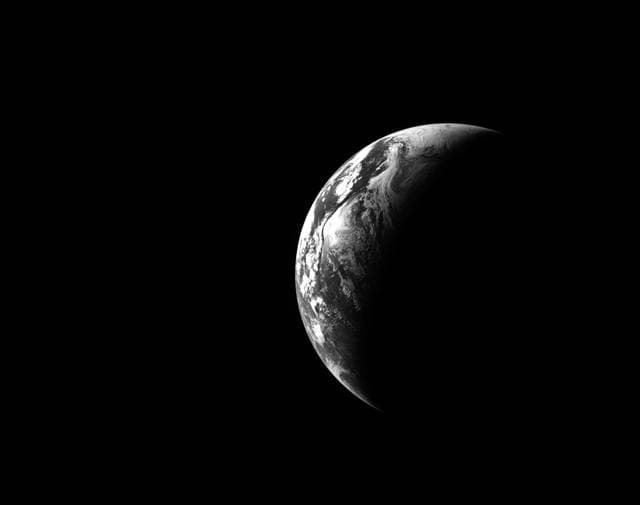
Orion Looks Back at Earth
art002e000180 (April 1, 2026) - This black and white image of Earth was captured by the optical navigation sensor on...
JSC
Image
Aug 21, 2009
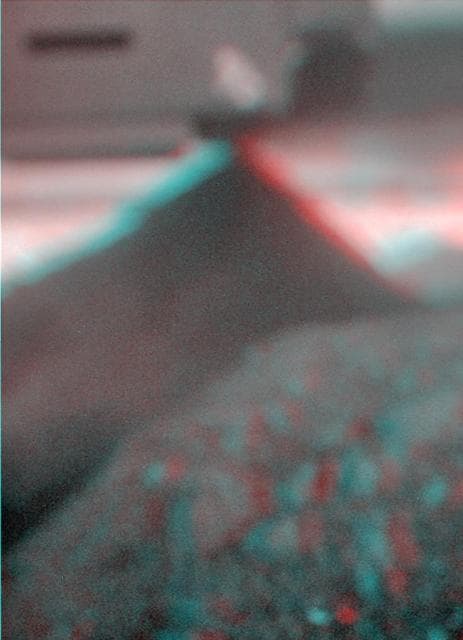
Spirit View of Own Underbelly, Sol 1925 Stereo
This stereo view combines a pair of images taken by the microscopic imager on NASA Mars Exploration Rover Spirit...
JPL
Image
Jan 29, 1996
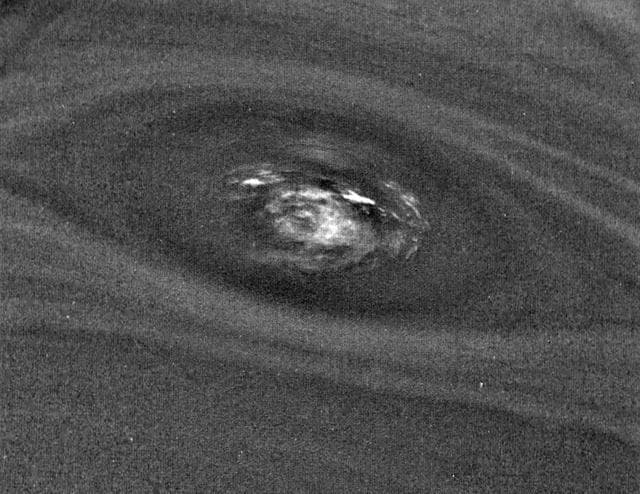
Neptune Dark Spot D2 at High Resolution
This bulls-eye view of Neptune small dark spot D2 was obtained by NASA s Voyager 2 narrow-angle camera on Aug. 24,...
JPL
Image
Jun 22, 1999
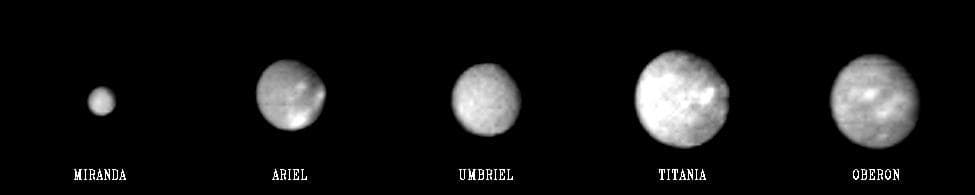
Uranus - Family Portrait
This family portrait of Uranus five largest moons was compiled from images sent back Jan. 20, 1986, by NASA Voyager...
JPL
Image
Jan 29, 1996
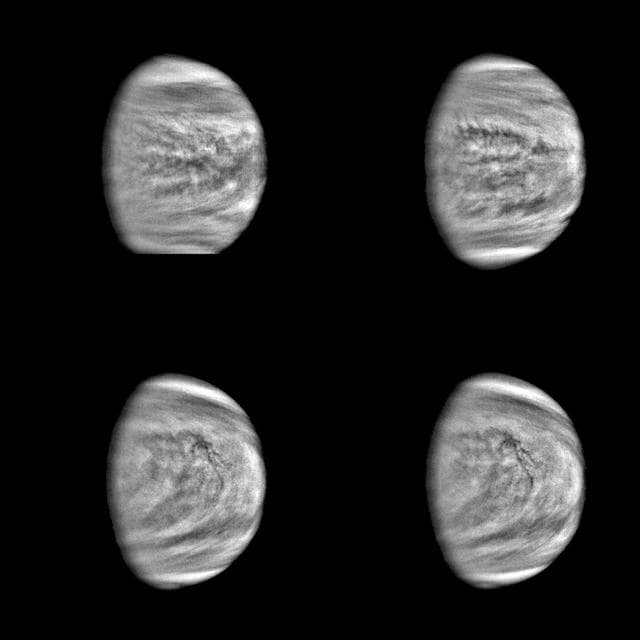
Four Views of Venus High Pass Filter
These are enhanced versions of four views of the planet Venus taken by NASA's Galileo Solid State Imaging System at...
JPL
Image
Oct 29, 1999
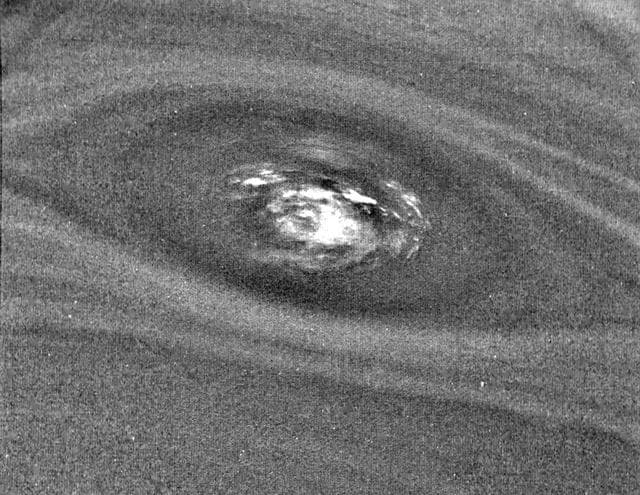
Neptune Small Dark Spot D2
This bulls-eye view of Neptune small dark spot D2 was obtained by NASA Voyager 2 narrow-angle camera. Banding...
JPL
Image
Oct 9, 2002
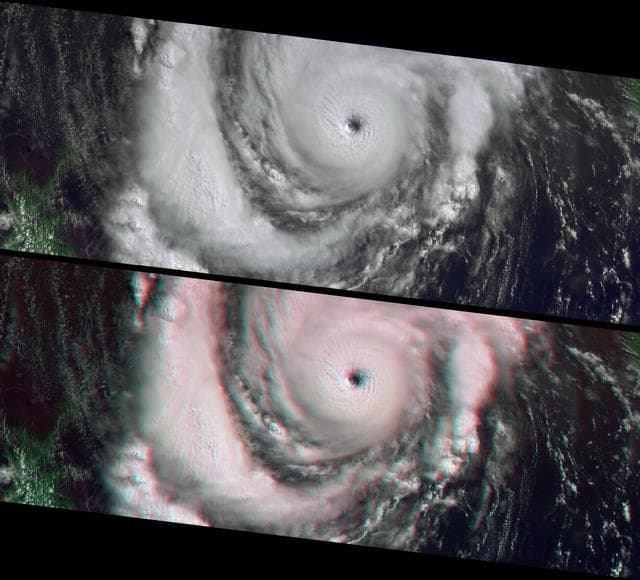
Hurricane Lili Heads for Louisiana Landfall
This anaglyph from the MISR instrument aboard NASA Terra spacecraft shows Hurricane Lili headed for Louisiana on...
JPL
Image
Apr 3, 2014
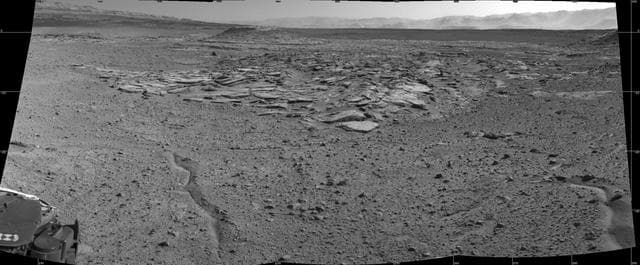
Curiosity View From Arrival Point at The Kimberley Waypoint
NASA Curiosity Mars rover recorded this view of various rock types at waypoint called the Kimberley shortly after...
JPL
Image
Oct 30, 1998
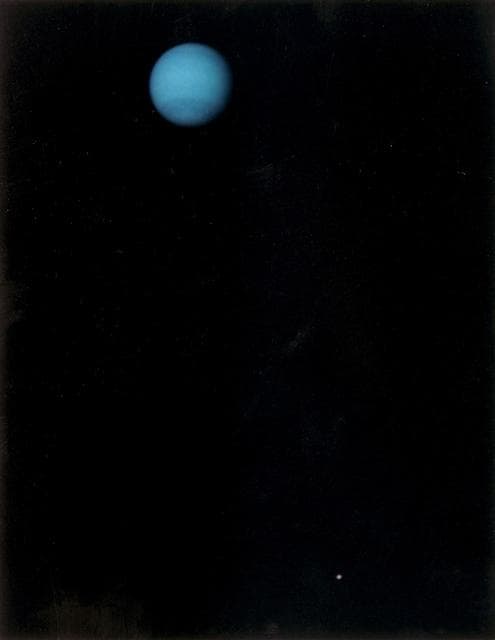
Neptune and Triton
This image was returned by NASA Voyager 2 spacecraft on July 3, 1989. The planet and its largest satellite, Triton,...
JPL
Image
Mar 3, 2005
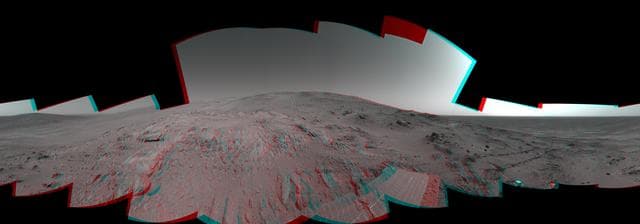
Spirit 360-Degree View on Sol 409 3-D
On Feb. 26, 2005, NASA Mars Exploration Rover Spirit had drive 2 meters 7 feet on this sol to get in position on...
JPL
Image
Feb 8, 1996
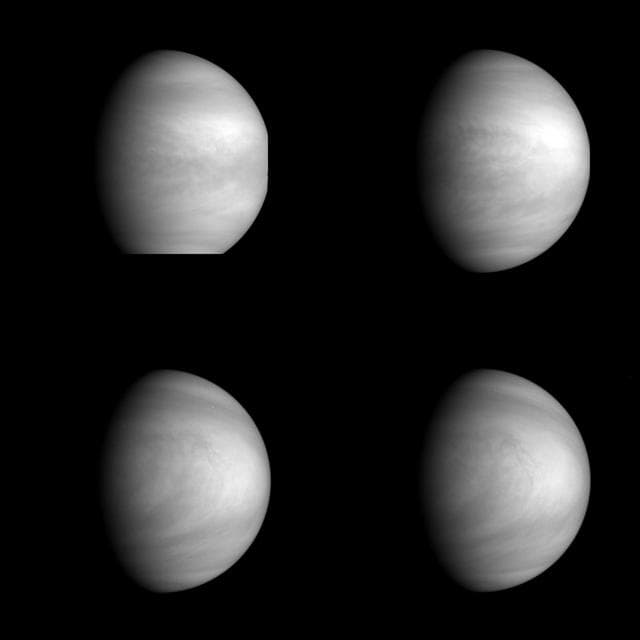
Venus - Multiple Views of High-level Clouds
This series of pictures shows four views of the planet Venus obtained by NASA Galileo Solid State Imaging System at...
JPL
Image
Feb 23, 1999
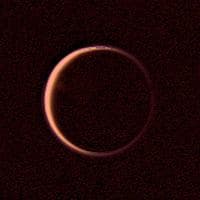
Night Side of Titan
NASA Voyager 2 obtained this wide-angle image of the night side of Titan on Aug. 25, 1979. This is a view of Titan...
JPL
Image
Aug 23, 1999
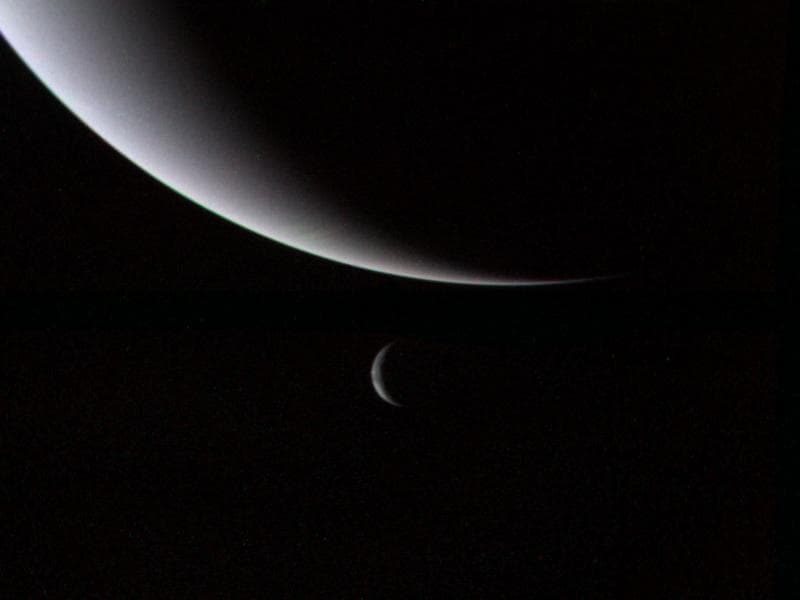
Crescents of Neptune and Triton
This dramatic view of the crescents of Neptune and Triton was acquired by Voyager 2 approximately 3 days, 6 and...
JPL
Image
Feb 12, 2014
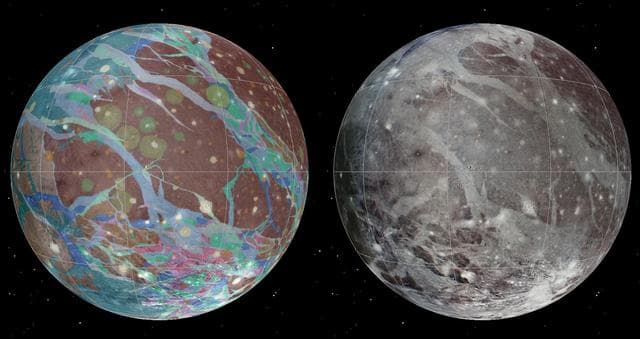
Ganymede Global Geologic Map and Global Image Mosaic
To present the best information in a single view of Jupiter moon Ganymede, a global image mosaic was assembled,...
JPL
Image
Aug 26, 2008
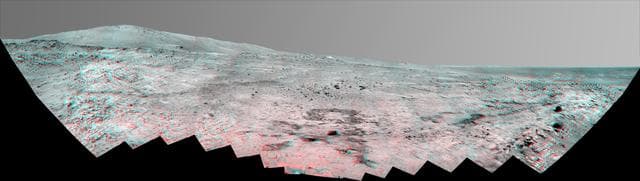
Southern Half of Spirit Bonestell Panorama Anaglyph
This stereo, 180-degree panorama shows the southward vista from the location where Spirit is spending its third...
JPL
Image
Dec 6, 2016
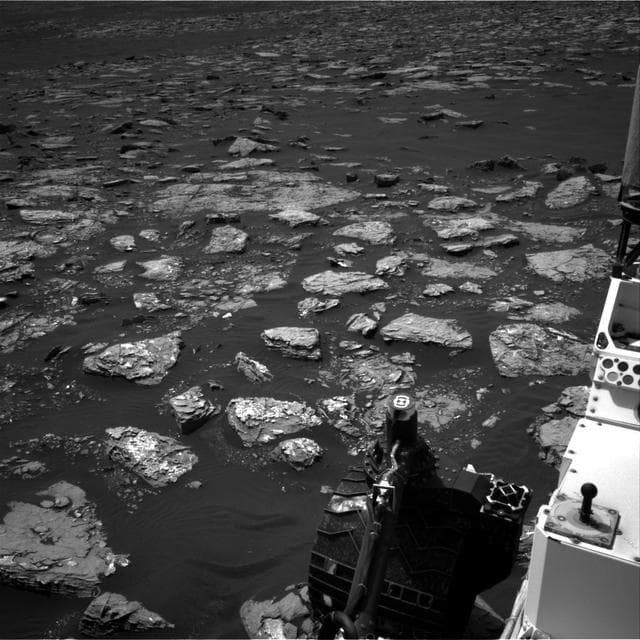
Martian Terrain Near Curiosity Precipice Target
This view from the Navigation Camera (Navcam) on the mast of NASA's Curiosity Mars rover shows rocky ground within...
JPL
Image
Jan 29, 1996
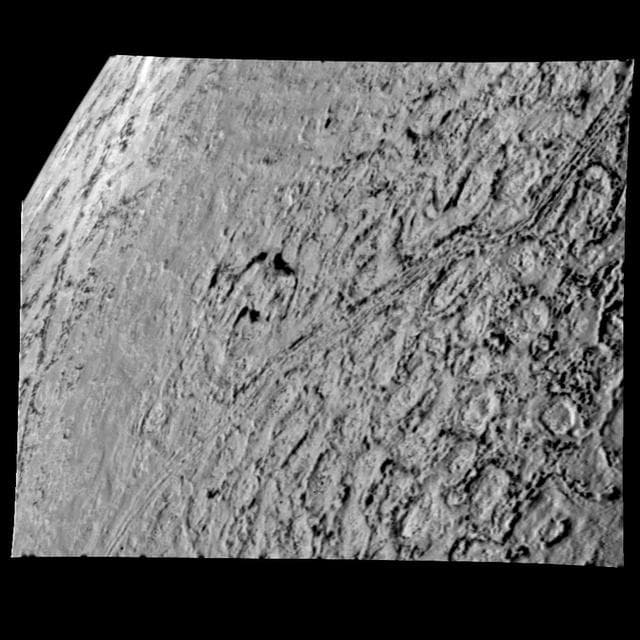
Triton High Resolution View of Northern Hemisphere
This is one of the most detailed views of the surface of Triton taken by NASA Voyager 2 on its flyby of the large...
JPL
Image
Aug 2, 1998
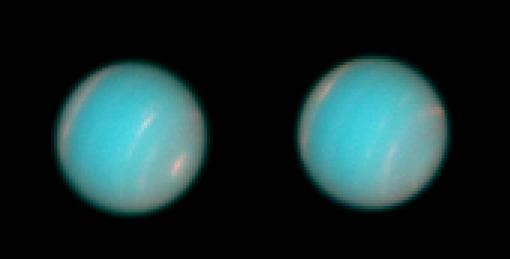
Hubble Space Telescope Wide Field Planetary Camera 2 Observations of Neptune
This image was returned by NASA's Voyager 2 spacecraft on July 3, 1989. The planet and its largest satellite,...
JPL
Image
Jan 29, 1996
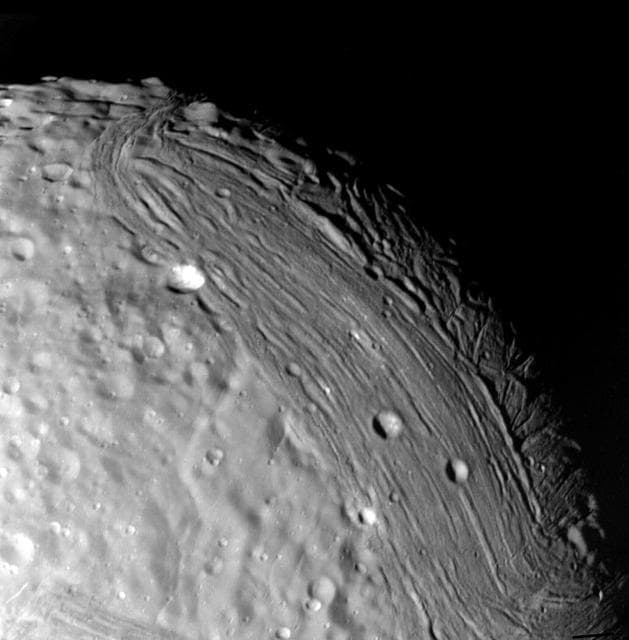
Miranda Geologic History Variety of Terrain
Miranda reveals a complex geologic history in this view, acquired by NASA's Voyager 2 on Jan. 24, 1986, around its...
JPL
Image
Jan 29, 1996
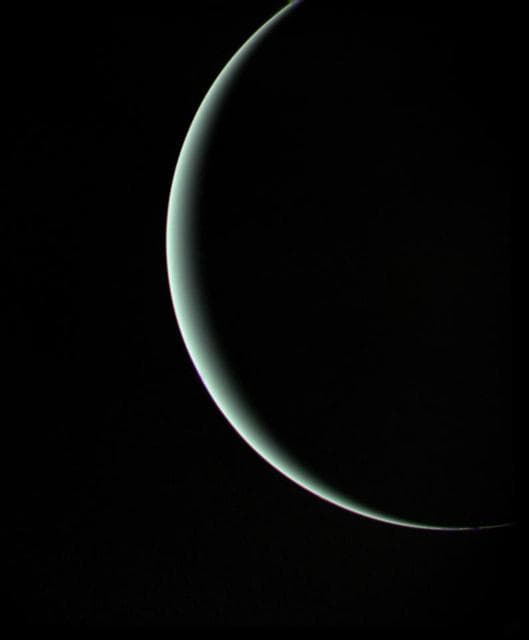
Uranus - Final Image
This view of pale blue-green Uranus was recorded by NASA's Voyager 2 on Jan 25, 1986, as the spacecraft left the...
JPL

Image
Jul 17, 1944
ARC-1944-AAL-6167
PV-1 model; rear view with 2 1/2' x 2 1/2' trubulene net mount in the 7x10ft w.t. at Ames Research Center
ARC
Image
May 31, 2003
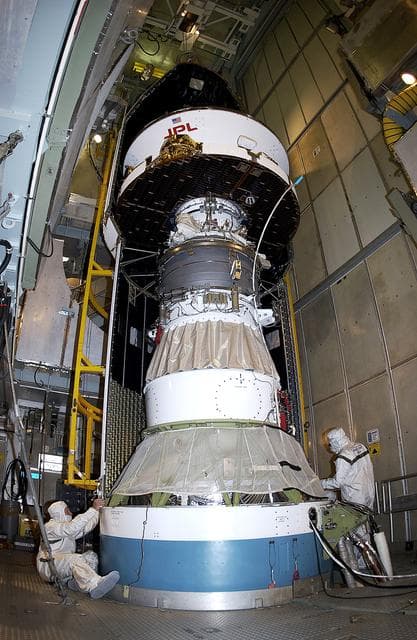
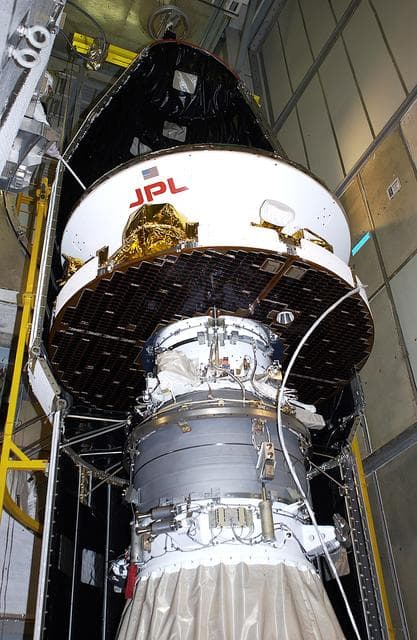
KENNEDY SPACE CENTER, FLA. - At Launch Complex 17-A, Cape Canaveral Air Force Station, the first half of the fairing for the Mars Exploration Rover 2 (MER-2) is installed around the Mars Exploration Rover 2 (MER-2). MER-2 is one of NASA's twin Mars Exploration Rovers designed to study the history of water on Mars. These robotic geologists are equipped with a robotic arm, a drilling tool, three spectrometers, and four pairs of cameras that allow them to have a human-like, 3D view of the terrain. Each rover could travel as far as 100 meters in one day to act as Mars scientists' eyes and hands, exploring an environment where humans can't yet go. MER-2 is scheduled to launch no earlier than June 8 as MER-A, with two launch opportunities each day during the launch period that closes on June 19.
Image
May 31, 2003