Image
Nov 16, 2004
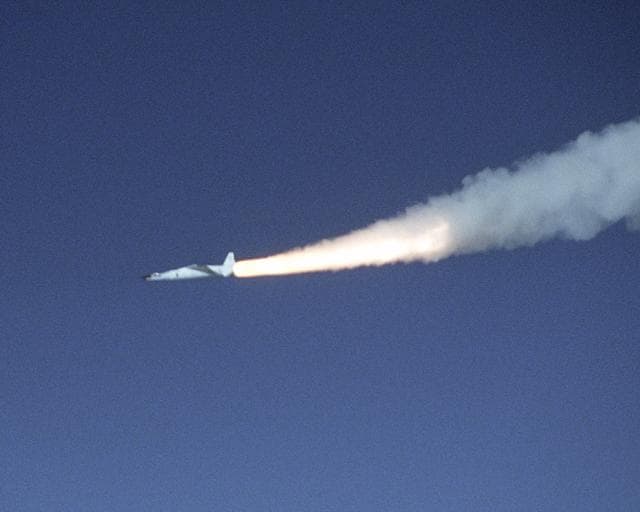
A modified Pegasus rocket ignites moments after release from the B-52B, beginning the acceleration of the X-43A over the Pacific Ocean on Nov. 16, 2004
The third X-43A hypersonic research aircraft and its modified Pegasus booster rocket accelerate after launch from...
AFRC
Image
Nov 16, 2004
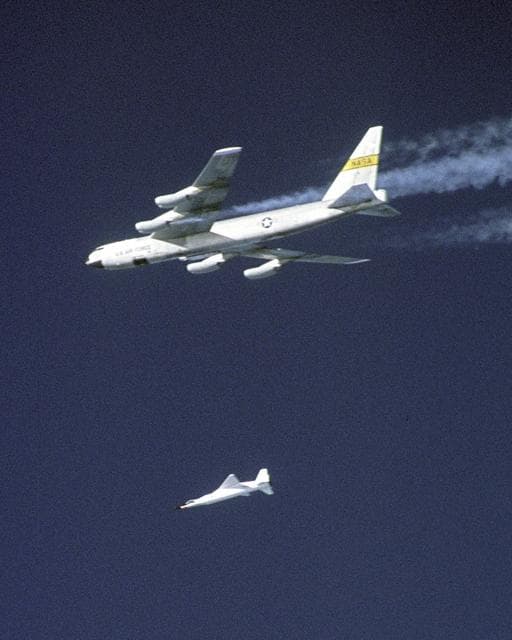
A modified Pegasus rocket drops away after release from NASA's B-52B before accelerating the X-43A over a Pacific Ocean test range on Nov. 16, 2004
The third X-43A hypersonic research aircraft and its modified Pegasus booster rocket drop away from NASA's B-52B...
AFRC
Image
Mar 27, 2004
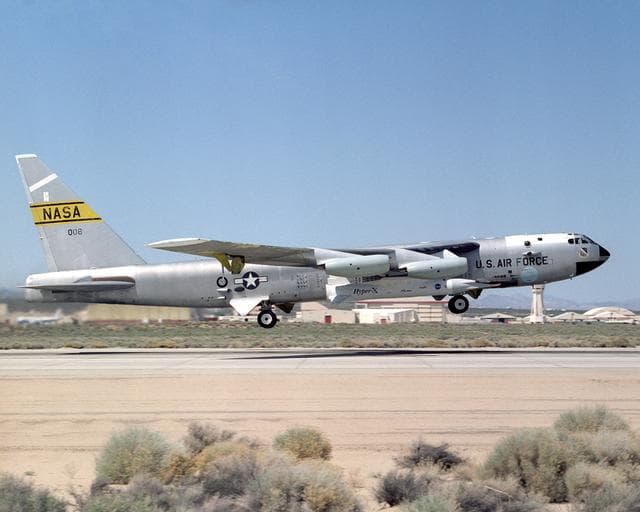
NASA's B-52B launch aircraft takes off carrying the second X-43A hypersonic research vehicle attached to a modified Pegasus rocket, on March 27, 2004
The second X-43A hypersonic research aircraft and its modified Pegasus booster rocket left the runway, carried aloft...
AFRC
Image
Mar 27, 2004
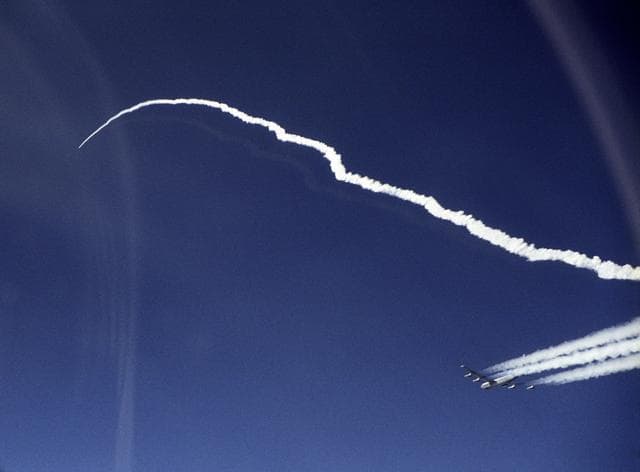
he second X-43A and its modified Pegasus booster rocket accelerate after launch from NASA's B-52B launch aircraft over the Pacific Ocean
The second X-43A hypersonic research aircraft and its modified Pegasus booster rocket accelerate after launch from...
AFRC
Image
Mar 27, 2004
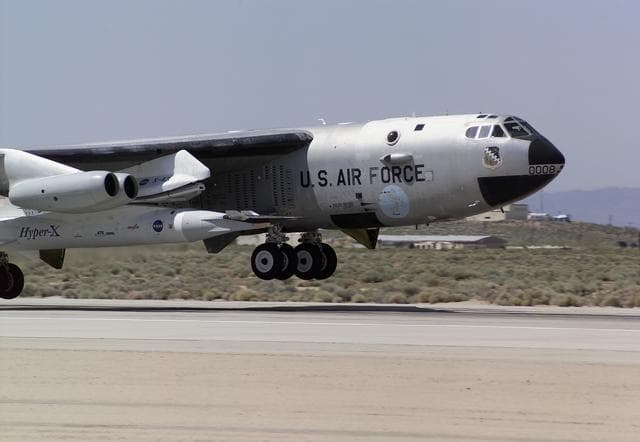
NASA's B-52B launch aircraft takes off carrying the second X-43A hypersonic research vehicle attached to a modified Pegasus rocket, on March 27, 2004
The second X-43A hypersonic research aircraft and its modified Pegasus booster rocket left the runway, carried aloft...
AFRC
Image
Mar 27, 2004
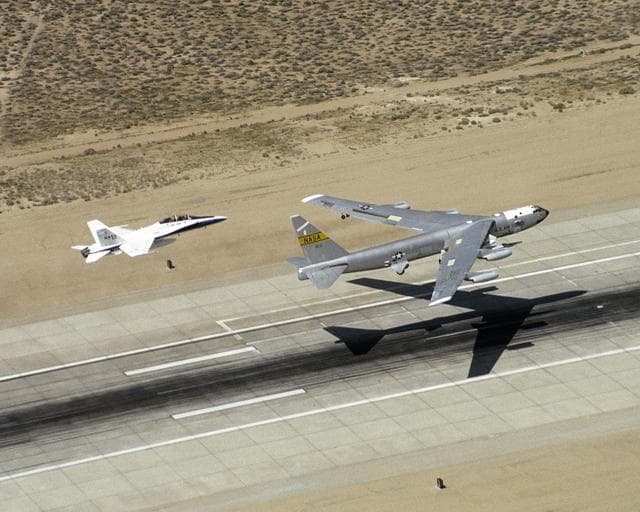
NASA's B-52B launch aircraft takes off carrying the second X-43A hypersonic research vehicle attached to a modified Pegasus rocket, on March 27, 2004
The second X-43A hypersonic research aircraft and its modified Pegasus booster rocket left the runway, carried aloft...
AFRC
Image
Nov 16, 2004
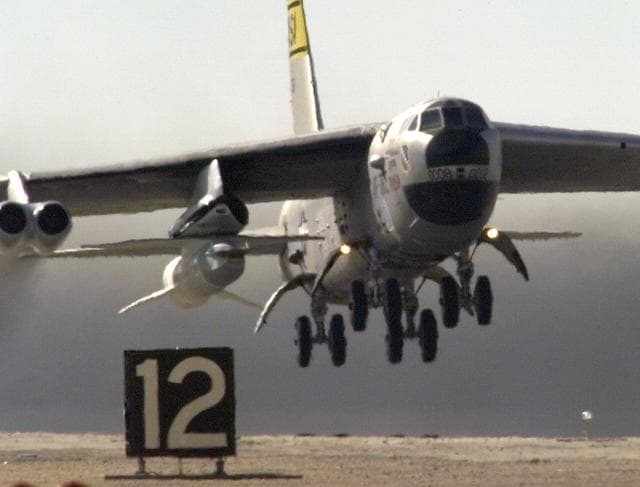
NASA's B-52B launch aircraft takes off carrying the third X-43A hypersonic research vehicle attached to a modified Pegasus rocket, on November 16, 2004
The third X-43A hypersonic research aircraft and its modified Pegasus booster rocket left the runway, carried aloft...
AFRC
Image
Nov 16, 2004
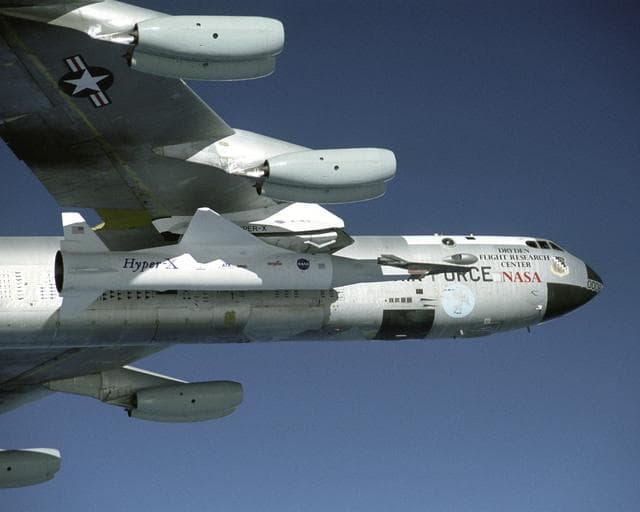
NASA's B-52B launch aircraft cruises to a test range over the Pacific Ocean carrying the third X-43A vehicle attached to a Pegasus rocket on November 16, 2004
The third X-43A hypersonic research aircraft, attached to a modified Pegasus booster rocket, was taken to launch...
AFRC
Image
Nov 16, 2004
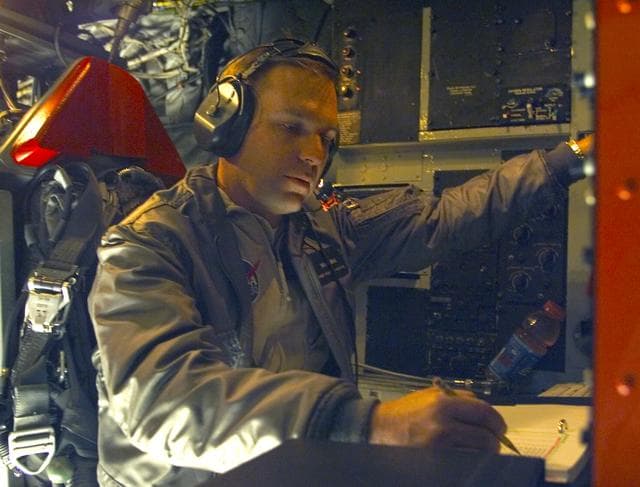
NASA's Brad Neal, X-43A Monitor Station Operator aboard NASA's B-52B mothership, performing pre-flight checks on November 16, 2004
NASA X-43A Monitor Station Operator Brad Neal performs final checks and pre-flight preparations aboard the B-52 for...
AFRC
Image
Mar 27, 2004
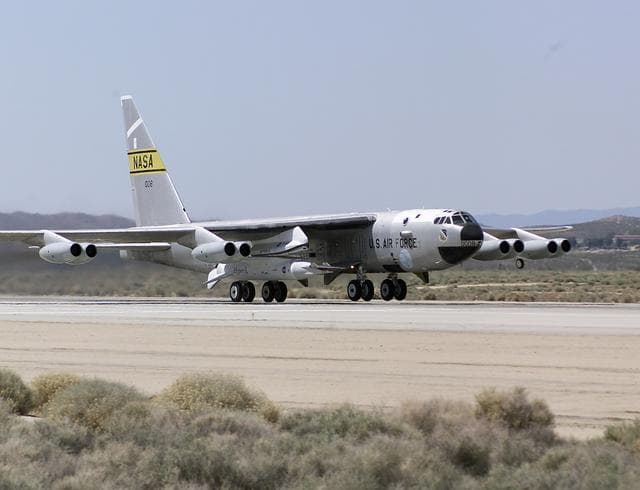
NASA's B-52B launch aircraft takes off carrying the second X-43A hypersonic research vehicle attached to a modified Pegasus rocket, on March 27, 2004
The second X-43A hypersonic research aircraft and its modified Pegasus booster rocket left the runway, carried aloft...
AFRC
Image
Mar 13, 2025
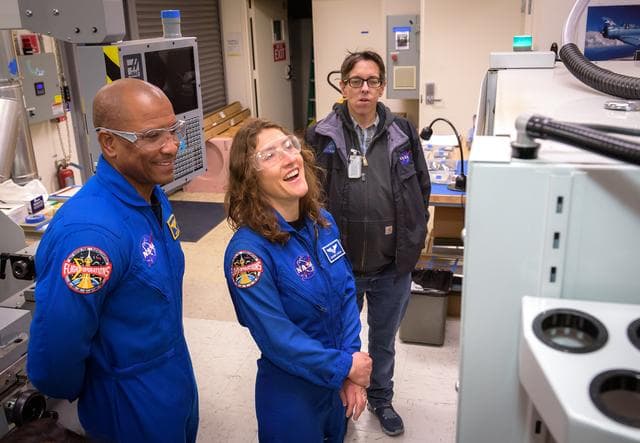
Orion Astronauts Visit Ames Entry Systems and Technology Divisio
NASA astronauts Victor J. Glover, left, and Christina Koch, with Joe Mach as they tour STAR Labs, N238
ARC

Image
Aug 1, 1971
ARC-1971-AC71-4075
MSC Space Shuttle Stability and Control Characteristics. Schlieren of North American Rockwell Straight Wing orbiter...
ARC

Image
Feb 4, 1959
Blunt Leading Edge Model in the Unitary Wind Tunnel
Blunt Leading Edge Model in the Unitary Wind Tunnel high mach number test section.
LARC

Image
Jun 27, 2003
GRC-2007-C-00880
IMX (Inlet Mode Transistion) Mach 4 Inlet Model in the 1x1 Wind Tunnel
GRC

Image
Jun 27, 2003
GRC-2007-C-00885
IMX (Inlet Mode Transistion) Mach 4 Inlet Model in the 1x1 Wind Tunnel
GRC
Image
Jun 27, 2003
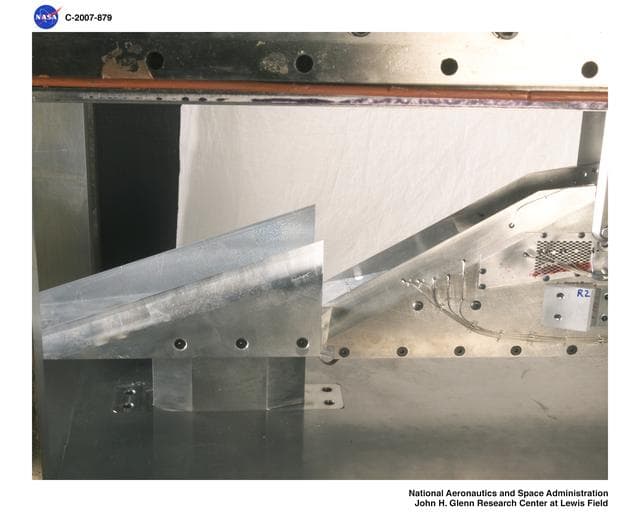
GRC-2007-C-00879
IMX (Inlet Mode Transistion) Mach 4 Inlet Model in the 1x1 Wind Tunnel
GRC

Image
Jun 27, 2003
GRC-2007-C-00878
IMX (Inlet Mode Transistion) Mach 4 Inlet Model in the 1x1 Wind Tunnel
GRC

Image
Feb 4, 1959
Blunt Leading Edge Model in the Unitary Wind Tunnel
Blunt Leading Edge Model in the Unitary Wind Tunnel high mach number test section.
LARC
Image
Mar 27, 2004
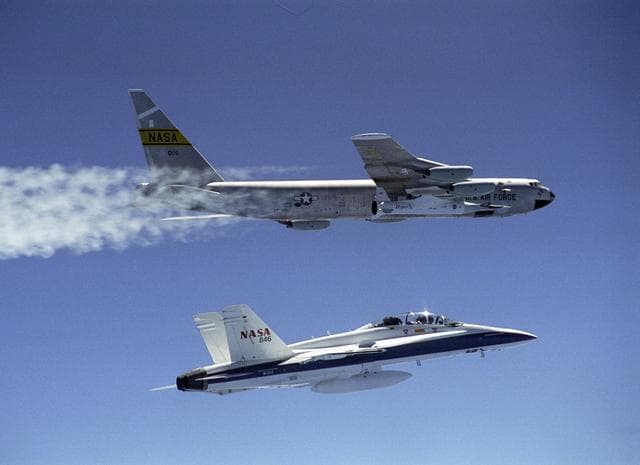
NASA's B-52B launch aircraft cruises to a test range over the Pacific Ocean carrying the second X-43A vehicle attached to a Pegasus rocket on March 27, 2004
The second X-43A hypersonic research aircraft, attached to a modified Pegasus booster rocket and followed by a chase...
AFRC
Image
Mar 27, 2004
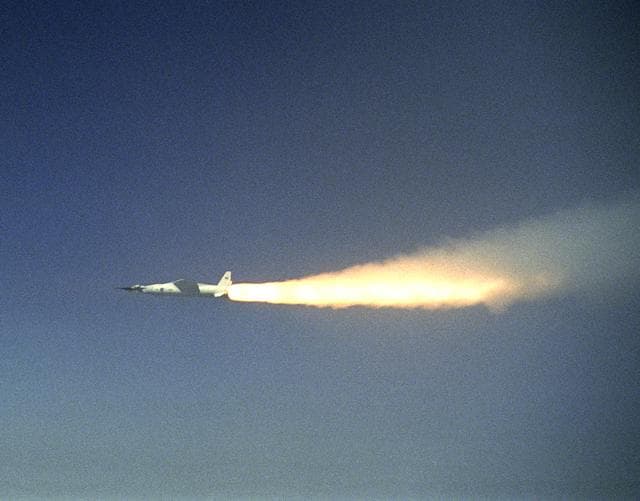
A modified Pegasus rocket ignites moments after release from the B-52B, beginning the acceleration of the X-43A over the Pacific Ocean on March 27, 2004
The second X-43A hypersonic research aircraft and its modified Pegasus booster rocket accelerate after launch from...
AFRC
Image
Feb 7, 2022
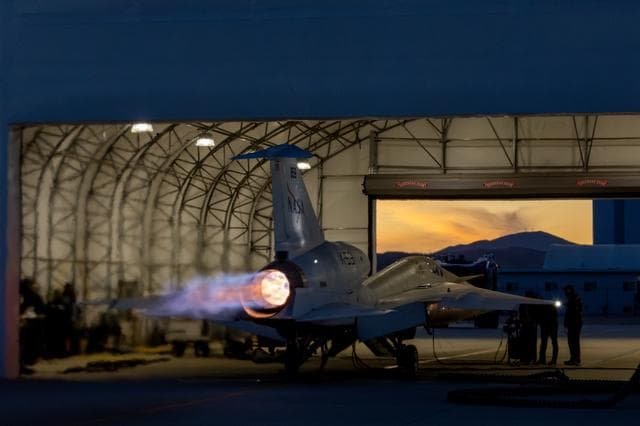
Deck 2 Deck 3 Engine Run Round 2
NASA’s X-59 lights up the night sky with its unique Mach diamonds, also known as shock diamonds, during maximum...
AFRC
Image
Feb 7, 2022
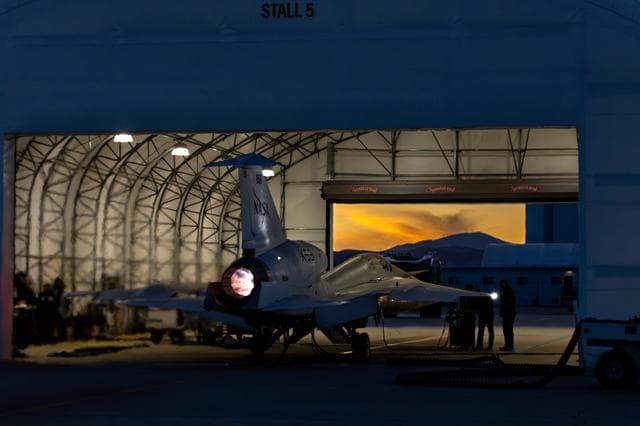
Deck 2 Deck 3 Engine Run Round 2
NASA’s X-59 lights up the night sky with its unique Mach diamonds, also known as shock diamonds, during maximum...
AFRC
Image
Feb 7, 2022
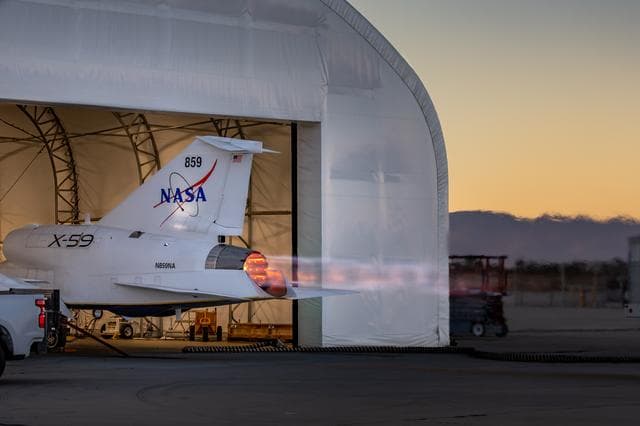
Deck 2 Deck 3 Engine Run Round 2
NASA’s X-59 lights up the night sky with its unique Mach diamonds, also known as shock diamonds, during maximum...
AFRC
Image
Feb 7, 2022
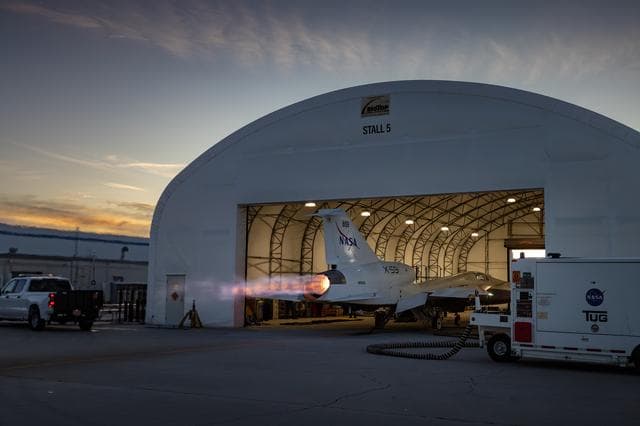
Deck 2 Deck 3 Engine Run Round 2
NASA’s X-59 lights up the night sky with its unique Mach diamonds, also known as shock diamonds, during maximum...
AFRC