CosmosObservatory
Explore
Solar System
Live
Learn
Tools
About
Cosmos Observatory
ToolsAbout
Cosmos Observatory

Explore the universe through NASA data, real-time ISS tracking, Mars rover imagery, asteroid monitoring, and comprehensive space encyclopedia. Your gateway to the cosmos.

Explore

  • APOD
  • Mars Rovers
  • Earth Imagery
  • NASA Gallery
  • ISS Tracker

Data

  • Asteroids
  • Solar System
  • Exoplanets
  • Space Weather
  • Launches

Tools

  • Glossary
  • News
  • Calculators

Legal

  • About
  • Privacy Policy
  • Terms of Use
  • Space Tools
  • Contact

Stay updated with the cosmos

Get weekly digests of APOD highlights, upcoming launches, and space events.

© 2026 Cosmos Observatory. All rights reserved. Built with for space enthusiasts.

This website is not affiliated with, maintained, authorized, endorsed by, or in any way officially connected with NASA or any of its subsidiaries or affiliates. All NASA imagery is in the public domain unless otherwise noted. Data sourced from NASA Open APIs, Launch Library 2, and other open data services.

NASA Gallery

Explore NASA's vast collection of space images, videos, and audio from missions past and present.

  1. Home
  2. /
  3. NASA Gallery

NASA's Image and Video Library: A Visual Archive of Space Exploration

NASA's Image and Video Library is one of the most comprehensive public archives of space imagery in the world, containing over 140,000 images, videos, and audio recordings spanning more than six decades of space exploration. From the earliest Mercury and Gemini missions through the Apollo Moon landings, the Space Shuttle era, and today's cutting-edge observations from the James Webb Space Telescope, this collection documents humanity's journey into the cosmos.

The library includes imagery from diverse sources: telescopes like Hubble and Webb that capture deep-space nebulae, galaxies, and exoplanets; planetary missions like the Mars rovers ( browse Mars photos) and Cassini at Saturn; Earth observation satellites ( see EPIC imagery); astronaut photography from the ISS; and documentation of rocket launches, spacecraft assembly, and ground testing. Most NASA images are in the public domain and free to download at full resolution for educational, editorial, and personal use.

Use the search bar above to find specific subjects — try queries like "Apollo 11," "Hubble Deep Field," "Mars surface," or "astronaut EVA." You can also filter by media type (image, video, or audio). For a daily curated experience, visit the Astronomy Picture of the Day.

Showing results for "Calif."

5,311 results found - Page 25 of 222

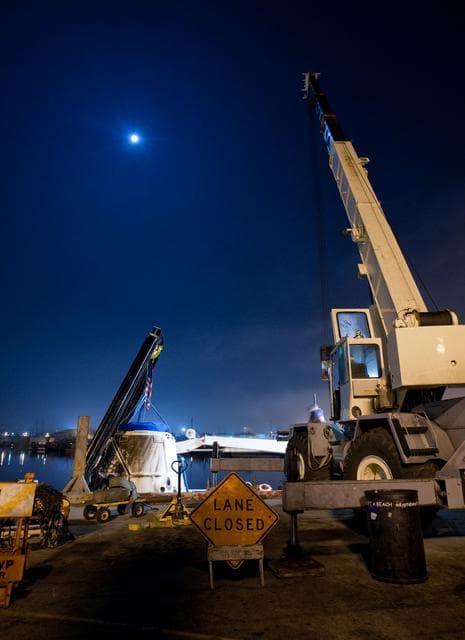
NASA image: ed12-0346-05
Image
Oct 30, 2012

ed12-0346-05

SpaceX’s Dragon capsule is seen shortly after arriving at a port near Los Angeles, Calif on Tuesday, Oct. 30, 2012....

JSC
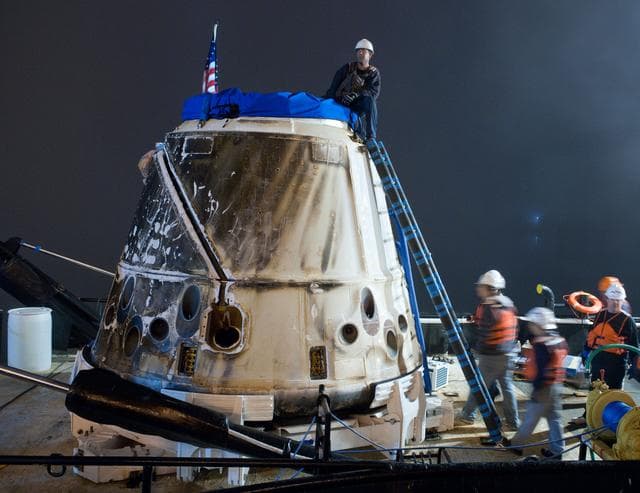
NASA image: ed12-0346-18
Image
Oct 30, 2012

ed12-0346-18

SpaceX’s Dragon capsule is seen shortly after arriving at a port near Los Angeles, Calif on Tuesday, Oct. 30, 2012....

JSC
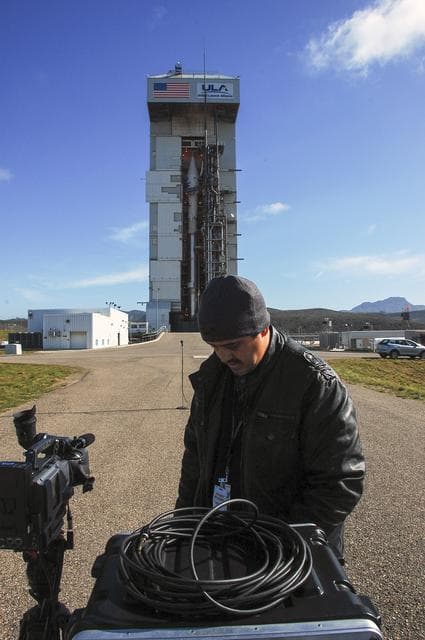
NASA image: KSC-2013-1622
Image
Feb 10, 2013

KSC-2013-1622

VANDENBERG AFB, Calif. – A NASA TV technician sets up equipment to record the launch of a United Launch Alliance...

KSC
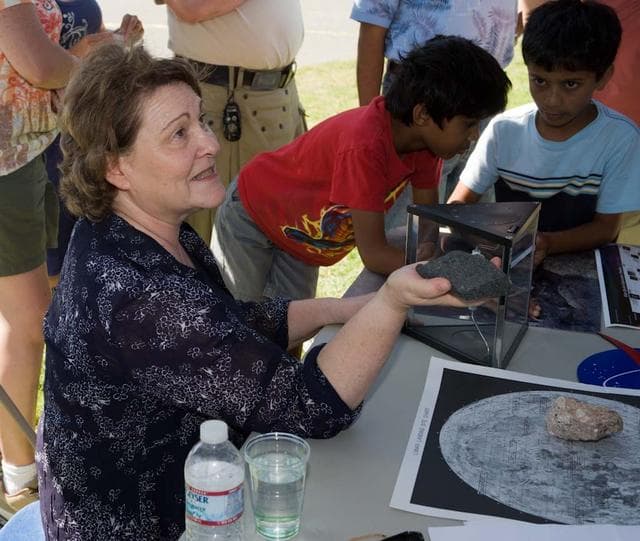
NASA image: ARC-2009-ACD09-0144-089
Image
Jul 19, 2009

ARC-2009-ACD09-0144-089

MoonFest: From Apollo to LCROSS and Beyond public event at NASA'S Ames Researc Center, Moffett Field, Calif. The day...

ARC

NASA image: ARC-2009-ACD09-0144-047
Image
Jul 19, 2009

ARC-2009-ACD09-0144-047

MoonFest: From Apollo to LCROSS and Beyond public event at NASA'S Ames Researc Center, Moffett Field, Calif. The day...

ARC
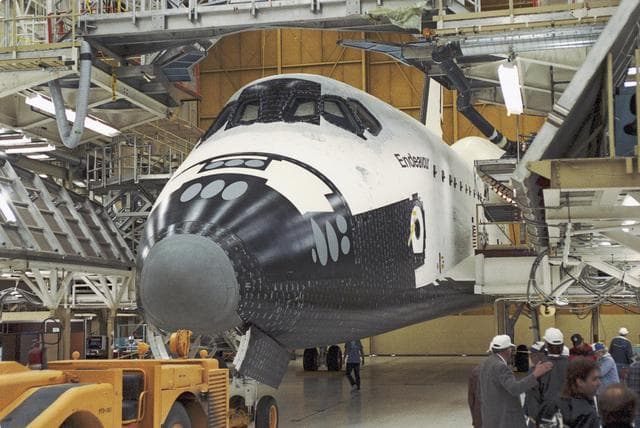
NASA image: KSC-91PC-0766
Image
Apr 25, 1991

KSC-91PC-0766

The newest space shuttle orbiter, Endeavour, is ready to roll out of the hangar at Palmdale, Calif. OV-105 features...

KSC
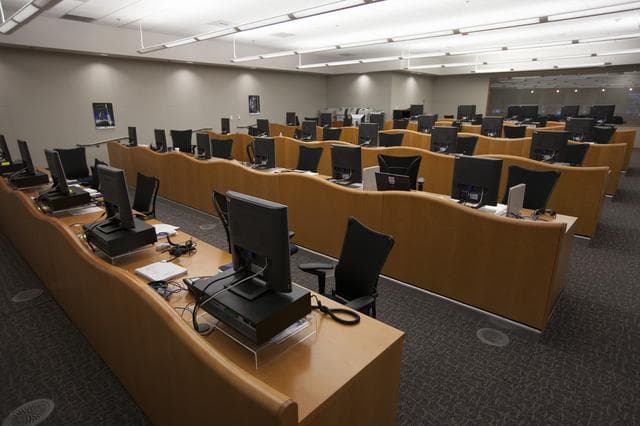
NASA image: KSC-2013-1819
Image
Feb 8, 2013

KSC-2013-1819

VANDENBERG AFB, Calif. – The Mission Director's Center MDC inside the Remote Launch Control Center RLCC at...

KSC
NASA image: GSFC_20230920_OSAM1_022065
Image
Sep 20, 2023

GSFC_20230920_OSAM1_022065

OSAM-1 Spacecraft bus arrives at Goddard Space Flight Center, Greenbelt Md., Sept 20, 2023. The spacecraft was...

GSFC
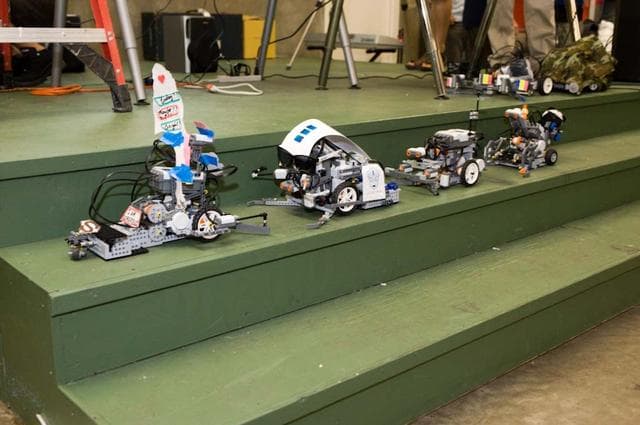
NASA image: ARC-2009-ACD09-0143-011
Image
Jul 17, 2009

ARC-2009-ACD09-0143-011

International Space University (ISU - 2009) students participated in a Robotic Competition at NASA'A Ames Research...

ARC
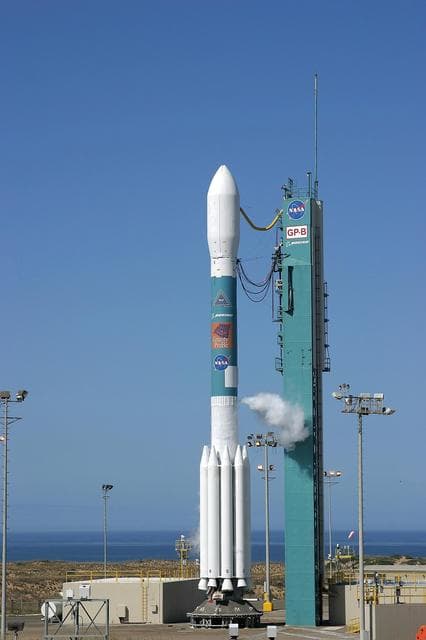
NASA image: KSC-04pd1079
Image
Apr 20, 2004

KSC-04pd1079

KENNEDY SPACE CENTER, FLA. -- This photo of the Delta II rocket carrying the Gravity Probe B spacecraft was taken...

KSC
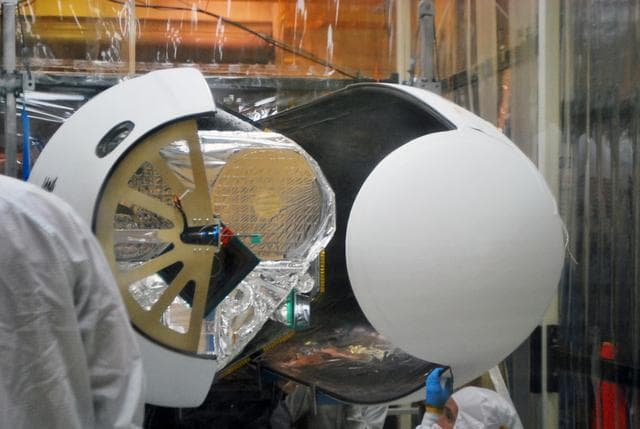
NASA image: KSC-2012-3027
Image
May 22, 2012

KSC-2012-3027

VANDENBERG AFB, Calif. – Technicians install the second half of the payload fairing over the NuSTAR spacecraft as...

KSC
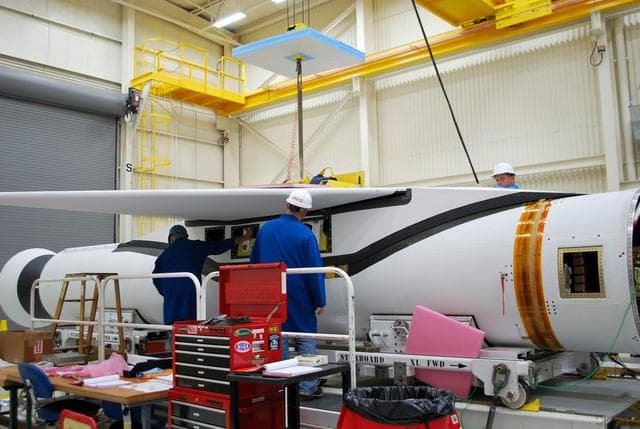
NASA image: KSC-2012-5329
Image
Sep 13, 2012

KSC-2012-5329

VANDENBERG AFB, Calif. – Technicians perform a fit check on an Orbital Sciences Pegasus rocket as the launcher is...

KSC
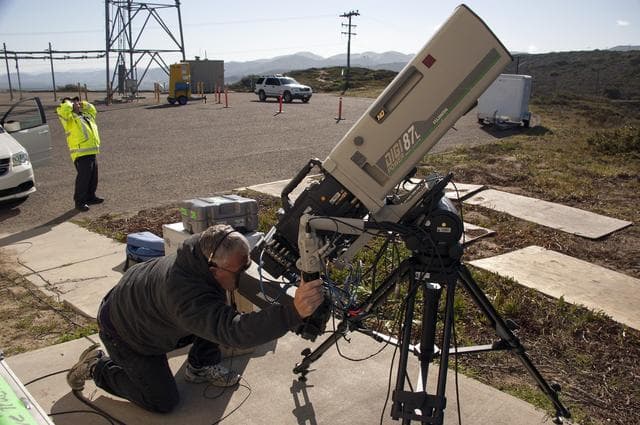
NASA image: KSC-2013-1650
Image
Feb 10, 2013

KSC-2013-1650

VANDENBERG AFB, Calif. – A NASA TV technician records the launch of a United Launch Alliance Atlas V rocket carrying...

KSC
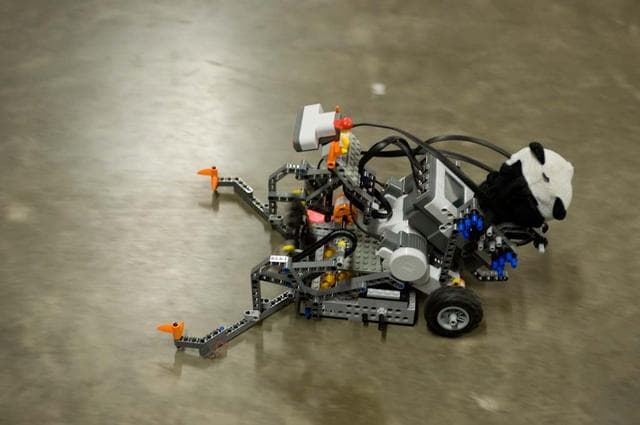
NASA image: ARC-2009-ACD09-0143-053
Image
Jul 17, 2009

ARC-2009-ACD09-0143-053

International Space University (ISU - 2009) students participated in a Robotic Competition at NASA'A Ames Research...

ARC

NASA image: House Committee on Science, Space, and Technology Hearing
Image
Apr 22, 2026

House Committee on Science, Space, and Technology Hearing

House Science, Space, and Technology Committee Ranking Member Zoe Lofgren, D-Calif., gives opening remarks during a...

HQ
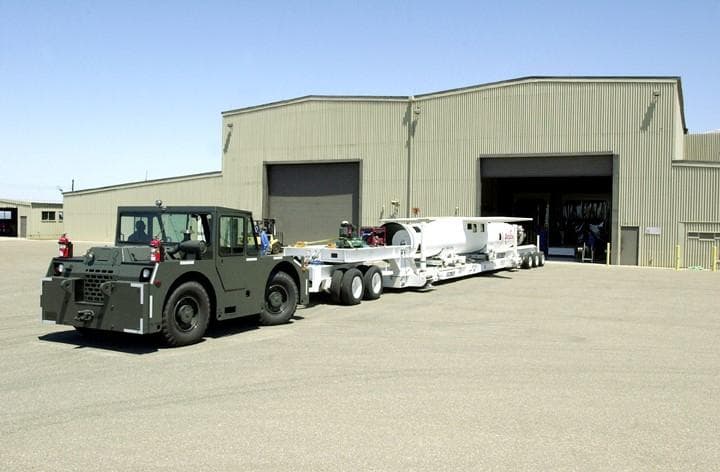
NASA image: KENNEDY SPACE CENTER, FLA. - At Vandenberg Air Force Base, Calif., the Pegasus launch vehicle is moved into its hangar.  The Pegasus will carry the SciSat-1 spacecraft in a 400-mile-high polar orbit to investigate processes that control the distribution of ozone in the upper atmosphere.  The scientific mission of SciSat-1 is to measure and understand the chemical processes that control the distribution of ozone in the Earth’s atmosphere, particularly at high altitudes.  The data from the satellite will provide Canadian and international scientists with improved measurements relating to global ozone processes and help policymakers assess existing environmental policy and develop protective measures for improving the health of our atmosphere, preventing further ozone depletion.  The mission is designed to last two years.
Image
Jun 27, 2003

KENNEDY SPACE CENTER, FLA. - At Vandenberg Air Force Base, Calif., the Pegasus launch vehicle is moved into its hangar. The Pegasus will carry the SciSat-1 spacecraft in a 400-mile-high polar orbit to investigate processes that control the distribution of ozone in the upper atmosphere. The scientific mission of SciSat-1 is to measure and understand the chemical processes that control the distribution of ozone in the Earth’s atmosphere, particularly at high altitudes. The data from the satellite will provide Canadian and international scientists with improved measurements relating to global ozone processes and help policymakers assess existing environmental policy and develop protective measures for improving the health of our atmosphere, preventing further ozone depletion. The mission is designed to last two years.
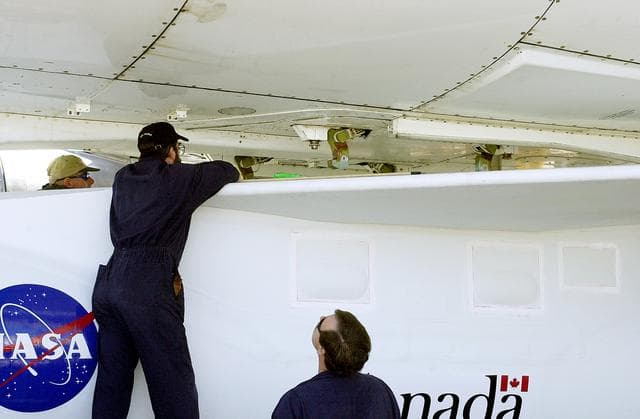
NASA image: VANDENBERG AIR FORCE BASE, CALIF. -    Workers mate the Pegasus , with its cargo of the SciSat-1 payload to the L-1011 carrier aircraft.  The SciSat-1 weighs approximately 330 pounds and after launch will be placed in a 400-mile-high polar orbit to investigate processes that control the distribution of ozone in the upper atmosphere. The data from the satellite will provide Canadian and international scientists with improved measurements relating to global ozone processes and help policymakers assess existing environmental policy and develop protective measures for improving the health of our atmosphere, preventing further ozone depletion. The mission is designed to last two years.
Image
Aug 9, 2003

VANDENBERG AIR FORCE BASE, CALIF. - Workers mate the Pegasus , with its cargo of the SciSat-1 payload to the L-1011 carrier aircraft. The SciSat-1 weighs approximately 330 pounds and after launch will be placed in a 400-mile-high polar orbit to investigate processes that control the distribution of ozone in the upper atmosphere. The data from the satellite will provide Canadian and international scientists with improved measurements relating to global ozone processes and help policymakers assess existing environmental policy and develop protective measures for improving the health of our atmosphere, preventing further ozone depletion. The mission is designed to last two years.

VANDENBERG AIR FORCE BASE, CALIF. - Workers mate the Pegasus , with its cargo of the SciSat-1 payload to the L-1011...
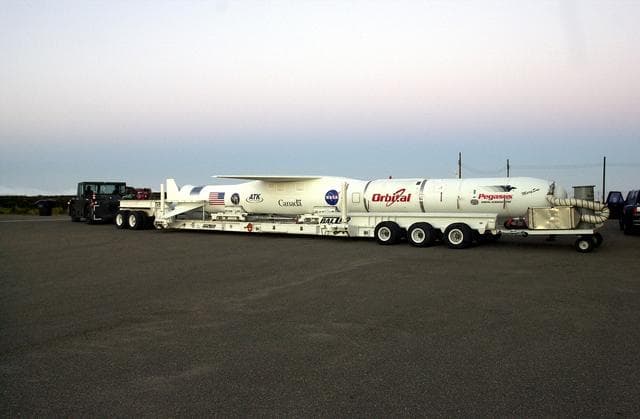
NASA image: VANDENBERG AIR FORCE BASE, CALIF. -  The SciSat-1 payload, with fairing installed and attached to its Pegasus launch vehicle, begins rollout to the hot pad and mating to the L-1011 carrier aircraft.  The SciSat-1 weighs approximately 330 pounds and after launch will be placed in a 400-mile-high polar orbit to investigate processes that control the distribution of ozone in the upper atmosphere. The data from the satellite will provide Canadian and international scientists with improved measurements relating to global ozone processes and help policymakers assess existing environmental policy and develop protective measures for improving the health of our atmosphere, preventing further ozone depletion. The mission is designed to last two years.
Image
Aug 9, 2003

VANDENBERG AIR FORCE BASE, CALIF. - The SciSat-1 payload, with fairing installed and attached to its Pegasus launch vehicle, begins rollout to the hot pad and mating to the L-1011 carrier aircraft. The SciSat-1 weighs approximately 330 pounds and after launch will be placed in a 400-mile-high polar orbit to investigate processes that control the distribution of ozone in the upper atmosphere. The data from the satellite will provide Canadian and international scientists with improved measurements relating to global ozone processes and help policymakers assess existing environmental policy and develop protective measures for improving the health of our atmosphere, preventing further ozone depletion. The mission is designed to last two years.
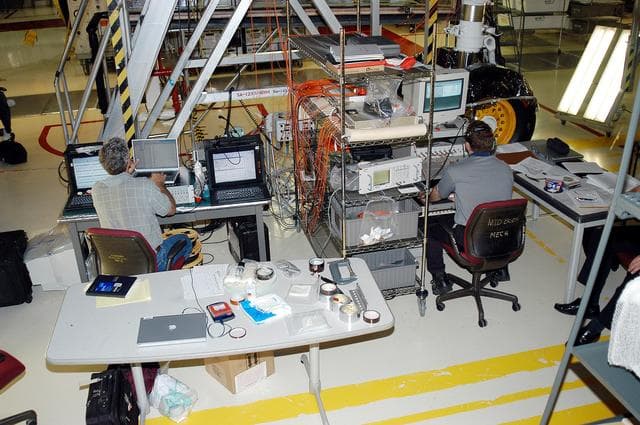
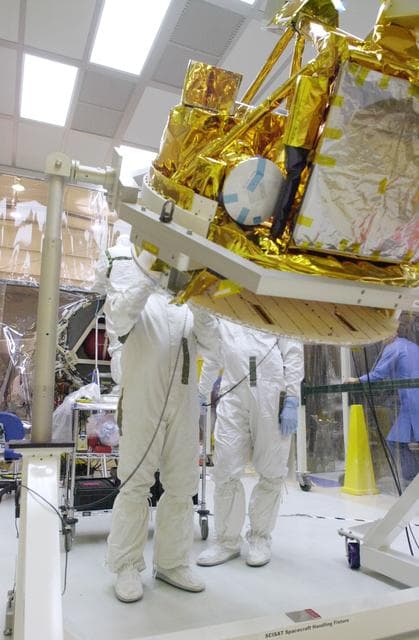
NASA image: VANDENBERG AIR FORCE BASE, CALIF. -  With its cover removed, the SciSat-1 spacecraft is rotated.  The solar arrays will be attached and the communications systems checked out.   The SciSat-1 weighs approximately 330 pounds and after launch will be placed in a 400-mile-high polar orbit to investigate processes that control the distribution of ozone in the upper atmosphere. The data from the satellite will provide Canadian and international scientists with improved measurements relating to global ozone processes and help policymakers assess existing environmental policy and develop protective measures for improving the health of our atmosphere, preventing further ozone depletion. The mission is designed to last two years.
Image
Jul 29, 2003

VANDENBERG AIR FORCE BASE, CALIF. - With its cover removed, the SciSat-1 spacecraft is rotated. The solar arrays will be attached and the communications systems checked out. The SciSat-1 weighs approximately 330 pounds and after launch will be placed in a 400-mile-high polar orbit to investigate processes that control the distribution of ozone in the upper atmosphere. The data from the satellite will provide Canadian and international scientists with improved measurements relating to global ozone processes and help policymakers assess existing environmental policy and develop protective measures for improving the health of our atmosphere, preventing further ozone depletion. The mission is designed to last two years.

NASA image: KENNEDY SPACE CENTER, FLA. -  In the Orbiter Processing Facility, Eric Madaras (left), NASA-Langley Research Center, and Jim McGee, The Boeing Company, Huntington Beach, Calif., conduct impulse tests on the right wing leading edge (WLE) of Space Shuttle Endeavour. The tests monitor how sound impulses propagate through the WLE area.  The data collected will be analyzed to explore the possibility of adding new instrumentation to the wing that could automatically detect debris or micrometeroid impacts on the Shuttle while in flight.  The study is part of the initiative ongoing at KSC and around the agency to return the orbiter fleet to flight status.
Image
Oct 27, 2003

KENNEDY SPACE CENTER, FLA. - In the Orbiter Processing Facility, Eric Madaras (left), NASA-Langley Research Center, and Jim McGee, The Boeing Company, Huntington Beach, Calif., conduct impulse tests on the right wing leading edge (WLE) of Space Shuttle Endeavour. The tests monitor how sound impulses propagate through the WLE area. The data collected will be analyzed to explore the possibility of adding new instrumentation to the wing that could automatically detect debris or micrometeroid impacts on the Shuttle while in flight. The study is part of the initiative ongoing at KSC and around the agency to return the orbiter fleet to flight status.

KENNEDY SPACE CENTER, FLA. - In the Orbiter Processing Facility, Eric Madaras (left), NASA-Langley Research Center,...
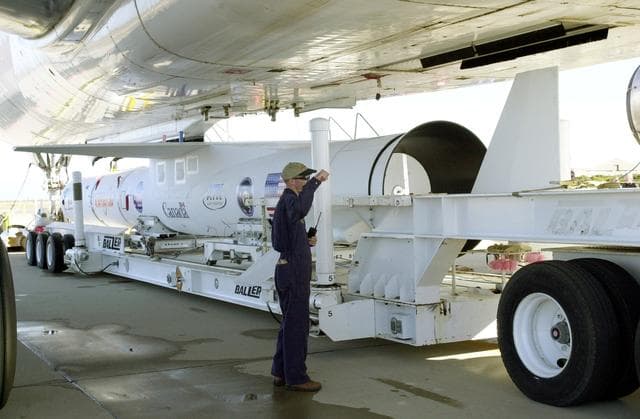
NASA image: VANDENBERG AIR FORCE BASE, CALIF. -  The Pegasus transporter, with its cargo of  the SciSat-1 payload and Pegasus launch vehicle, moves under the L-1011 carrier aircraft for matting.  The SciSat-1 weighs approximately 330 pounds and after launch will be placed in a 400-mile-high polar orbit to investigate processes that control the distribution of ozone in the upper atmosphere. The data from the satellite will provide Canadian and international scientists with improved measurements relating to global ozone processes and help policymakers assess existing environmental policy and develop protective measures for improving the health of our atmosphere, preventing further ozone depletion. The mission is designed to last two years.
Image
Aug 9, 2003

VANDENBERG AIR FORCE BASE, CALIF. - The Pegasus transporter, with its cargo of the SciSat-1 payload and Pegasus launch vehicle, moves under the L-1011 carrier aircraft for matting. The SciSat-1 weighs approximately 330 pounds and after launch will be placed in a 400-mile-high polar orbit to investigate processes that control the distribution of ozone in the upper atmosphere. The data from the satellite will provide Canadian and international scientists with improved measurements relating to global ozone processes and help policymakers assess existing environmental policy and develop protective measures for improving the health of our atmosphere, preventing further ozone depletion. The mission is designed to last two years.

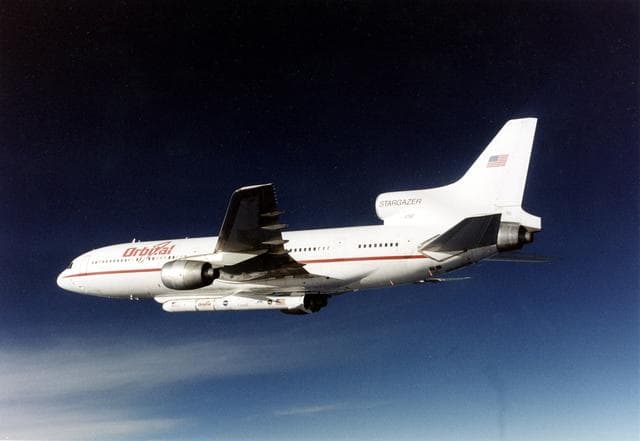
NASA image: VANDENBERG AIR FORCE BASE, CALIF. -  The L-1011 carrier aircraft is in flight with its cargo of the Pegasus launch vehicle and SciSat-1 spacecraft underneath.  The SciSat-1 weighs approximately 330 pounds and after launch will be placed in a 400-mile-high polar orbit to investigate processes that control the distribution of ozone in the upper atmosphere. The data from the satellite will provide Canadian and international scientists with improved measurements relating to global ozone processes and help policymakers assess existing environmental policy and develop protective measures for improving the health of our atmosphere, preventing further ozone depletion. The mission is designed to last two years.
Image
Aug 12, 2003

VANDENBERG AIR FORCE BASE, CALIF. - The L-1011 carrier aircraft is in flight with its cargo of the Pegasus launch vehicle and SciSat-1 spacecraft underneath. The SciSat-1 weighs approximately 330 pounds and after launch will be placed in a 400-mile-high polar orbit to investigate processes that control the distribution of ozone in the upper atmosphere. The data from the satellite will provide Canadian and international scientists with improved measurements relating to global ozone processes and help policymakers assess existing environmental policy and develop protective measures for improving the health of our atmosphere, preventing further ozone depletion. The mission is designed to last two years.

VANDENBERG AIR FORCE BASE, CALIF. - The L-1011 carrier aircraft is in flight with its cargo of the Pegasus launch...
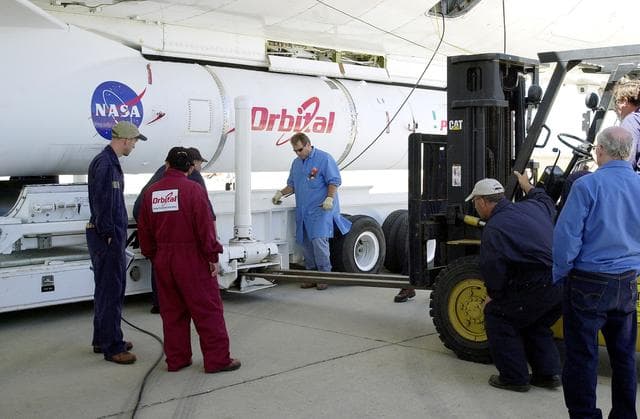
NASA image: VANDENBERG AIR FORCE BASE, CALIF. -  The SciSat-1 payload and Pegasus launch vehicle are lifted and mated to the L-1011 carrier aircraft.  The SciSat-1 weighs approximately 330 pounds and after launch will be placed in a 400-mile-high polar orbit to investigate processes that control the distribution of ozone in the upper atmosphere. The data from the satellite will provide Canadian and international scientists with improved measurements relating to global ozone processes and help policymakers assess existing environmental policy and develop protective measures for improving the health of our atmosphere, preventing further ozone depletion. The mission is designed to last two years.
Image
Aug 9, 2003

VANDENBERG AIR FORCE BASE, CALIF. - The SciSat-1 payload and Pegasus launch vehicle are lifted and mated to the L-1011 carrier aircraft. The SciSat-1 weighs approximately 330 pounds and after launch will be placed in a 400-mile-high polar orbit to investigate processes that control the distribution of ozone in the upper atmosphere. The data from the satellite will provide Canadian and international scientists with improved measurements relating to global ozone processes and help policymakers assess existing environmental policy and develop protective measures for improving the health of our atmosphere, preventing further ozone depletion. The mission is designed to last two years.

VANDENBERG AIR FORCE BASE, CALIF. - The SciSat-1 payload and Pegasus launch vehicle are lifted and mated to the...
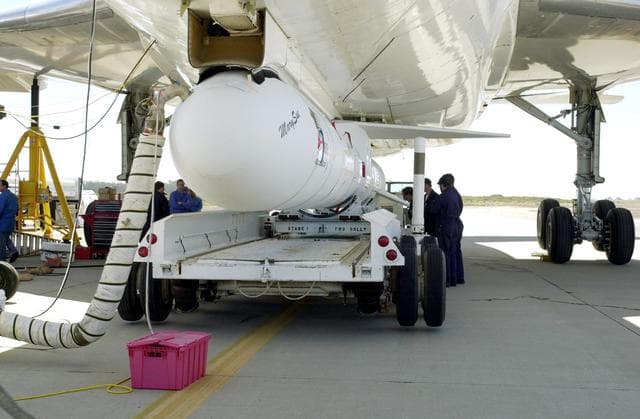
NASA image: VANDENBERG AIR FORCE BASE, CALIF. -  The SciSat-1 payload and Pegasus launch vehicle are lifted and mated to the L-1011 carrier aircraft.  The SciSat-1 weighs approximately 330 pounds and after launch will be placed in a 400-mile-high polar orbit to investigate processes that control the distribution of ozone in the upper atmosphere. The data from the satellite will provide Canadian and international scientists with improved measurements relating to global ozone processes and help policymakers assess existing environmental policy and develop protective measures for improving the health of our atmosphere, preventing further ozone depletion. The mission is designed to last two years.
Image
Aug 9, 2003

VANDENBERG AIR FORCE BASE, CALIF. - The SciSat-1 payload and Pegasus launch vehicle are lifted and mated to the L-1011 carrier aircraft. The SciSat-1 weighs approximately 330 pounds and after launch will be placed in a 400-mile-high polar orbit to investigate processes that control the distribution of ozone in the upper atmosphere. The data from the satellite will provide Canadian and international scientists with improved measurements relating to global ozone processes and help policymakers assess existing environmental policy and develop protective measures for improving the health of our atmosphere, preventing further ozone depletion. The mission is designed to last two years.

VANDENBERG AIR FORCE BASE, CALIF. - The SciSat-1 payload and Pegasus launch vehicle are lifted and mated to the...

PreviousPage 25 of 100Next

Frequently Asked Questions About NASA Images

Are NASA images free to use?+
Yes, most NASA images are in the public domain and are free to use for educational, informational, and personal purposes. NASA's media usage guidelines state that NASA material is not copyrighted unless otherwise noted. However, the NASA logo and certain insignia are protected. Some images may include identifiable individuals or third-party content that requires additional permissions. Always check the specific image's usage rights and credit NASA as the source.
How many images does NASA have?+
NASA's Image and Video Library contains over 140,000 publicly accessible images, videos, and audio files spanning the agency's entire history, from the Mercury program of the 1960s to the latest James Webb Space Telescope discoveries. The collection grows daily as new missions capture imagery and archival materials are digitized. Individual mission archives, such as Mars rover photos, contain hundreds of thousands of additional images.
Can I download NASA images?+
Yes, you can download NASA images in multiple resolutions directly from this gallery. Each image detail page provides download links for original (full resolution), large (1920px), medium (960px), small (480px), and thumbnail sizes. NASA encourages the public to use these images for education, media, and personal projects. High-resolution originals are ideal for printing and professional use.

Explore More NASA Content

Astronomy Picture of the Day

Daily curated space image

Mars Rover Photos

Curiosity & Perseverance images

Earth from Space

DSCOVR EPIC daily images

Launch Schedule

Upcoming rocket launches

Space News

Mission updates & discoveries

KENNEDY SPACE CENTER, FLA. - At Vandenberg Air Force Base, Calif., the Pegasus launch vehicle is moved into its...

KSC
KSC

VANDENBERG AIR FORCE BASE, CALIF. - The SciSat-1 payload, with fairing installed and attached to its Pegasus launch...

KSC

VANDENBERG AIR FORCE BASE, CALIF. - With its cover removed, the SciSat-1 spacecraft is rotated. The solar arrays...

KSC
KSC

VANDENBERG AIR FORCE BASE, CALIF. - The Pegasus transporter, with its cargo of the SciSat-1 payload and Pegasus...

KSC
KSC
KSC
KSC