CosmosObservatory
Explore
Solar System
Live
Learn
Tools
About
Cosmos Observatory
ToolsAbout
Cosmos Observatory

Explore the universe through NASA data, real-time ISS tracking, Mars rover imagery, asteroid monitoring, and comprehensive space encyclopedia. Your gateway to the cosmos.

Explore

  • APOD
  • Mars Rovers
  • Earth Imagery
  • NASA Gallery
  • ISS Tracker

Data

  • Asteroids
  • Solar System
  • Exoplanets
  • Space Weather
  • Launches

Tools

  • Glossary
  • News
  • Calculators

Legal

  • About
  • Privacy Policy
  • Terms of Use
  • Space Tools
  • Contact

Stay updated with the cosmos

Get weekly digests of APOD highlights, upcoming launches, and space events.

© 2026 Cosmos Observatory. All rights reserved. Built with for space enthusiasts.

This website is not affiliated with, maintained, authorized, endorsed by, or in any way officially connected with NASA or any of its subsidiaries or affiliates. All NASA imagery is in the public domain unless otherwise noted. Data sourced from NASA Open APIs, Launch Library 2, and other open data services.

NASA Gallery

Explore NASA's vast collection of space images, videos, and audio from missions past and present.

  1. Home
  2. /
  3. NASA Gallery

NASA's Image and Video Library: A Visual Archive of Space Exploration

NASA's Image and Video Library is one of the most comprehensive public archives of space imagery in the world, containing over 140,000 images, videos, and audio recordings spanning more than six decades of space exploration. From the earliest Mercury and Gemini missions through the Apollo Moon landings, the Space Shuttle era, and today's cutting-edge observations from the James Webb Space Telescope, this collection documents humanity's journey into the cosmos.

The library includes imagery from diverse sources: telescopes like Hubble and Webb that capture deep-space nebulae, galaxies, and exoplanets; planetary missions like the Mars rovers ( browse Mars photos) and Cassini at Saturn; Earth observation satellites ( see EPIC imagery); astronaut photography from the ISS; and documentation of rocket launches, spacecraft assembly, and ground testing. Most NASA images are in the public domain and free to download at full resolution for educational, editorial, and personal use.

Use the search bar above to find specific subjects — try queries like "Apollo 11," "Hubble Deep Field," "Mars surface," or "astronaut EVA." You can also filter by media type (image, video, or audio). For a daily curated experience, visit the Astronomy Picture of the Day.

Showing results for "ship"

5,338 results found - Page 22 of 223

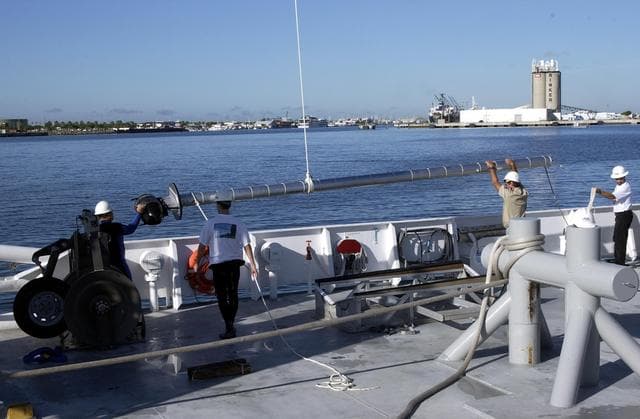
NASA image: KSC-02pd1537
Image
Oct 15, 2002

KSC-02pd1537

KENNEDY SPACE CENTER, FLA. -- Workers on the deck of the Liberty Star, one of NASA's solid rocket booster retrieval...

KSC
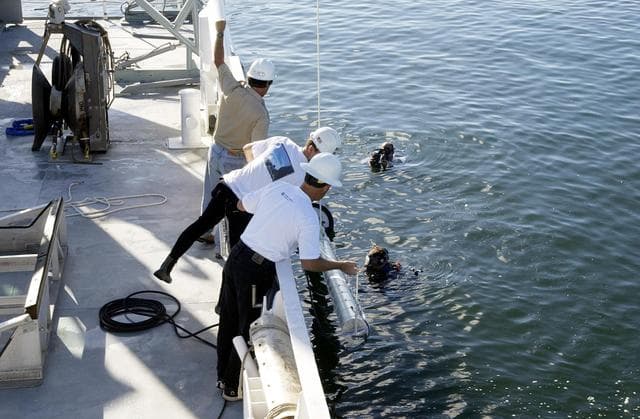
NASA image: KSC-02pd1538
Image
Oct 15, 2002

KSC-02pd1538

KENNEDY SPACE CENTER, FLA. -- Workers on the deck of the Liberty Star, one of NASA's solid rocket booster retrieval...

KSC
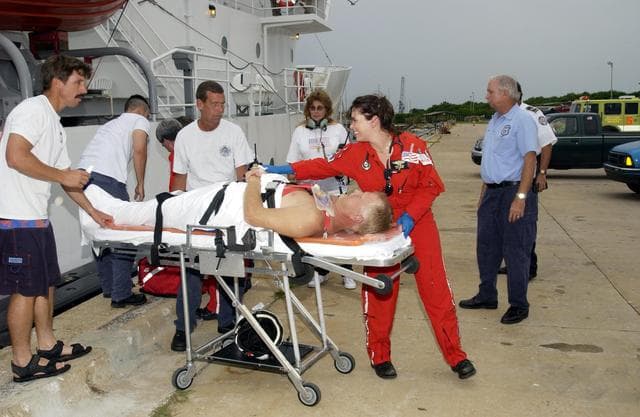
NASA image: KSC-02pd1301
Image
Sep 11, 2002

KSC-02pd1301

KENNEDY SPACE CENTER, FLA. - United Space Alliance workers on board the Freedom Star, one of the Shuttle Rocket...

KSC
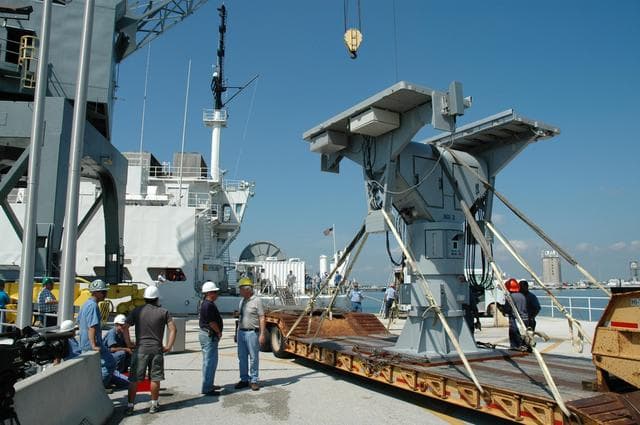
NASA image: KSC-06pd1271
Image
Jun 28, 2006

KSC-06pd1271

KENNEDY SPACE CENTER, FLA. - An X-band radar is ready to be loaded on the U.S. Naval Ship Hayes at Port Canaveral in...

KSC
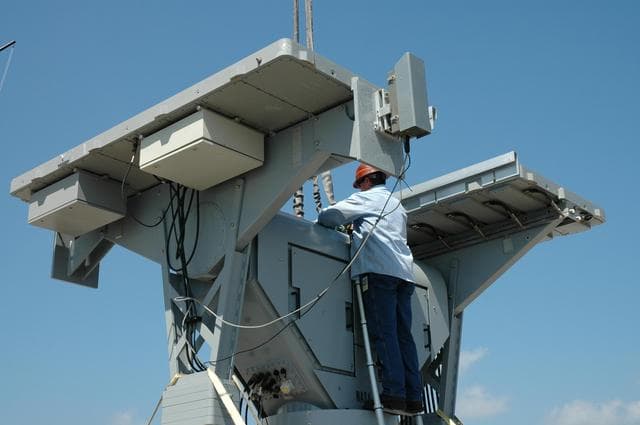
NASA image: KSC-06pd1272
Image
Jun 28, 2006

KSC-06pd1272

KENNEDY SPACE CENTER, FLA. - On the dock at Port Canaveral in Florida, a worker secures a crane hook on an X-band...

KSC
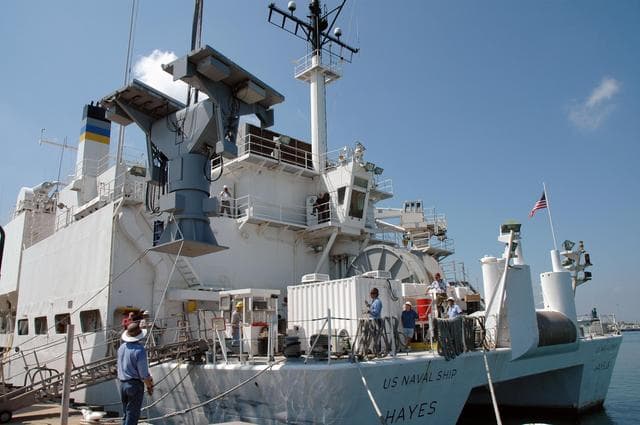
NASA image: KSC-06pd1273
Image
Jun 28, 2006

KSC-06pd1273

KENNEDY SPACE CENTER, FLA. - An X-band radar is transferred onto the U.S. Naval Ship Hayes at Port Canaveral in...

KSC
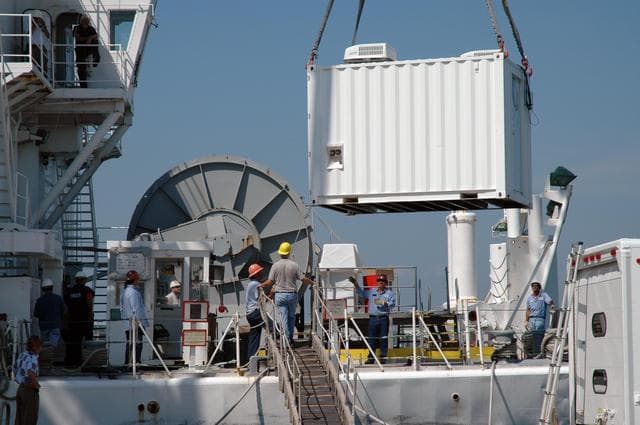
NASA image: KSC-06pd1270
Image
Jun 28, 2006

KSC-06pd1270

KENNEDY SPACE CENTER, FLA. - A support equipment module for an X-band radar is being loaded on the U.S. Naval Ship...

KSC
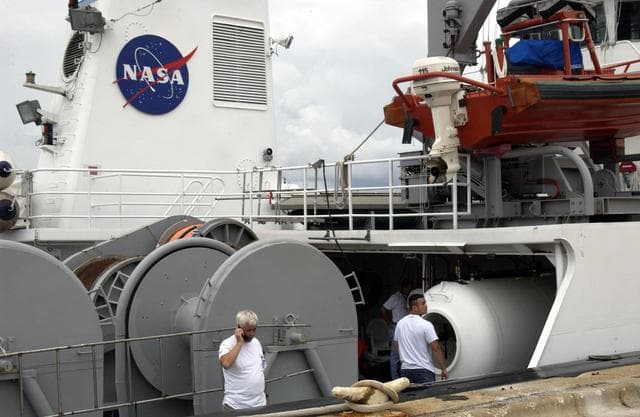
NASA image: KSC-02pd1299
Image
Sep 11, 2002

KSC-02pd1299

KENNEDY SPACE CENTER, FLA. - On board the Freedom Star, one of the Shuttle Rocket Booster retrieval ships, workers...

KSC
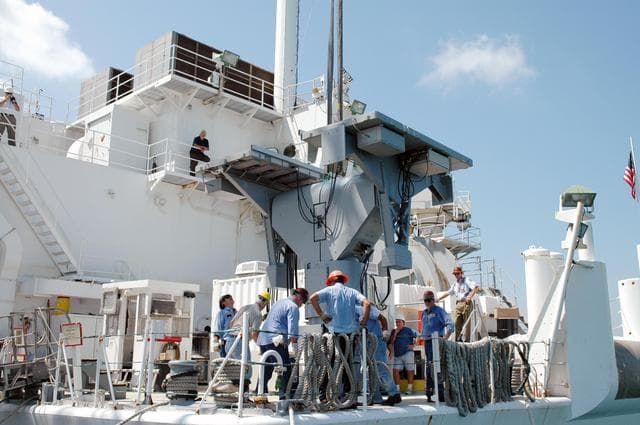
NASA image: KSC-06pd1274
Image
Jun 28, 2006

KSC-06pd1274

KENNEDY SPACE CENTER, FLA. - An X-band radar is installed on the U.S. Naval Ship Hayes at Port Canaveral in Florida...

KSC
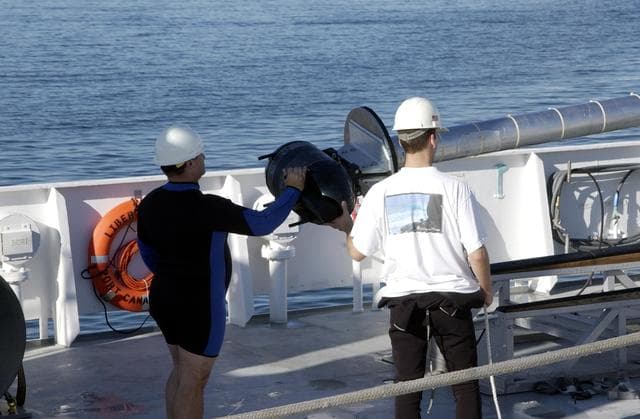
NASA image: KSC-02pd1536
Image
Oct 15, 2002

KSC-02pd1536

KENNEDY SPACE CENTER, FLA. -- Workers on the deck of the Liberty Star, one of NASA's solid rocket booster retrieval...

KSC
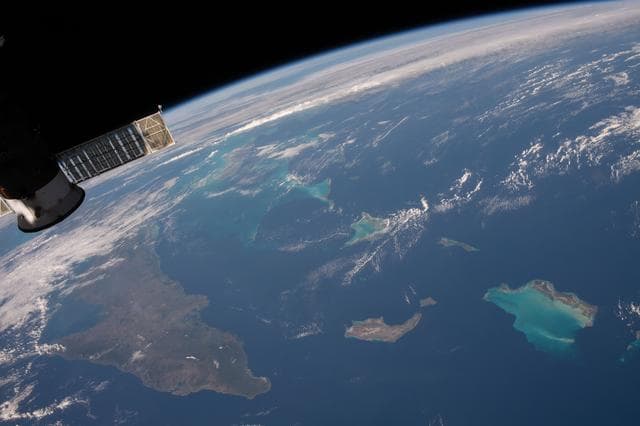
NASA image: Cuba, The Bahamas and the Turks and Caicos Islands
Image
Jan 4, 2019

Cuba, The Bahamas and the Turks and Caicos Islands

iss058e002206 (Jan. 5, 2018) --- Portions of Cuba, The Bahamas and the Turks and Caicos Islands are viewed from the...

JSC
NASA image: Separation Anxiety Over for Deep Impact
Image
Jul 4, 2005

Separation Anxiety Over for Deep Impact

This image of NASA Deep Impact impactor probe was taken by the mission mother ship, or flyby spacecraft, after the...

JPL
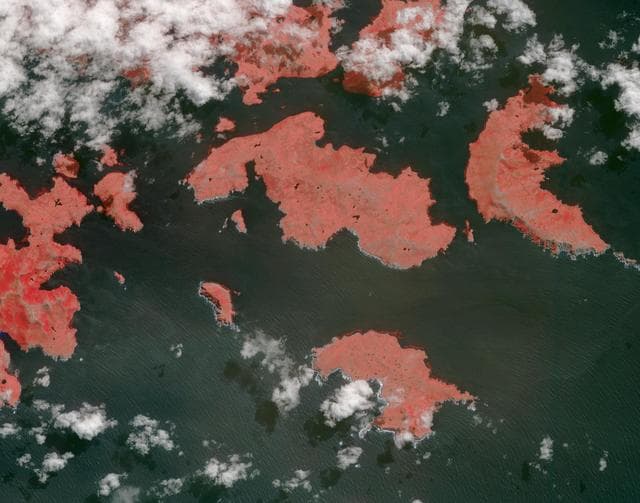
NASA image: Cape Horn, Chile
Image
Apr 15, 2019

Cape Horn, Chile

Cape Horn is the southernmost point of the Tierra Del Fuego archipelago of Southern Chile, and marks the northern...

JPL
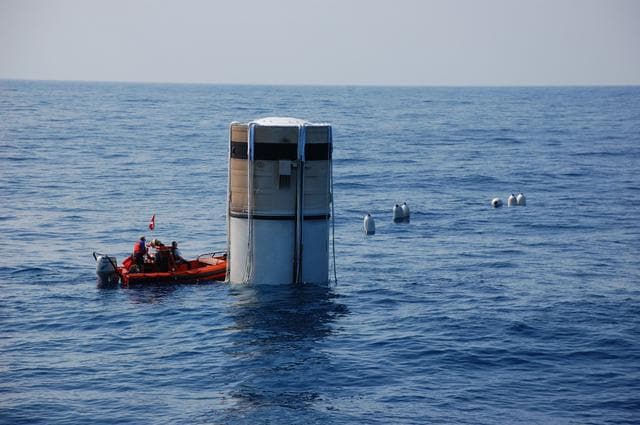
NASA image: KSC-2011-1831
Image
Feb 25, 2011

KSC-2011-1831

CAPE CANAVERAL, Fla. -- Crew members from Freedom Star, one of NASA's solid rocket booster retrieval ships, have...

KSC
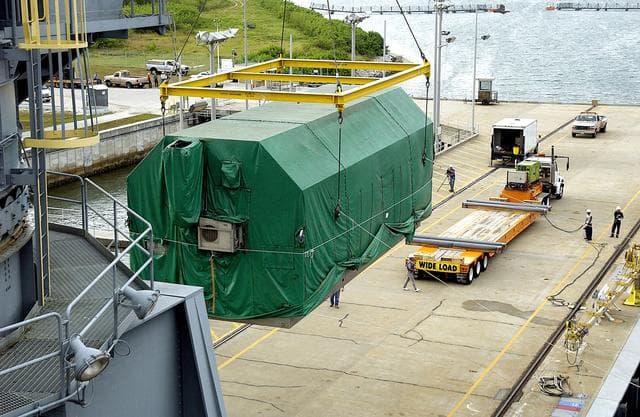
NASA image: KENNEDY SPACE CENTER, FLA. - At Port Canaveral, the Pressurized Module of the Japanese Experiment Module (JEM) is lifted out of the ship’s cargo hold.  It will be loaded onto the truck bed in the background for transfer to KSC’s Space Station Processing Facility.  The container transport ship carrying JEM departed May 2 from Yokohama Harbor in Japan for the voyage to the United States. The National Space Development Agency of Japan (NASDA) developed the laboratory at the Tsukuba Space Center near Tokyo. The Pressurized Module is the first element of the JEM, named "Kibo" (Hope), to be delivered to KSC. The JEM is Japan's primary contribution to the Station. It will enhance the unique research capabilities of the orbiting complex by providing an additional environment for astronauts to conduct science experiments.  The JEM also includes an exposed facility (platform) for space environment experiments, a robotic manipulator system, and two logistics modules. The various JEM components will be  assembled in space over the course of three Shuttle missions.
Image
Jun 4, 2003

KENNEDY SPACE CENTER, FLA. - At Port Canaveral, the Pressurized Module of the Japanese Experiment Module (JEM) is lifted out of the ship’s cargo hold. It will be loaded onto the truck bed in the background for transfer to KSC’s Space Station Processing Facility. The container transport ship carrying JEM departed May 2 from Yokohama Harbor in Japan for the voyage to the United States. The National Space Development Agency of Japan (NASDA) developed the laboratory at the Tsukuba Space Center near Tokyo. The Pressurized Module is the first element of the JEM, named "Kibo" (Hope), to be delivered to KSC. The JEM is Japan's primary contribution to the Station. It will enhance the unique research capabilities of the orbiting complex by providing an additional environment for astronauts to conduct science experiments. The JEM also includes an exposed facility (platform) for space environment experiments, a robotic manipulator system, and two logistics modules. The various JEM components will be assembled in space over the course of three Shuttle missions.
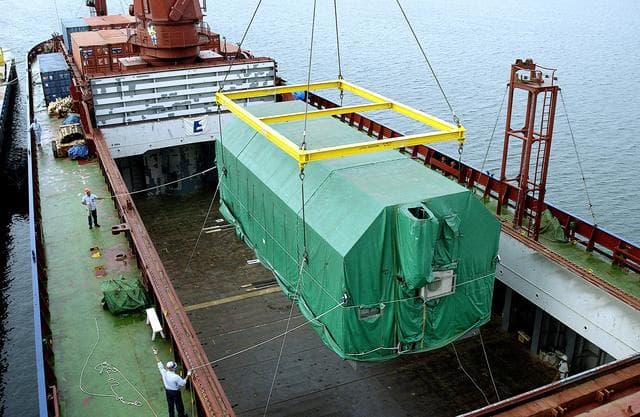
NASA image: KENNEDY SPACE CENTER, FLA. - At Port Canaveral, the Pressurized Module of the Japanese Experiment Module (JEM) is lifted out of the ship’s cargo hold.  The container transport ship carrying JEM departed May 2 from Yokohama Harbor in Japan for the voyage to the United States. The National Space Development Agency of Japan (NASDA) developed the laboratory at the Tsukuba Space Center near Tokyo. The Pressurized Module is the first element of the JEM, named "Kibo" (Hope), to be delivered to KSC. The JEM is Japan's primary contribution to the Station. It will enhance the unique research capabilities of the orbiting complex by providing an additional environment for astronauts to conduct science experiments.  The JEM also includes an exposed facility (platform) for space environment experiments, a robotic manipulator system, and two logistics modules. The various JEM components will be  assembled in space over the course of three Shuttle missions.
Image
Jun 4, 2003

KENNEDY SPACE CENTER, FLA. - At Port Canaveral, the Pressurized Module of the Japanese Experiment Module (JEM) is lifted out of the ship’s cargo hold. The container transport ship carrying JEM departed May 2 from Yokohama Harbor in Japan for the voyage to the United States. The National Space Development Agency of Japan (NASDA) developed the laboratory at the Tsukuba Space Center near Tokyo. The Pressurized Module is the first element of the JEM, named "Kibo" (Hope), to be delivered to KSC. The JEM is Japan's primary contribution to the Station. It will enhance the unique research capabilities of the orbiting complex by providing an additional environment for astronauts to conduct science experiments. The JEM also includes an exposed facility (platform) for space environment experiments, a robotic manipulator system, and two logistics modules. The various JEM components will be assembled in space over the course of three Shuttle missions.
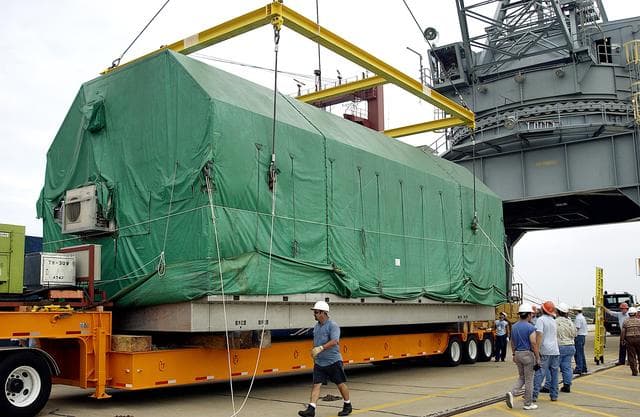
NASA image: KENNEDY SPACE CENTER, FLA. - At Port Canaveral, the overhead crane that lifted the Pressurized Module of the Japanese Experiment Module (JEM) from the ship onto the truck bed is released.  The container transport ship carrying JEM departed May 2 from Yokohama Harbor in Japan for the voyage to the United States. The National Space Development Agency of Japan (NASDA) developed the laboratory at the Tsukuba Space Center near Tokyo. The Pressurized Module is the first element of the JEM, named "Kibo" (Hope), to be delivered to KSC, and will be transferred to KSC’s Space Station Processing Facility.  The JEM is Japan's primary contribution to the Station. It will enhance the unique research capabilities of the orbiting complex by providing an additional environment for astronauts to conduct science experiments.  The JEM also includes an exposed facility (platform) for space environment experiments, a robotic manipulator system, and two logistics modules. The various JEM components will be  assembled in space over the course of three Shuttle missions.
Image
Jun 4, 2003

KENNEDY SPACE CENTER, FLA. - At Port Canaveral, the overhead crane that lifted the Pressurized Module of the Japanese Experiment Module (JEM) from the ship onto the truck bed is released. The container transport ship carrying JEM departed May 2 from Yokohama Harbor in Japan for the voyage to the United States. The National Space Development Agency of Japan (NASDA) developed the laboratory at the Tsukuba Space Center near Tokyo. The Pressurized Module is the first element of the JEM, named "Kibo" (Hope), to be delivered to KSC, and will be transferred to KSC’s Space Station Processing Facility. The JEM is Japan's primary contribution to the Station. It will enhance the unique research capabilities of the orbiting complex by providing an additional environment for astronauts to conduct science experiments. The JEM also includes an exposed facility (platform) for space environment experiments, a robotic manipulator system, and two logistics modules. The various JEM components will be assembled in space over the course of three Shuttle missions.
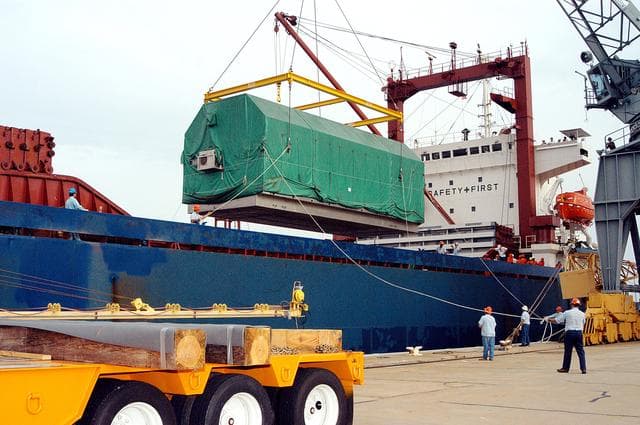
NASA image: KENNEDY SPACE CENTER, FLA. - At Port Canaveral, the Pressurized Module of the Japanese Experiment Module (JEM) is swung away from the ship. The container transport ship carrying JEM departed May 2 from Yokohama Harbor in Japan for the voyage to the United States. The National Space Development Agency of Japan (NASDA) developed the laboratory at the Tsukuba Space Center near Tokyo.  The module will be loaded onto a truck bed and transferred to KSC’s Space Station Processing Facility.  The Pressurized Module is the first element of the JEM, named "Kibo" (Hope), to be delivered to KSC. The JEM is Japan's primary contribution to the Station. It will enhance the unique research capabilities of the orbiting complex by providing an additional environment for astronauts to conduct science experiments.  The JEM also includes an exposed facility (platform) for space environment experiments, a robotic manipulator system, and two logistics modules. The various JEM components will be  assembled in space over the course of three Shuttle missions.
Image
Jun 4, 2003

KENNEDY SPACE CENTER, FLA. - At Port Canaveral, the Pressurized Module of the Japanese Experiment Module (JEM) is swung away from the ship. The container transport ship carrying JEM departed May 2 from Yokohama Harbor in Japan for the voyage to the United States. The National Space Development Agency of Japan (NASDA) developed the laboratory at the Tsukuba Space Center near Tokyo. The module will be loaded onto a truck bed and transferred to KSC’s Space Station Processing Facility. The Pressurized Module is the first element of the JEM, named "Kibo" (Hope), to be delivered to KSC. The JEM is Japan's primary contribution to the Station. It will enhance the unique research capabilities of the orbiting complex by providing an additional environment for astronauts to conduct science experiments. The JEM also includes an exposed facility (platform) for space environment experiments, a robotic manipulator system, and two logistics modules. The various JEM components will be assembled in space over the course of three Shuttle missions.
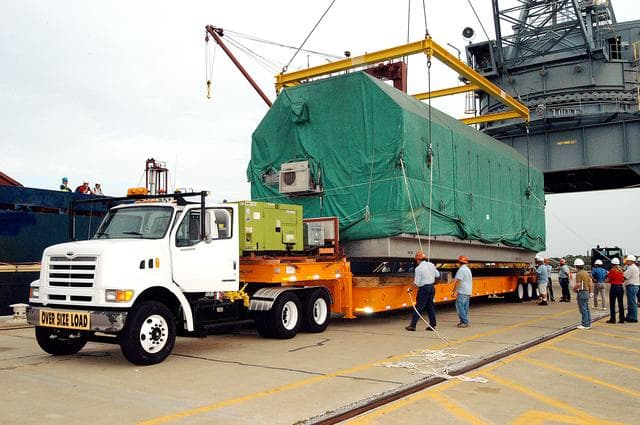
NASA image: KENNEDY SPACE CENTER, FLA. - At Port Canaveral, workers release the overhead crane that lifted the Pressurized Module of the Japanese Experiment Module (JEM) from the ship onto the truck bed.  The container transport ship carrying JEM departed May 2 from Yokohama Harbor in Japan for the voyage to the United States. The National Space Development Agency of Japan (NASDA) developed the laboratory at the Tsukuba Space Center near Tokyo. The Pressurized Module is the first element of the JEM, named "Kibo" (Hope), to be delivered to KSC, and will be transferred to KSC’s Space Station Processing Facility.  The JEM is Japan's primary contribution to the Station. It will enhance the unique research capabilities of the orbiting complex by providing an additional environment for astronauts to conduct science experiments.  The JEM also includes an exposed facility (platform) for space environment experiments, a robotic manipulator system, and two logistics modules. The various JEM components will be  assembled in space over the course of three Shuttle missions.
Image
Jun 4, 2003

KENNEDY SPACE CENTER, FLA. - At Port Canaveral, workers release the overhead crane that lifted the Pressurized Module of the Japanese Experiment Module (JEM) from the ship onto the truck bed. The container transport ship carrying JEM departed May 2 from Yokohama Harbor in Japan for the voyage to the United States. The National Space Development Agency of Japan (NASDA) developed the laboratory at the Tsukuba Space Center near Tokyo. The Pressurized Module is the first element of the JEM, named "Kibo" (Hope), to be delivered to KSC, and will be transferred to KSC’s Space Station Processing Facility. The JEM is Japan's primary contribution to the Station. It will enhance the unique research capabilities of the orbiting complex by providing an additional environment for astronauts to conduct science experiments. The JEM also includes an exposed facility (platform) for space environment experiments, a robotic manipulator system, and two logistics modules. The various JEM components will be assembled in space over the course of three Shuttle missions.
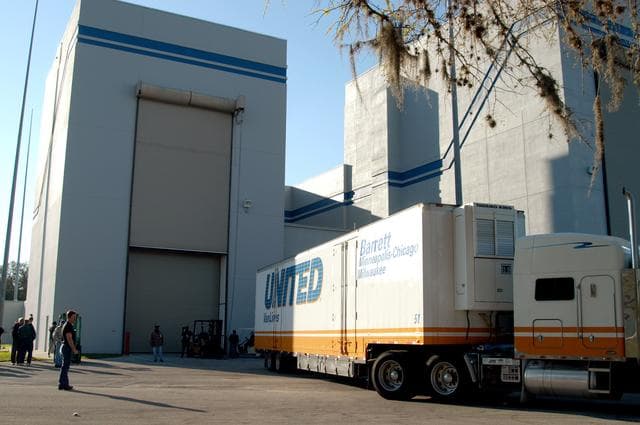
NASA image: KENNEDY SPACE CENTER, FLA. -  Shipped in an air-conditioned transportation van from NASA’s Goddard Space Flight Center in Greenbelt, Md., NASA’s MESSENGER spacecraft, the first Mercury orbiter, arrives at the Astrotech Space Operations processing facilities near KSC.    MESSENGER - short for MErcury Surface, Space ENvironment, GEochemistry and Ranging - will be offloaded and taken into a high bay clean room.  After the spacecraft is removed from its shipping container, employees of the Johns Hopkins University Applied Physics Laboratory, builders of the spacecraft, will perform an initial state-of-health check.  Then processing for launch can begin, including checkout of the power systems, communications systems and control systems.  The thermal blankets will also be attached for flight.  MESSENGER will be launched May 11 on a six-year mission aboard a Boeing Delta II rocket.  Liftoff is targeted for 2:26 a.m. EDT on Tuesday, May 11.
Image
Mar 10, 2004

KENNEDY SPACE CENTER, FLA. - Shipped in an air-conditioned transportation van from NASA’s Goddard Space Flight Center in Greenbelt, Md., NASA’s MESSENGER spacecraft, the first Mercury orbiter, arrives at the Astrotech Space Operations processing facilities near KSC. MESSENGER - short for MErcury Surface, Space ENvironment, GEochemistry and Ranging - will be offloaded and taken into a high bay clean room. After the spacecraft is removed from its shipping container, employees of the Johns Hopkins University Applied Physics Laboratory, builders of the spacecraft, will perform an initial state-of-health check. Then processing for launch can begin, including checkout of the power systems, communications systems and control systems. The thermal blankets will also be attached for flight. MESSENGER will be launched May 11 on a six-year mission aboard a Boeing Delta II rocket. Liftoff is targeted for 2:26 a.m. EDT on Tuesday, May 11.
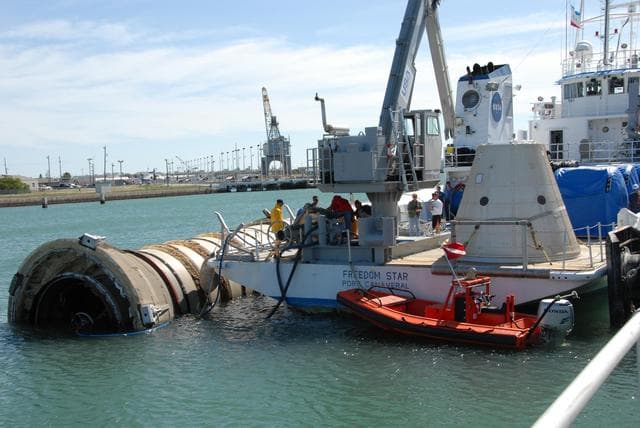
NASA image: KSC-08pd0263
Image
Feb 10, 2008

KSC-08pd0263

KENNEDY SPACE CENTER, FLA. -- The solid rocket booster retrieval ship Freedom Star is temporarily docked at Port...

KSC
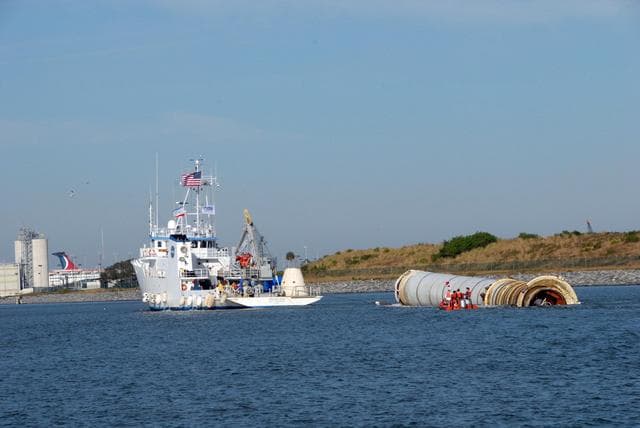
NASA image: KSC-08pd0261
Image
Feb 10, 2008

KSC-08pd0261

KENNEDY SPACE CENTER, FLA. -- The solid rocket booster retrieval ship Freedom Star tows toward Port Canaveral one of...

KSC
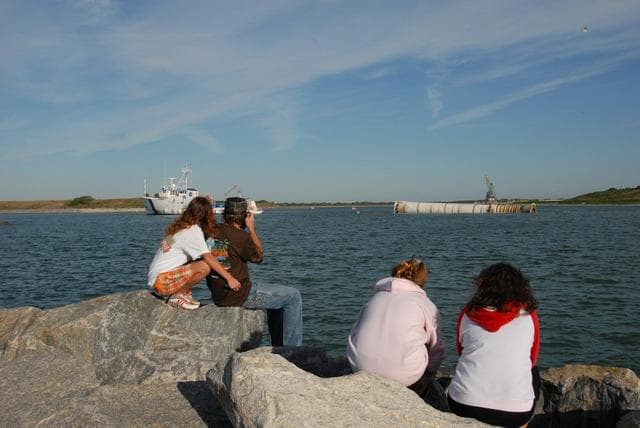
NASA image: KSC-08pd0259
Image
Feb 10, 2008

KSC-08pd0259

KENNEDY SPACE CENTER, FLA. -- Spectators watch as the solid rocket booster retrieval ship Freedom Star tows one of...

KSC
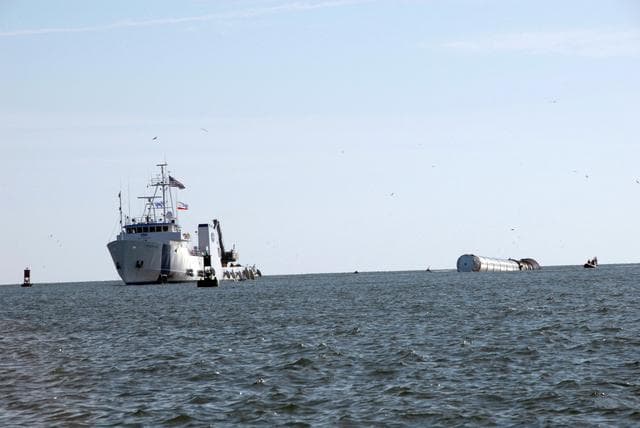
NASA image: KSC-08pd0258
Image
Feb 10, 2008

KSC-08pd0258

KENNEDY SPACE CENTER, FLA. -- The solid rocket booster retrieval ship Freedom Star tows one of the boosters...

KSC
PreviousPage 22 of 100Next

Frequently Asked Questions About NASA Images

Are NASA images free to use?+
Yes, most NASA images are in the public domain and are free to use for educational, informational, and personal purposes. NASA's media usage guidelines state that NASA material is not copyrighted unless otherwise noted. However, the NASA logo and certain insignia are protected. Some images may include identifiable individuals or third-party content that requires additional permissions. Always check the specific image's usage rights and credit NASA as the source.
How many images does NASA have?+
NASA's Image and Video Library contains over 140,000 publicly accessible images, videos, and audio files spanning the agency's entire history, from the Mercury program of the 1960s to the latest James Webb Space Telescope discoveries. The collection grows daily as new missions capture imagery and archival materials are digitized. Individual mission archives, such as Mars rover photos, contain hundreds of thousands of additional images.
Can I download NASA images?+
Yes, you can download NASA images in multiple resolutions directly from this gallery. Each image detail page provides download links for original (full resolution), large (1920px), medium (960px), small (480px), and thumbnail sizes. NASA encourages the public to use these images for education, media, and personal projects. High-resolution originals are ideal for printing and professional use.

Explore More NASA Content

Astronomy Picture of the Day

Daily curated space image

Mars Rover Photos

Curiosity & Perseverance images

Earth from Space

DSCOVR EPIC daily images

Launch Schedule

Upcoming rocket launches

Space News

Mission updates & discoveries

KENNEDY SPACE CENTER, FLA. - At Port Canaveral, the Pressurized Module of the Japanese Experiment Module (JEM) is...

KSC

KENNEDY SPACE CENTER, FLA. - At Port Canaveral, the Pressurized Module of the Japanese Experiment Module (JEM) is...

KSC

KENNEDY SPACE CENTER, FLA. - At Port Canaveral, the overhead crane that lifted the Pressurized Module of the...

KSC

KENNEDY SPACE CENTER, FLA. - At Port Canaveral, the Pressurized Module of the Japanese Experiment Module (JEM) is...

KSC

KENNEDY SPACE CENTER, FLA. - At Port Canaveral, workers release the overhead crane that lifted the Pressurized...

KSC

KENNEDY SPACE CENTER, FLA. - Shipped in an air-conditioned transportation van from NASA’s Goddard Space Flight...

KSC