Image
Sep 14, 2012
KSC-2012-5080
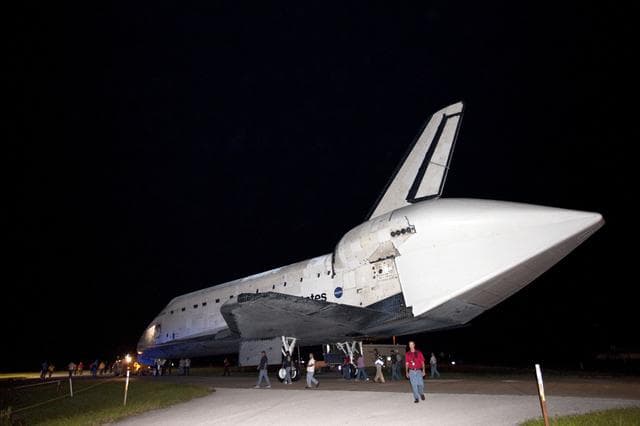
CAPE CANAVERAL, Fla. – Space shuttle Endeavour, fitted with an aerodynamic tail cone, leaves the processing...
KSC
Image
Dec 13, 2008
KSC-08pd4028
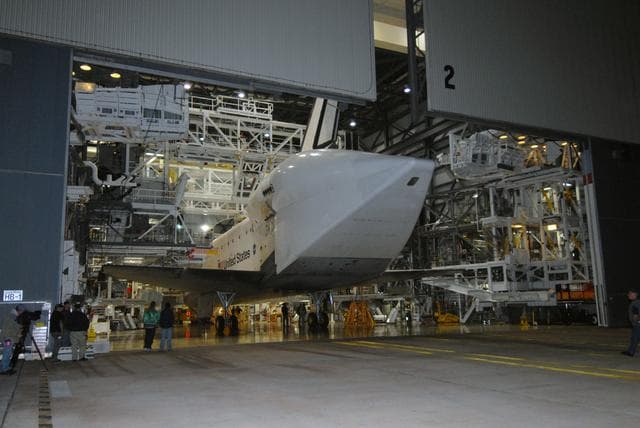
CAPE CANAVERAL, Fla. -- Space shuttle Endeavour is towed by a diesel-powered tractor into the Orbiter Processing...
KSC
Image
Sep 25, 2015
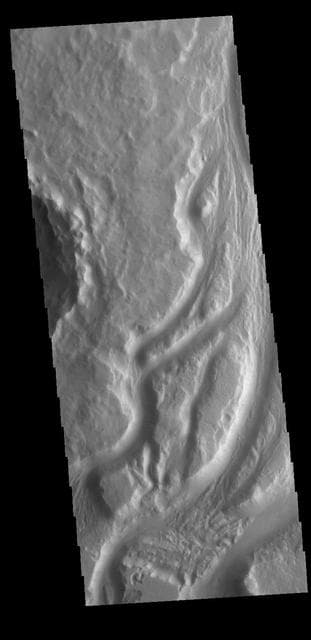
Mangala Valles
This VIS image shows part of the complex channel called Mengala Valles. The tear-drop shaped regions in the channel...
JPL
Image
May 30, 2023
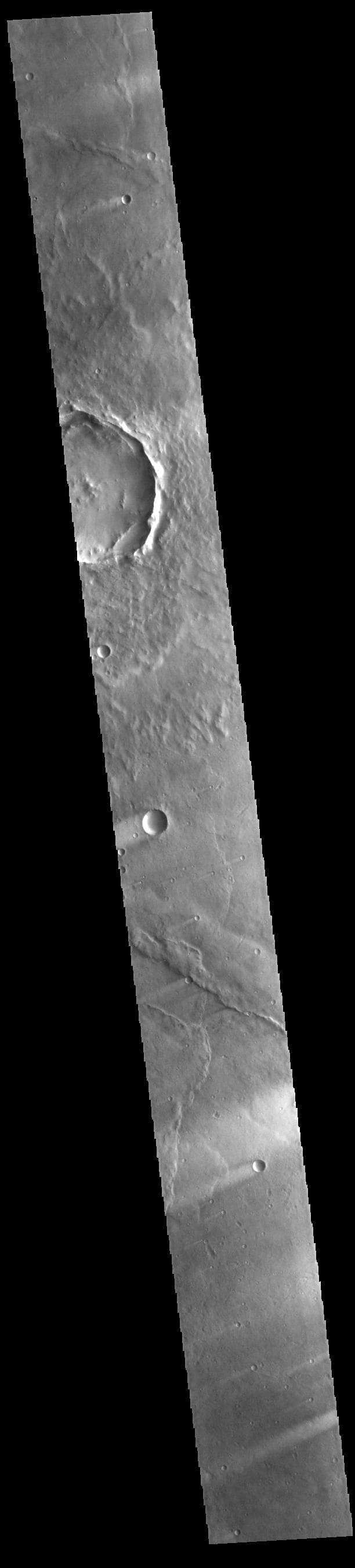
Windstreaks
Today's VIS image shows windstreaks located in Syrtis Major Planum. These streaks are formed by the wind interaction...
JPL
Image
Sep 24, 2020
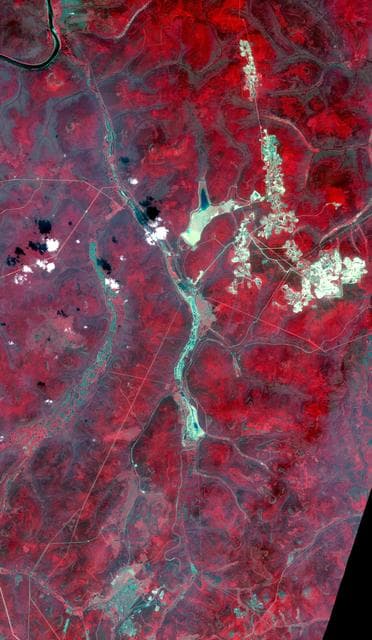
Aldan, Siberia, Russia
Aldan is the administrative center of the Aldansky District in Siberia, Russia. It was founded in 1923 after...
JPL
Image
Apr 3, 1961
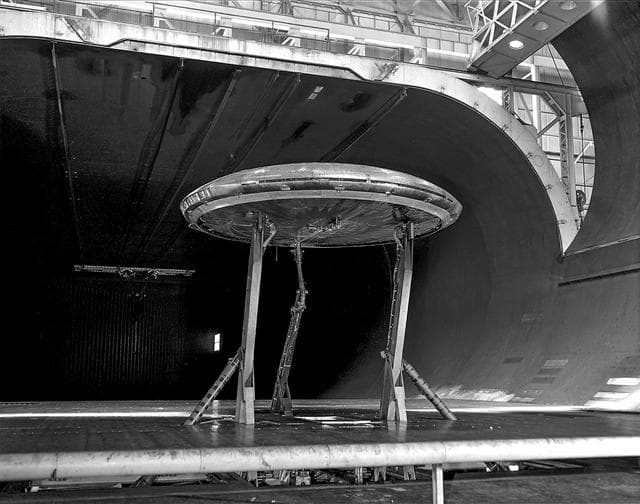
Avrocar Test in Ames 40x80 Foot Wind Tunnel.
Rear view of the Avrocar with tail, mounted on variable height struts. Overhead doors of the wind tunnel test...
ARC
Image
Mar 30, 2021
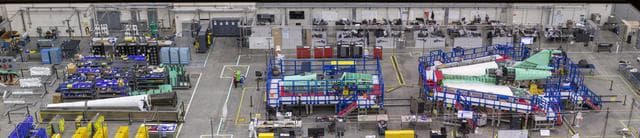
Manufacture Area From Above
This overhead shot of the X-59 Quiet SuperSonic Technology or QueSST aircraft shows the assembly progress of the...
HQ
Image
Mar 2, 1998
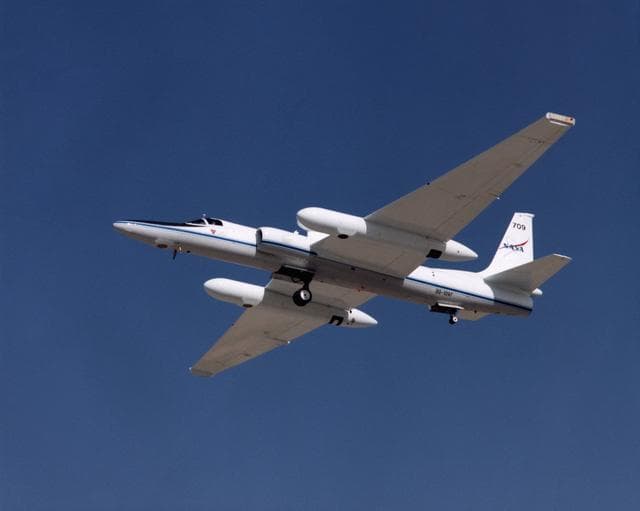
Lockheed ER-2 #709 high altitude research aircraft during take off
ER-2 tail number 709, was one of two Airborne Science ER-2s used as science platforms by Dryden. The aircraft were...
AFRC
Image
Mar 11, 2021
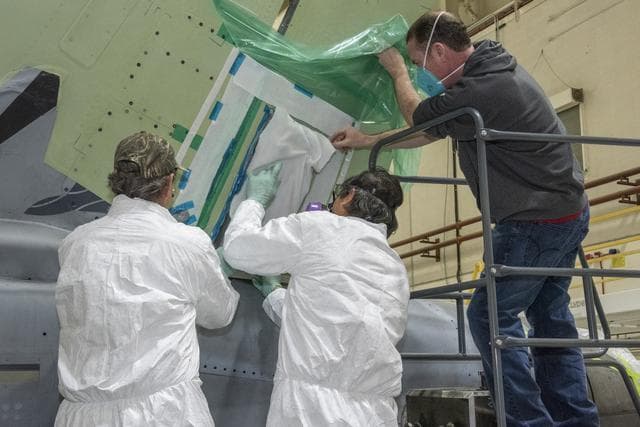
Title: NAVAIR F/A-18E Undergoes Loads Testing at NASA Armstrong
The load pad bonding process for the vertical tails was a preliminary step in the process to test the F/A-18E from...
AFRC
Image
Dec 13, 2008
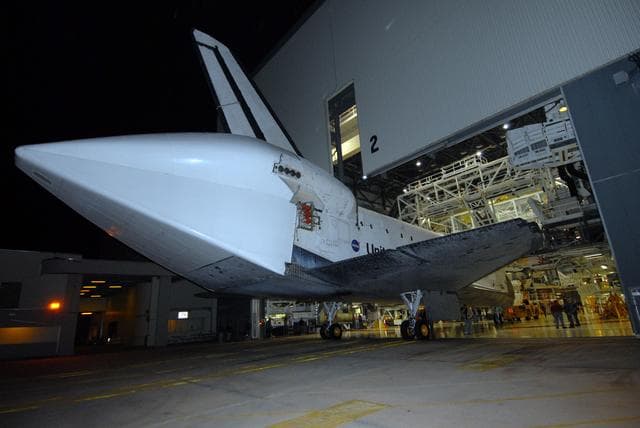
KSC-08pd4027
CAPE CANAVERAL, Fla. -- Space shuttle Endeavour is towed by a diesel-powered tractor into the Orbiter Processing...
KSC
Image
Oct 25, 2007
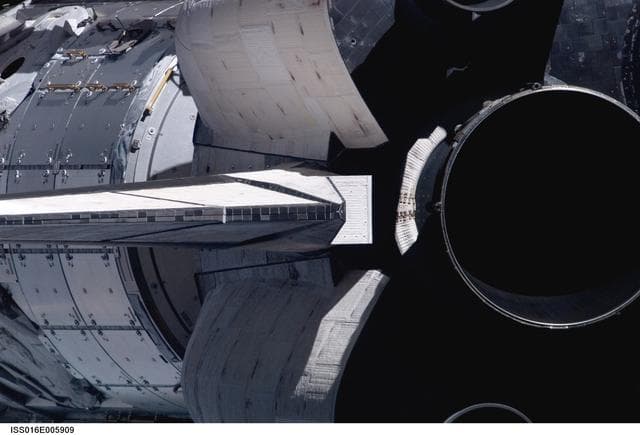
Mapping Sequence performed during the STS-120 R-Bar Pitch Maneuver
ISS016-E-005909 (25 Oct. 2007) --- A close-up view of Space Shuttle Discovery's tail section is featured in this...
JSC
Image
Dec 14, 2007
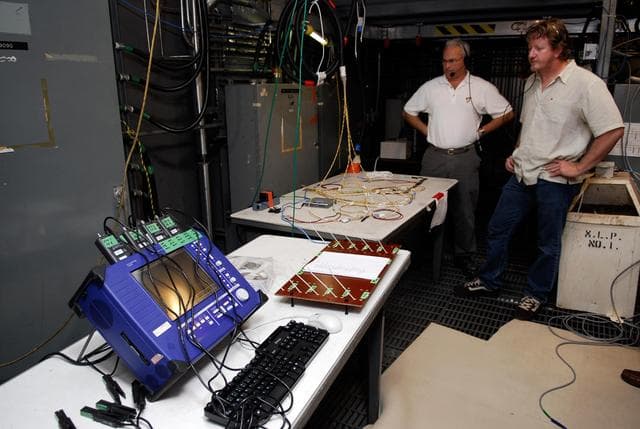
KSC-07pd3632
KENNEDY SPACE CENTER, FLA. -- On Launch Pad 39A, technicians overlook wires and monitoring equipment that will be...
KSC
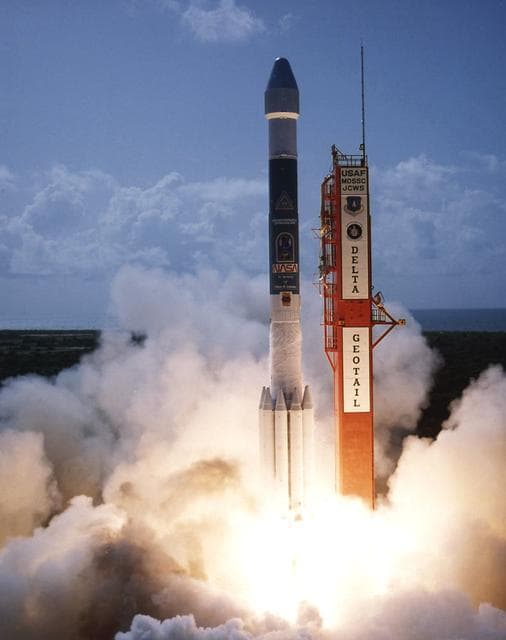
Image
Jul 24, 1992
Earth Science
A Delta II rocket carrying the Geomagnetic Tail Lab (GEOTAIL) spacecraft lifts off at Launch Complex 17, Kennedy...
MSFC
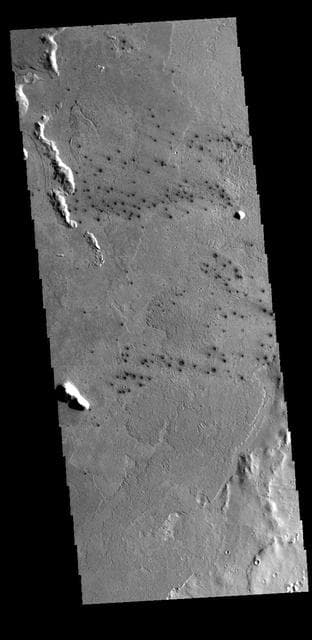
Image
Apr 4, 2018
Small Craters
This field of small dark craters is located in southern Elysium Planitia. The dark appearance against the...
JPL
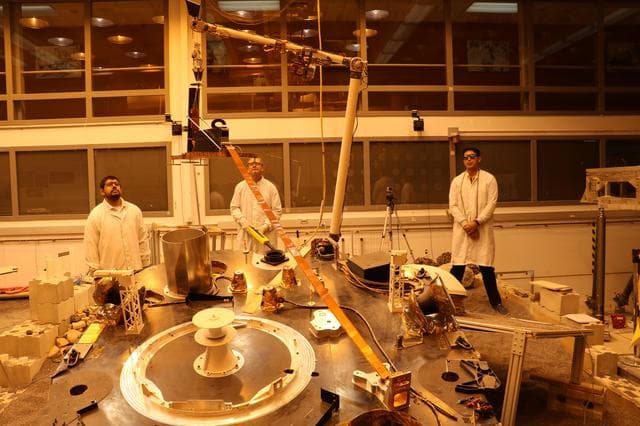
Image
Oct 11, 2018
InSight Robotic Arm Test Lift of Heat Probe
An engineering version of the robotic arm on NASA's InSight mission lifts the engineering version of the Heat Flow...
JPL

Image
Dec 9, 2022
Mechanical Test Engineer in the Icing Research Tunnel, IRT Co...
The Icing Research Tunnel (IRT) is the longest running, icing facility in the world and has been in operation since...
GRC
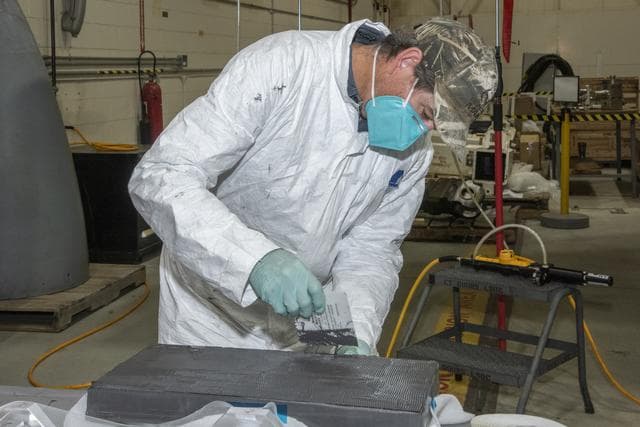
Image
Mar 11, 2021
Title: NAVAIR F/A-18E Undergoes Loads Testing at NASA Armstrong
The load pad bonding process for the vertical tails was a preliminary step in the process to test the F/A-18E from...
AFRC
Image
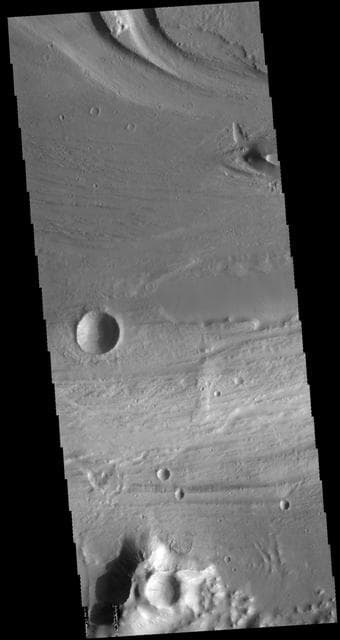
Aug 8, 2016
Kasei Valles
This VIS image shows a portion of Kasei Valles. Kasei Valles is a large channel system that drained from the Tharsis...
JPL
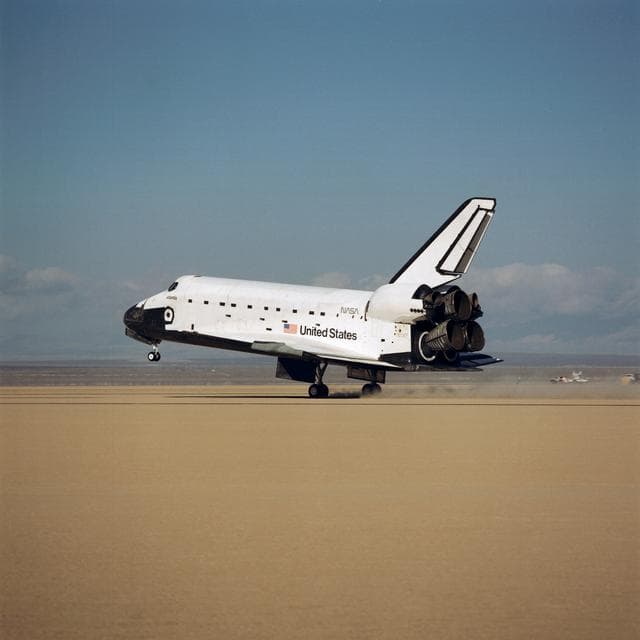
Image
Oct 23, 1989
STS-34 Atlantis, OV-104, touches down on runway 23 at EAFB, California
STS-34 Atlantis, Orbiter Vehicle (OV) 104, main landing gear (MLG) touches down on Runway 23 dry lake bed at Edwards...
JSC
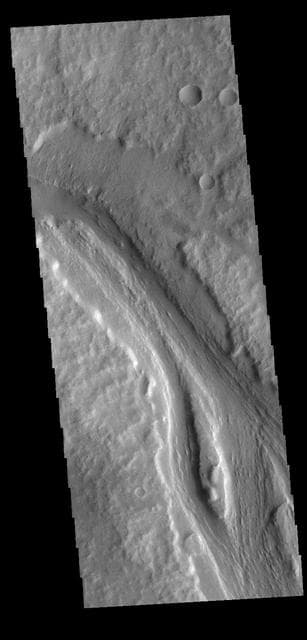
Image
Aug 17, 2022
Labou Vallis
Today's VIS image shows a section of Labou Vallis. Labou Vallis is located south of Eumenides Dorsum and is 258...
JPL
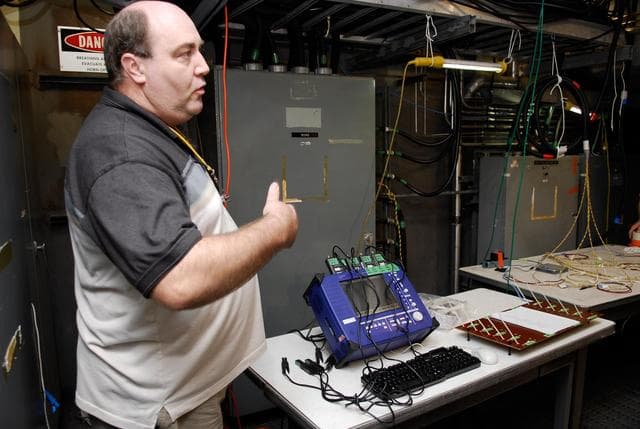
Image
Dec 14, 2007
KSC-07pd3631
KENNEDY SPACE CENTER, FLA. -- On Launch Pad 39A, a technician explains how test equipment -- the blue monitor --...
KSC
Image
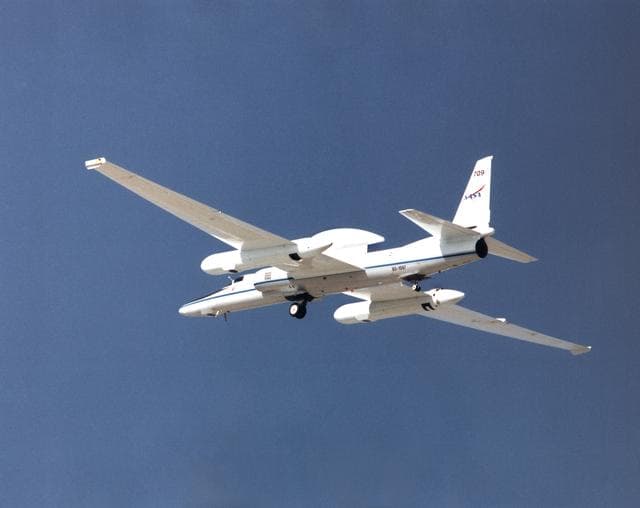
Mar 2, 1998
Lockheed ER-2 #709 high altitude research aircraft in flight
ER-2 tail number 709, was one of two Airborne Science ER-2s used as science platforms by Dryden. The aircraft were...
AFRC
Image
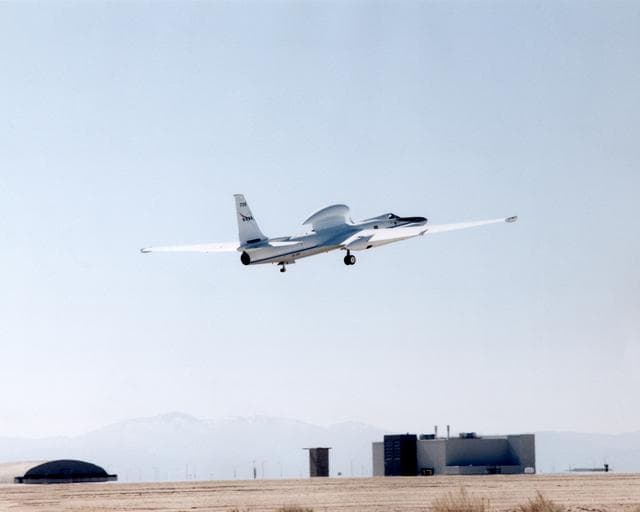
Feb 18, 1998
Lockheed ER-2 #709 high altitude research aircraft during take off
ER-2 tail number 709, was one of two Airborne Science ER-2s used as science platforms by Dryden. The aircraft were...
AFRC
Image
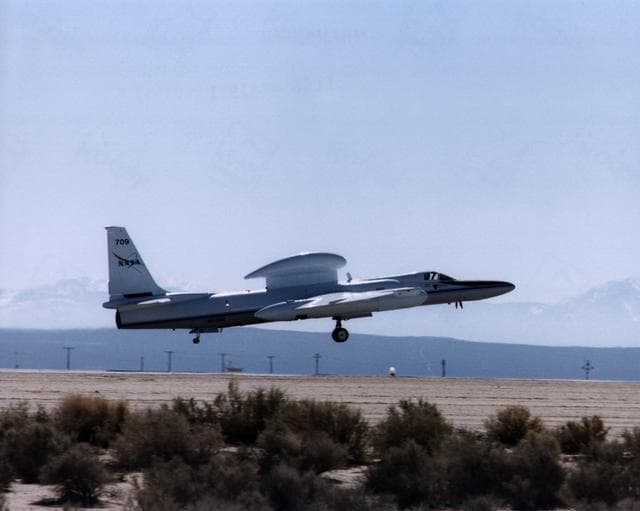
Feb 18, 1998
Lockheed ER-2 #709 high altitude research aircraft during take off
ER-2 tail number 709, was one of two Airborne Science ER-2s used as science platforms by Dryden. The aircraft were...
AFRC