Image
Jan 1, 1970
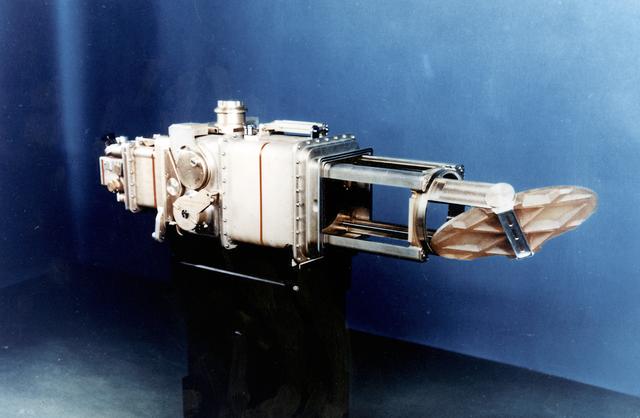
Skylab
This 1970 photograph shows Skylab's Ultraviolet (UV) Stellar Astronomy experiment, a scientific airlock-based...
MSFC
Image
Dec 10, 1990
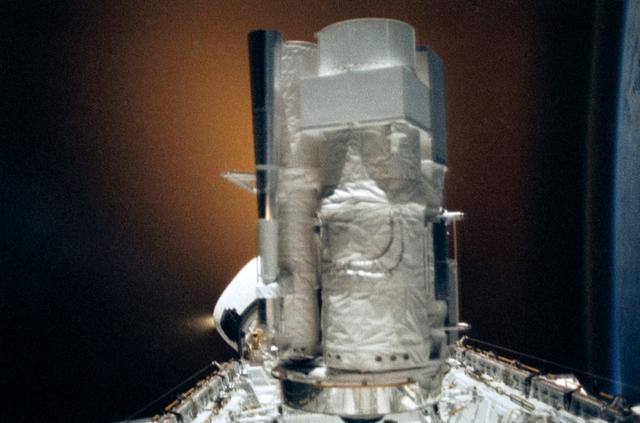
STS-35 ASTRO-1 in OV-102's payload bay silhouetted against RCS firing
STS035-28-006 (2-10 Dec 1990) --- STS-35 Astronomy Laboratory 1 (ASTRO-1) telescopes, in on-orbit operating position...
JSC
Image
Dec 10, 1990
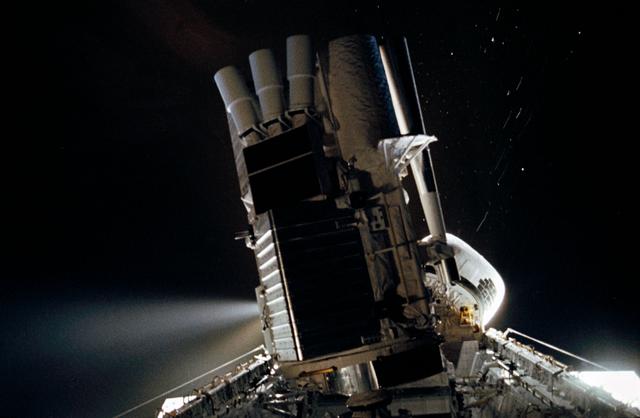
STS-35 ASTRO-1 telescopes documented in OV-102's PLB with RCS firing
STS035-35-007 (2-10 Dec 1990) --- During the STS-35 mission, the Astronomy Laboratory 1 (ASTRO-1) payload, in its...
JSC
Image
Mar 20, 1990
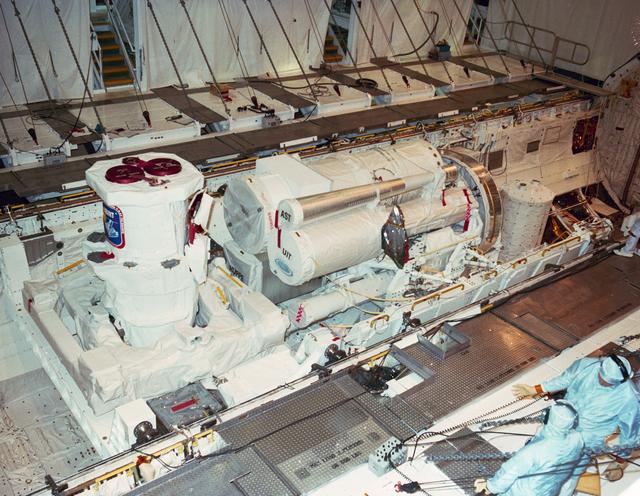
STS-35 Astronomy Laboratory 1 (ASTRO-1) in OV-102's payload bay at KSC
STS-35 Astronomy Laboratory 1 (ASTRO-1) is installed in Columbia's, Orbiter Vehicle (OV) 102's, payload bay (PLB) at...
JSC
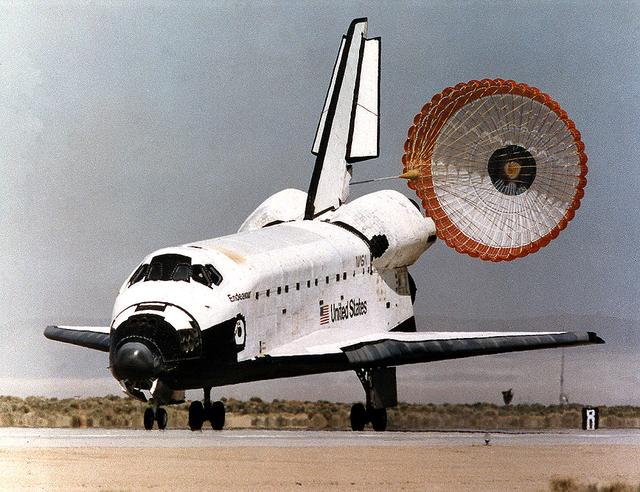
Image
Mar 18, 1995
Space Shuttle Project
The Space Shuttle Endeavour (STS-67) lands at Edwards Air Force Base in southern California after successfully...
MSFC
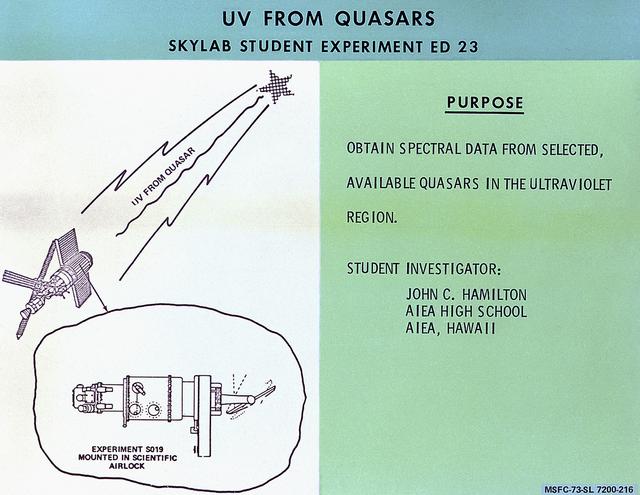
Image
Jan 1, 1973
Skylab
This chart describes the Skylab student experiment Ultraviolet (UV) from Quasars, proposed by John C. Hamilton of...
MSFC
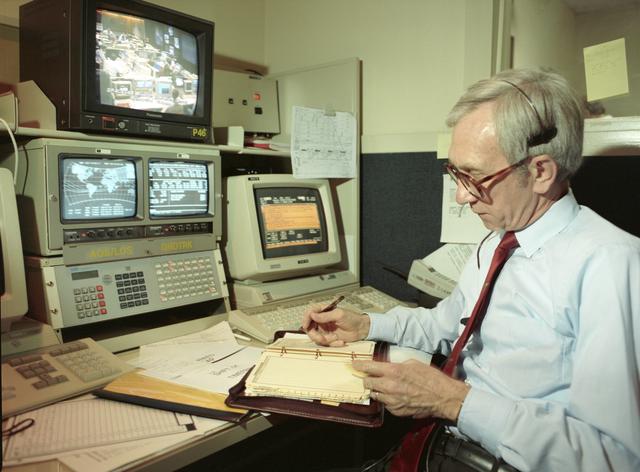
Image
Dec 3, 1990
Around Marshall
The primary objective of the STS-35 mission was round the clock observation of the celestial sphere in ultraviolet...
MSFC
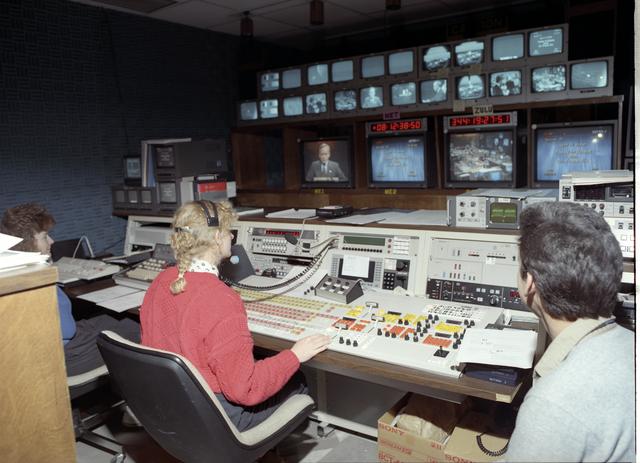
Image
Dec 3, 1990
Around Marshall
The primary objective of the STS-35 mission was round the clock observation of the celestial sphere in ultraviolet...
MSFC
Image
Nov 27, 1989
Space Shuttle Projects
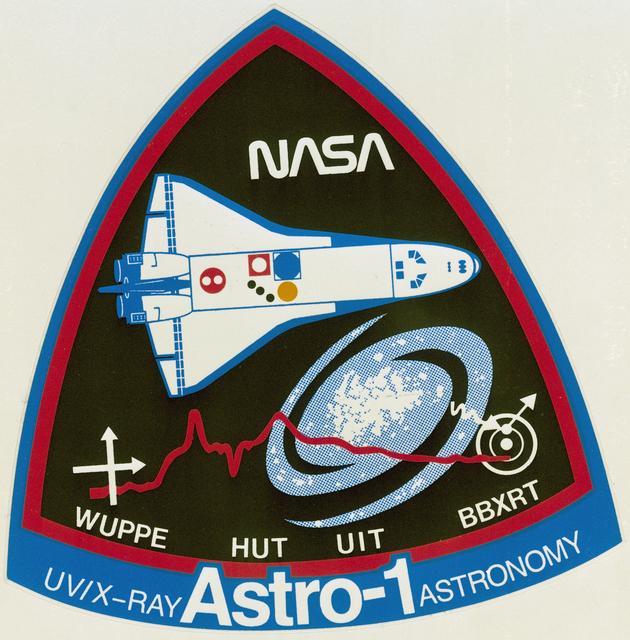
The primary payload for Space Shuttle Mission STS-35, launched December 2, 1990, was the ASTRO-1 Observatory....
MSFC
Image
Dec 4, 1990
Around Marshall
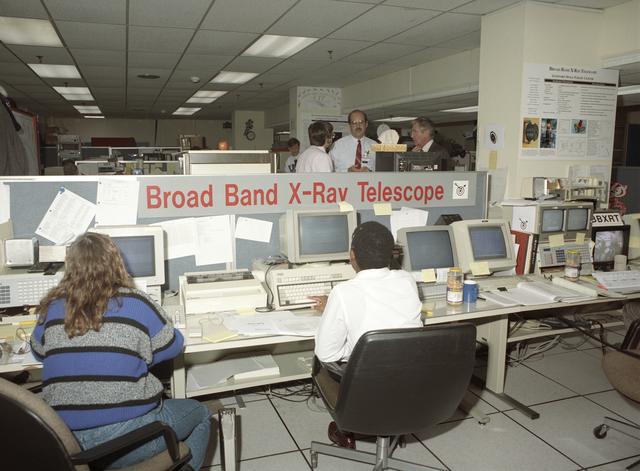
The primary objective of the STS-35 mission was round the clock observation of the celestial sphere in ultraviolet...
MSFC
Image
Mar 17, 1995
View of ASTRO-2 payload in cargo bay of STS-67 Endeavour
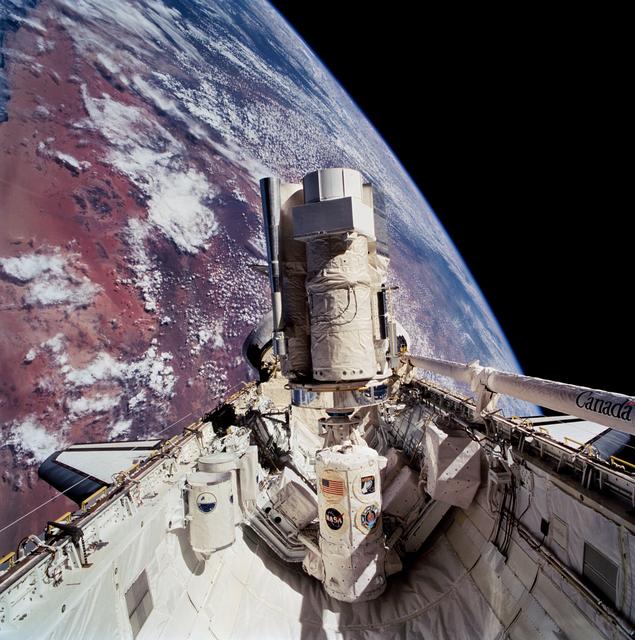
STS067-713-072 (2-18 March 1995) --- This 70mm cargo bay scene, backdropped against a desert area of Namibia,...
JSC
Image
Dec 3, 1990
Around Marshall
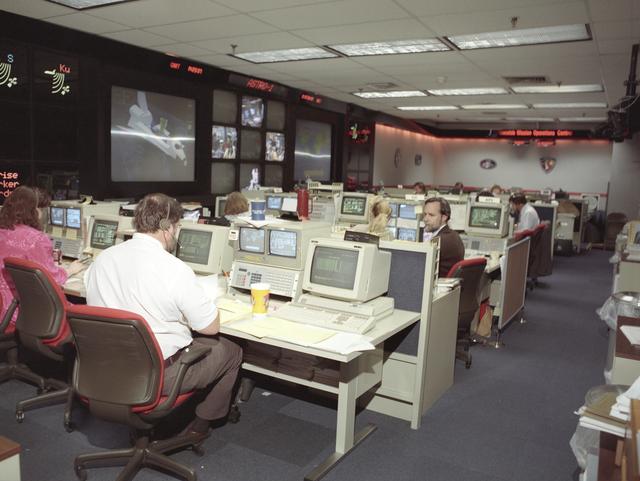
The primary objective of the STS-35 mission was round the clock observation of the celestial sphere in ultraviolet...
MSFC
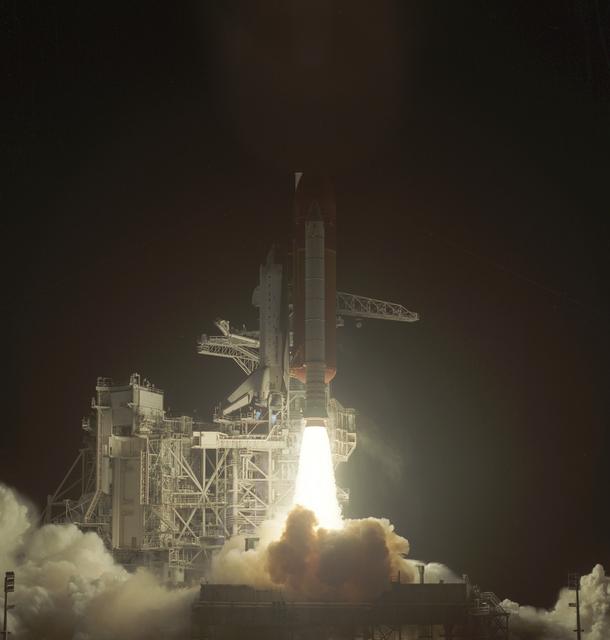
Image
Dec 2, 1990
Space Science
STS-35 lifted off December 2, 1990, at 1:19 am EST, aboard the Space Shuttle Orbiter Columbia. Her crew of eight...
MSFC
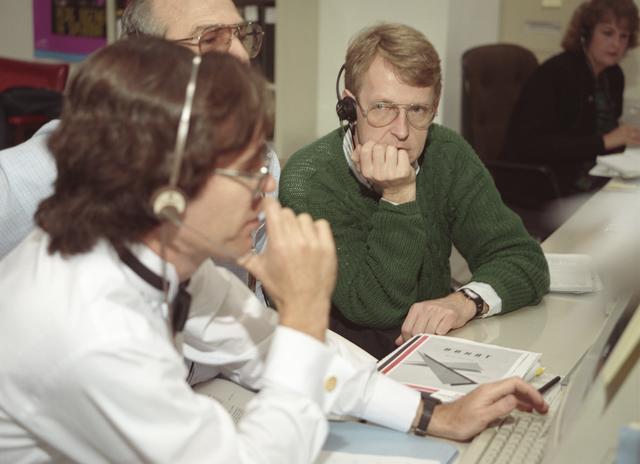
Image
Dec 2, 1990
Around Marshall
The primary objective of the STS-35 mission was round the clock observation of the celestial sphere in ultraviolet...
MSFC
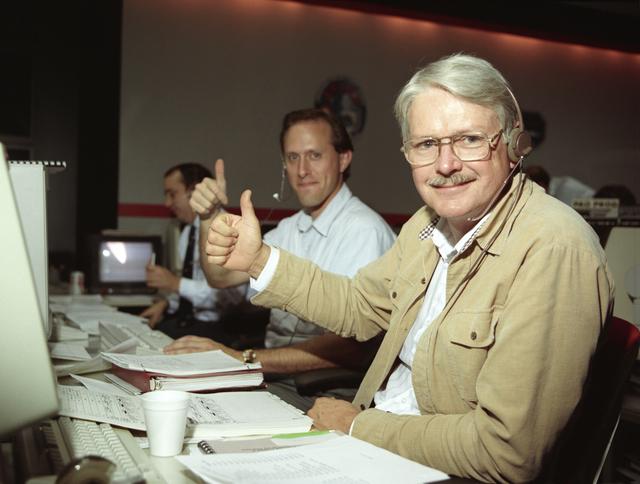
Image
Dec 2, 1990
Around Marshall
The primary objective of the STS-35 mission was round the clock observation of the celestial sphere in ultraviolet...
MSFC
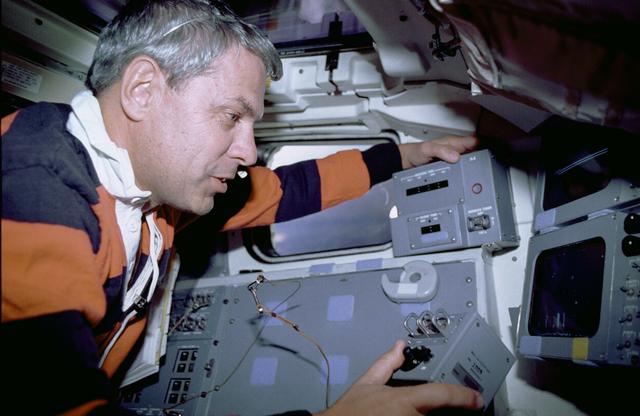
Image
Dec 2, 1990
Spacelab
The primary objective of the STS-35 mission was round the clock observation of the celestial sphere in ultraviolet...
MSFC
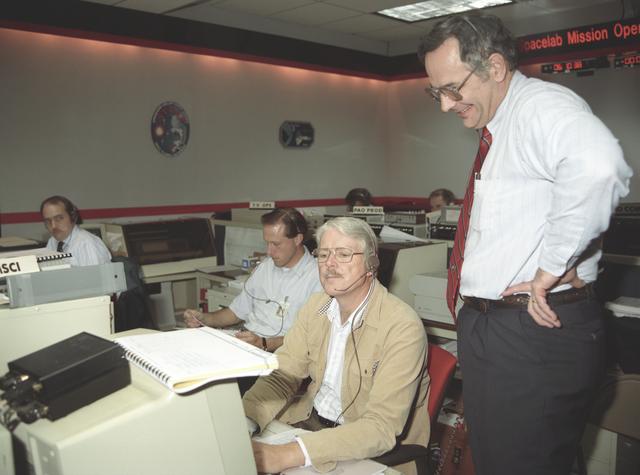
Image
Dec 12, 1990
Around Marshall
The primary objective of the STS-35 mission was round the clock observation of the celestial sphere in ultraviolet...
MSFC
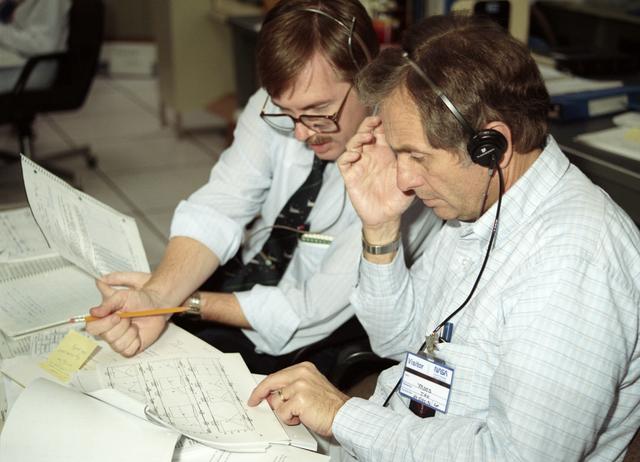
Image
Dec 2, 1990
Around Marshall
The primary objective of the STS-35 mission was round the clock observation of the celestial sphere in ultraviolet...
MSFC
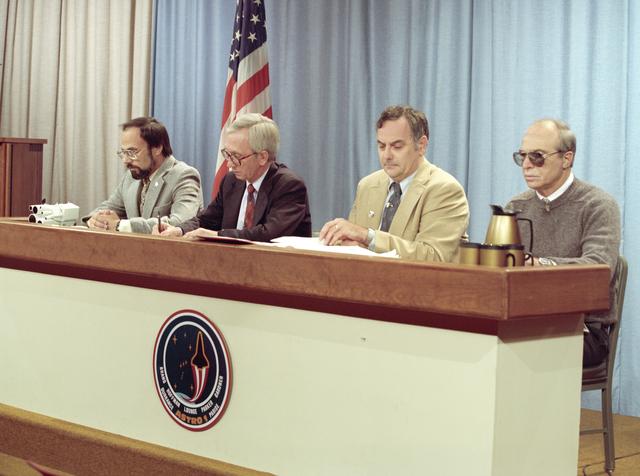
Image
Dec 4, 1990
Around Marshall
The primary objective of the STS-35 mission was round the clock observation of the celestial sphere in ultraviolet...
MSFC
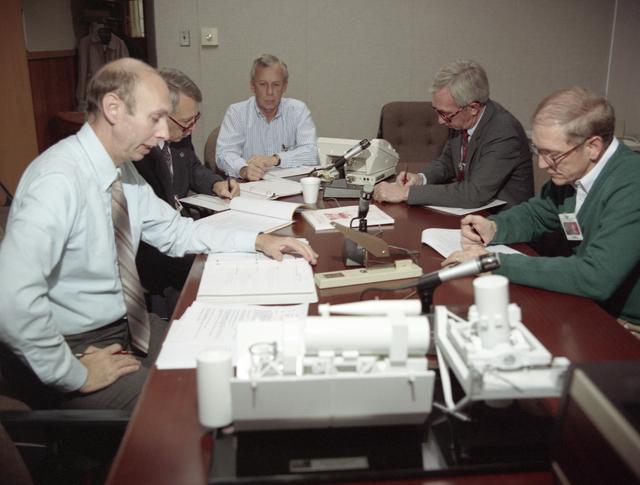
Image
Dec 2, 1990
Around Marshall
The primary objective of the STS-35 mission was round the clock observation of the celestial sphere in ultraviolet...
MSFC
Image
Jan 16, 1990
Space Science
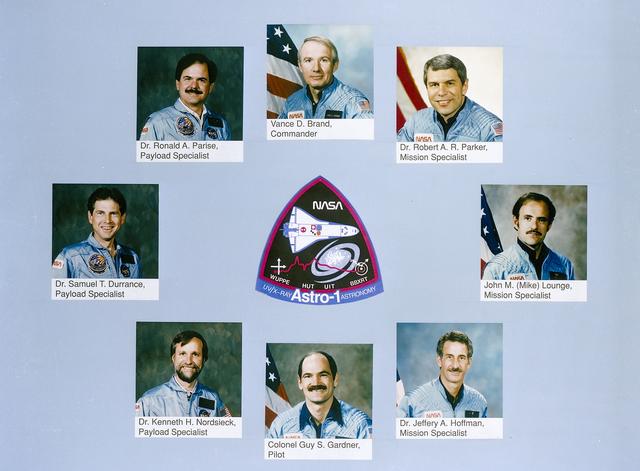
This montage consists of 8 individual STS-35 crew member portraits surrounding the mission’s insignia. Starting from...
MSFC
Image
Dec 7, 1990
Around Marshall
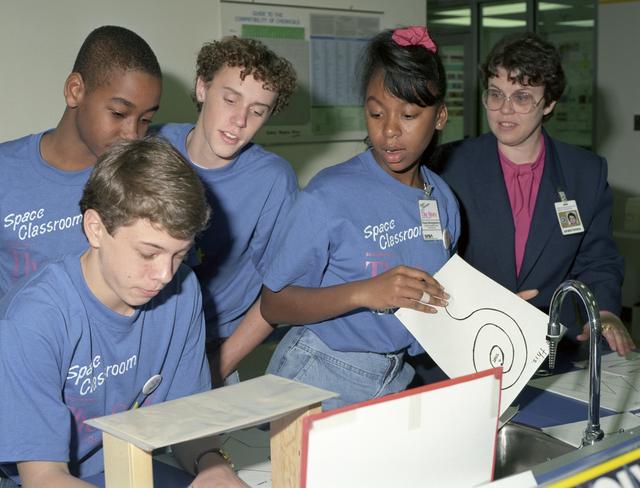
The primary objective of the STS-35 mission was round the clock observation of the celestial sphere in ultraviolet...
MSFC
Image
Nov 19, 1973
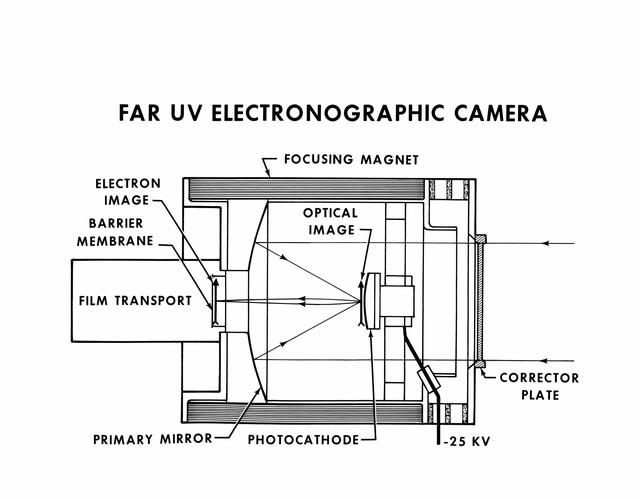
Engineer's drawing of Skylab 4 Far Ultraviolet Electronographic camera
S73-36910 (November 1973) --- An engineer's drawing of the Skylab 4 Far Ultraviolet Electronographic camera...
JSC
Video
Dec 11, 2018
50th Anniversary of NASA's OAO 2 Mission
On Dec. 7, 1968, an Atlas-Centaur rocket carrying NASA’s heaviest and most ambitious uncrewed satellite to date...
GSFC