Image
May 22, 2012
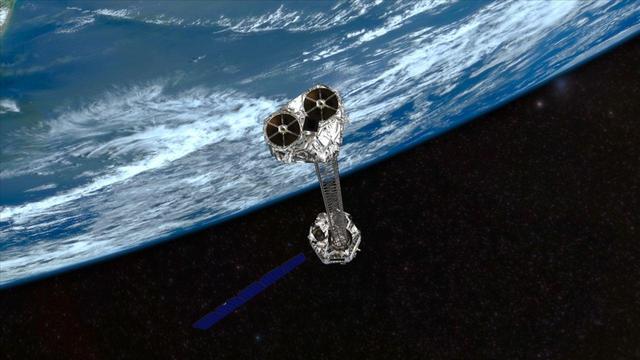
NuSTAR Orbits Earth Artist Concept
This artist concept shows NASA NuSTAR mission orbiting Earth. NuSTAR will hunt for hidden black holes and other...
JPL
Image
Jan 18, 2012
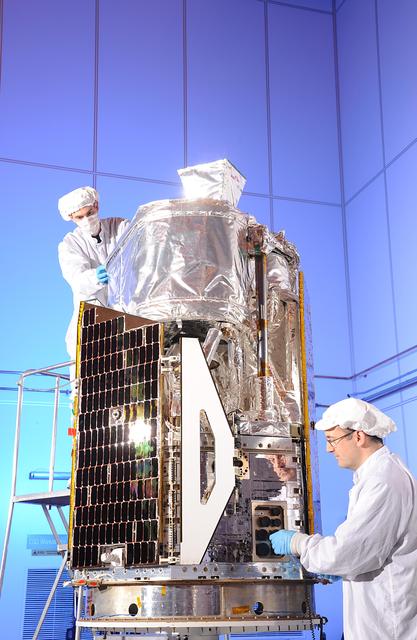
Integrating NuSTAR
Engineers in the final stages of assembling NASA Nuclear Spectroscopic Telescope Array, or NuSTAR, at Orbital...
JPL
Image
Sep 5, 2013
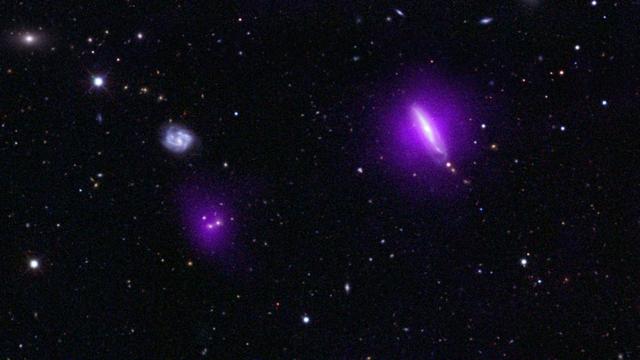
Black Holes Shine for NuSTAR
NASA NuSTAR serendipitous discovery in this field lies to the left of a galaxy, called IC751, at which the telescope...
JPL
Image
Jan 18, 2012
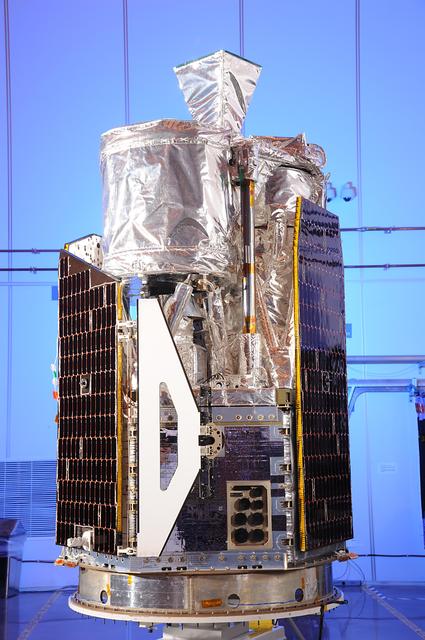
NuSTAR Poses for the Camera
NASA Nuclear Spectroscopic Telescope Array, or NuSTAR, at Orbital Sciences Corporation in Dulles, Va., January 2012.
JPL
Image
Jun 4, 2012
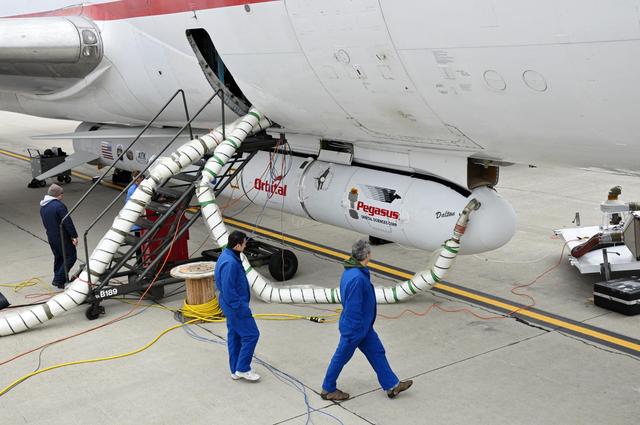
NuSTAR Hitches a Ride on the Stargazer
This photo shows the Orbital Sciences Corporation Pegasus XL rocket with NASA NuSTAR spacecraft after attachment to...
JPL

Image
Jul 6, 2015
NuSTAR Seeks Hidden Black Holes
Top: An illustration of NASA's Nuclear Spectroscopic Telescope Array, or NuSTAR, in orbit. The unique school...
JPL
Image
Feb 23, 2012
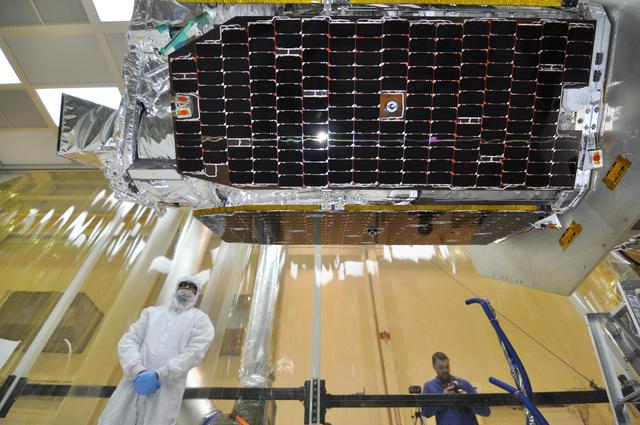
Uniting of NuSTAR Spacecraft and Rocket
Inside an environmental enclosure at Vandenberg Air Force Base processing facility in California, solar panels line...
JPL
Image
Mar 2, 2012
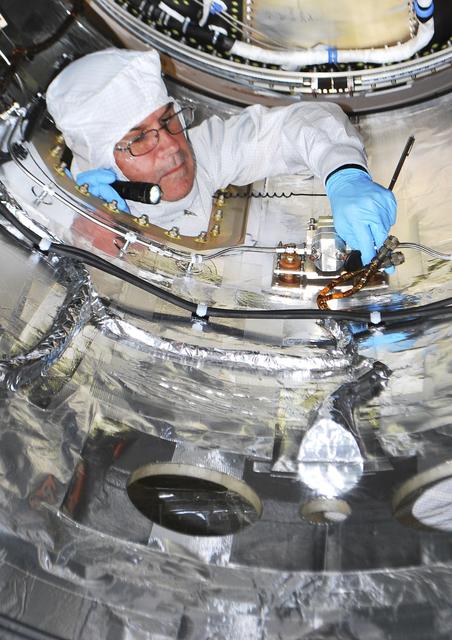
Inside NuSTAR Nose Cone
A spacecraft technician is performing closeout work inside the fairing that will be installed around NASA Nuclear...
JPL
Image
Feb 18, 2012
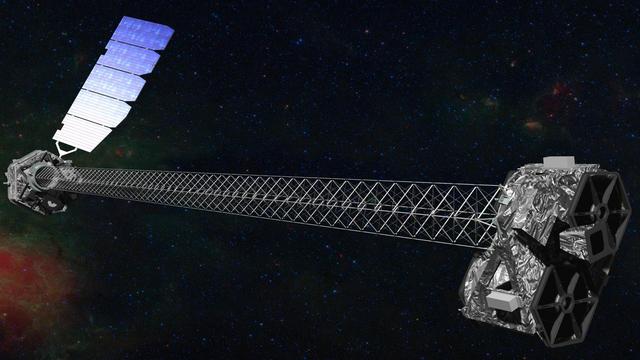
Artist Concept of NuSTAR
This is an artist concept of NASA NuSTAR spacecraft which has a 10-meter mast that deploys after launch to separate...
JPL
Image
Jun 8, 2012
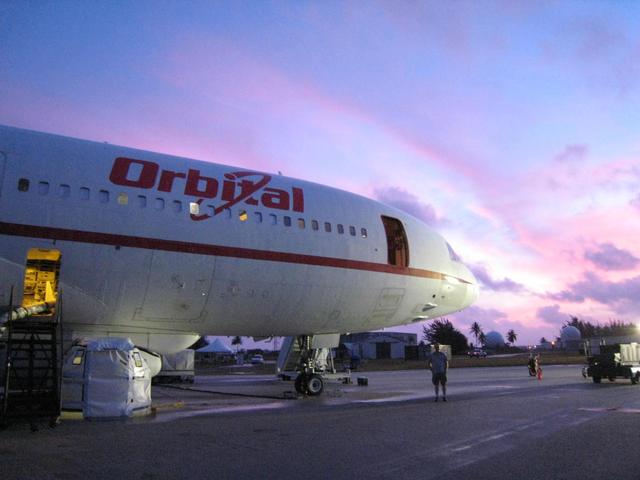
NuSTAR on Coral Island of Kwajalein
The carrier plane, L-1011 Stargazer, that will give NASA NuSTAR and its rocket a lift to their airborne launch site...
JPL
Image
May 30, 2012
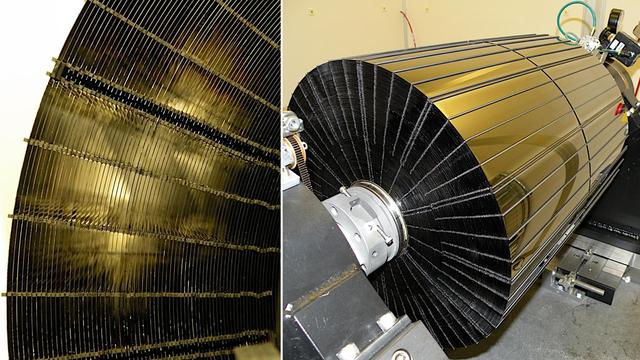
NuSTAR Russian Doll-like Mirrors
NASA Nuclear Spectroscopic Telescope Array, or NuSTAR, has a complex set of mirrors, or optics, that will help it...
JPL
Image
Mar 2, 2012
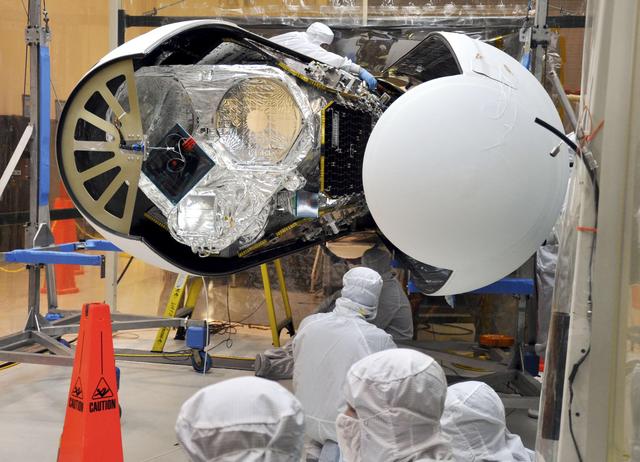
Wrapping NuSTAR in Its Rocket Nose Cone
An Orbital Sciences technician completes final checks of NASA Nuclear Spectroscopic Telescope Array, or NuSTAR,...
JPL
Image
Jul 8, 2015
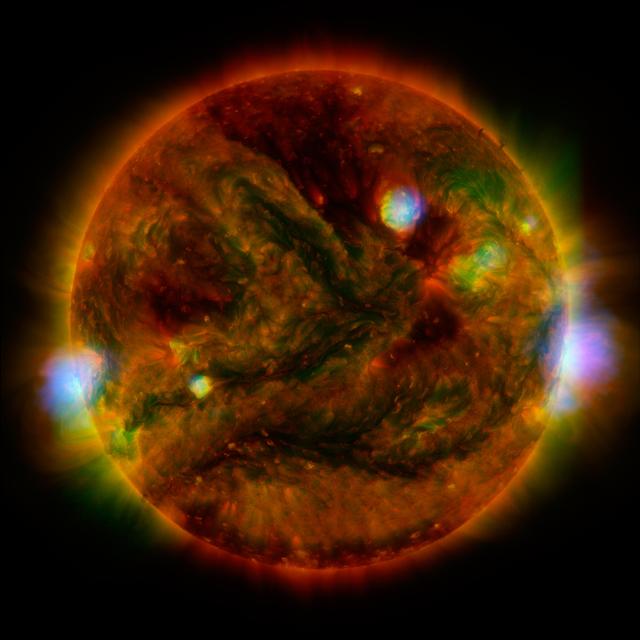
NuSTAR Stares at the Sun
Flaring, active regions of our sun are highlighted in this image combining observations from several telescopes....
JPL
Image
Feb 23, 2012
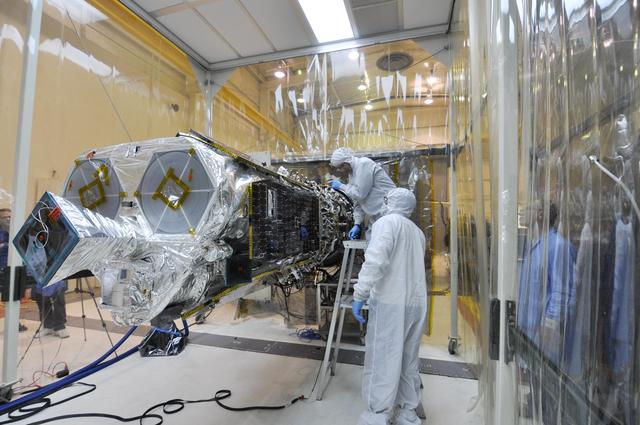
Final Steps in Mating NuSTAR to its Rocket
Inside an environmental enclosure at Vandenberg Air Force Base processing facility in California, technicians...
JPL
Image
Oct 8, 2014
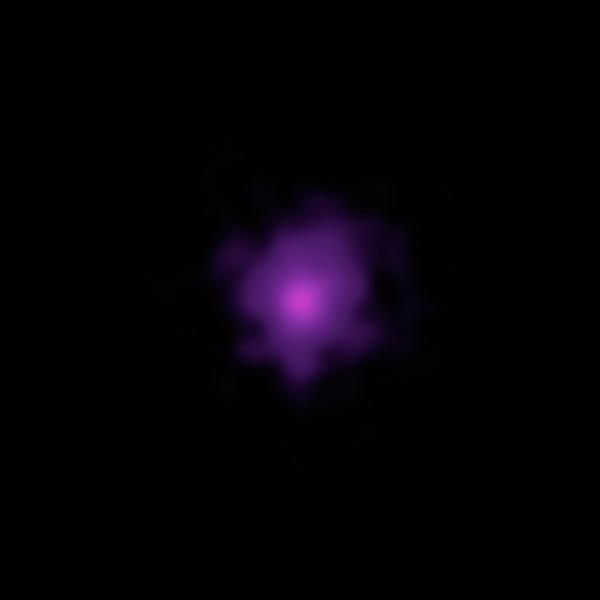
NuSTAR Captures the Beat of a Dead Star Animation
The brightest pulsar detected to date is shown in this frame from an animation that flips back and forth between...
JPL
Image
Feb 23, 2012
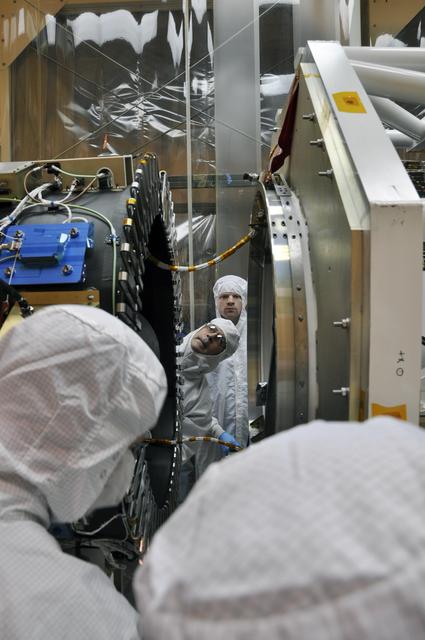
NuSTAR Inches Toward its Rocket
At Vandenberg Air Force Base processing facility in California, the separation ring on the aft end of NASA Nuclear...
JPL

Image
May 30, 2012
Bringing Black Holes Into Focus
NASA NuSTAR will be able to identify individual black holes making up the diffuse X-ray glow, also called the X-ray...
JPL

Image
May 30, 2012
NuSTAR Briefing
Yunjin Kim, NuSTAR project manager at the Jet Propulsion Laborartory (JPL), talks about NASA's Spectroscopic...
HQ
Image
Dec 17, 2015
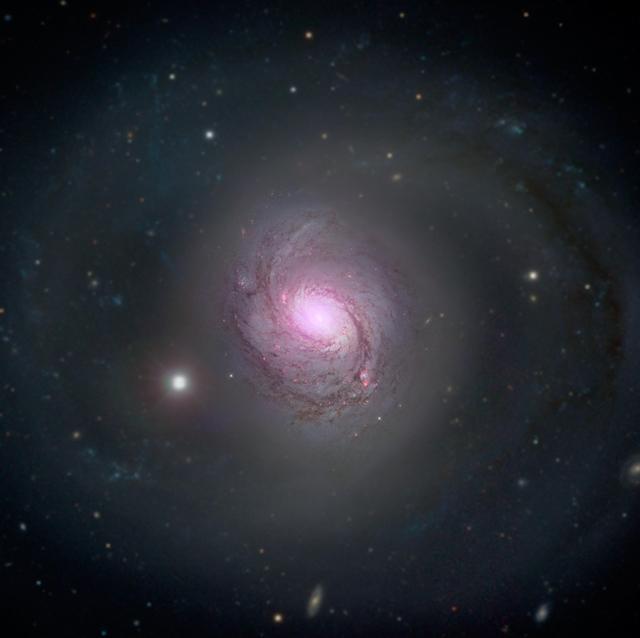
NuSTAR View of Galaxy NGC 1068
Galaxy NGC 1068 is shown in visible light and X-rays in this composite image. High-energy X-rays (magenta) captured...
JPL
Image
Jan 9, 2014
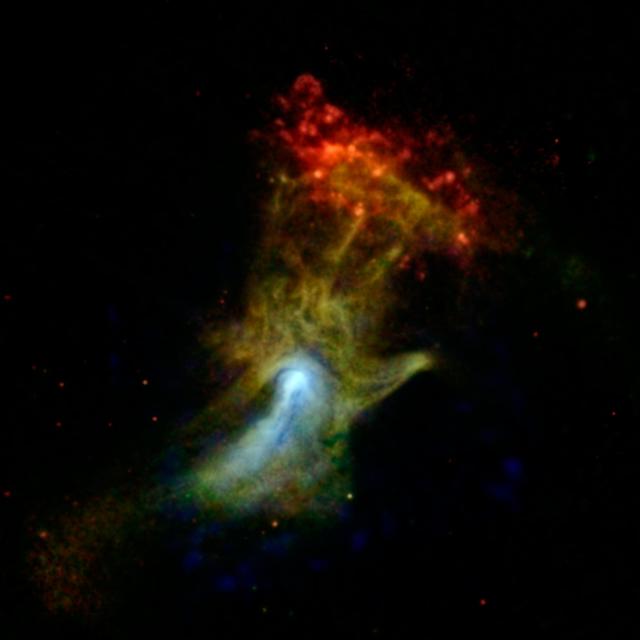
High-Energy X-ray View of Hand of God
Nicknamed the Hand of God, this object is called a pulsar wind nebula, imaged by NASA NuSTAR. It powered by the...
JPL

Image
Oct 23, 2012
Pointing X-ray Eyes at our Resident Supermassive Black Hole
NASA NuSTAR has captured these first, focused views of the supermassive black hole at the heart of our Milky Way...
JPL
Image
Jun 11, 2013
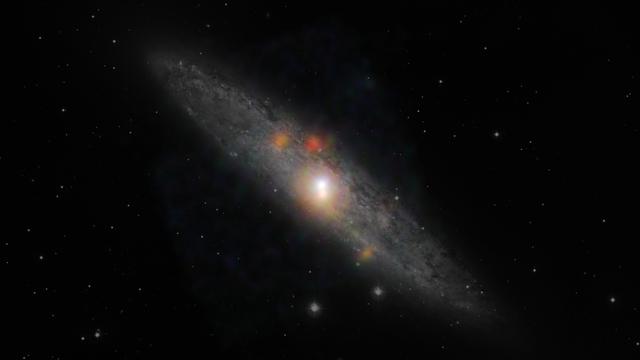
Sculptor Galaxy Shines with X-rays
The Sculptor galaxy is seen in a new light, in this composite image from NASA Nuclear Spectroscopic Telescope Array...
JPL
Image
Feb 19, 2014
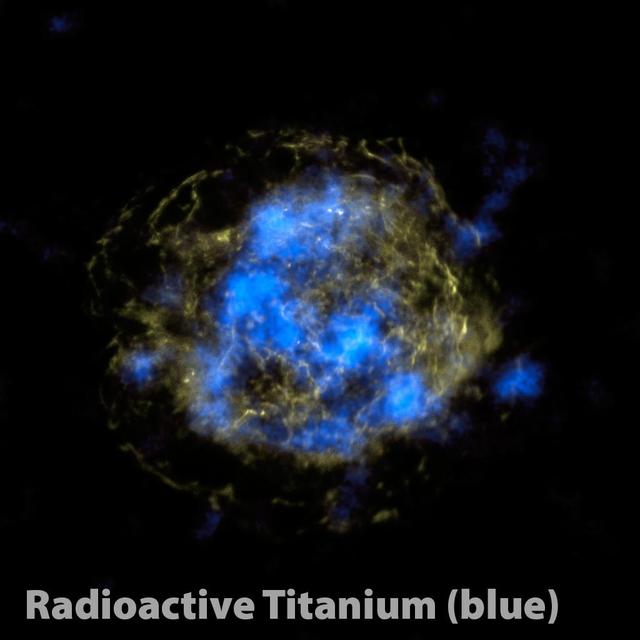
Radioactive Core of a Dead Star
NASA NuSTAR has, for the first time, imaged the radioactive guts of a supernova remnant, the leftover remains of a...
JPL
Image
Feb 19, 2014
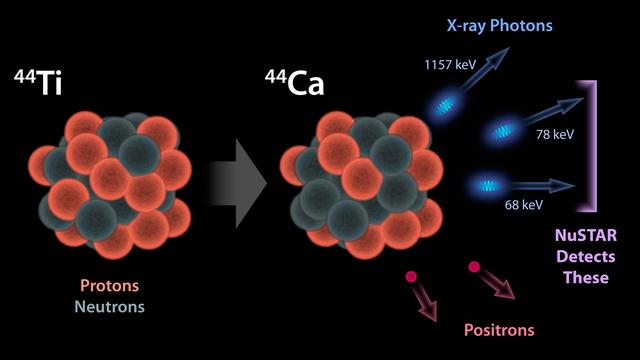
The Creation of Titanium in Stars
This diagram illustrates why NASA NuSTAR can see radioactivity in the remains of exploded stars for the first time....
JPL