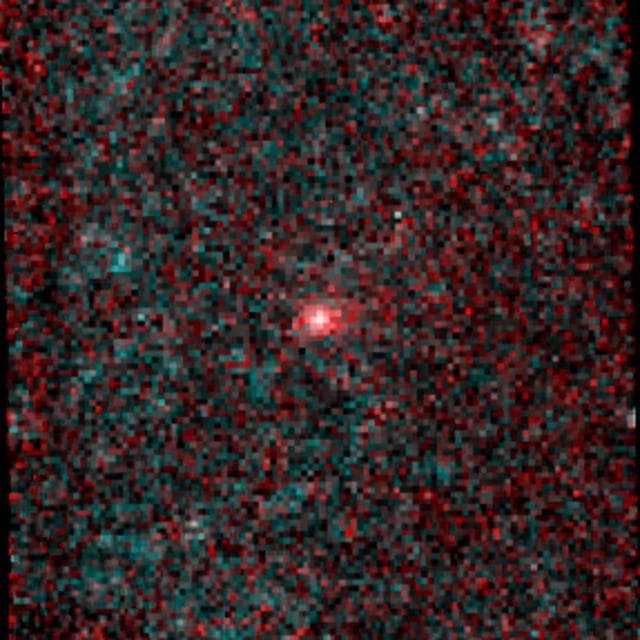
Image
Feb 27, 2014
An Infrared portrait of Comet NEOWISE C/2014 C3
Comet NEOWISE was first observed by NASA NEOWISE spacecraft on Valentine Day, 2014. This heat-sensitive infrared...
JPL
Image
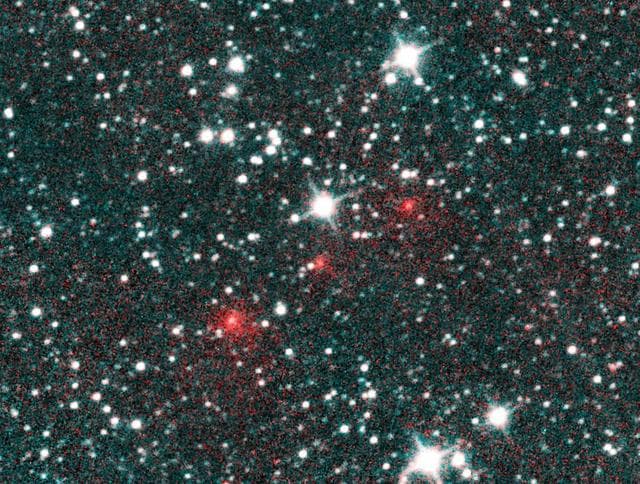
Jul 8, 2020
Comet NEOWISE Discovery Images
Comet C/2020 F3 NEOWISE appears as a string of fuzzy red dots in this composite of several heat-sensitive infrared...
JPL
Image
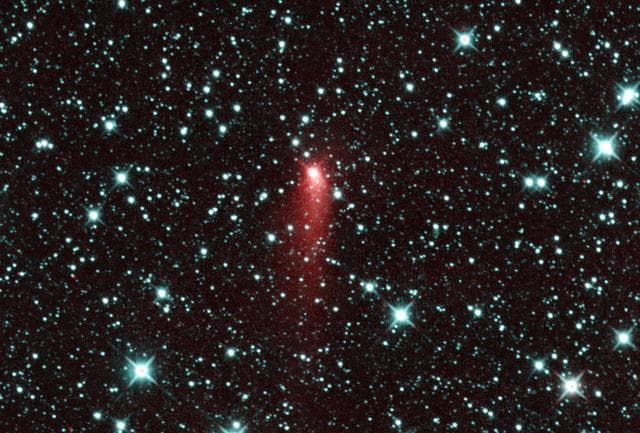
Jul 23, 2014
NEOWISE Spies Activity on Comet Catalina
NASA NEOWISE spotted Comet C/2013 UQ4 Catalina, appearing to be a highly active comet one day past perihelion on...
JPL
Image
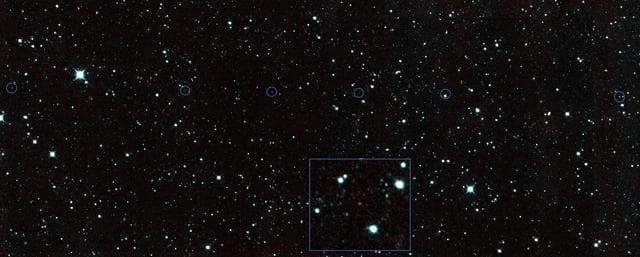
Jan 7, 2014
NEOWISE New Find
The six red dots in this composite picture indicate the location of the first new near-Earth asteroid, called 2013...
JPL
Image
Dec 19, 2013
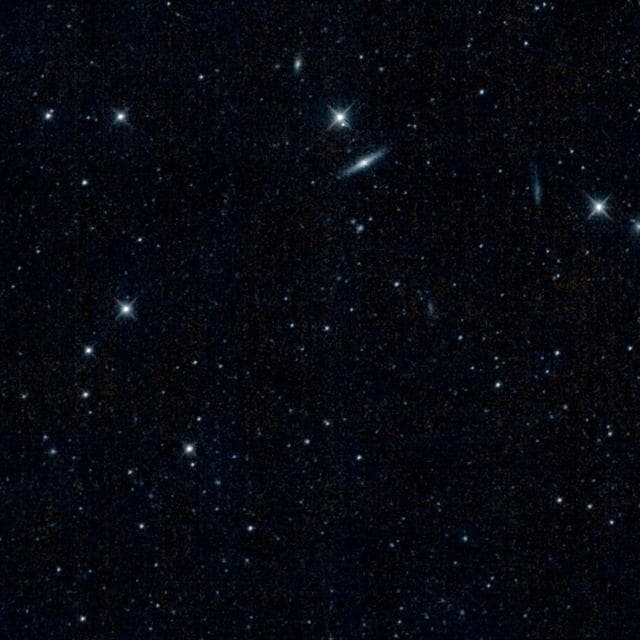
NEOWISE Opens its Eyes
This is one of the first images captured by the revived NEOWISE mission, after more than two years of hibernation....
JPL
Image
Dec 19, 2013
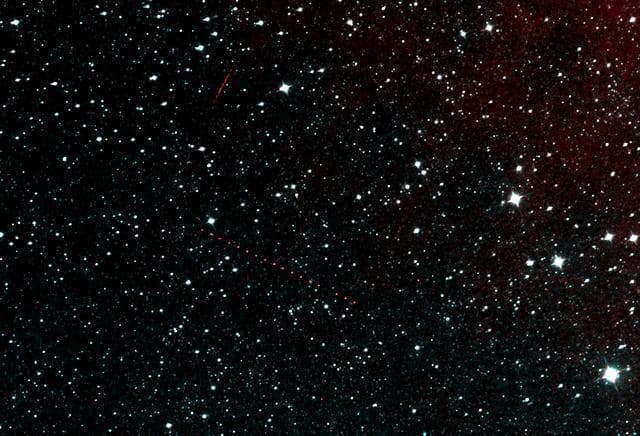
NEOWISE Next Light
NASA NEOWISE spacecraft opened its eyes after more than two years of slumber to see the starry sky with the same...
JPL
Image
Jul 12, 2020
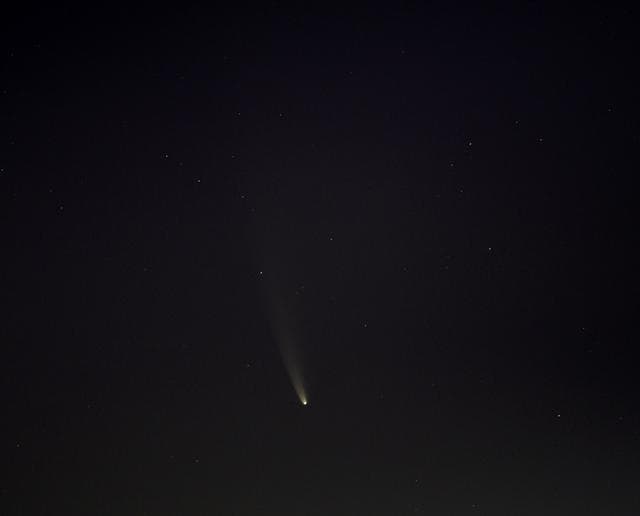
Comet NEOWISE Over Washington
Comet NEOWISE is seen before sunrise over Washington, Sunday, July 12, 2020. The comet was discovered by NASA’s...
HQ
Image
Jul 23, 2014
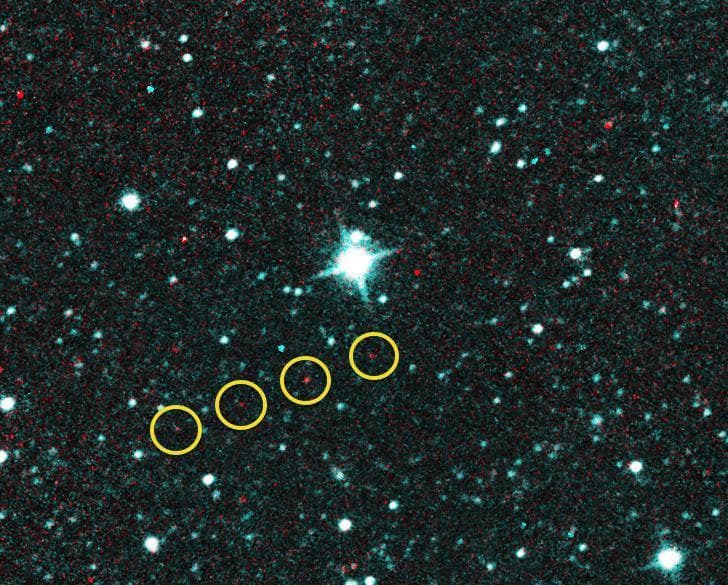
NEOWISE Spots Comet Catalina
Comet C/2013 UQ4 Catalina first looked like an asteroid when NASA NEOWISE team first observed it on December 31,...
JPL
Image
Mar 26, 2015
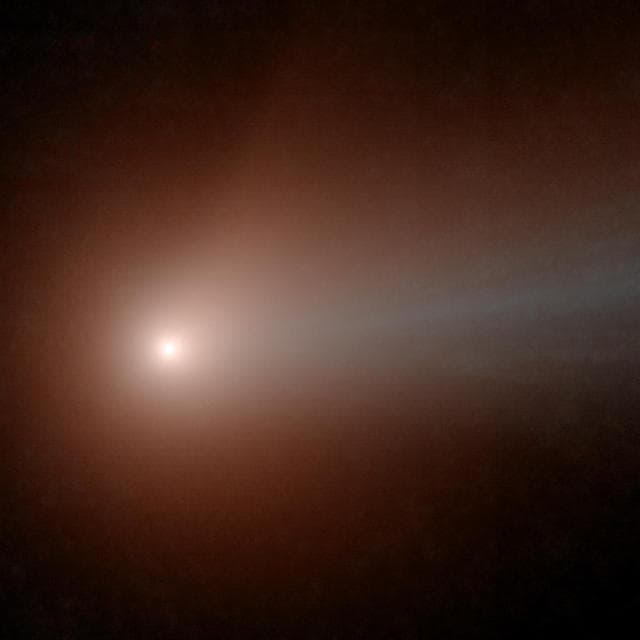
NEOWISE Wise to Comet Lovejoy
NASA NEOWISE spacecraft viewed comet C/2014 Q2 Lovejoy for a second time on January 30, 2015, as the comet passed...
JPL
Image
Jan 13, 2015
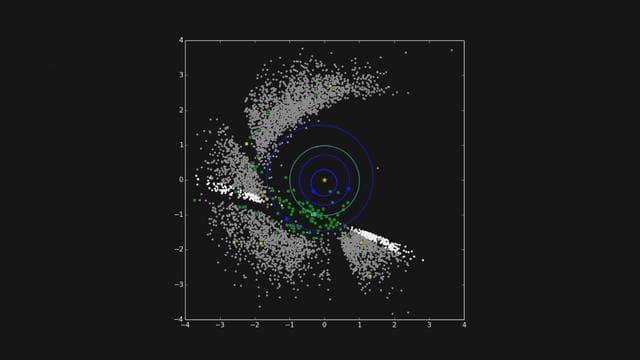
One Year of NEOWISE Observations Mapped
This frame from a movie shows the progression of NASA NEOWISE survey in the mission first year following its restart...
JPL
Image
Jan 28, 2014
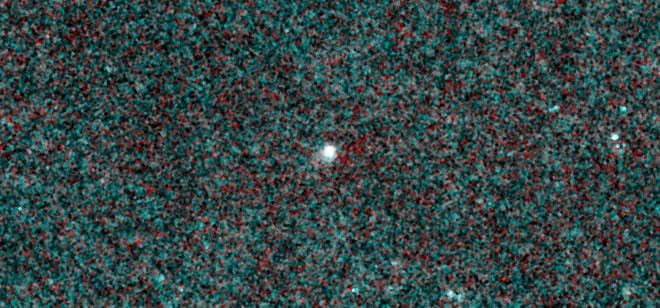
NEOWISE Spies Comet C/2013 A1 Siding Spring
NASA NEOWISE mission captured images of Comet C/2013 A1 Siding Spring. The infrared pictures reveal a comet that is...
JPL
Image
Jul 12, 2020
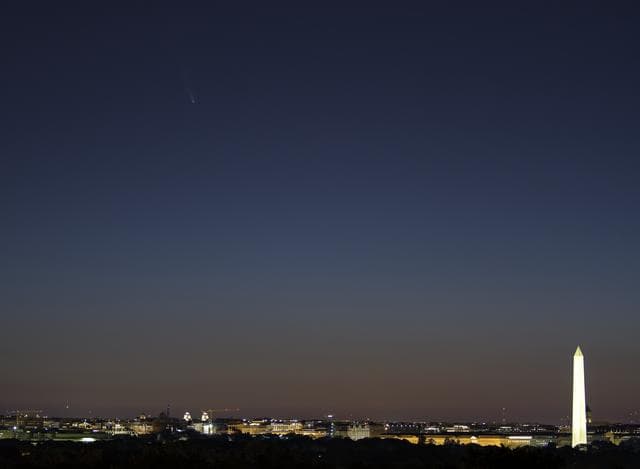
Comet NEOWISE Over Washington
Comet NEOWISE is seen before sunrise, upper left, over Washington, Sunday, July 12, 2020. The comet was discovered...
HQ
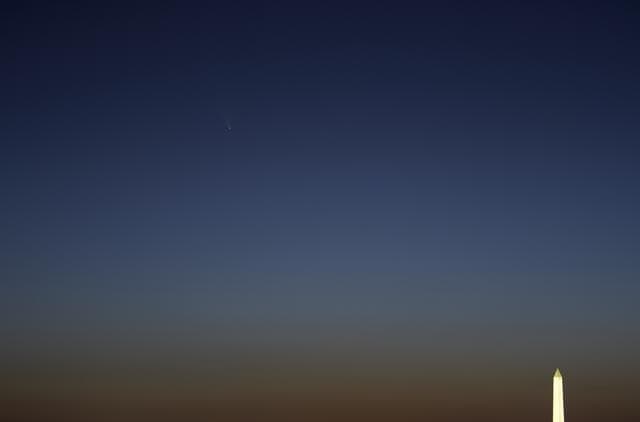
Image
Jul 12, 2020
Comet NEOWISE Over Washington
Comet NEOWISE is seen, upper left, before sunrise over Washington, Sunday, July 12, 2020. The comet was discovered...
HQ

Video
Aug 9, 2024
Farewell to NEOWISE: NASA’s Asteroid-Hunting Telescope
NASA's NEOWISE mission ended on Aug. 8, 2024, after more than a decade of discovering and tracking near-Earth...
JPL
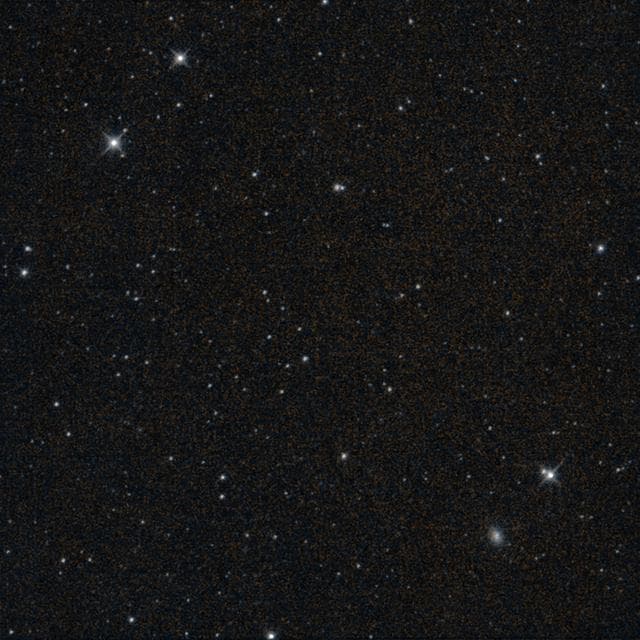
Image
Aug 8, 2024
NASA's NEOWISE Captures Final Image Moments Before End of Mission
This starfield was imaged by NASA's Near-Earth Object Wide-field Infrared Survey Explorer (NEOWISE) moments before...
JPL
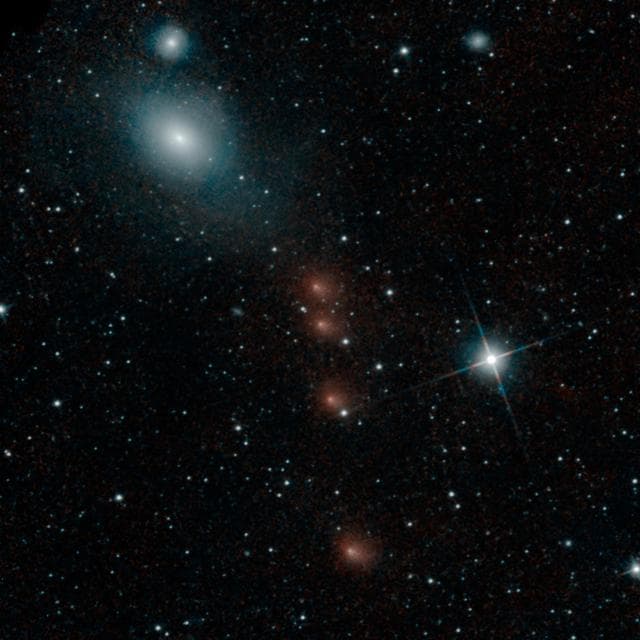
Image
Aug 7, 2014
NEOWISE Spies Comet C/2013 A1 Siding Spring a Second Time
NASA NEOWISE mission detected comet C/2013 A1 Siding Spring on July 28, 2014, less than three months before this...
JPL
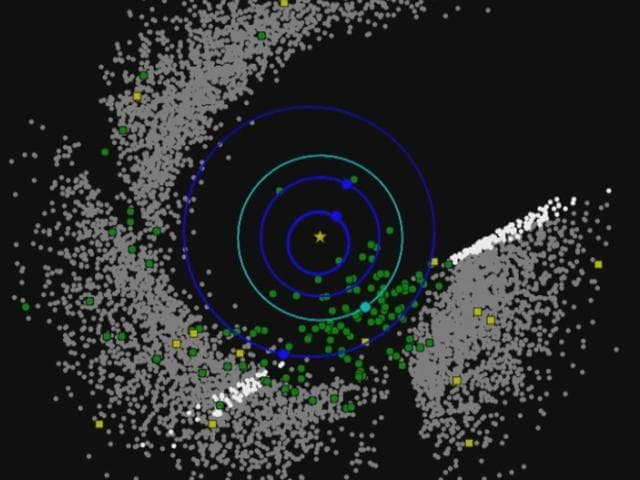
Image
Apr 5, 2016
Two Years of NEOWISE Observations Mapped
This frame from a movie shows the progression of NASA Near-Earth Object Wide-field Survey Explorer NEOWISE...
JPL
Image
Jan 13, 2015
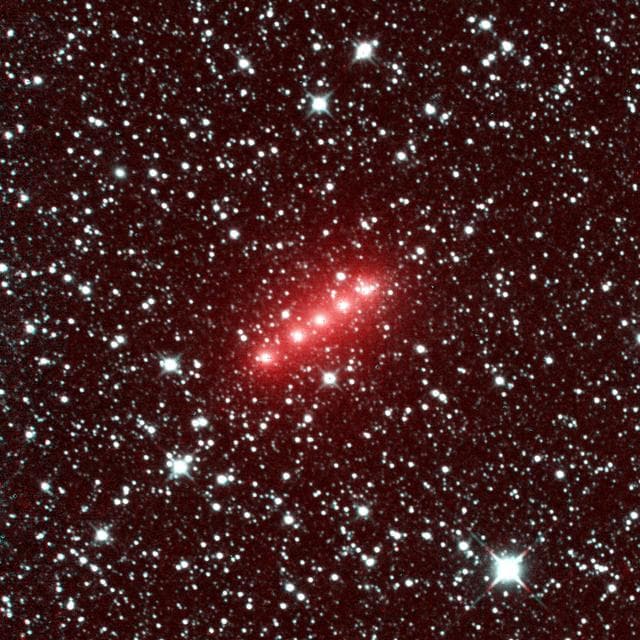
NASA NEOWISE Images Comet C/2014 Q2 Lovejoy
Comet C/2014 Q2 Lovejoy is one of more than 32 comets imaged by NASA NEOWISE mission from December 2013 to December...
JPL

Video
Aug 1, 2024
NEOWISE: Legacy of NASA’s Asteroid-Hunting Telescope
The NEOWISE mission, NASA’s asteroid-hunting space telescope, is retiring in summer 2024 after over a decade of...
JPL
Image
Nov 23, 2015
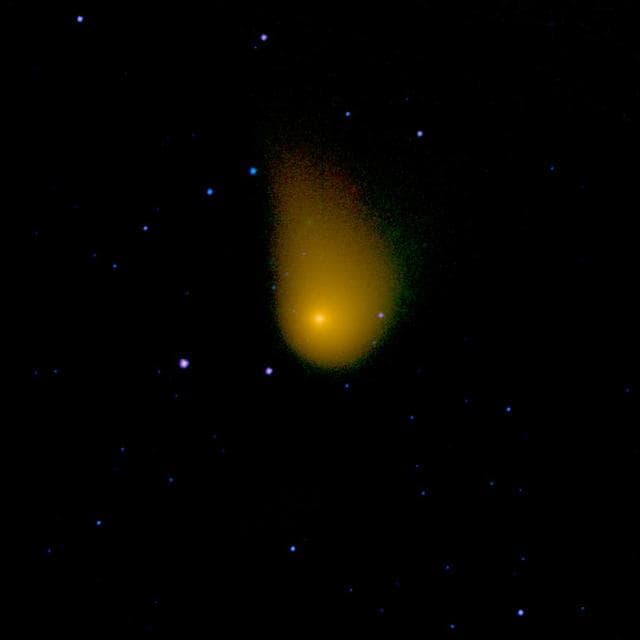
NEOWISE View of Comet Christensen
An infrared view from NASA's NEOWISE mission of the Oort cloud comet C/2006 W3 (Christensen). The spacecraft...
JPL

Video
Aug 8, 2024
NASA’s Asteroid-Hunting Space Telescope NEOWISE Retires, Leaves Legacy
The NEOWISE mission, NASA’s asteroid-hunting space telescope, retired in August 2024 after over a decade of...
JPL
![NASA image: NASA Science Live: How to Spot Comet NEOWISE [Episode 19]](/_next/image?url=https%3A%2F%2Fimages-assets.nasa.gov%2Fvideo%2FHQ_20200715_NSL_Ep19_v3%2FHQ_20200715_NSL_Ep19_v3~thumb.jpg&w=1920&q=75)
Video
Jul 15, 2020
NASA Science Live: How to Spot Comet NEOWISE [Episode 19]
Have you seen Comet NEOWISE in the sky? ☄️ Visiting from the most distant parts of our solar system, it made its...
HQ
Image
Jul 18, 2020
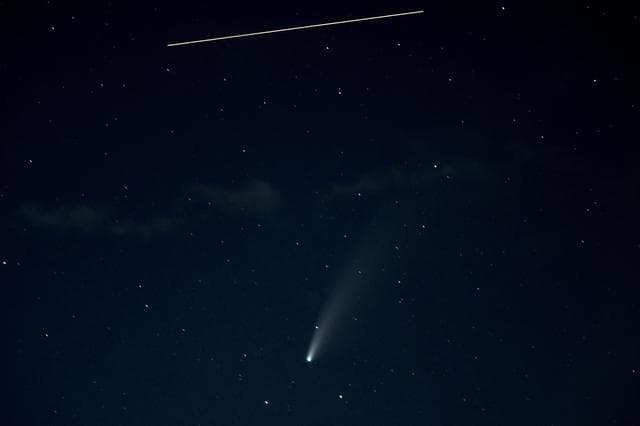
Comet NEOWISE and ISS
The International Space Station, with a crew of five onboard, is seen in this 10 second exposure above comet...
HQ
Image
Jul 22, 2020
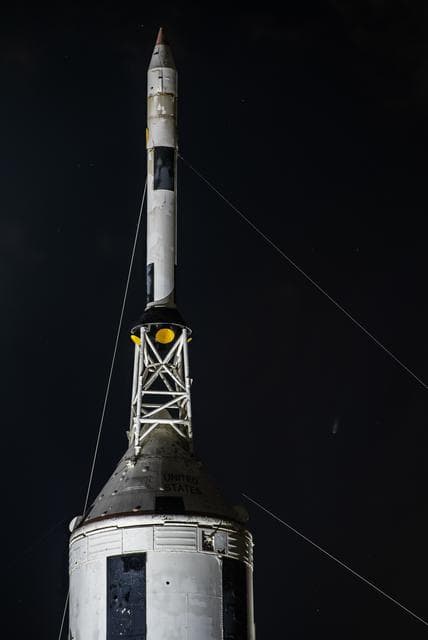
Comet NEOWISE Over Rocket Park
Comet NEOWISE passing over the Little Joe II rocket at NASA Johnson Space Center’s Rocket Park on July 22nd, 2020.
JSC