CosmosObservatory
Explore
Solar System
Live
Learn
Tools
About
Cosmos Observatory
ToolsAbout
Cosmos Observatory

Explore the universe through NASA data, real-time ISS tracking, Mars rover imagery, asteroid monitoring, and comprehensive space encyclopedia. Your gateway to the cosmos.

Explore

  • APOD
  • Mars Rovers
  • Earth Imagery
  • NASA Gallery
  • ISS Tracker

Data

  • Asteroids
  • Solar System
  • Exoplanets
  • Space Weather
  • Launches

Tools

  • Glossary
  • News
  • Calculators

Legal

  • About
  • Privacy Policy
  • Terms of Use
  • Space Tools
  • Contact

Stay updated with the cosmos

Get weekly digests of APOD highlights, upcoming launches, and space events.

© 2026 Cosmos Observatory. All rights reserved. Built with for space enthusiasts.

This website is not affiliated with, maintained, authorized, endorsed by, or in any way officially connected with NASA or any of its subsidiaries or affiliates. All NASA imagery is in the public domain unless otherwise noted. Data sourced from NASA Open APIs, Launch Library 2, and other open data services.

NASA Gallery

Explore NASA's vast collection of space images, videos, and audio from missions past and present.

  1. Home
  2. /
  3. NASA Gallery

NASA's Image and Video Library: A Visual Archive of Space Exploration

NASA's Image and Video Library is one of the most comprehensive public archives of space imagery in the world, containing over 140,000 images, videos, and audio recordings spanning more than six decades of space exploration. From the earliest Mercury and Gemini missions through the Apollo Moon landings, the Space Shuttle era, and today's cutting-edge observations from the James Webb Space Telescope, this collection documents humanity's journey into the cosmos.

The library includes imagery from diverse sources: telescopes like Hubble and Webb that capture deep-space nebulae, galaxies, and exoplanets; planetary missions like the Mars rovers ( browse Mars photos) and Cassini at Saturn; Earth observation satellites ( see EPIC imagery); astronaut photography from the ISS; and documentation of rocket launches, spacecraft assembly, and ground testing. Most NASA images are in the public domain and free to download at full resolution for educational, editorial, and personal use.

Use the search bar above to find specific subjects — try queries like "Apollo 11," "Hubble Deep Field," "Mars surface," or "astronaut EVA." You can also filter by media type (image, video, or audio). For a daily curated experience, visit the Astronomy Picture of the Day.

Showing results for "MARS Scientific"

1,370 results found - Page 1 of 58

NASA image: NASA Welcomes Senegal as Artemis Accords Signatory
Video
Jul 28, 2025

NASA Welcomes Senegal as Artemis Accords Signatory

Senegal signed the Artemis Accords July 24, 2025, during a ceremony hosted by NASA at the agency’s headquarters in...

HQ
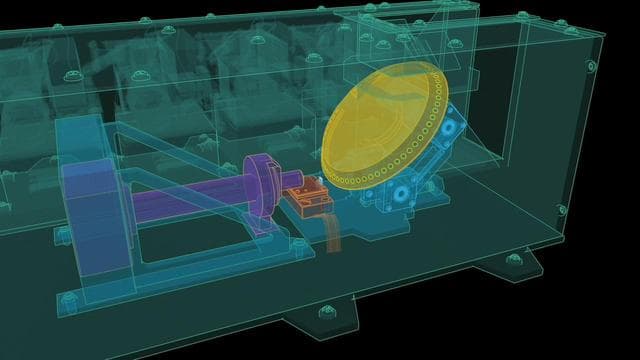
NASA image: Atomic Force Microscope Operation
Image
Aug 14, 2008

Atomic Force Microscope Operation

A scientific illustration of the operation of NASA Phoenix Mars Lander Atomic Force Microscope, or AFM. The AFM is...

JPL
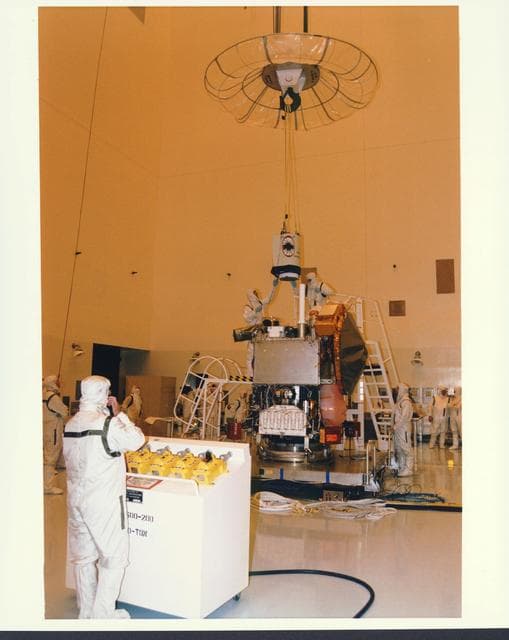
NASA image: KENNEDY SPACE CENTER, FLA. -  In the Payload Hazardous Servicing Facility at KSC, installation is under way of the Mars Orbiter Camera (MOC) on the Mars Global Surveyor spacecraft.  The MOC is one of a suite of six scientific instruments that will gather data about Martian topography, mineral distribution and weather during a two-year period.  The Mars Global Surveyor is slated for launch aboard a Delta II expendable launch vehicle on Nov. 6, the beginning of a 20-day launch period.
Image
Aug 19, 1996

KENNEDY SPACE CENTER, FLA. - In the Payload Hazardous Servicing Facility at KSC, installation is under way of the Mars Orbiter Camera (MOC) on the Mars Global Surveyor spacecraft. The MOC is one of a suite of six scientific instruments that will gather data about Martian topography, mineral distribution and weather during a two-year period. The Mars Global Surveyor is slated for launch aboard a Delta II expendable launch vehicle on Nov. 6, the beginning of a 20-day launch period.

KENNEDY SPACE CENTER, FLA. - In the Payload Hazardous Servicing Facility at KSC, installation is under way of the...

KSC
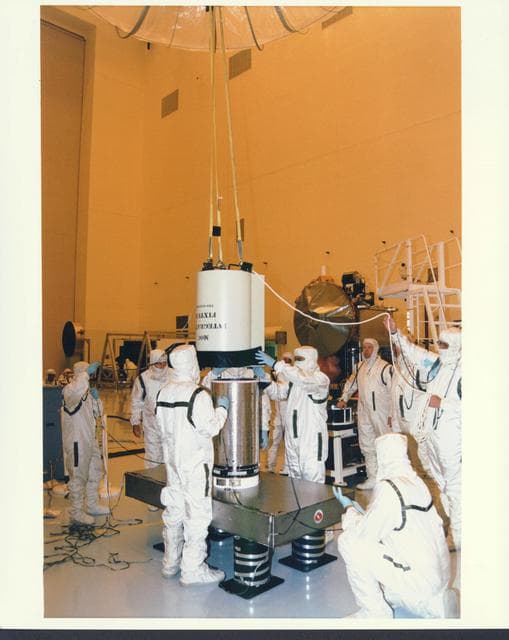
NASA image: KENNEDY SPACE CENTER, FLA. -  In the Payload Hazardous Servicing Facility at KSC, installation is under way of the Mars Orbiter Camera (MOC) on the Mars Global Surveyor spacecraft.  The MOC is one of a suite of six scientific instruments that will gather data about Martian topography, mineral distribution and weather during a two-year period.  The Mars Global Surveyor is slated for launch aboard a Delta II expendable launch vehicle on Nov. 6, the beginning of a 20-day launch period.
Image
Aug 19, 1996

KENNEDY SPACE CENTER, FLA. - In the Payload Hazardous Servicing Facility at KSC, installation is under way of the Mars Orbiter Camera (MOC) on the Mars Global Surveyor spacecraft. The MOC is one of a suite of six scientific instruments that will gather data about Martian topography, mineral distribution and weather during a two-year period. The Mars Global Surveyor is slated for launch aboard a Delta II expendable launch vehicle on Nov. 6, the beginning of a 20-day launch period.

KENNEDY SPACE CENTER, FLA. - In the Payload Hazardous Servicing Facility at KSC, installation is under way of the...

KSC
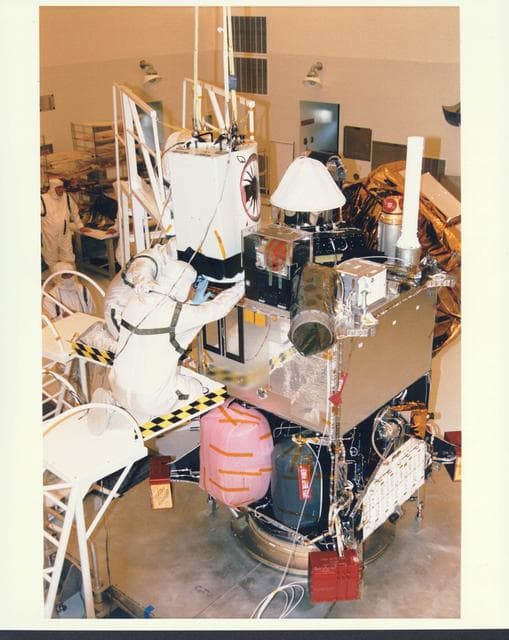
NASA image: KENNEDY SPACE CENTER, FLA. -  In the Payload Hazardous Servicing Facility at KSC, installation is under way of the Mars Orbiter Camera (MOC) on the Mars Global Surveyor spacecraft.  The MOC is one of a suite of six scientific instruments that will gather data about Martian topography, mineral distribution and weather during a two-year period.  The Mars Global Surveyor is slated for launch aboard a Delta II expendable launch vehicle on Nov. 6, the beginning of a 20-day launch period.
Image
Aug 19, 1996

KENNEDY SPACE CENTER, FLA. - In the Payload Hazardous Servicing Facility at KSC, installation is under way of the Mars Orbiter Camera (MOC) on the Mars Global Surveyor spacecraft. The MOC is one of a suite of six scientific instruments that will gather data about Martian topography, mineral distribution and weather during a two-year period. The Mars Global Surveyor is slated for launch aboard a Delta II expendable launch vehicle on Nov. 6, the beginning of a 20-day launch period.

KENNEDY SPACE CENTER, FLA. - In the Payload Hazardous Servicing Facility at KSC, installation is under way of the...

KSC
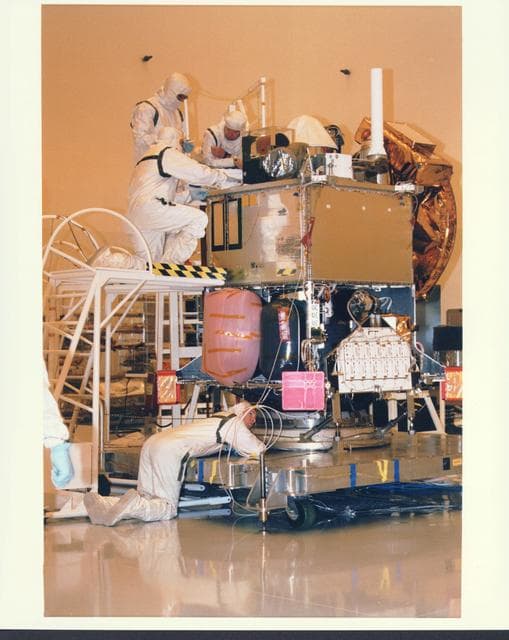
NASA image: KENNEDY SPACE CENTER, FLA. -  In the Payload Hazardous Servicing Facility at KSC, installation is under way of the Mars Orbiter Camera (MOC) on the Mars Global Surveyor spacecraft.  The MOC is one of a suite of six scientific instruments that will gather data about Martian topography, mineral distribution and weather during a two-year period.  The Mars Global Surveyor is slated for launch aboard a Delta II expendable launch vehicle on Nov. 6, the beginning of a 20-day launch period.
Image
Aug 19, 1996

KENNEDY SPACE CENTER, FLA. - In the Payload Hazardous Servicing Facility at KSC, installation is under way of the Mars Orbiter Camera (MOC) on the Mars Global Surveyor spacecraft. The MOC is one of a suite of six scientific instruments that will gather data about Martian topography, mineral distribution and weather during a two-year period. The Mars Global Surveyor is slated for launch aboard a Delta II expendable launch vehicle on Nov. 6, the beginning of a 20-day launch period.

KENNEDY SPACE CENTER, FLA. - In the Payload Hazardous Servicing Facility at KSC, installation is under way of the...

KSC
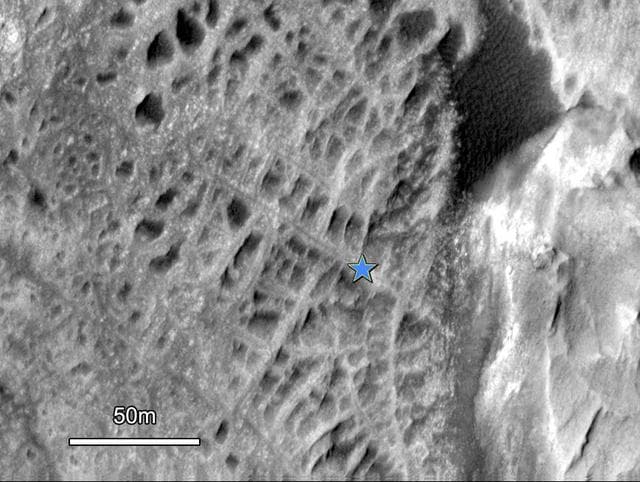
NASA image: Cemented Fractures in Mountain Inside Gale Crater on Mars
Image
Jul 22, 2011

Cemented Fractures in Mountain Inside Gale Crater on Mars

One type of feature of scientific interest on the mountain inside Gale crater is exposure of cemented fractures,...

JPL
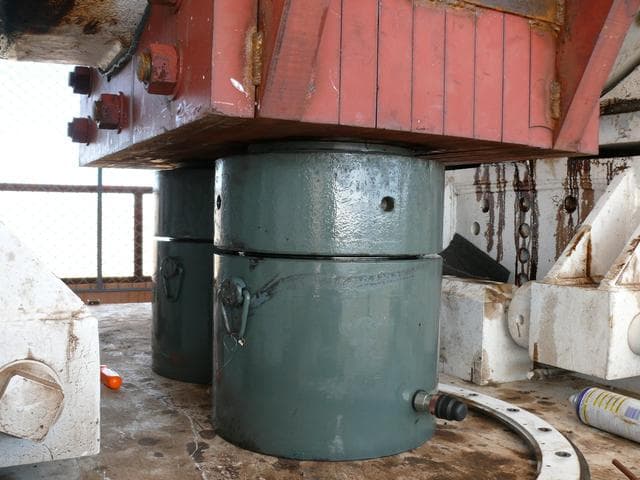
NASA image: A Heavy-Duty Jack for a Giant Task
Image
Nov 3, 2010

A Heavy-Duty Jack for a Giant Task

A major refurbishment of the giant Mars antenna at NASA Deep Space Network Goldstone Deep Space Communications...

JPL
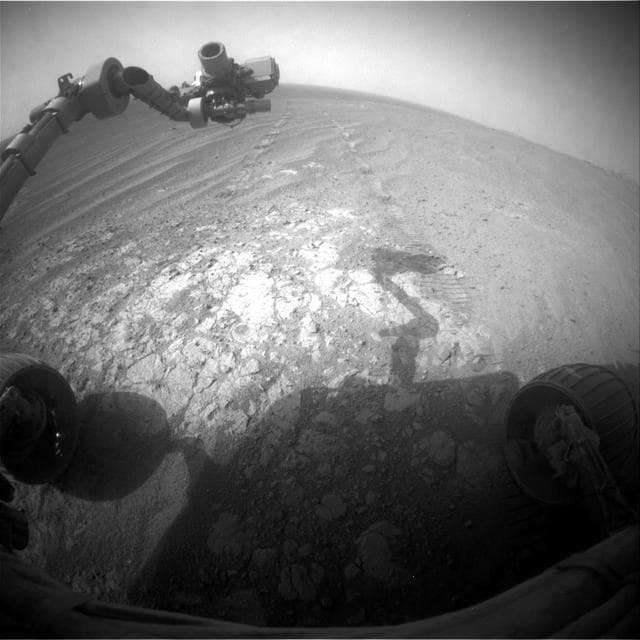
NASA image: Opportunity Pausing at a Bright Outcrop on Endeavour Rim, Sol 3854
Image
Dec 11, 2014

Opportunity Pausing at a Bright Outcrop on Endeavour Rim, Sol 3854

NASA Mars Exploration Rover Opportunity is continuing its traverse southward on the western rim of Endeavour Crater...

JPL
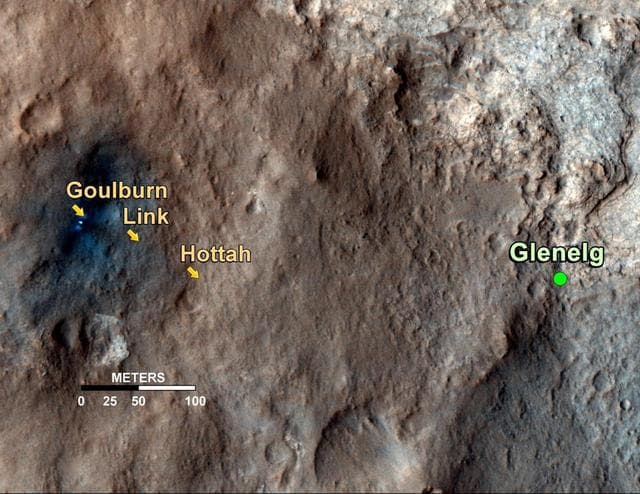
NASA image: Curiosity Roadside Discoveries
Image
Sep 27, 2012

Curiosity Roadside Discoveries

This map shows the path on Mars of NASA Curiosity rover toward Glenelg, an area where three terrains of scientific...

JPL
NASA image: Honoring the 50th Anniversary of NASA’s Skylab
Video
May 25, 2023

Honoring the 50th Anniversary of NASA’s Skylab

America’s first space station and the first crewed research laboratory in space, Skylab, lifted off on May 14, 1973....

HQ
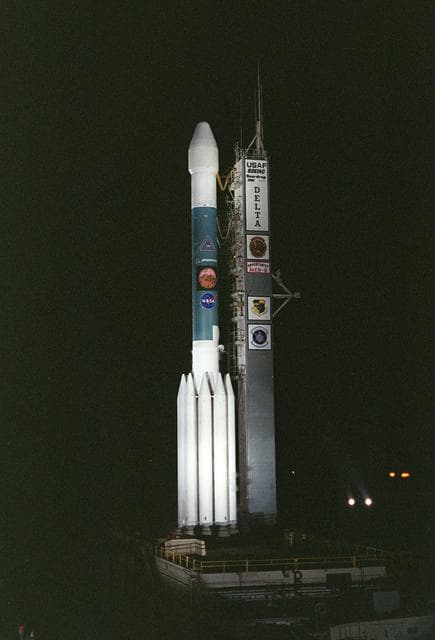
NASA image: KENNEDY SPACE CENTER, FLA. - On Launch Complex 17-B, Cape Canaveral Air Force Station, the Delta II Heavy launch vehicle carrying the second Mars Exploration Rover, Opportunity, is poised for launch after rollback of the Mobile Service Tower.  Opportunity will reach Mars on Jan. 25, 2004. Together the two MER rovers, Spirit (launched June 10) and Opportunity, seek to determine the history of climate and water at two sites on Mars where conditions may once have been favorable to life. The rovers are identical. They will navigate themselves around obstacles as they drive across the Martian surface, traveling up to about 130 feet each Martian day.  Each rover carries five scientific instruments including a panoramic camera and microscope, plus a rock abrasion tool that will grind away the outer surfaces of rocks to expose their interiors for examination. Each rover’s prime mission is planned to last three months on Mars.
Image
Jul 7, 2003

KENNEDY SPACE CENTER, FLA. - On Launch Complex 17-B, Cape Canaveral Air Force Station, the Delta II Heavy launch vehicle carrying the second Mars Exploration Rover, Opportunity, is poised for launch after rollback of the Mobile Service Tower. Opportunity will reach Mars on Jan. 25, 2004. Together the two MER rovers, Spirit (launched June 10) and Opportunity, seek to determine the history of climate and water at two sites on Mars where conditions may once have been favorable to life. The rovers are identical. They will navigate themselves around obstacles as they drive across the Martian surface, traveling up to about 130 feet each Martian day. Each rover carries five scientific instruments including a panoramic camera and microscope, plus a rock abrasion tool that will grind away the outer surfaces of rocks to expose their interiors for examination. Each rover’s prime mission is planned to last three months on Mars.
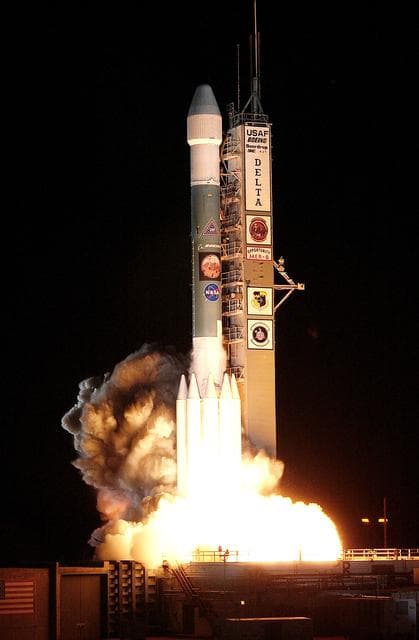
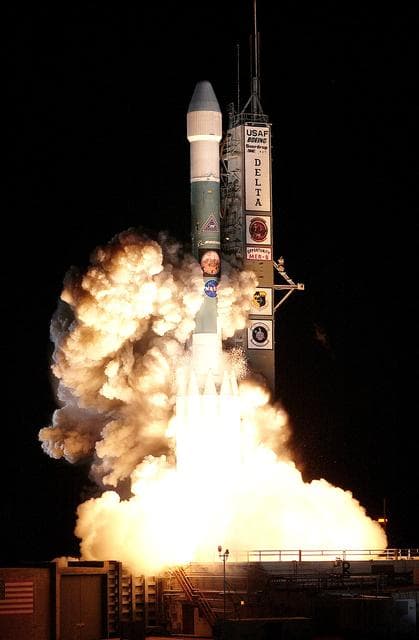
NASA image: KENNEDY SPACE CENTER, FLA. - On Launch Complex 17-B, Cape Canaveral Air Force Station, the Delta II Heavy launch vehicle carrying the rover "Opportunity" for the second Mars Exploration Rover mission launches at 11:18:15 p.m. EDT.  Opportunity will reach Mars on Jan. 25, 2004. Together the two MER rovers, Spirit (launched June 10) and Opportunity, seek to determine the history of climate and water at two sites on Mars where conditions may once have been favorable to life. The rovers are identical. They will navigate themselves around obstacles as they drive across the Martian surface, traveling up to about 130 feet each Martian day.  Each rover carries five scientific instruments including a panoramic camera and microscope, plus a rock abrasion tool that will grind away the outer surfaces of rocks to expose their interiors for examination. Each rover’s prime mission is planned to last three months on Mars.

Image
Jul 7, 2003

KENNEDY SPACE CENTER, FLA. - On Launch Complex 17-B, Cape Canaveral Air Force Station, the Delta II Heavy launch vehicle carrying the rover "Opportunity" for the second Mars Exploration Rover mission launches at 11:18:15 p.m. EDT. Opportunity will reach Mars on Jan. 25, 2004. Together the two MER rovers, Spirit (launched June 10) and Opportunity, seek to determine the history of climate and water at two sites on Mars where conditions may once have been favorable to life. The rovers are identical. They will navigate themselves around obstacles as they drive across the Martian surface, traveling up to about 130 feet each Martian day. Each rover carries five scientific instruments including a panoramic camera and microscope, plus a rock abrasion tool that will grind away the outer surfaces of rocks to expose their interiors for examination. Each rover’s prime mission is planned to last three months on Mars.

NASA image: KENNEDY SPACE CENTER, FLA. - On Launch Complex 17-B, Cape Canaveral Air Force Station, the Delta II Heavy launch vehicle carrying the rover "Opportunity" for the second Mars Exploration Rover mission launches at 11:18:15 p.m. EDT.  Opportunity will reach Mars on Jan. 25, 2004. Together the two MER rovers, Spirit (launched June 10) and Opportunity, seek to determine the history of climate and water at two sites on Mars where conditions may once have been favorable to life. The rovers are identical. They will navigate themselves around obstacles as they drive across the Martian surface, traveling up to about 130 feet each Martian day.  Each rover carries five scientific instruments including a panoramic camera and microscope, plus a rock abrasion tool that will grind away the outer surfaces of rocks to expose their interiors for examination. Each rover’s prime mission is planned to last three months on Mars.
Image
Jul 7, 2003

KENNEDY SPACE CENTER, FLA. - On Launch Complex 17-B, Cape Canaveral Air Force Station, the Delta II Heavy launch vehicle carrying the rover "Opportunity" for the second Mars Exploration Rover mission launches at 11:18:15 p.m. EDT. Opportunity will reach Mars on Jan. 25, 2004. Together the two MER rovers, Spirit (launched June 10) and Opportunity, seek to determine the history of climate and water at two sites on Mars where conditions may once have been favorable to life. The rovers are identical. They will navigate themselves around obstacles as they drive across the Martian surface, traveling up to about 130 feet each Martian day. Each rover carries five scientific instruments including a panoramic camera and microscope, plus a rock abrasion tool that will grind away the outer surfaces of rocks to expose their interiors for examination. Each rover’s prime mission is planned to last three months on Mars.

NASA image: Project Mars at National Geographic
Image
Nov 5, 2018

Project Mars at National Geographic

Dr. Stephen Petranek, MARS scientific advisor and co-executive producer speaks on a panel after a showing of the...

HQ
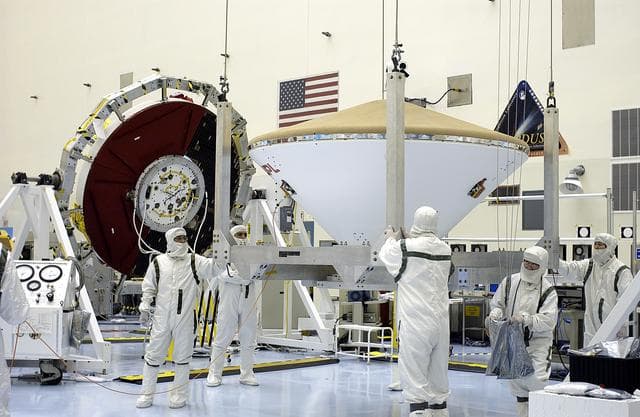
NASA image: KENNEDY SPACE CENTER, FLA. - An overhead crane moves the Mars Exploration Rover 2 (MER-2) entry vehicle across the Payload Hazardous Servicing Facility toward a spin table for a dry-spin test.  The MER Mission consists of two identical rovers designed to cover roughly 110 yards each Martian day over various terrain. Each rover will carry five scientific instruments that will allow it to search for evidence of liquid water that may have been present in the planet's past.  Identical to each other, the rovers will land at different regions of Mars.  Launch for MER-2 (MER-A) is scheduled for June 5.
Image
Apr 30, 2003

KENNEDY SPACE CENTER, FLA. - An overhead crane moves the Mars Exploration Rover 2 (MER-2) entry vehicle across the Payload Hazardous Servicing Facility toward a spin table for a dry-spin test. The MER Mission consists of two identical rovers designed to cover roughly 110 yards each Martian day over various terrain. Each rover will carry five scientific instruments that will allow it to search for evidence of liquid water that may have been present in the planet's past. Identical to each other, the rovers will land at different regions of Mars. Launch for MER-2 (MER-A) is scheduled for June 5.

KENNEDY SPACE CENTER, FLA. - An overhead crane moves the Mars Exploration Rover 2 (MER-2) entry vehicle across the...
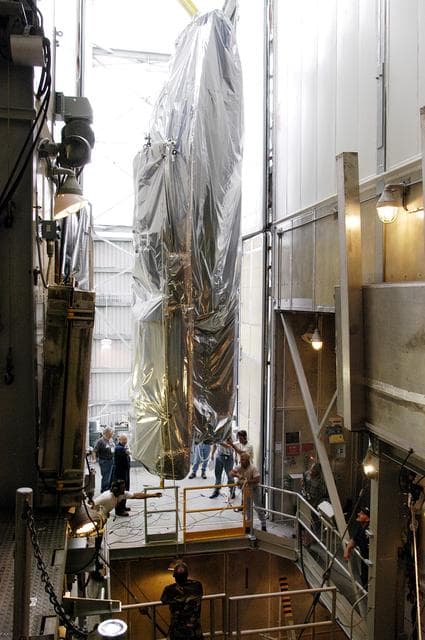
NASA image: KENNEDY SPACE CENTER, FLA. - At Launch Complex 17-A, Cape Canaveral Air Force Station, the first half of the fairing for the Mars Exploration Rover 2 (MER-2/MER-A) is moved inside the launch tower.  The fairing will be installed around the payload for protection during launch.  The MER Mission consists of two identical rovers designed to cover roughly 110 yards each Martian day over various terrain. Each rover will carry five scientific instruments that will allow it to search for evidence of liquid water that may have been present in the planet's past.  Identical to each other, the rovers will land at different regions of Mars.  Launch date for MER-A  is scheduled for June 5..
Image
Apr 30, 2003

KENNEDY SPACE CENTER, FLA. - At Launch Complex 17-A, Cape Canaveral Air Force Station, the first half of the fairing for the Mars Exploration Rover 2 (MER-2/MER-A) is moved inside the launch tower. The fairing will be installed around the payload for protection during launch. The MER Mission consists of two identical rovers designed to cover roughly 110 yards each Martian day over various terrain. Each rover will carry five scientific instruments that will allow it to search for evidence of liquid water that may have been present in the planet's past. Identical to each other, the rovers will land at different regions of Mars. Launch date for MER-A is scheduled for June 5..

KENNEDY SPACE CENTER, FLA. - At Launch Complex 17-A, Cape Canaveral Air Force Station, the first half of the fairing...
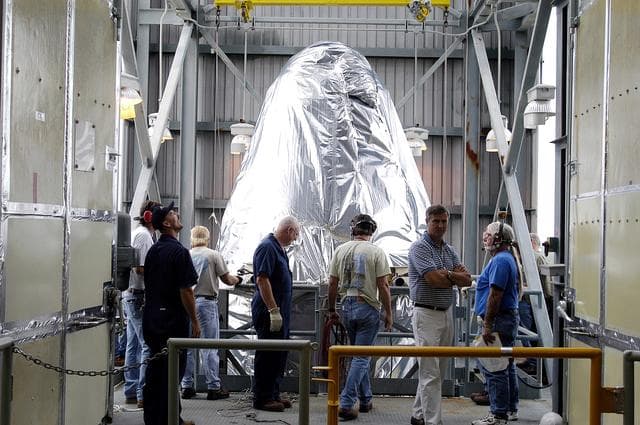
NASA image: KENNEDY SPACE CENTER, FLA. - At Launch Complex 17-A, Cape Canaveral Air Force Station, the first half of the fairing for the Mars Exploration Rover 2 (MER-2/MER-A) reaches the top of the launch tower.  The fairing will be installed around the payload for protection during launch.  The MER Mission consists of two identical rovers designed to cover roughly 110 yards each Martian day over various terrain. Each rover will carry five scientific instruments that will allow it to search for evidence of liquid water that may have been present in the planet's past.  Identical to each other, the rovers will land at different regions of Mars.  Launch date for MER-A  is scheduled for June 5.
Image
Apr 30, 2003

KENNEDY SPACE CENTER, FLA. - At Launch Complex 17-A, Cape Canaveral Air Force Station, the first half of the fairing for the Mars Exploration Rover 2 (MER-2/MER-A) reaches the top of the launch tower. The fairing will be installed around the payload for protection during launch. The MER Mission consists of two identical rovers designed to cover roughly 110 yards each Martian day over various terrain. Each rover will carry five scientific instruments that will allow it to search for evidence of liquid water that may have been present in the planet's past. Identical to each other, the rovers will land at different regions of Mars. Launch date for MER-A is scheduled for June 5.

KENNEDY SPACE CENTER, FLA. - At Launch Complex 17-A, Cape Canaveral Air Force Station, the first half of the fairing...
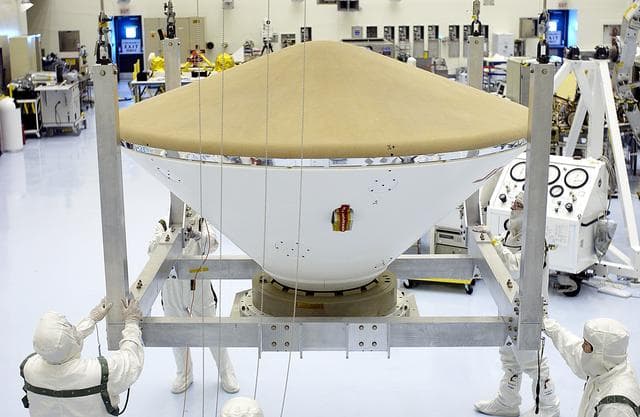
NASA image: KENNEDY SPACE CENTER, FLA. - An overhead crane moves the Mars Exploration Rover 2 (MER-2) entry vehicle across the Payload Hazardous Servicing Facility toward a spin table for a dry-spin test.  The MER Mission consists of two identical rovers designed to cover roughly 110 yards each Martian day over various terrain. Each rover will carry five scientific instruments that will allow it to search for evidence of liquid water that may have been present in the planet's past.  Identical to each other, the rovers will land at different regions of Mars.  Launch for MER-2 (MER-A) is scheduled for June 5.
Image
Apr 30, 2003

KENNEDY SPACE CENTER, FLA. - An overhead crane moves the Mars Exploration Rover 2 (MER-2) entry vehicle across the Payload Hazardous Servicing Facility toward a spin table for a dry-spin test. The MER Mission consists of two identical rovers designed to cover roughly 110 yards each Martian day over various terrain. Each rover will carry five scientific instruments that will allow it to search for evidence of liquid water that may have been present in the planet's past. Identical to each other, the rovers will land at different regions of Mars. Launch for MER-2 (MER-A) is scheduled for June 5.

KENNEDY SPACE CENTER, FLA. - An overhead crane moves the Mars Exploration Rover 2 (MER-2) entry vehicle across the...
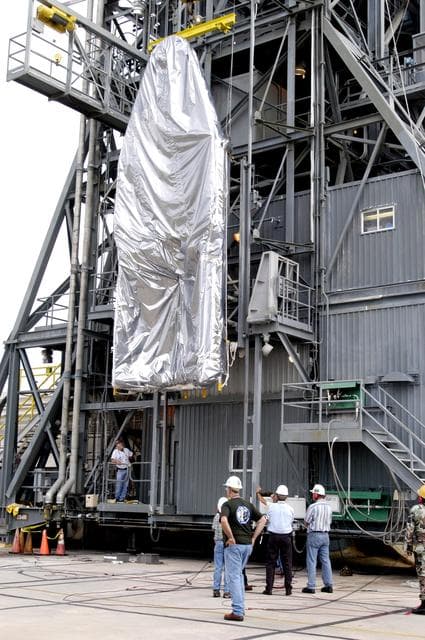
NASA image: KENNEDY SPACE CENTER, FLA. -  At Launch Complex 17-A, Cape Canaveral Air Force Station, the first half of the fairing for the Mars Exploration Rover 2 (MER-2/MER-A) is lifted up the launch tower.  The fairing will be installed around the payload for protection during launch.  The MER Mission consists of two identical rovers designed to cover roughly 110 yards each Martian day over various terrain. Each rover will carry five scientific instruments that will allow it to search for evidence of liquid water that may have been present in the planet's past.  Identical to each other, the rovers will land at different regions of Mars.  Launch date for MER-A  is scheduled for June 5.
Image
Apr 30, 2003

KENNEDY SPACE CENTER, FLA. - At Launch Complex 17-A, Cape Canaveral Air Force Station, the first half of the fairing for the Mars Exploration Rover 2 (MER-2/MER-A) is lifted up the launch tower. The fairing will be installed around the payload for protection during launch. The MER Mission consists of two identical rovers designed to cover roughly 110 yards each Martian day over various terrain. Each rover will carry five scientific instruments that will allow it to search for evidence of liquid water that may have been present in the planet's past. Identical to each other, the rovers will land at different regions of Mars. Launch date for MER-A is scheduled for June 5.

KENNEDY SPACE CENTER, FLA. - At Launch Complex 17-A, Cape Canaveral Air Force Station, the first half of the fairing...

NASA image: KENNEDY SPACE CENTER, FLA. -  The fairing for the Mars Exploration Rover 2 (MER-2/MER-A) arrives at Launch Complex 17-A, Cape Canaveral Air Force Station.  It will be installed around the payload for protection during launch.  The MER Mission consists of two identical rovers designed to cover roughly 110 yards each Martian day over various terrain. Each rover will carry five scientific instruments that will allow it to search for evidence of liquid water that may have been present in the planet's past.  Identical to each other, the rovers will land at different regions of Mars.  Launch date for MER-A  is scheduled for June 5.
Image
Apr 30, 2003

KENNEDY SPACE CENTER, FLA. - The fairing for the Mars Exploration Rover 2 (MER-2/MER-A) arrives at Launch Complex 17-A, Cape Canaveral Air Force Station. It will be installed around the payload for protection during launch. The MER Mission consists of two identical rovers designed to cover roughly 110 yards each Martian day over various terrain. Each rover will carry five scientific instruments that will allow it to search for evidence of liquid water that may have been present in the planet's past. Identical to each other, the rovers will land at different regions of Mars. Launch date for MER-A is scheduled for June 5.

KENNEDY SPACE CENTER, FLA. - The fairing for the Mars Exploration Rover 2 (MER-2/MER-A) arrives at Launch Complex...

NASA image: KENNEDY SPACE CENTER, FLA. -  An overhead crane is in place to lift the Mars Exploration Rover 2 (MER-2) entry vehicle to move it to a spin table for a dry-spin test.  The MER Mission consists of two identical rovers designed to cover roughly 110 yards each Martian day over various terrain. Each rover will carry five scientific instruments that will allow it to search for evidence of liquid water that may have been present in the planet's past.  Identical to each other, the rovers will land at different regions of Mars.  Launch for MER-2 (MER-A) is scheduled for June 5.
Image
Apr 30, 2003

KENNEDY SPACE CENTER, FLA. - An overhead crane is in place to lift the Mars Exploration Rover 2 (MER-2) entry vehicle to move it to a spin table for a dry-spin test. The MER Mission consists of two identical rovers designed to cover roughly 110 yards each Martian day over various terrain. Each rover will carry five scientific instruments that will allow it to search for evidence of liquid water that may have been present in the planet's past. Identical to each other, the rovers will land at different regions of Mars. Launch for MER-2 (MER-A) is scheduled for June 5.

KENNEDY SPACE CENTER, FLA. - An overhead crane is in place to lift the Mars Exploration Rover 2 (MER-2) entry...

KSC
NASA image: KENNEDY SPACE CENTER, FLA. -  At Launch Complex 17-A, Cape Canaveral Air Force Station, the first half of the fairing for the Mars Exploration Rover 2 (MER-2/MER-A) is lifted up the launch tower.  The fairing will be installed around the payload for protection during launch.  The MER Mission consists of two identical rovers designed to cover roughly 110 yards each Martian day over various terrain. Each rover will carry five scientific instruments that will allow it to search for evidence of liquid water that may have been present in the planet's past.  Identical to each other, the rovers will land at different regions of Mars.  Launch date for MER-A  is scheduled for June 5.
Image
Apr 30, 2003

KENNEDY SPACE CENTER, FLA. - At Launch Complex 17-A, Cape Canaveral Air Force Station, the first half of the fairing for the Mars Exploration Rover 2 (MER-2/MER-A) is lifted up the launch tower. The fairing will be installed around the payload for protection during launch. The MER Mission consists of two identical rovers designed to cover roughly 110 yards each Martian day over various terrain. Each rover will carry five scientific instruments that will allow it to search for evidence of liquid water that may have been present in the planet's past. Identical to each other, the rovers will land at different regions of Mars. Launch date for MER-A is scheduled for June 5.

KENNEDY SPACE CENTER, FLA. - At Launch Complex 17-A, Cape Canaveral Air Force Station, the first half of the fairing...

NASA image: KENNEDY SPACE CENTER, FLA. - The overhead crane settles the Mars Exploration Rover 2 (MER-2) entry vehicle onto a spin table for a dry-spin test.  The MER Mission consists of two identical rovers designed to cover roughly 110 yards each Martian day over various terrain. Each rover will carry five scientific instruments that will allow it to search for evidence of liquid water that may have been present in the planet's past.  Identical to each other, the rovers will land at different regions of Mars.  Launch for MER-2 (MER-A) is scheduled for June 5.
Image
Apr 30, 2003

KENNEDY SPACE CENTER, FLA. - The overhead crane settles the Mars Exploration Rover 2 (MER-2) entry vehicle onto a spin table for a dry-spin test. The MER Mission consists of two identical rovers designed to cover roughly 110 yards each Martian day over various terrain. Each rover will carry five scientific instruments that will allow it to search for evidence of liquid water that may have been present in the planet's past. Identical to each other, the rovers will land at different regions of Mars. Launch for MER-2 (MER-A) is scheduled for June 5.

KENNEDY SPACE CENTER, FLA. - The overhead crane settles the Mars Exploration Rover 2 (MER-2) entry vehicle onto a...

KSC
PreviousPage 1 of 58Next

Frequently Asked Questions About NASA Images

Are NASA images free to use?+
Yes, most NASA images are in the public domain and are free to use for educational, informational, and personal purposes. NASA's media usage guidelines state that NASA material is not copyrighted unless otherwise noted. However, the NASA logo and certain insignia are protected. Some images may include identifiable individuals or third-party content that requires additional permissions. Always check the specific image's usage rights and credit NASA as the source.
How many images does NASA have?+
NASA's Image and Video Library contains over 140,000 publicly accessible images, videos, and audio files spanning the agency's entire history, from the Mercury program of the 1960s to the latest James Webb Space Telescope discoveries. The collection grows daily as new missions capture imagery and archival materials are digitized. Individual mission archives, such as Mars rover photos, contain hundreds of thousands of additional images.
Can I download NASA images?+
Yes, you can download NASA images in multiple resolutions directly from this gallery. Each image detail page provides download links for original (full resolution), large (1920px), medium (960px), small (480px), and thumbnail sizes. NASA encourages the public to use these images for education, media, and personal projects. High-resolution originals are ideal for printing and professional use.

Explore More NASA Content

Astronomy Picture of the Day

Daily curated space image

Mars Rover Photos

Curiosity & Perseverance images

Earth from Space

DSCOVR EPIC daily images

Launch Schedule

Upcoming rocket launches

Space News

Mission updates & discoveries

KENNEDY SPACE CENTER, FLA. - On Launch Complex 17-B, Cape Canaveral Air Force Station, the Delta II Heavy launch...

KSC

KENNEDY SPACE CENTER, FLA. - On Launch Complex 17-B, Cape Canaveral Air Force Station, the Delta II Heavy launch...

KSC

KENNEDY SPACE CENTER, FLA. - On Launch Complex 17-B, Cape Canaveral Air Force Station, the Delta II Heavy launch...

KSC
KSC
KSC
KSC
KSC
KSC
KSC
KSC