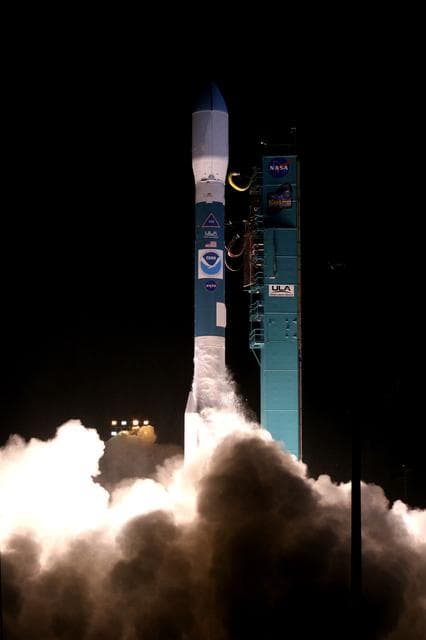
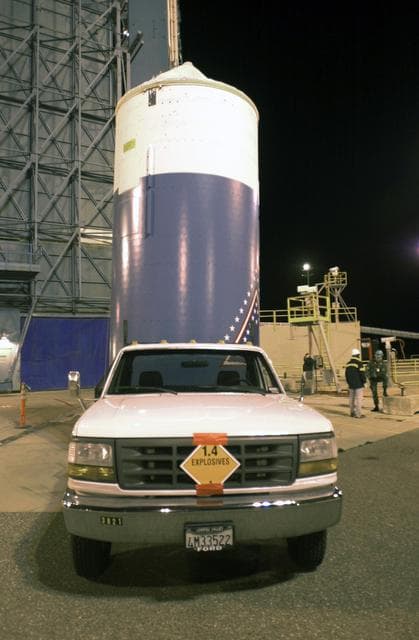
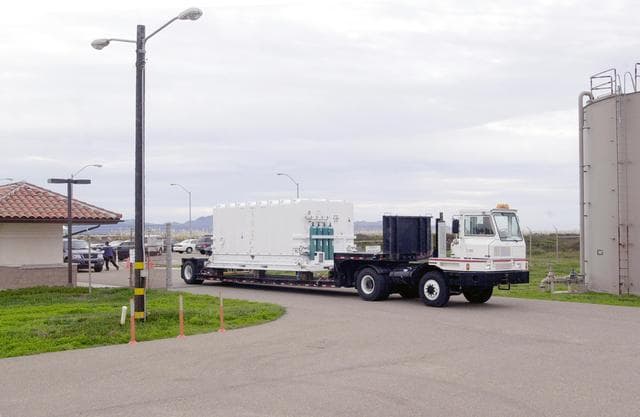
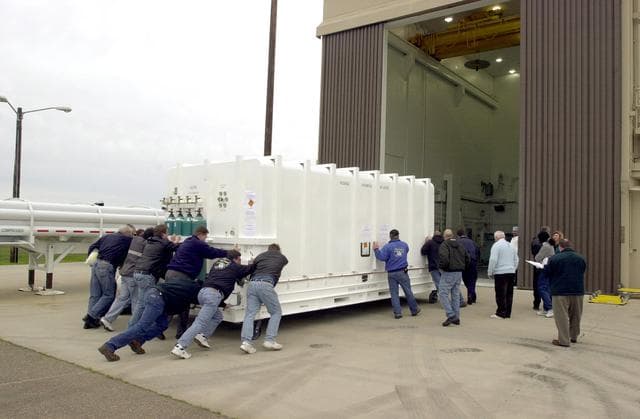
Saving lives is one of the unique and important missions of NASA and NOAA's polar-orbiting satellites. The Search and Rescue Satellite-Aided Tracking system, called SARSAT, is part of the National Oceanic and Atmospheric Association's satellite payload. Tracking instruments on the NOAA satellites and other international satellites are used to pick up emergency beacons set off by people in distress. When aviators, mariners, or hikers in trouble set off a beacon, a signal is transmitted to a satellite orbiting overhead. That signal is immediately relayed to a global network of emergency coordination centers on Earth. In turn, the appropriate rescue force is sent to the exact location of distress. Although other means of communication are available, there have been times when these devices haven't worked, according to David Affens, NASA search and rescue mission manager. Affens describes a situation where a ship being tossed about in stormy weather, within miles of the coast was saved because of SARSAT. 'Cell phones, VHF radios and all the other stuff that people assume will save your life did not function. SARSAT was the only means of alerting the rescue authorities. In that one rescue we saved over 90 people.' Affens is quick to point out that SARSAT provides a tool that helps emergency centers locate and save people in trouble anywhere on the planet, whether on land or sea. 'Our goal is to take the search out of search and rescue.' SARSAT's global system, and the courageous Search and Rescue people who make these rescues, have saved about 18,000 lives since it became operational in 1982. NOAA-N soon will join a host of other polar and geostationary Earth-observing satellites developed by NASA to monitor the planet's atmosphere and weather. The satellite, carried on a Delta II rocket, launches from Vandenberg Air Force Base in California in May.
Most NASA images are in the public domain and free to use. Credit NASA as the source. Check NASA's media usage guidelines for details. Images featuring identifiable individuals may require additional permissions.
NASA ID
ksc_042705_sarsat
Date Created
April 27, 2005
Center
KSC
Media Type
video
Photographer
NASA or National Aeronautics and Space Administration
Download this video in multiple resolutions. All NASA media are free for public use.
Captions
Subtitles