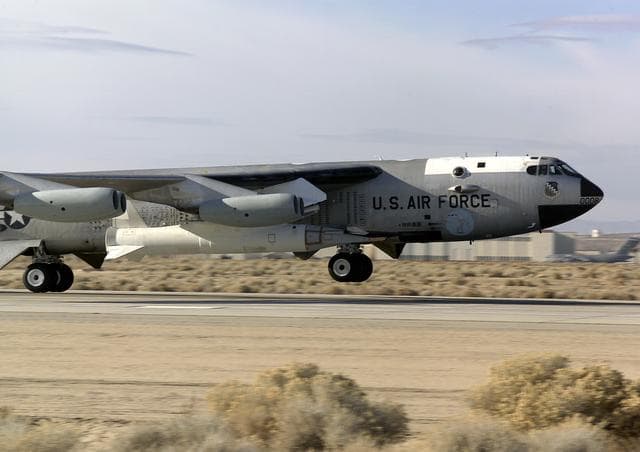
Blazing a trail over the Pacific Ocean at 5,000 miles per hour, NASA's X-43A made history on March 27 with its revolutionary scramjet engine. Traditional rocket engines combine liquid oxygen and fuel to create thrust, but scramjet engines use air from the atmosphere instead. The incredible speed of the vehicle compresses the air to the point where it can be used efficiently for combustion. Saturday's X-43A's flight was the first time a scramjet engine has been flown in 'free flight'. The vehicle was lifted to an altitude of almost 100,000 feet by a Pegasus booster rocket and released. The X-43A then fired its scramjet engine, for nearly 10 seconds of successful operation. The technology is still highly experimental, but has the potential to one day revolutionize the cost and reliability of high speed flight.
Most NASA images are in the public domain and free to use. Credit NASA as the source. Check NASA's media usage guidelines for details. Images featuring identifiable individuals may require additional permissions.
NASA ID
ksc_033104_scramjet
Date Created
March 31, 2004
Center
KSC
Media Type
video
Photographer
NASA or National Aeronautics and Space Administration
Download this video in multiple resolutions. All NASA media are free for public use.
Captions
Subtitles
Hitching a ride on NASA's B-52 mother ship, the X-43A scramjet performed a captive carry evaluation flight from Edwards Air Force Base, California, January 26, 2004
Jan 26, 2004
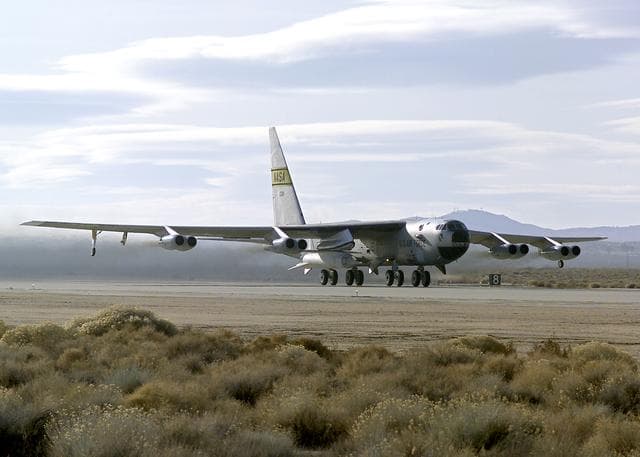
Hitching a ride on NASA's B-52 mother ship, the X-43A scramjet performed a captive carry evaluation flight from Edwards Air Force Base, California, January 26, 2004
Jan 26, 2004
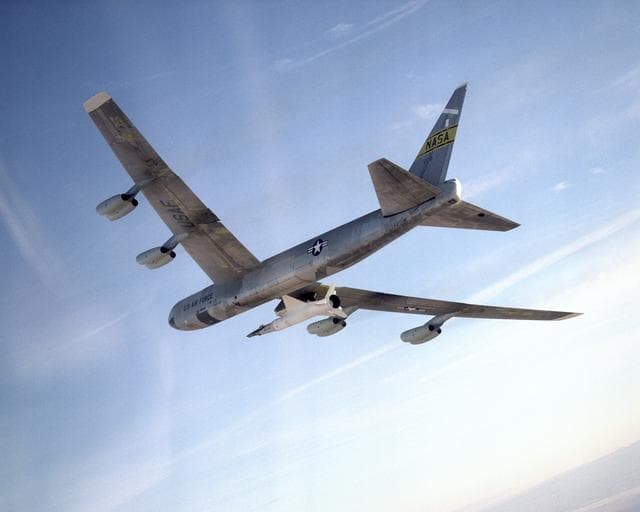
NASA's B-52 mother ship carries the X-43A and its booster rocket on a captive carry flight Jan. 26, 2004
Jan 26, 2004
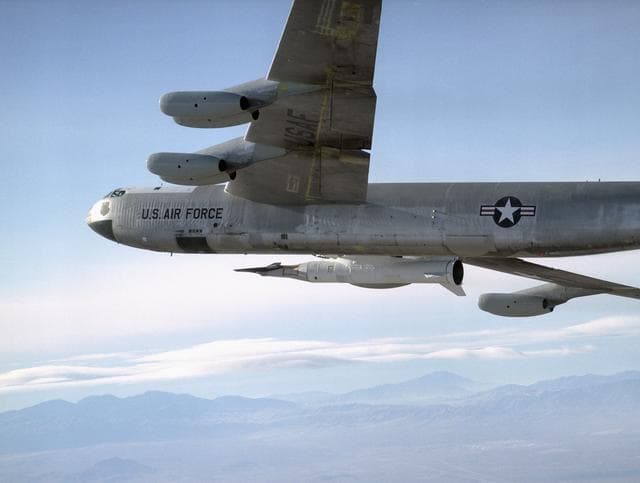
NASA's B-52 mother ship carries the X-43A and its booster rocket on a captive carry flight Jan. 26, 2004
Jan 26, 2004