NISAR Encapsulated in Payload Fairing at ISRO Launch Site
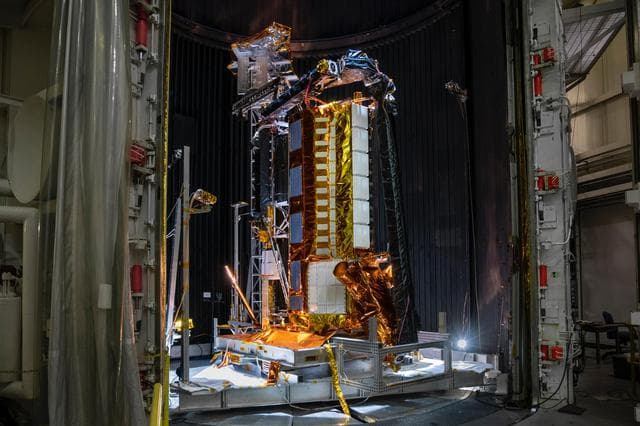
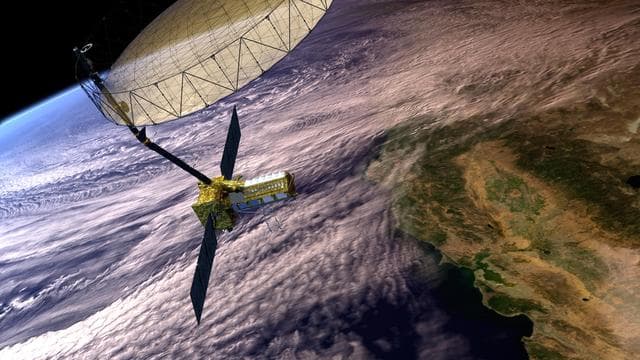
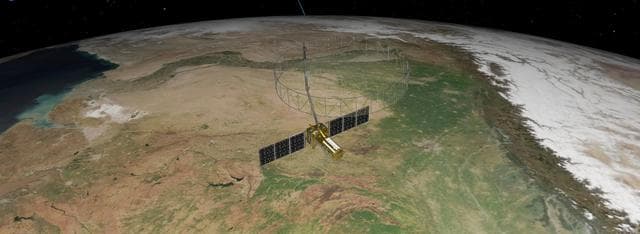
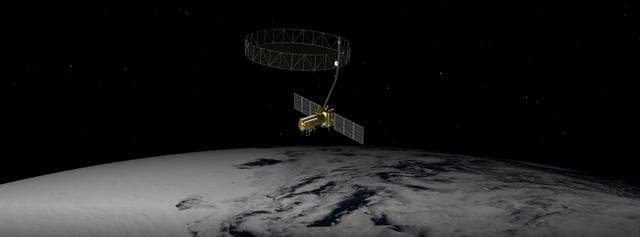
The NISAR (NASA-ISRO Synthetic Aperture Radar) satellite was encapsulated in its payload fairing at ISRO's Satish Dhawan Space Centre on July 18 in preparation for launch on the Geosynchronous Launch Vehicle no earlier than July 30. The fairing protects the satellite from pressure and heat during ascent. After the rocket escapes the Earth's atmosphere, the fairing splits into two halves that are jettisoned back to Earth. The NISAR satellite arrived at the Indian launch facility in May after having been at the ISRO Satellite Integration and Test Establishment (ISITE) in Bengaluru. In orbit, NISAR will collect an unprecedented amount of information about change on our home planet. It will scan nearly all of Earth's land and ice surfaces twice every 12 days, providing insights into the growth and retreat of ice sheets, sea ice, and glaciers, the deformation of the planet's crust due to natural hazards, as well as natural and human-caused changes to its terrestrial ecosystems, including forests and wetlands. https://photojournal.jpl.nasa.gov/catalog/PIA26611
Usage Rights
Most NASA images are in the public domain and free to use. Credit NASA as the source. Check NASA's media usage guidelines for details. Images featuring identifiable individuals may require additional permissions.
Keywords
Details
NASA ID
PIA26611
Date Created
July 22, 2025
Center
JPL
Media Type
image
Downloads
Download this image in multiple resolutions. All NASA media are free for public use.