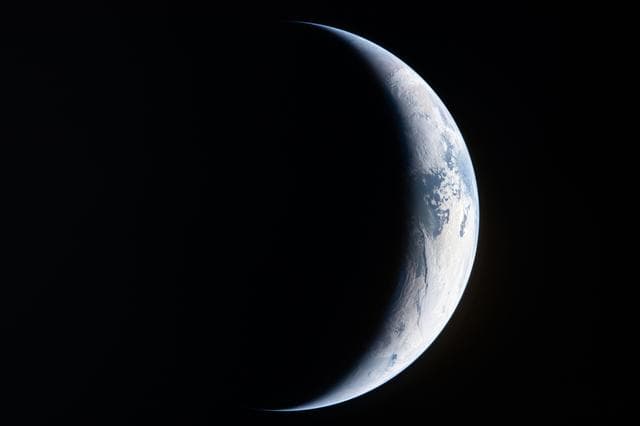
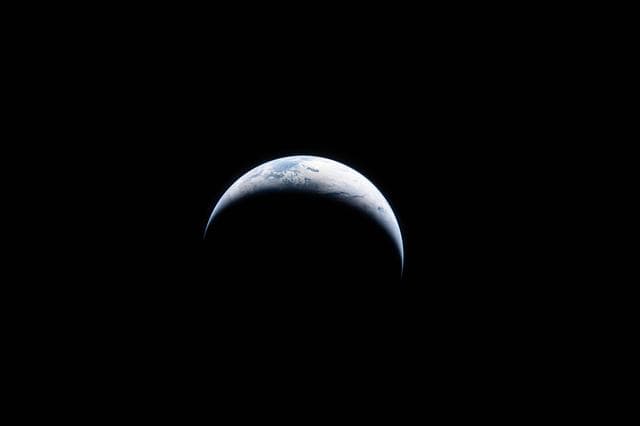
At 1:47 a.m. EST (6:47 UTC) on Nov. 16, 2022, NASA’s Orion spacecraft launched atop the Space Launch System (SLS) rocket from historic Launch Pad 39B at NASA’s Kennedy Space Center on a path to the Moon, officially beginning the Artemis I mission. Over the course of 25.5 days, Orion performed two lunar flybys, coming within 80 miles (129 kilometers) of the lunar surface. At its farthest distance during the mission, Orion traveled nearly 270,000 miles (435,000 kilometers) from our home planet. NASA’s Orion spacecraft successfully completed a parachute-assisted splashdown in the Pacific Ocean at 9:40 a.m. PST (12:40 p.m. EST) as the final major milestone of the Artemis I mission. Artemis I set new records of performance, exceeded efficiency expectations, and established new safety baselines for humans in deep space. This is a prelude to what comes next—following the success of Artemis I, human beings will fly around the Moon on Artemis II.
Most NASA images are in the public domain and free to use. Credit NASA as the source. Check NASA's media usage guidelines for details. Images featuring identifiable individuals may require additional permissions.
NASA ID
KSC-20250128-MH-NAS01-0001-Artemis_Success_and_Preparation_Short_Versions-M11615
Date Created
January 28, 2025
Center
KSC
Media Type
video
Photographer
NASA
Location
KSC
Download this video in multiple resolutions. All NASA media are free for public use.
Captions
Subtitles