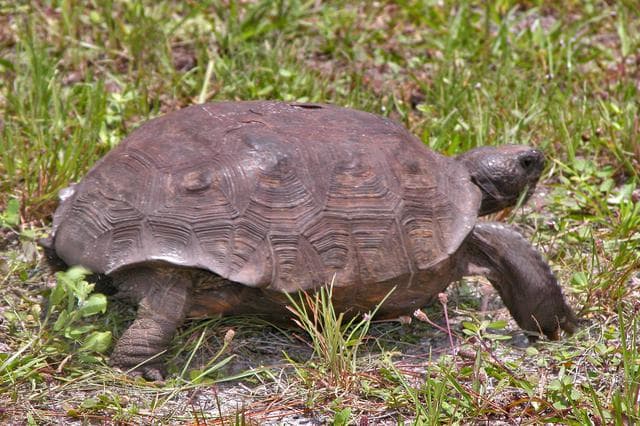
A tortoise walks through underbrush at NASA's Kennedy Space Center in Florida on June 11, 2020. In view in the background is the iconic Vehicle Assembly Building. The center shares a border with the Merritt Island National Wildlife Refuge. More than 330 native and migratory bird species, along with 25 mammal, 117 fish and 65 amphibian and reptile species call Kennedy and the wildlife refuge home.
Most NASA images are in the public domain and free to use. Credit NASA as the source. Check NASA's media usage guidelines for details. Images featuring identifiable individuals may require additional permissions.
NASA ID
KSC-20200611-PH-JBS01_0001
Date Created
June 11, 2020
Center
KSC
Media Type
image
Photographer
NASA/Ben Smegelsky
Location
KSC
Download this image in multiple resolutions. All NASA media are free for public use.
Large
1920px
KSC-05pd2344
Oct 7, 2005
KSC-05pd-1595
Jul 12, 2005
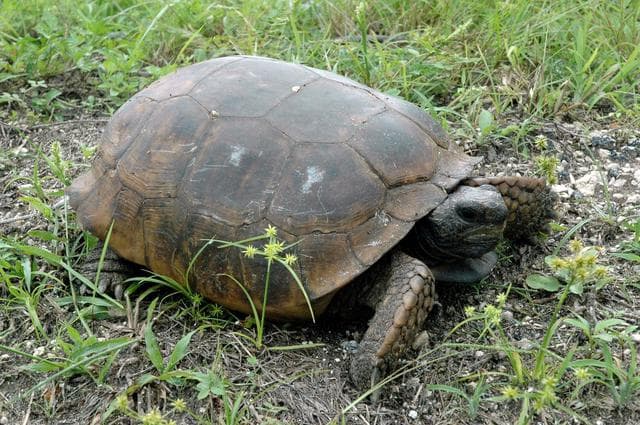
Wildlife at KSC
Jan 21, 2021
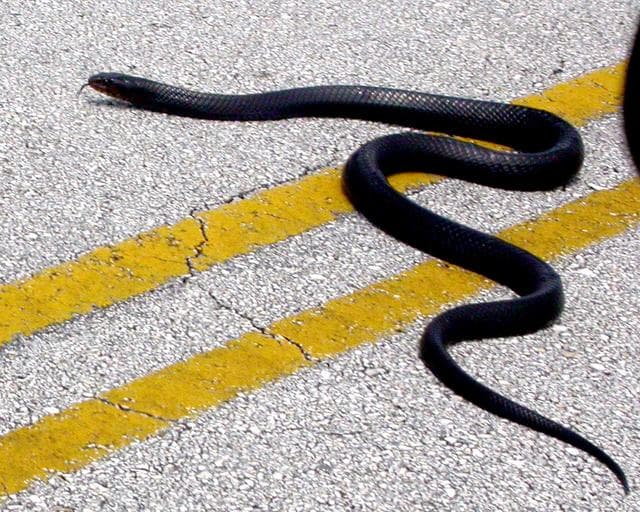
KENNEDY SPACE CENTER, FLA. - A blue-black indigo snake is seen crossing a roadway inside the Center. Indigo snakes are active during the day and spend a great deal of time foraging for food and mates. They often hide in gopher tortoise burrows (the tortoises don’t seem to mind) in sandy scrub habitats. The longest snakes in the United States, some individuals reach almost nine feet in length. In 1978, the U.S. Fish and Wildlife Service listed indigo snakes as a threatened species in all portions of its range; federal protection has helped to stop collection of these snakes from the wild. The numbers of indigo snakes are still declining throughout most of the Southeast, especially Georgia, Florida, Alabama, and Mississippi. Habitat loss and fragmentation is the main problem facing these snakes today. KSC shares a boundary with the Merritt Island National Wildlife Refuge, which encompasses 92,000 acres that are a habitat for more than 331 species of birds, 31 mammals, 117 fishes, and 65 amphibians and reptiles.
Jun 10, 2003