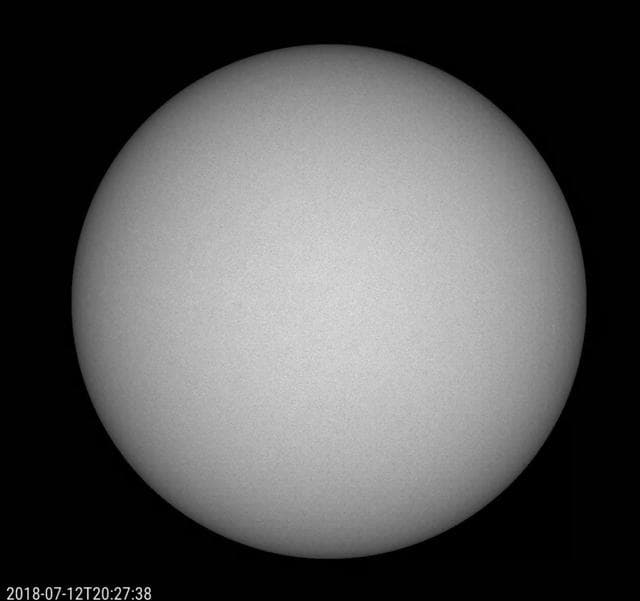
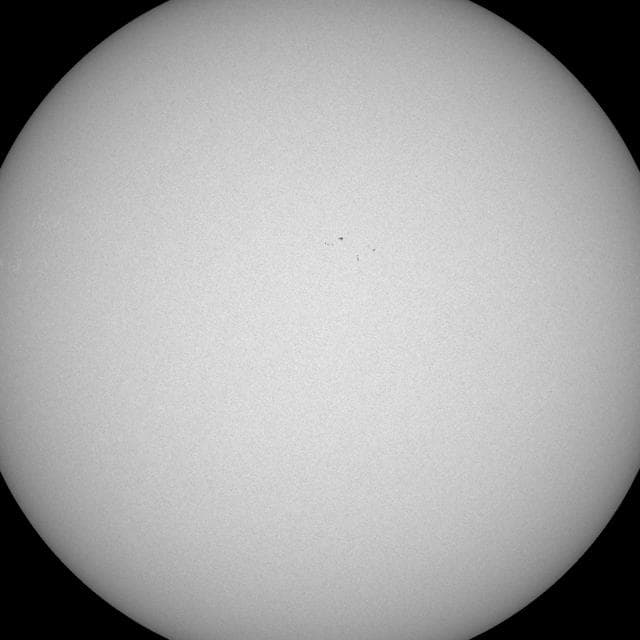
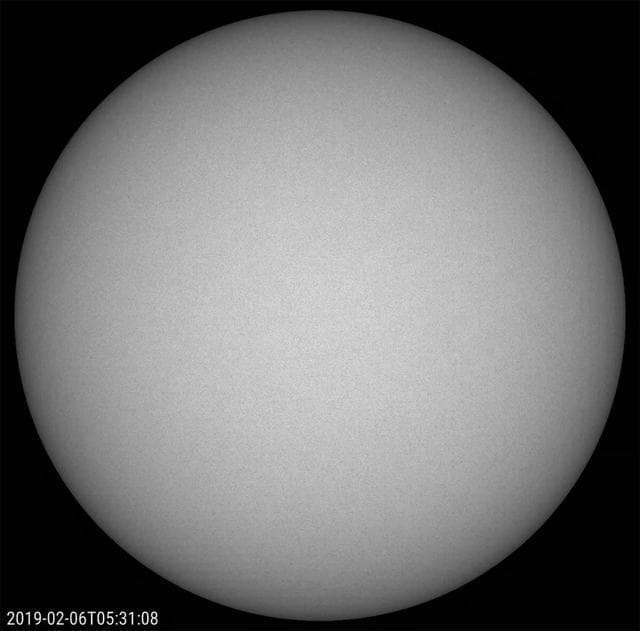
Our sun is ever-changing, and the Solar Dynamics Observatory has a front-row seat. On Feb. 11, 2010, NASA launched the Solar Dynamics Observatory, also known as SDO. SDO keeps a constant eye on the sun, helping us track everything from sunspots to solar flares to other types of space weather that can have an impact on Earth. For instance, solar activity is behind the aurora, one of Earth’s most dazzling natural events. The sun’s activity rises and falls in a pattern that lasts about 11 years on average. This is called the solar cycle. After seven years in space, SDO has had a chance to do what few other satellites have been able to do – watch the sun for the majority of a solar cycle in 11 types of light. This video shows two.
Most NASA images are in the public domain and free to use. Credit NASA as the source. Check NASA's media usage guidelines for details. Images featuring identifiable individuals may require additional permissions.
NASA ID
GSFC_20170211_SDO_m12500_Year7
Date Created
February 11, 2017
Center
GSFC
Media Type
video
Location
Goddard Space Flight Center
Download this video in multiple resolutions. All NASA media are free for public use.
Captions
Subtitles