Spacelab
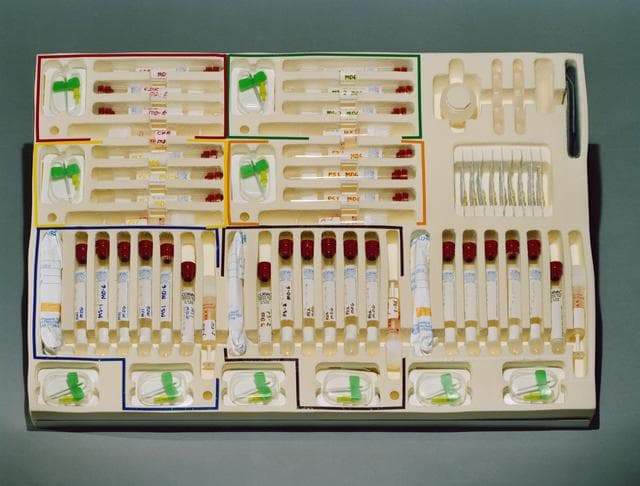
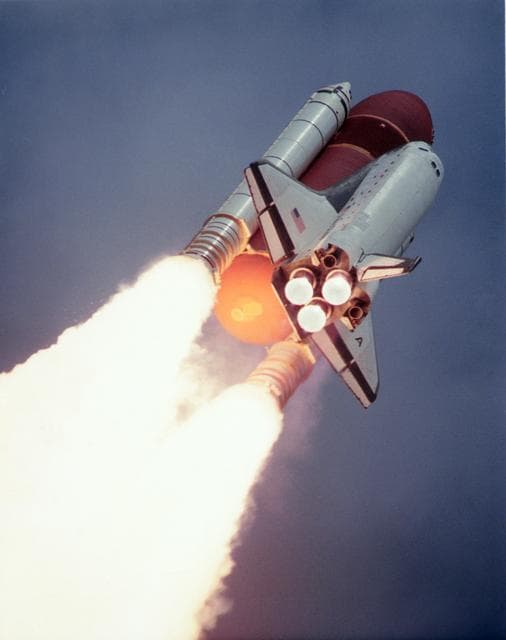
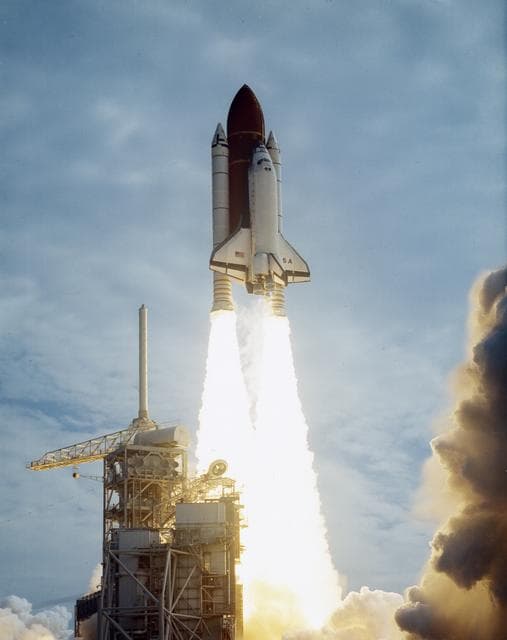
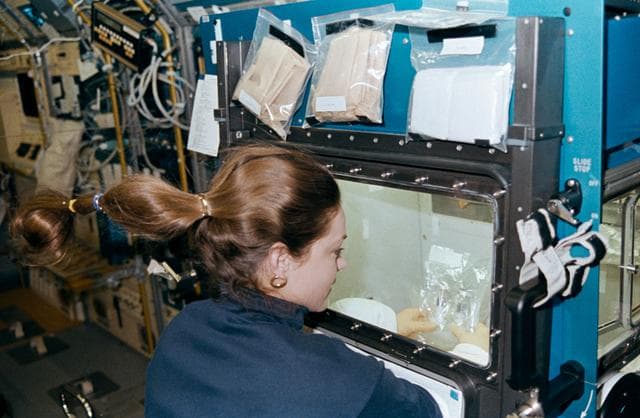
The laboratory module in the cargo bay of the Space Shuttle Orbiter Columbia was photographed during the Spacelab Life Science-1 (SLS-1) mission. SLS-1 was the first Spacelab mission dedicated solely to life sciences. The main purpose of the SLS-1 mission was to study the mechanisms, magnitudes, and time courses of certain physiological changes that occur during space flight, to investigate the consequences of the body's adaptation to microgravity and readjustment to Earth's gravity, and to bring the benefits back home to Earth. The mission was designed to explore the responses of the heart, lungs, blood vessels, kidneys, and hormone-secreting glands to microgravity and related body fluid shifts; examine the causes of space motion sickness; and study changes in the muscles, bones and cells. The five body systems being studied were: The Cardiovascular/Cardiopulmonary System (heart, lungs, and blood vessels), the Renal/Endocrine System (kidney and hormone-secreting organs), the Immune System (white blood cells), the Musculoskeletal System (muscles and bones), and the Neurovestibular System (brain and nerves, eyes, and irner ear). The SLS-1 was launched aboard the Space Shuttle Orbiter Columbia (STS-40) on June 5, 1995.
Usage Rights
Most NASA images are in the public domain and free to use. Credit NASA as the source. Check NASA's media usage guidelines for details. Images featuring identifiable individuals may require additional permissions.
Details
NASA ID
9135505
Date Created
June 1, 1991
Center
MSFC
Media Type
image
Downloads
Download this image in multiple resolutions. All NASA media are free for public use.