Microgravity
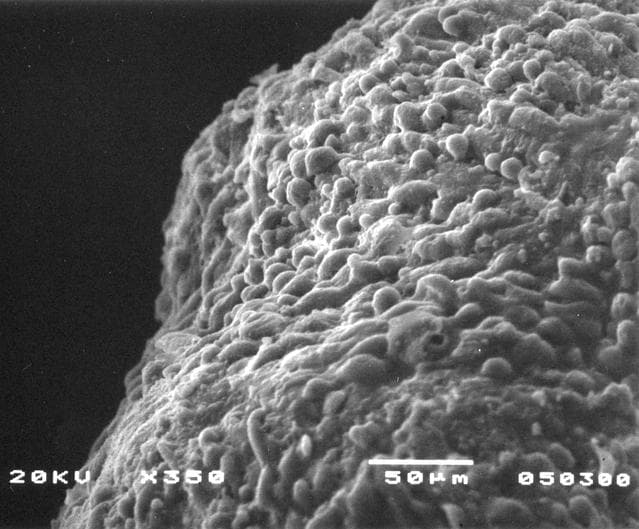
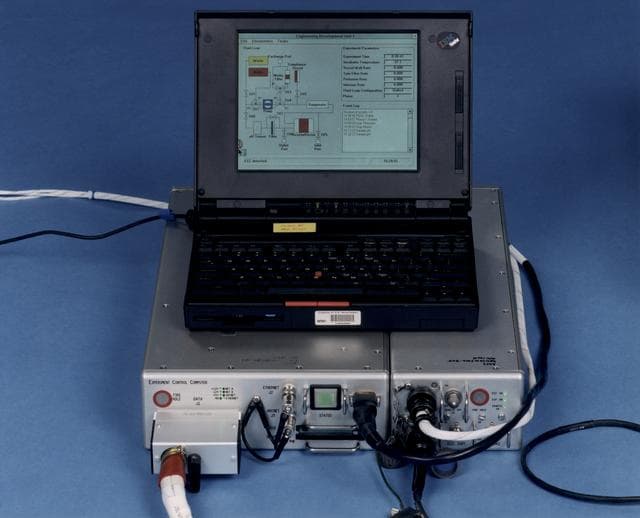
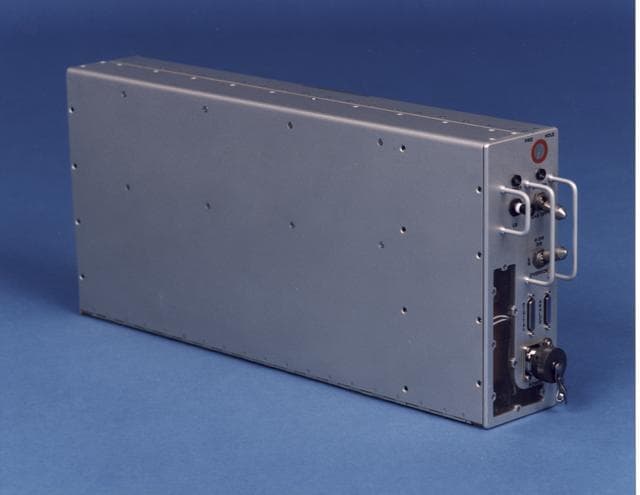
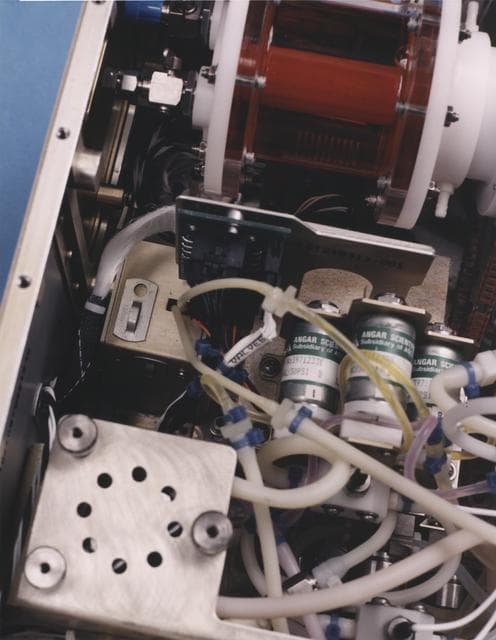
Paul Ducheyne, a principal investigator in the microgravity materials science program and head of the University of Pernsylvania's Center for Bioactive Materials and Tissue Engineering, is leading the trio as they use simulated microgravity to determine the optimal characteristics of tiny glass particles for growing bone tissue. The result could make possible a much broader range of synthetic bone-grafting applications. Even in normal gravity, bioactive glass particles enhance bone growth in laboratory tests with flat tissue cultures. Ducheyne and his team believe that using the bioactive microcarriers in a rotating bioreactor in microgravity will produce improved, three-dimensional tissue cultures. The work is sponsored by NASA's Office of Biological and Physical Research. The bioreactor is managed by the Biotechnology Cell Science Program at NASA's Johnson Space Center (JSC). NASA-sponsored bioreactor research has been instrumental in helping scientists to better understand normal and cancerous tissue development. In cooperation with the medical community, the bioreactor design is being used to prepare better models of human colon, prostate, breast and ovarian tumors. Cartilage, bone marrow, heart muscle, skeletal muscle, pancreatic islet cells, liver and kidney are just a few of the normal tissues being cultured in rotating bioreactors by investigators. Credit: NASA and University of Pennsylvania Center for Bioactive Materials and Tissue Engineering.
Usage Rights
Most NASA images are in the public domain and free to use. Credit NASA as the source. Check NASA's media usage guidelines for details. Images featuring identifiable individuals may require additional permissions.
Keywords
Details
NASA ID
0101737
Date Created
December 15, 2000
Center
MSFC
Media Type
image
Downloads
Download this image in multiple resolutions. All NASA media are free for public use.