Microgravity
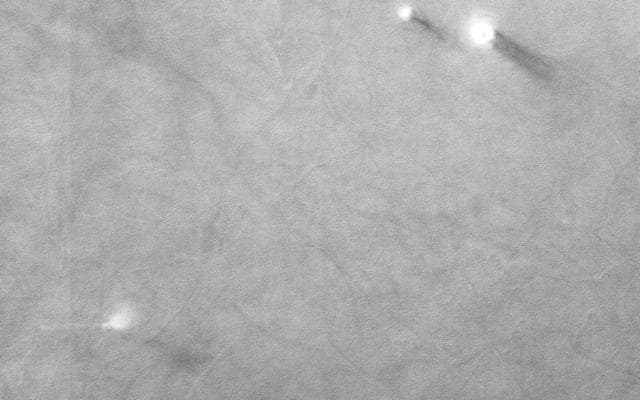
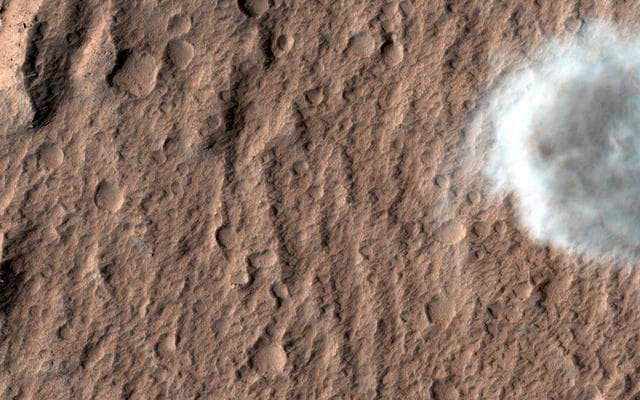
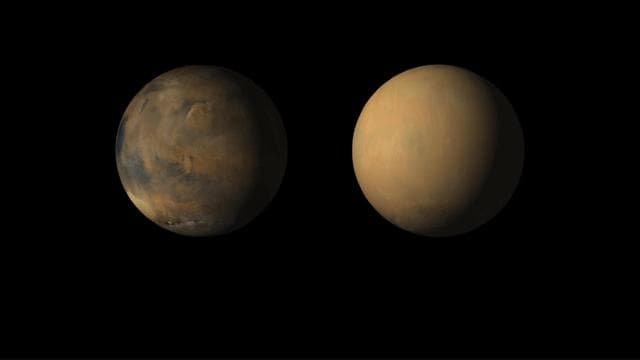
John Marshall, an investigator at Ames Research Center and a principal investigator in the microgravity fluid physics program, is studying the adhesion and cohesion of particles in order to shed light on how granular systems behave. These systems include everything from giant dust clouds that form planets to tiny compressed pellets, such as the ones you swallow as tablets. This knowledge should help us control the grains, dust, and powders that we encounter or use on a daily basis. Marshall investigated electrostatic charge in microgravity on the first and second U.S. Microgravity Laboratory shuttle missions to see how grains aggregate, or stick together. With gravity's effects eliminated on orbit, Marshall found that the grains of sand that behaved ever so freely on Earth now behaved like flour. They would just glom together in clumps and were quite difficult to disperse. That led to an understanding of the prevalence of the electrostatic forces. The granules wanted to aggregate as little chains, like little hairs, and stack end to end. Some of the chains had 20 or 30 grains. This phenomenon indicated that another force, what Marshall believes to be an electrostatic dipole, was at work.(The diagram on the right emphasizes the aggregating particles in the photo on the left, taken during the USML-2 mission in 1995.)
Usage Rights
Most NASA images are in the public domain and free to use. Credit NASA as the source. Check NASA's media usage guidelines for details. Images featuring identifiable individuals may require additional permissions.
Keywords
Details
NASA ID
0101734
Date Created
May 15, 2000
Center
MSFC
Media Type
image
Downloads
Download this image in multiple resolutions. All NASA media are free for public use.